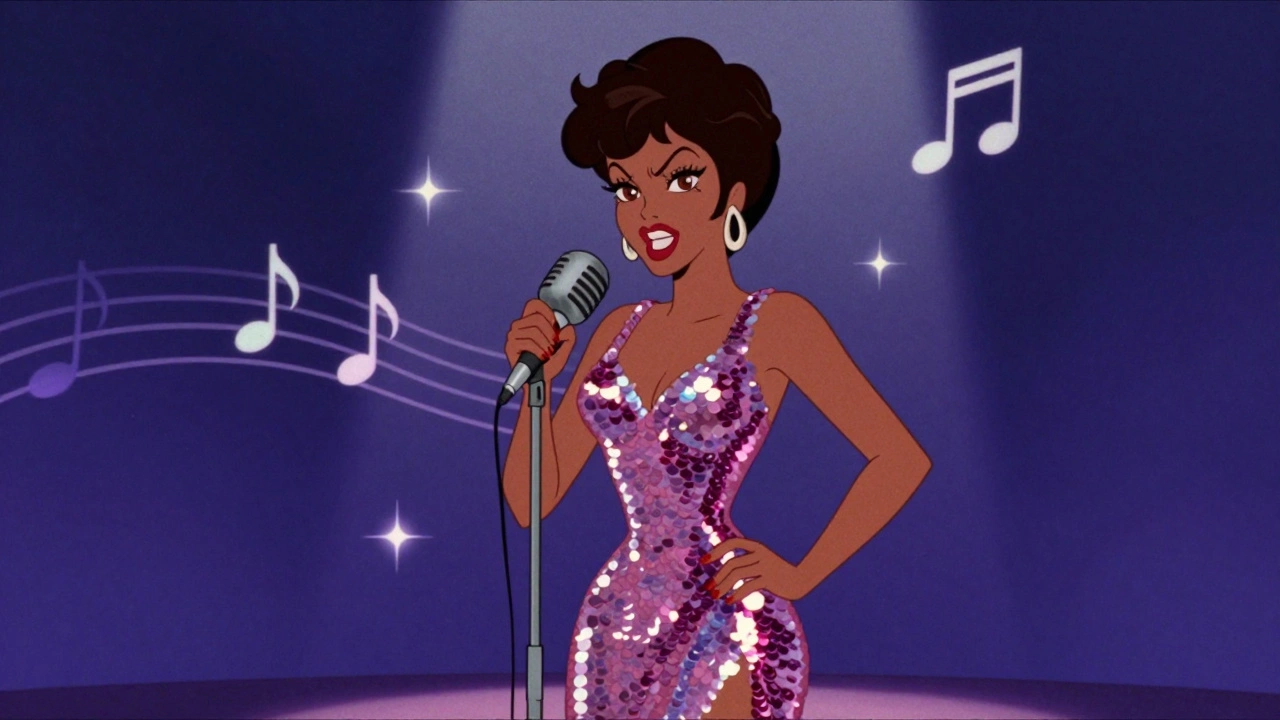

Imagine being handed a song that was originally intended as a B-side-basically the "throwaway" track on a record-and turning it into a global manifesto for survival. That is exactly what happened with Gloria Gaynor is an American singer and songwriter who became the definitive voice of the disco era. Commonly referred to as the Queen of Disco, Gaynor didn't just sing hits; she provided a soundtrack for people who felt pushed to the margins of society. When she released a certain track in 1978, she wasn't just selling a dance record; she was delivering a tool for emotional liberation.
The Unexpected Rise of a B-Side
In the music industry of the late 70s, the A-side was the intended hit, and the B-side was the filler. I Will Survive started exactly there. Written by Freddie Perren and Dino Fekaris, the song appeared on the album Love Tracks in 1978. Most labels would have let it gather dust, but the public had other plans. The track's narrative-moving from the crushing weight of a breakup to the sudden realization of personal strength-hit a nerve that traditional love songs ignored.
The commercial trajectory was staggering. By March 1979, it hit number one on the US Billboard Hot 100. It didn't just stop at the US border; it conquered the UK, Canada, and Ireland. With over 15 million copies sold worldwide, it proved that a song about resilience could be more profitable and more popular than a simple dance track. This success shifted the perception of Gloria Gaynor from a talented vocalist to a cultural icon.
Why It Became an Empowerment Anthem
What makes a song transition from a club hit to a life-saving anthem? It is all in the arc of the lyrics. Most pop songs of that era focused on the tragedy of heartbreak or the joy of new love. I Will Survive did something different: it focused on the disco revolution and the interval between the pain and the recovery. It is a song about the "moment of clarity."
For many, especially within the LGBTQ+ community, the lyrics "I've got to survive" weren't just about a boyfriend leaving. They were about surviving a society that often rejected them. The song provided a sense of visibility and strength in a safe space-the dance floor. When you pair those lyrics with a driving beat and a defiant vocal performance, you get more than a song; you get a psychological shield.
| Category | Achievement / Value | Significance |
|---|---|---|
| Chart Position | #1 Billboard Hot 100 | Global commercial dominance in 1979 |
| Sales | 15+ Million Copies | One of the best-selling singles in history |
| Grammy Award | Best Disco Recording (1980) | The only award ever given in this specific category |
| Institutional Honor | National Recording Registry | Recognized by the Library of Congress for historical value |
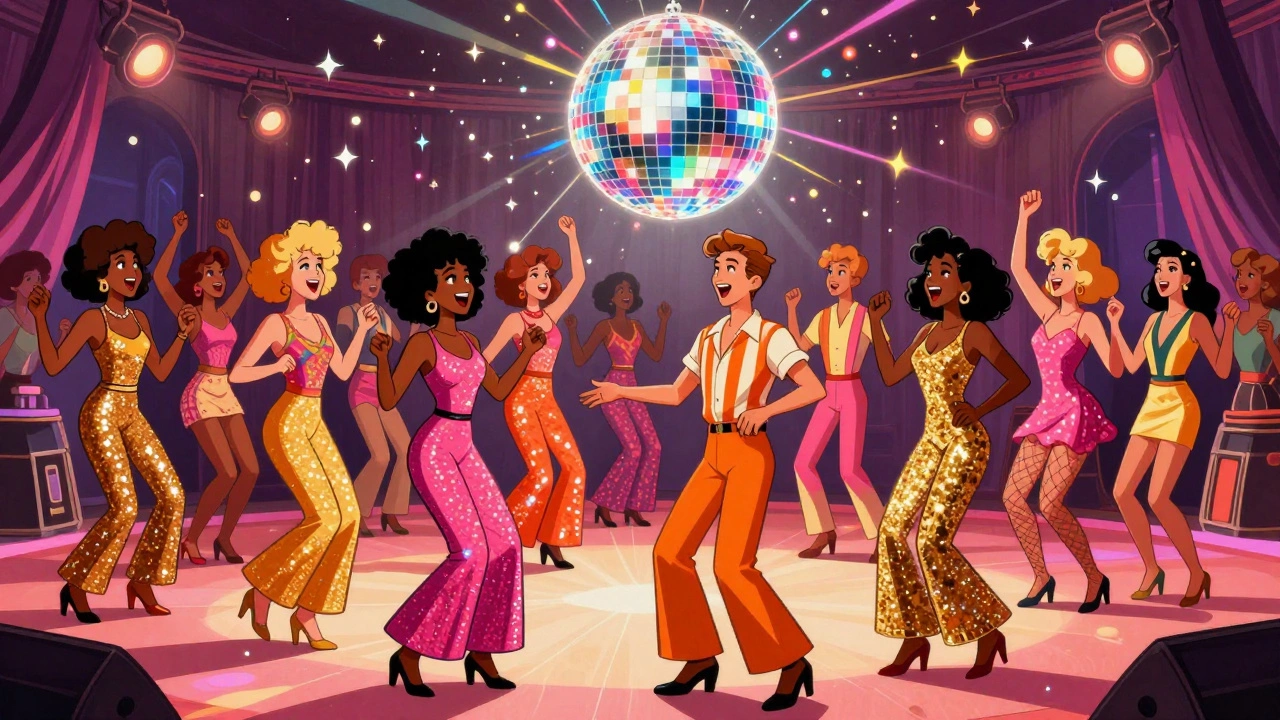
The Disco Context: More Than Just Glitter
To understand the song, you have to understand the Disco era. It wasn't just about sequins and disco balls; it was a movement rooted in urban nightlife and the liberation of marginalized groups. Disco was a sanctuary. When Gloria Gaynor hit those high notes, she was speaking to a crowd that used the dance floor as a place of political and social refuge.
The Recording Academy's relationship with disco was complicated. In 1980, they gave out the award for Best Disco Recording. In a move that almost feels like a joke today, they never gave that award again. It was as if the industry decided to put the genre in a box and close the lid. However, I Will Survive refused to stay in that box. While the commercial trend of disco faded by the early 80s, the song's message of survival remained timeless.
Legacy and Institutional Preservation
It is rare for a dance track to be treated with the same academic respect as a classical symphony, but that happened here. In 2016, the Library of Congress added the original recording to the National Recording Registry. They didn't do this because the beat was catchy, but because the recording is "culturally, historically, or aesthetically significant."
This designation acknowledges that the song serves as a historical marker. It documents a specific shift in how people-particularly women and the LGBTQ+ community-approached autonomy and self-worth. The song transitioned from a product of Polydor Records to a piece of American heritage.

Practical Lessons in Resilience
If we look at the song as a blueprint for overcoming adversity, a few key themes emerge. First, there is the acknowledgment of pain. The song doesn't start with victory; it starts with a narrator who is shaken. Second, there is the pivot. The moment the lyrics shift from "you're gone" to "I will survive," the power dynamic changes.
This is why the song is still played at rallies, graduations, and therapy sessions. It models the process of reclaiming one's identity after a loss. It teaches us that survival is not just about enduring a situation, but about thriving in spite of it.
Was "I Will Survive" always intended to be a hit?
Actually, no. It was originally released as a B-side single, meaning it was the secondary track on the record. Its rise to the top of the charts was driven by public demand and airplay rather than a calculated label push.
What is the significance of the Grammy it won?
Gloria Gaynor won the award for Best Disco Recording at the 22nd Annual Grammy Awards in 1980. This is historically unique because it was the first and only time the Recording Academy ever created and awarded a category specifically for disco.
Why is it considered an LGBTQ+ anthem?
The lyrics center on resilience, independence, and surviving a difficult relationship. For the LGBTQ+ community, especially during the disco era, these themes mirrored their own struggles for survival and acceptance in a hostile society.
How many copies of the song have been sold?
The song has sold over 15 million copies worldwide and has been certified Platinum by the Recording Industry Association of America (RIAA).
Does the song have any official government recognition?
Yes, in 2016, the Library of Congress selected the original recording for preservation in the National Recording Registry, citing its immense cultural and historical significance.
How to Explore This Era Further
If you want to dig deeper into this period, don't just look at the music. Look at the fashion and the sociology of the 1970s. Explore the works of other disco pioneers who blended funk and soul into the dance floor experience. You might also look into the "Disco Demolition Night" of 1979 to see how the cultural backlash against the genre was often rooted in the same prejudices the music sought to overcome.


