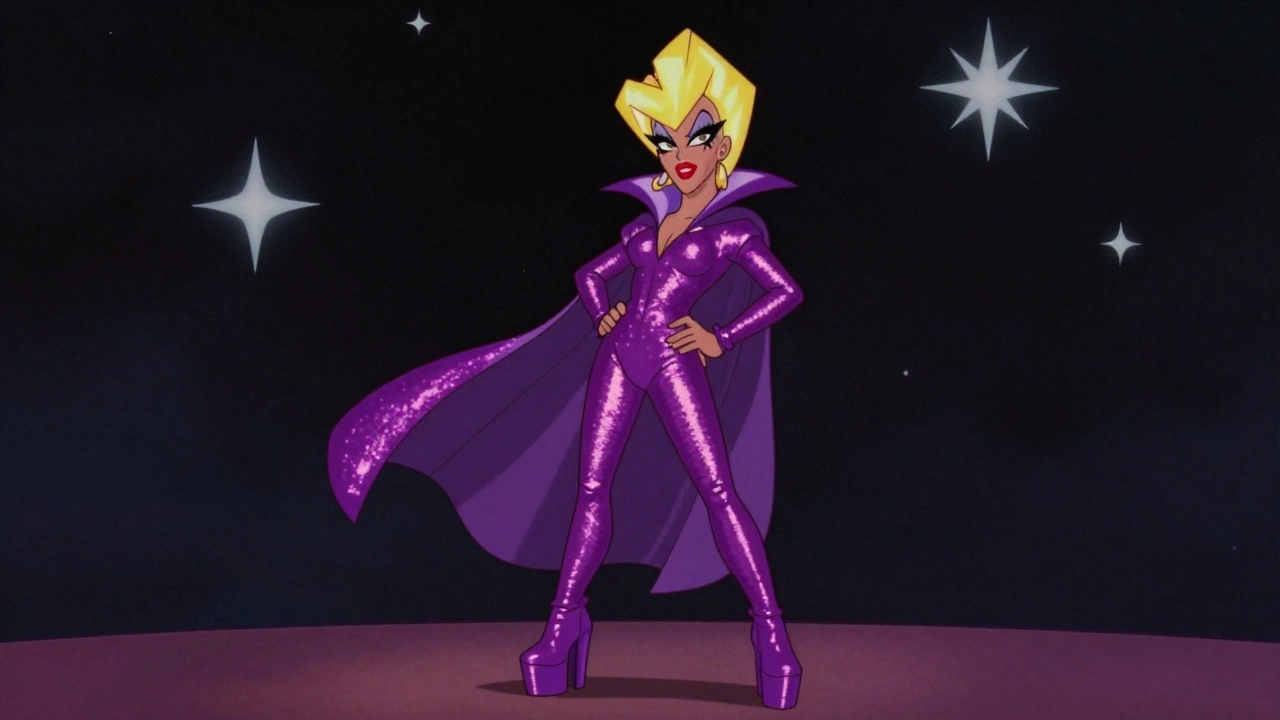

Look at a photo from 1973 and then one from 1977. The difference is jarring. In the first image, musicians are draped in sequins, wearing platform boots that add inches to their height, and sporting heavy eyeliner. They look like aliens who landed on Earth to sing pop songs. In the second image, the same stage looks like a war zone. Clothes are ripped, held together by safety pins, and covered in aggressive slogans. The makeup is smeared or gone entirely. This wasn't just a change in wardrobe; it was a cultural explosion.
The transition from glam rock, which dominated the early 1970s, to punk rock, which took over by the late 1970s, is often described as a clean break. Critics love to say punk killed glam. But if you look closer at the years between 1974 and 1979, you see something more interesting. It wasn’t a murder; it was a mutation. Punk didn’t invent rebellion from scratch. It borrowed heavily from glam’s visual language-specifically its gender-bending and theatricality-and stripped away the polish to create something rawer, cheaper, and angrier.
The Peak of Glitter: Glam Rock Defined
To understand where punk came from, you have to understand what it reacted against. Glam rock emerged in the UK around 1971-1972. It was a style that merged hard-rock guitar riffs with catchy pop hooks, but its real identity was visual. Bands like T. Rex, led by Marc Bolan, and David Bowie didn't just play music; they performed characters.
The aesthetic was meticulous. Think tight satin suits, capes, and jumpsuits made of lamé. The colors were metallic and bright. Hair was styled into elaborate shapes, often dyed unnatural colors. Makeup was essential, not optional. Male performers wore lipstick and heavy eye shadow to blur gender lines, promoting a theme of androgyny and fantasy. The stage persona was that of an alien starman or a decadent dandy. It was expensive, polished, and highly constructed. Concerts felt like narrative spectacles, complete with lighting rigs and choreography.
This "glitter rock" era peaked around 1972-1973. It was vibrant and dominant. However, by 1974, the novelty was wearing off for many fans. The music industry was becoming bloated, and the economic climate in the UK and US was worsening. Young people who had grown up idolizing these glittering stars were now entering adulthood in a world that felt gritty and unstable. The shiny facade of glam no longer matched their reality.
The Bridge: Hybrid Acts and the Punk Edge
History rarely changes overnight. Between the high-gloss glam of 1973 and the raw punk of 1976, there was a crucial bridge period. Several bands occupied this space, mixing glam’s visuals with a rougher musical attitude. These hybrid acts proved that the transition was evolutionary, not revolutionary.
The most famous example is the New York Dolls. Active from 1971, they released their debut album in 1973. They looked like glam stars-wearing high-heeled boots, satin shirts, and heavy makeup-but they played with a sloppy, aggressive energy that glam bands avoided. Their sound was raw, loud, and unpolished. They brought a "punk edge" to the glam aesthetic before the term "punk" was widely used in rock criticism.
Another key figure was Alice Cooper. While often categorized under shock rock, his early 1970s work fused glam theatrics with horror imagery. By 1973-1974, he was intensifying the darkness and aggression in his performances. This showed that some artists were already moving away from pure fantasy toward something more confrontational. These acts demonstrated that you could keep the visual drama of glam while rejecting its melodic sweetness. This combination became the blueprint for the next wave.
Stripping Down: The Birth of Punk Aesthetics
By 1975-1976, the first wave of punk coalesced in London and New York. Bands like the Sex Pistols and the Ramones rejected the virtuosity and production values of mainstream rock. Visually, they rejected the expense of glam. If glam was about looking rich and otherworldly, punk was about looking poor and street-level.
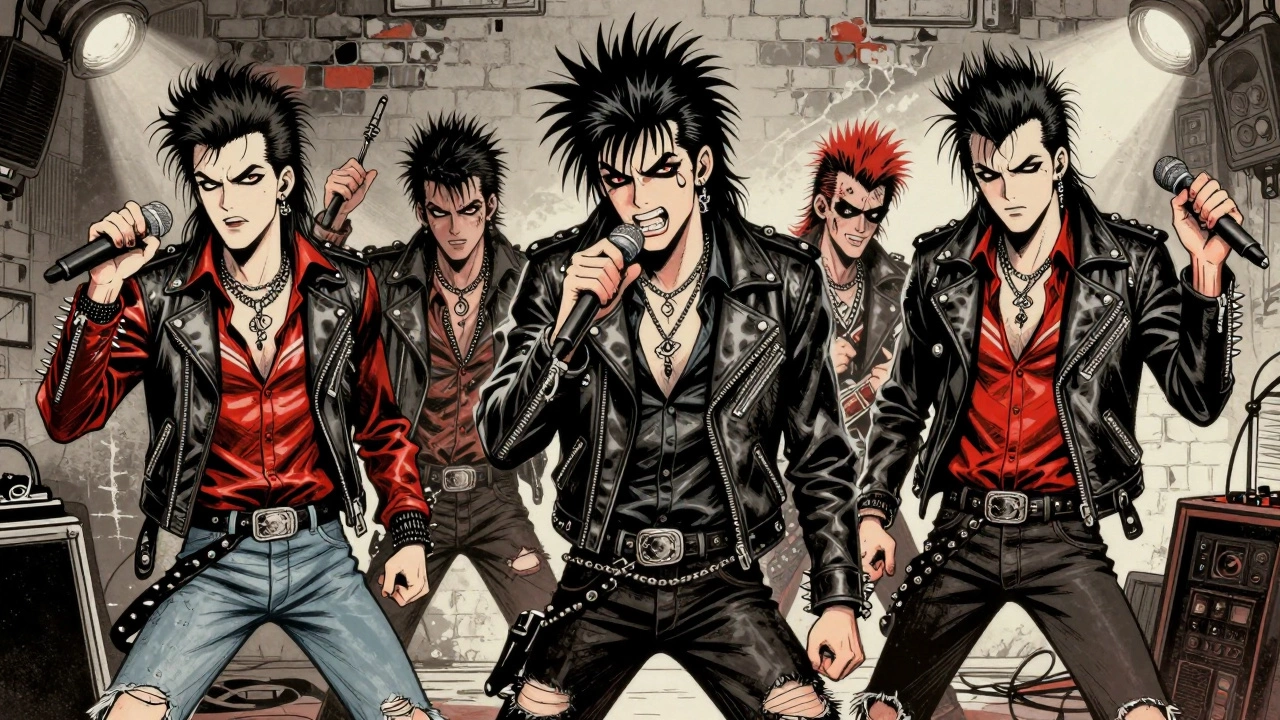
The core of the punk aesthetic was DIY (Do It Yourself). Instead of buying expensive costumes, fans and musicians tore up old clothes. Ripped jeans became standard. Leather jackets were customized with studs and spikes. T-shirts featured provocative slogans, often stenciled by hand. Safety pins were used not just as jewelry but to hold clothing together, turning necessity into style. The color palette shifted from bright metallics to dark tones-black, gray, and dark red-with occasional bright accents from accessories.
Hair changed too. The styled, dyed locks of glam gave way to spiked, messy cuts. Some dye remained, but the precision was gone. Makeup varied; while some scenes later reintroduced heavy eye makeup (influencing goth and post-punk), the initial punk look often toned down the cosmetic sheen in favor of a disheveled appearance. The stage persona shifted from the distant alien star to the confrontational anti-hero. Performances were direct, hostile, and intimate, taking place in small clubs rather than grand theaters.
Continuity vs. Change: What Punk Kept from Glam
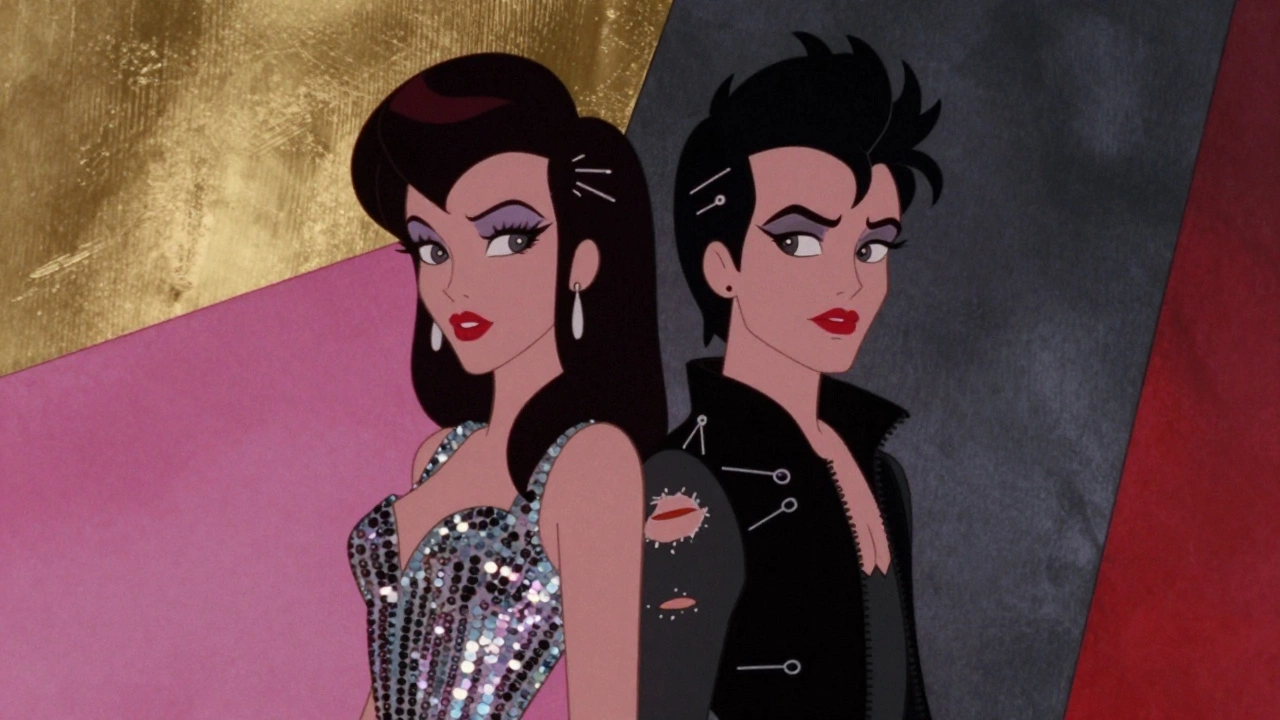
Despite the stark differences, punk did not abandon all aspects of glam. In fact, it retained and repurposed two key elements: androgyny and theatricality.
Glam had introduced the idea that men could wear makeup and challenge traditional gender norms. Punk kept this concept but stripped it of its glamour. Where glam androgyny was elegant and stylized, punk androgyny was aggressive and nonconformist. It wasn't about being beautiful; it was about being different and defiant. This continuity is evident in the way many punk icons, like Sid Vicious or members of the Ramones, maintained a distinct visual identity that drew attention to their bodies and faces, even if the execution was rougher.
Theatricality also survived. Punk shows were still performances, not just concerts. The audience interaction, the shock value, and the creation of a distinct subcultural identity were all inherited from glam. Punk simply changed the script from fantasy to urban realism. Themes of alienation and outsider status, central to glam lyrics, reappeared in punk but were framed through anger and social critique rather than irony or escapism.
| Aspect | Early-1970s Glam Rock (c. 1971-1975) | Late-1970s Punk Rock (c. 1976-1979) |
|---|---|---|
| Silhouette & Clothing | Tight satin/lamé suits, capes, platform boots, glittery jumpsuits. Extravagant and over-the-top. | Ripped jeans, bondage trousers, slogan T-shirts, leather jackets. Street-level, DIY look. |
| Color & Materials | Metallic fabrics, bright colors, sequins, glitter. Polished and shiny. | Dark palettes (black, gray, dark red), worn materials, safety pins. Emphasis on tear and wear. |
| Hair & Makeup | Styled, dyed hair. Heavy makeup (eyeliner, lipstick) on males. Androgynous elegance. | Spiked, messy hair. Minimal or smeared makeup. Aggressive nonconformity. |
| Stage Persona | Constructed alter egos (aliens, dandies). Theatrical spectacle. | Confrontational, anti-virtuoso. Direct, hostile contact with audience. |
| Themes | Fantasy, stardom, androgyny. Stylized rebellion. | Anger, social critique, nihilism, urban realism. Raw alienation. |
The Legacy: From Punk to Post-Punk and Beyond
The glam-to-punk transition was not the end of the story. It set the stage for further mutations in rock aesthetics. Because punk retained glam’s interest in visual identity and gender fluidity, it paved the way for post-punk and gothic rock in the late 1970s and early 1980s. These genres took the darkened, dramatic elements of both glam and punk and refined them into new styles.
Later, in the 1980s, glam metal would emerge, effectively reversing the process by bringing back the shine and hooks of glam but with the harder edge of punk-influenced hard rock. This shows that the relationship between glam and punk was never a simple replacement. It was a dynamic exchange. Glam provided the visual vocabulary; punk provided the attitude and accessibility. Together, they created a lineage of rock styles that prioritized image and identity as much as music.
Understanding this shift helps us see rock history not as a series of isolated genres, but as a continuous conversation. The safety pin and the platform boot are not opposites; they are siblings in the family of rock rebellion. One shouted in glitter, the other in grit, but both demanded to be seen.
Did punk completely reject glam rock?
No. While punk rejected the polished, expensive aesthetic of glam, it retained key elements like androgyny, theatricality, and gender-bending fashion. Punk stripped away the glamour but kept the rebellious visual language, adapting it to a DIY, street-level context.
Which bands bridged the gap between glam and punk?
The New York Dolls are the most prominent example, combining glam fashion with a raw, sloppy musical style. Alice Cooper also played a role by introducing darker, more aggressive themes and shock rock elements that influenced punk's confrontational approach.
When did the shift from glam to punk happen?
The transition occurred roughly between 1974 and 1979. Glam peaked around 1972-1973, began declining by 1974-1975, and punk emerged as a dominant force by 1976-1977. Hybrid acts existed throughout this period, blurring the lines between the two styles.
What was the main visual difference between glam and punk?
Glam emphasized polished, expensive costumes with glitter, sequins, and platform shoes. Punk emphasized a DIY aesthetic with ripped clothing, safety pins, leather jackets, and a darker, more worn-out look. Glam was about fantasy and shine; punk was about reality and grit.
How did glam influence later genres beyond punk?
Glam directly influenced post-punk, gothic rock, and glam metal. Its focus on visual identity, gender fluidity, and theatrical performance became foundational for these subsequent styles, which adapted glam's aesthetics to fit new musical and cultural contexts.