
There is a specific sound that defines the golden era of American soul. It’s not just the rhythm section or the horn arrangements. It’s the way a lead voice floats above a bed of male backing vocals, creating a conversation that feels like a secret being shared in a crowded room. When you hear Gladys Knight and the Pips, you aren't just listening to a song; you are witnessing a masterclass in emotional storytelling. Their ability to blend gospel fervor with pop polish created what fans and critics call "soul perfection." But how did a family group from Atlanta achieve this level of sonic precision?
The Family Roots of a Soul Dynasty
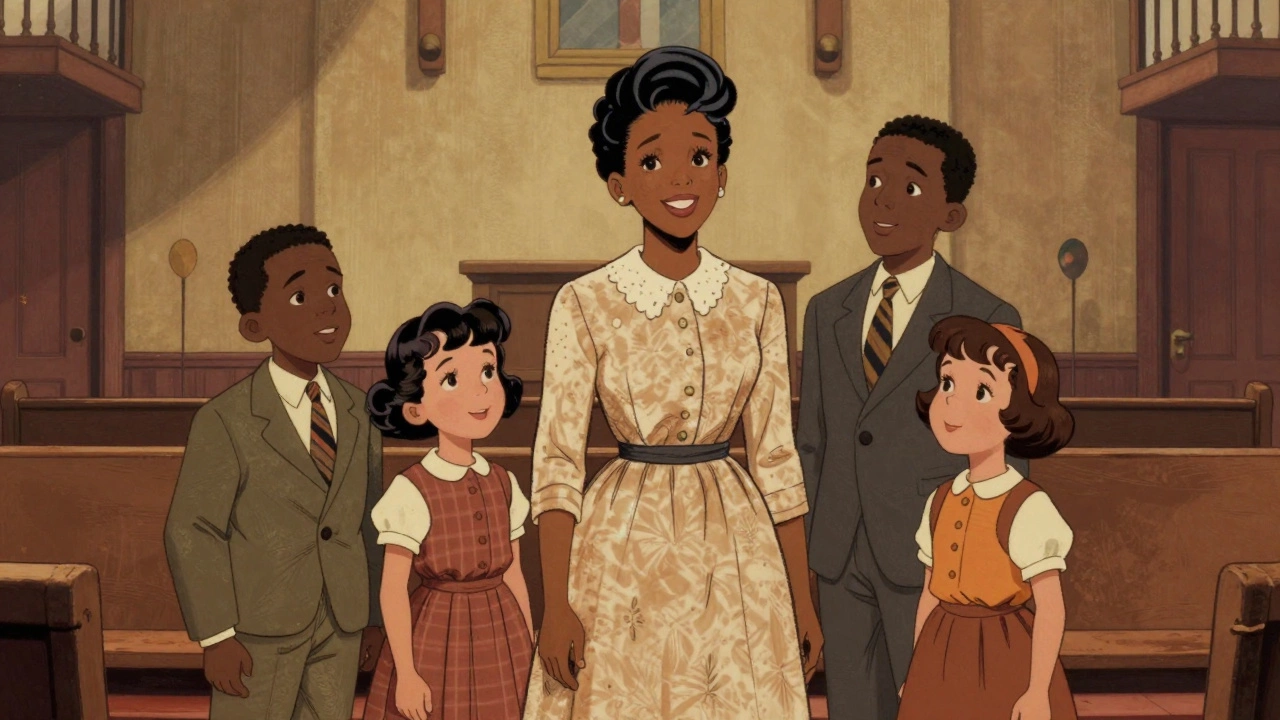
To understand the magic of their harmonies, you have to look at where they started. This wasn't a group formed in a recording studio by executives looking for a quick hit. Gladys Maria Knight was born on May 28, 1944, in Atlanta, Georgia. She began singing professionally at age seven, winning a national competition on Ted Mack’s Amateur Hour. By 1952, she was performing with her brother Merald "Bubba" Knight, sister Brenda Knight, and cousins Eleanor Guest and William Guest. They originally called themselves "The Pips," named after their cousin James "Pip" Woods, who managed them early on.
This family dynamic was crucial. Singing together since childhood meant their voices were naturally attuned to one another. They honed their craft on the segregated "Chitlin’ Circuit," playing churches and clubs across the South. This environment demanded tight choreography and flawless vocals because the audiences were tough and knowledgeable. The classic lineup that would define their sound solidified in the early 1960s, featuring Gladys as the lead, with Bubba Knight, William Guest, and Edward Patten providing the backing vocals. This configuration-one female lead surrounded by three male harmonizers-was rare and distinctive for the time.
Motown Polish Meets Gospel Fire
In 1966, the group signed with Motown Records, the legendary Detroit-based label founded by Berry Gordy. This move changed everything. Before Motown, they had hits like "Every Beat of My Heart" (1961), but the label provided the resources to refine their sound into something truly polished. Producer Norman Whitfield played a key role here. He helped craft tracks like "I Heard It Through the Grapevine" (1967) and "The Nitty Gritty" (1968).
Their version of "I Heard It Through the Grapevine" is a perfect example of their early style. Recorded before Marvin Gaye’s famous slow ballad version, the Pips’ take was faster, harder, and deeply rooted in gospel energy. It sold 2.5 million copies and hit number one on the R&B chart. What made it work? Gladys’s powerful, church-trained lead voice cut through the mix, while the Pips provided rhythmic, syncopated backing vocals that acted almost like percussion. They weren’t just singing harmony; they were interacting with the lead, answering her phrases with shouts and chords. This call-and-response technique is central to African American musical traditions, from field hollers to blues, and the group mastered it.
Anatomy of the Perfect Harmony
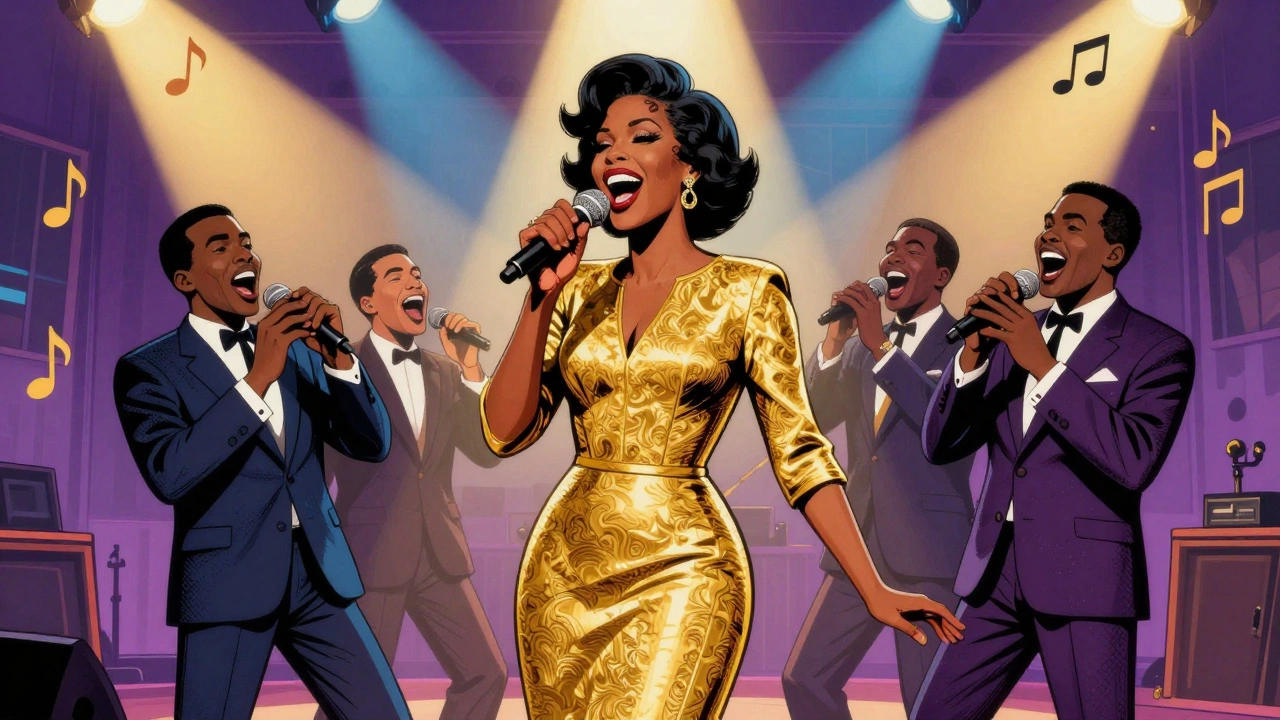
So, what exactly makes their harmonies so effective? It comes down to texture and restraint. In many soul groups, the backing singers compete with the lead. With Gladys Knight & the Pips, the men frame her. Listen to "Neither One of Us (Wants to Be the First to Say Goodbye)" (1973). During the verses, the Pips drop out, leaving Gladys alone with her narrative. When the chorus hits, they enter with close-voiced triads-three notes sung closely together-that thicken the sound without overpowering her melody.
This technique creates dynamic contrast. The silence before the harmony makes the harmony feel more impactful. In uptempo songs like "If I Were Your Woman" (1970), the Pips use staccato, rhythmic punctuations on the off-beats. This adds energy and drive, pushing the song forward while Gladys delivers ad-lib runs over the top. The result is a four-part texture that feels both complex and simple. It’s disciplined, rehearsed, yet emotionally raw. Critics often describe this as "soul perfection" because it balances technical precision with genuine feeling.
| Year | Song | Peak Pop Chart | Significance |
|---|---|---|---|
| 1961 | Every Beat of My Heart | #14 | First major hit; established the group name |
| 1967 | I Heard It Through the Grapevine | #2 | Breakthrough at Motown; 2.5 million sales |
| 1970 | If I Were Your Woman | #13 | Showcased narrative depth and harmonic interplay |
| 1973 | Midnight Train to Georgia | #1 | Signature ballad; defined 70s soft soul |
| 1973 | Neither One of Us | #2 | Grammy-winning single; peak harmonic sophistication |
Storytelling Beyond the Notes
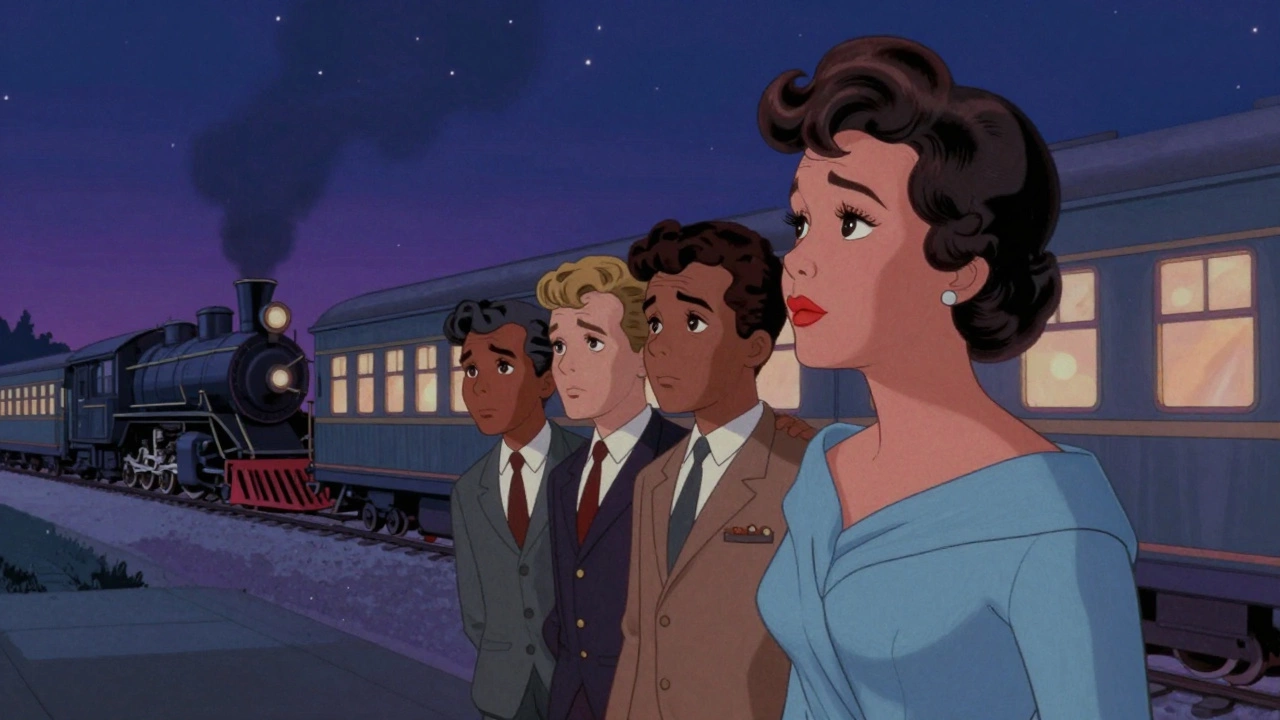
One of the most unique aspects of Gladys Knight & the Pips is their approach to lyrics. Unlike some contemporary groups that focused on abstract love or dance moves, they told detailed stories. "Midnight Train to Georgia" (1973) is essentially a short story set to music. It features a man convincing his girlfriend to leave her job and come with him to Atlanta, only for her to realize he has no plan and send him back on the midnight train.
The Pips’ harmonies act as the conscience or the community reacting to this drama. They don’t just sing backup; they provide emotional context. When Gladys sings about disappointment, their chords swell with sympathy. This gendered dynamic-a female lead supported by male voices-also flipped the script of the 1960s soul scene. While groups like The Temptations featured male leads with female backups, Gladys Knight & the Pips presented a woman’s perspective backed by a male chorus that offered support rather than competition. This allowed for more intimate, nuanced narratives about relationships, heartbreak, and resilience.
Legacy and the Empress of Soul
The group’s success was staggering. Between 1961 and 1977, they scored 24 Top 40 hits on U.S. charts. They won multiple Grammy Awards, including one for "Neither One of Us" in 1973. In 1996, they were inducted into the Rock & Roll Hall of Fame, cementing their status as icons of American music. Even after the Pips retired in 1989, Gladys Knight continued her career as a solo artist, earning the title "Empress of Soul."
Today, their influence is still felt in modern R&B and pop. Artists who value strong vocal performances and intricate harmonies often cite the Pips as an inspiration. Their catalog remains popular on streaming platforms, introducing new generations to their sophisticated arrangements. The phrase "soul perfection" isn’t just marketing hype; it’s a recognition of their ability to merge the spiritual intensity of gospel with the commercial appeal of pop, all while maintaining a unique family identity. If you want to understand the power of vocal harmony, start with their discography. You’ll hear every nuance, every emotion, and every note placed with intention.
Frequently Asked Questions
Who were the members of Gladys Knight & the Pips?
The classic lineup consisted of Gladys Knight (lead vocals), her brother Merald "Bubba" Knight (bass/baritone), and cousins William Guest and Edward Patten (tenor/alto). They were joined earlier by Brenda Knight and Eleanor Guest, but the four-member quartet defined their most successful era.
Why are their harmonies considered so special?
Their harmonies are praised for their precision, emotional resonance, and structural role. The Pips used close-voiced chords and call-and-response techniques to frame Gladys’s lead, creating a dialogue rather than just background noise. This balance of gospel roots and pop polish created a unique, lush sound.
What is their biggest hit?
While they had many hits, "Midnight Train to Georgia" (1973) is often cited as their signature song, reaching number one on the Billboard Hot 100. "I Heard It Through the Grapevine" (1967) was also massive, selling 2.5 million copies and hitting number one on the R&B chart.
Did Gladys Knight & the Pips win any Grammy Awards?
Yes, the group won several Grammy Awards during their career. Notably, they won Best R&B Performance by a Duo or Group with Vocal for "Neither One of Us (Wants to Be the First to Say Goodbye)" in 1973. Gladys Knight has won a total of seven Grammys throughout her career.
When did the group disband?
The Pips officially retired in 1989 after nearly 40 years of performing together. Gladys Knight continued her career as a solo artist. The group was inducted into the Rock & Roll Hall of Fame in 1996.


