
There was a moment in late 1987 when the world couldn’t escape George Michael. He wasn’t just singing on the radio; he was staring out from every MTV screen, wearing leather jackets that looked like they belonged to a rock god, not a former boy-band member. This period, known as the Faith era, is defined by the release of his debut solo album Faith in October 1987 and lasted until roughly 1990. It was a time of massive commercial success, intense media scrutiny, and a carefully constructed image that would soon become suffocating for the man behind it.
The transition from Wham! to solo artist wasn't just a career move; it was a rebranding exercise of epic proportions. George Michael didn't just want to be a singer; he wanted to be an icon. But icons are hard to control. As the years passed, the very image that made him a global superstar began to feel like a cage. This article breaks down how the Faith era reshaped pop culture, sparked moral panics, and ultimately led to one of the most deliberate artistic pivots in music history.
From Boy Band to Solo Superstar
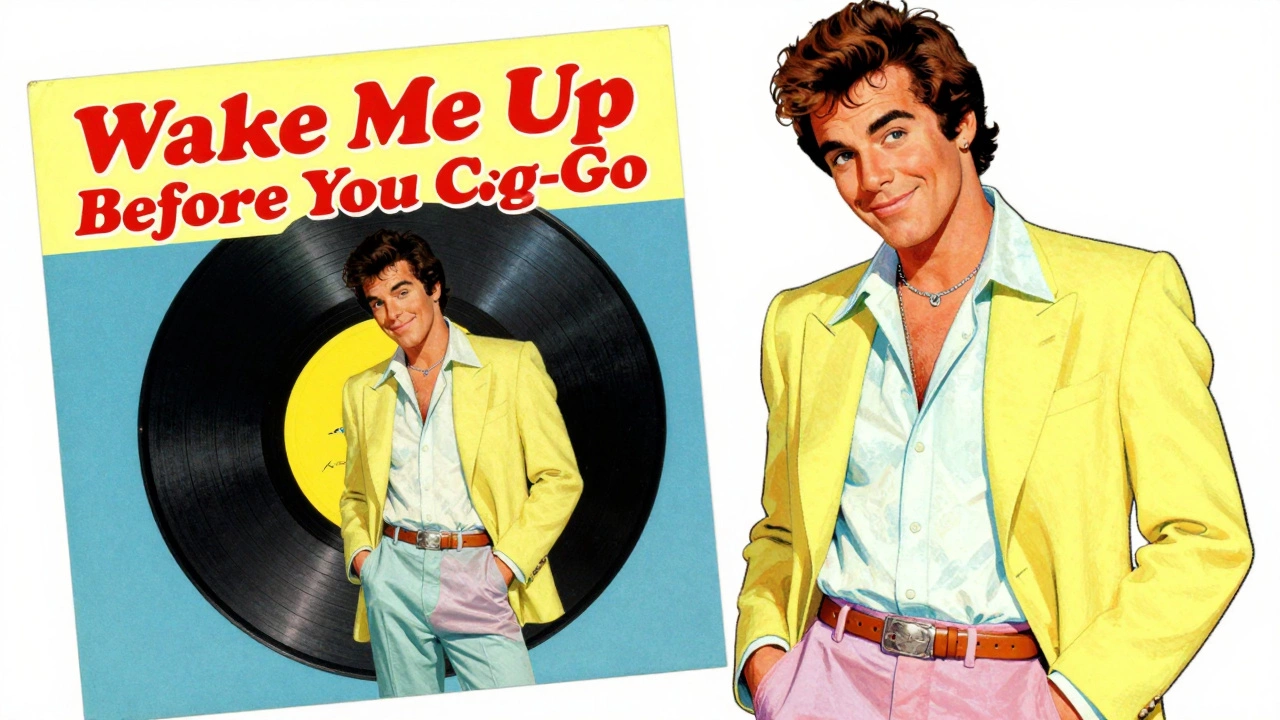
To understand the weight of the Faith era, you have to look at where George Michael started. In the early 1980s, he was half of Wham!, a duo known for bright colors, playful lyrics, and hits like "Wake Me Up Before You Go-Go." They were fun, safe, and incredibly popular. But by 1986, Wham! dissolved. Many assumed Michael would fade away or try to replicate their sound with another partner. Instead, he went completely in the opposite direction.
He chose a new visual identity. Gone were the pastel suits and shy smiles. In came the black leather, the sunglasses indoors, and a swagger that borrowed heavily from American rock and R&B legends. This wasn't accidental. It was a strategic shift designed to signal maturity and sexual confidence. The goal was to shed the "teen idol" label and be taken seriously as a soulful vocalist and songwriter. The result was an image so strong it overshadowed the music for many casual listeners, but it worked. Spectacularly.
The Commercial Explosion of Faith
Released on October 30, 1987, the album Faith was a masterclass in pop production. It blended funk, soul, and gospel influences with slick, radio-ready beats. Tracks like "Father Figure," "One More Try," and the title track "Faith" showcased Michael’s vocal range and songwriting depth. But the numbers tell the real story of its impact.
| Metric | Data Point |
|---|---|
| Peak Chart Position (US) | #1 on Billboard 200 |
| Peak Chart Position (UK) | #1 on UK Albums Chart |
| US Sales | ~10,000,000 copies (Diamond Certification) |
| Global Ranking (1987) | 4th best-selling album worldwide |
| Key Singles | I Want Your Sex, Father Figure, One More Try, Faith |
Selling ten million copies in the United States alone is rare for any album, let alone a debut solo record. Being the fourth best-selling album globally in 1987 puts Michael in the same tier as Michael Jackson and U2. This wasn't just popularity; it was ubiquity. You couldn't turn on a TV or radio without encountering his face or voice. This level of saturation created a feedback loop: the more people saw him, the more they bought the album, which fueled more promotion. But with great visibility comes great vulnerability.
I Want Your Sex and the Moral Panic
If the album was the engine, the lead single "I Want Your Sex" was the spark that lit the controversy fire. Released in June 1987, months before the album, the song’s title alone was enough to shock conservative audiences. In the mid-to-late 1980s, the cultural landscape was tense. The AIDS crisis was unfolding, and there was a growing moral panic around sexuality, particularly among young people. Any explicit mention of sex in mainstream media was viewed with suspicion.
The backlash was immediate. The BBC in the UK restricted the song to post-watershed hours (after 9 PM), effectively banning it from daytime radio. MTV in the US did the same, pushing the video into late-night slots. Some stations refused to play it entirely. Critics called it indecent and dangerous. Parents complained. Yet, George Michael defended the song fiercely. He argued that the lyrics weren't about promiscuity but about commitment and monogamy. He said it was a celebration of love within a relationship, a stance that seemed lost on regulators focused on the words rather than the context.
This controversy didn't hurt sales; it helped them. The ban created a sense of forbidden fruit. Teenagers and young adults were drawn to the rebellion. The video, featuring Michael posing confidently in various settings, became iconic. It reinforced the new image: cool, confident, and unapologetic. However, it also set up a dichotomy that would haunt him. On one hand, he projected hyper-masculine sexual confidence. On the other, the lyrics often revealed vulnerability and longing. This contrast between the tough exterior and the sensitive interior became a defining feature of his artistry, but it also fed endless speculation about his private life.
The Burden of Image Control
By 1988 and 1989, George Michael was at the peak of his power. He won Grammys, headlined stadiums, and appeared on countless magazine covers. But behind the scenes, the pressure was mounting. The image he had built-the leather-clad, sunglasses-wearing heartthrob-was becoming a prison. He felt trapped by the expectations of fans and the demands of the industry. Every move was scrutinized. Every glance was analyzed for clues about his sexuality or relationships.
Michael later described this period as exhausting. He realized that the public cared more about his appearance than his music. The "Faith" persona was a construct, a mask designed to sell records. But masks get heavy. He began to resent the superficiality of pop stardom. He wanted to be judged as a musician, not a model. This internal conflict grew stronger with each passing month. The success of Faith gave him financial freedom, but it cost him his anonymity and peace of mind. He was everywhere, yet no one knew who he really was.
The Pivot: Listen Without Prejudice Vol. 1
In September 1990, George Michael dropped a bombshell. His second solo album, Listen Without Prejudice Vol. 1, arrived with almost no marketing. There were no flashy videos featuring his face. No leather jackets. No sunglasses. The album cover featured a black-and-white photo of a crowd, deliberately obscuring his identity. It was a direct rejection of the Faith era's excesses.
This shift was radical. In an industry obsessed with visuals, Michael chose invisibility. He wanted listeners to focus on the songs, the lyrics, and his voice. The music itself was darker, more acoustic, and socially conscious. Tracks like "Praying for Time" and "Freedom! '90" reflected his desire for authenticity. It was a risky move. Labels worried it would kill his momentum. Fans were confused. But critics loved it. They recognized it as a mature artistic statement.
The contrast between the two eras is stark:
- Faith (1987): High-gloss production, bold visuals, sexual themes, massive commercial appeal, image-driven.
- Listen Without Prejudice Vol. 1 (1990): Stripped-back arrangements, anonymous imagery, introspective lyrics, critical acclaim, craft-driven.
This pivot marked the end of the Faith era. It showed that Michael was willing to sacrifice short-term fame for long-term integrity. While Listen Without Prejudice Vol. 1 didn't match Faith's sales figures, it solidified his reputation as a serious artist. It proved that he could evolve beyond the pop idol mold. For many fans, this was the moment George Michael truly came into his own.
Legacy and Re-evaluation
Today, looking back at the Faith era through the lens of history changes how we see it. The controversies that seemed so urgent in 1987 now appear as symptoms of a different time-a time when media regulation was stricter and societal attitudes toward sexuality were more rigid. The "bans" on "I Want Your Sex" are remembered less as censorship victories and more as examples of institutional fear.
Moreover, knowledge of George Michael’s later life, including his openness about his sexuality and his struggles with addiction, adds layers of meaning to the Faith persona. What once looked like pure confidence now reads as complex performance art. The leather jacket wasn't just fashion; it was armor. The ambiguity in his lyrics wasn't just poetic; it was protective. Modern audiences appreciate this nuance. They see the tension between who he was and who he pretended to be.
The Faith era remains central to his legacy because it represents the height of 1980s pop excess. It captures the energy, the glamour, and the contradictions of that decade. It also serves as a cautionary tale about the costs of fame. George Michael achieved everything he thought he wanted, only to realize it wasn't enough. His journey from Faith to Listen Without Prejudice Vol. 1 is a story of self-discovery, resilience, and the courage to change course when the path no longer leads home.
Why was "I Want Your Sex" controversial in 1987?
The song faced backlash due to its explicit title and lyrical content during a period of heightened moral anxiety surrounding the AIDS crisis. Broadcasters like the BBC and MTV restricted airplay to late-night slots, fearing it promoted promiscuity, though Michael argued it celebrated monogamous love.
How did George Michael's image change after the Faith era?
After the highly stylized, leather-clad image of the Faith era, Michael shifted to a more austere and anonymous presentation for Listen Without Prejudice Vol. 1. He avoided appearing in promotional photos and videos, focusing instead on musical craftsmanship over celebrity branding.
Did the controversy hurt Faith's sales?
No, the controversy likely boosted sales. The restrictions created a "forbidden fruit" effect, drawing more attention to the album. Faith sold approximately 10 million copies in the US and ranked as the 4th best-selling album globally in 1987.
What is the significance of Listen Without Prejudice Vol. 1?
It marked a deliberate break from the pop-idol image of the Faith era. By removing his face from marketing and focusing on acoustic, introspective music, Michael prioritized artistic integrity over commercial appeal, signaling his desire to be judged as a musician rather than a celebrity.
How does modern culture view the Faith era today?
Modern audiences view the Faith era with nostalgia but also deeper understanding. Knowing Michael's later life reveals the persona as a protective mask. The era is seen as a product of its time, reflecting 1980s tensions around sexuality and media regulation, while acknowledging Michael's eventual quest for authenticity.