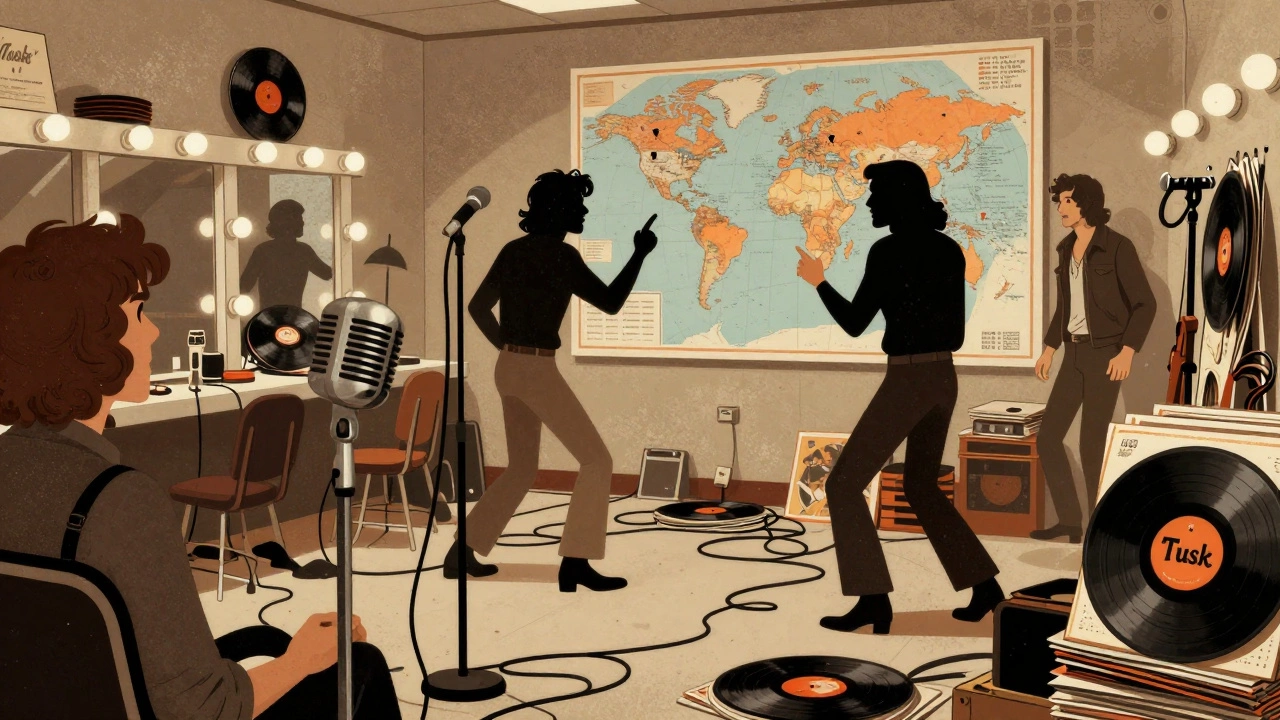

Imagine spending $30,000 a day just to keep a band on the road. That was reality for Fleetwood Mac, who launched their Tusk Tour in late 1979 to promote their experimental double album "Tusk". While most bands are happy to sell out arenas with a greatest-hits package, Fleetwood Mac decided to do something much riskier. They took an unproven, jagged, and expensive new record and forced it onto stages across three continents. The result wasn't just a concert series; it was a massive display of 1980s excess, artistic ego, and financial gamble that changed how we look at stadium rock.
The Stakes Were Higher Than Ever
To understand why the Tusk Tour felt so heavy with tension, you have to look at what came before. The band had just released Rumours, which became one of the best-selling albums of all time, selling over 40 million copies worldwide. Expectations were sky-high. When they dropped Tusk, a sprawling double album featuring tribal percussion, acoustic experiments, and dark lyrics, the industry held its breath.
The studio costs for Tusk hit approximately $1.4 million-a staggering sum in 1979, equivalent to nearly $6 million today. It was the most expensive rock album recorded up to that point. To recoup those losses, the tour couldn't be small. It had to be huge. But instead of playing safe, the band committed to a grueling schedule of 112 dates between October 1979 and September 1980. They opened in Pocatello, Idaho, and closed at the Hollywood Bowl, turning the entire globe into their stage. This wasn't just about paying back the bank; it was about proving that the band could survive without the safety net of their previous hits.
A Masterclass in Rock Star Excess
If you think modern tours are lavish, wait until you hear about the logistics of the Tusk era. The daily operating budget alone sat between $25,000 and $30,000 per day. That money covered crew wages, arena rentals, transport, and production overhead. But the real story is in the details of personal luxury.
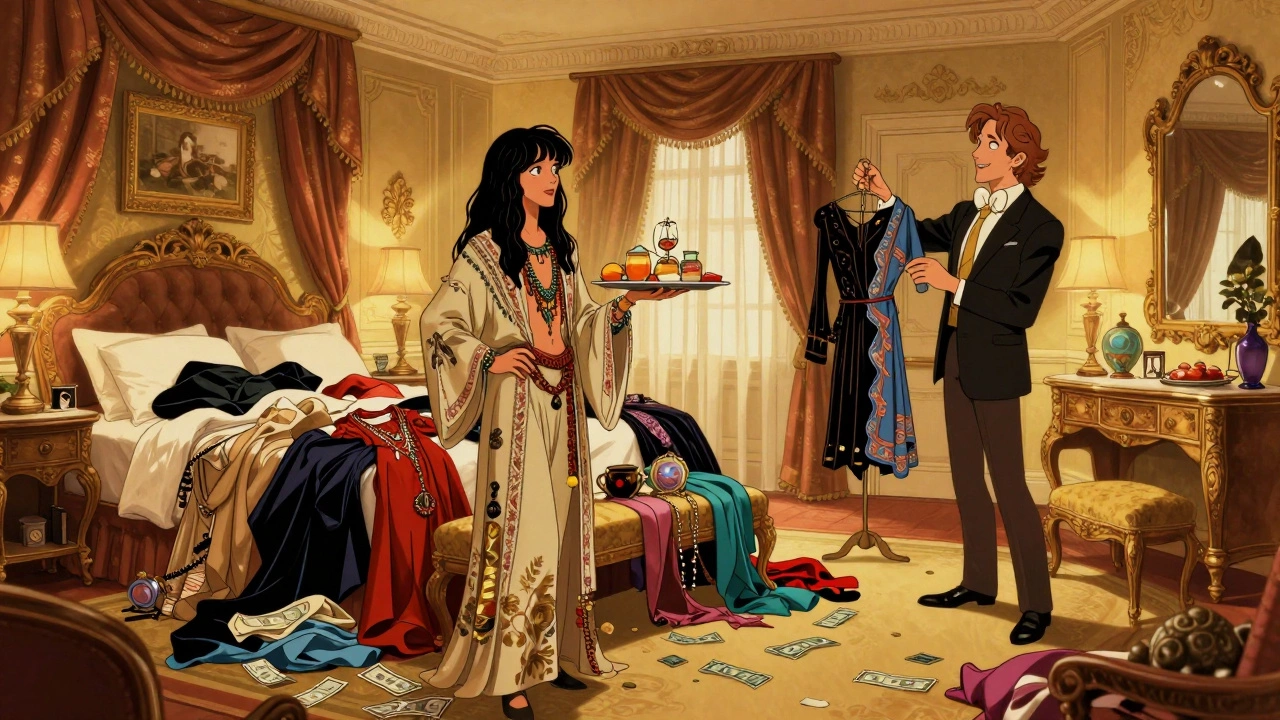
Each principal member traveled in separate limousines-except for John McVie and Mick Fleetwood, who shared rides. Stevie Nicks didn't just stay in hotels; she had specially painted and furnished suites designed specifically for her aesthetic. There were private jets, custom stage outfits, and luxury backstage catering that would make a five-star hotel jealous. Why go to such lengths? Because the band members were living in different worlds. Lindsey Buckingham wanted avant-garde art. Stevie Nicks wanted mystical drama. Christine McVie wanted polished pop perfection. The excess wasn't just vanity; it was a way to maintain their individual identities while being trapped in the same bus.
| Metric | 1979-1980 Value | Context / Impact |
|---|---|---|
| Album Production Cost | $1.4 Million | Most expensive rock album at the time |
| Daily Tour Budget | $25,000 - $30,000 | Covered crew, travel, and venue fees |
| Total Shows | 112 Dates | Spanned North America, Europe, and Australasia |
| Tusk Album Sales | ~4 Million Worldwide | Considered a disappointment compared to Rumours |
Risking It All on New Material
Here is where the ambition really shows. Most headliners play their hits to please the crowd. Fleetwood Mac did the opposite. Lindsey Buckingham insisted on presenting around 18 new songs from Tusk in a concentrated form during each show. He warned audiences that this opportunity might never happen again.
The setlists were long and demanding, often running 20 to 23 songs per night. You’d hear staples like "The Chain," "Dreams," and "Go Your Own Way," but they were sandwiched between deep cuts like "Not That Funny," "Save Me a Place," and "What Makes You Think You’re the One." About half the show was dedicated to material people hadn’t heard on the radio yet. Some critics praised this artistic integrity. Others thought it tested the patience of arena audiences who just wanted to sing along to "Don’t Stop." It was a high-wire act that kept everyone guessing.
Documenting Every Moment
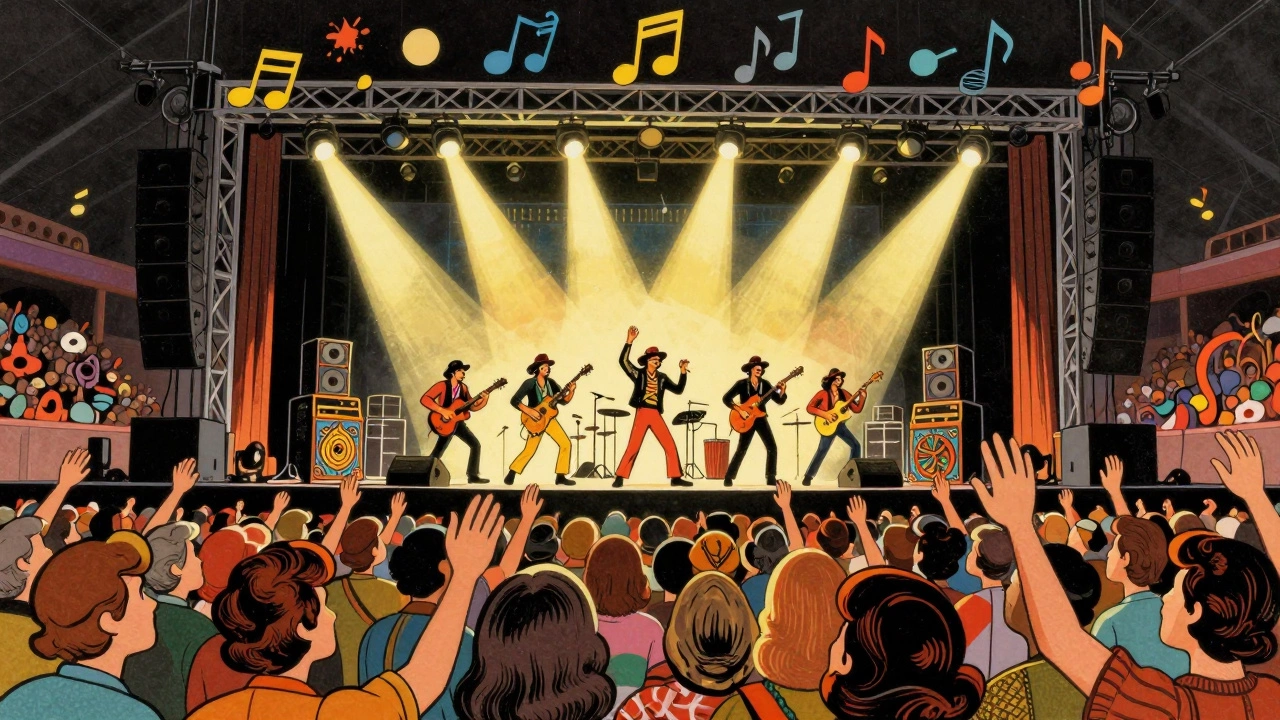
The band didn't just perform; they archived. They filmed and recorded virtually every single show on the tour. This generated hundreds of hours of multitrack audio and video. Why? Because they knew this era was fragile. The interpersonal tensions were high. Buckingham and Nicks were barely speaking offstage, yet their musical chemistry remained electric onstage.
This documentation became the backbone of their 1980 live album, Fleetwood Mac Live, which captured the rawer, more aggressive sound of the band in large arenas compared to the polished studio sheen of Rumours. Tracks like "Over & Over" and "Dreams" sounded different live-grittier and more urgent. By recording everything, they ensured that even if the tour failed commercially, the artistic statement would survive. It also provided a treasure trove for fans decades later, allowing us to hear exactly how the band evolved night by night.
The Verdict: A Flawed Masterpiece?
Did the Tusk Tour succeed? Financially, it was complicated. Tusk sold roughly 4 million copies worldwide, peaking at number 4 on the Billboard chart. For any other band, that’s a massive win. For Fleetwood Mac, coming off Rumours’ 10 million-plus U.S. sales, it felt like a letdown. Executives and some critics branded it a commercial disappointment relative to its cost.
But culturally? It was groundbreaking. The tour anticipated the modern era of superstar touring, where elaborate stagecraft, VIP experiences, and long residencies became the norm. It showed that a band could push boundaries, spend extravagantly, and still connect with millions of fans. Today, tribute acts like "Tusk: The Classic Fleetwood Mac Tribute" keep these songs alive, recreating the distinct hairstyles, clothing, and stage movements from that era. Even Stevie Nicks has revisited deeper cuts like "Angel" in recent years, signaling a renewed appreciation for the bold choices made during those 112 nights. The excess was real, but so was the art.
How many shows were on the Fleetwood Mac Tusk Tour?
The Tusk Tour consisted of 112 dates performed between October 26, 1979, and September 1, 1980. These shows spanned multiple legs across North America, Europe, and Australasia, making it one of the band's longest continuous touring campaigns.
Why was the Tusk Tour considered so expensive?
The tour had a daily operating budget of $25,000 to $30,000 (in 1979-1980 dollars) to cover crew wages, arena rentals, transport, and production. Additionally, the band indulged in significant personal luxuries, including private jets, separate limousines for members, and specially decorated hotel suites, contributing to the narrative of rock star excess.
Did Fleetwood Mac play mostly new songs on the Tusk Tour?
Yes, surprisingly so. Lindsey Buckingham insisted on including around 18 new songs from the Tusk album in the setlist. Approximately half of each show was dedicated to this new, often more experimental material, alongside established hits like "The Chain" and "Dreams."
Was the Tusk Tour a commercial success?
Compared to the unprecedented success of the preceding Rumours album, Tusk was seen as a commercial underperformer. It sold about 4 million copies worldwide and peaked at number 4 on the charts, which fell short of expectations given the $1.4 million production cost and massive tour investment.
Is there a live album from the Tusk Tour?
Yes, the band recorded and filmed virtually every show, using much of this footage and audio for the 1980 release Fleetwood Mac Live. This album captures the rawer, more aggressive live sound of the band during this period, featuring tracks like "Over & Over" and "Dreams."