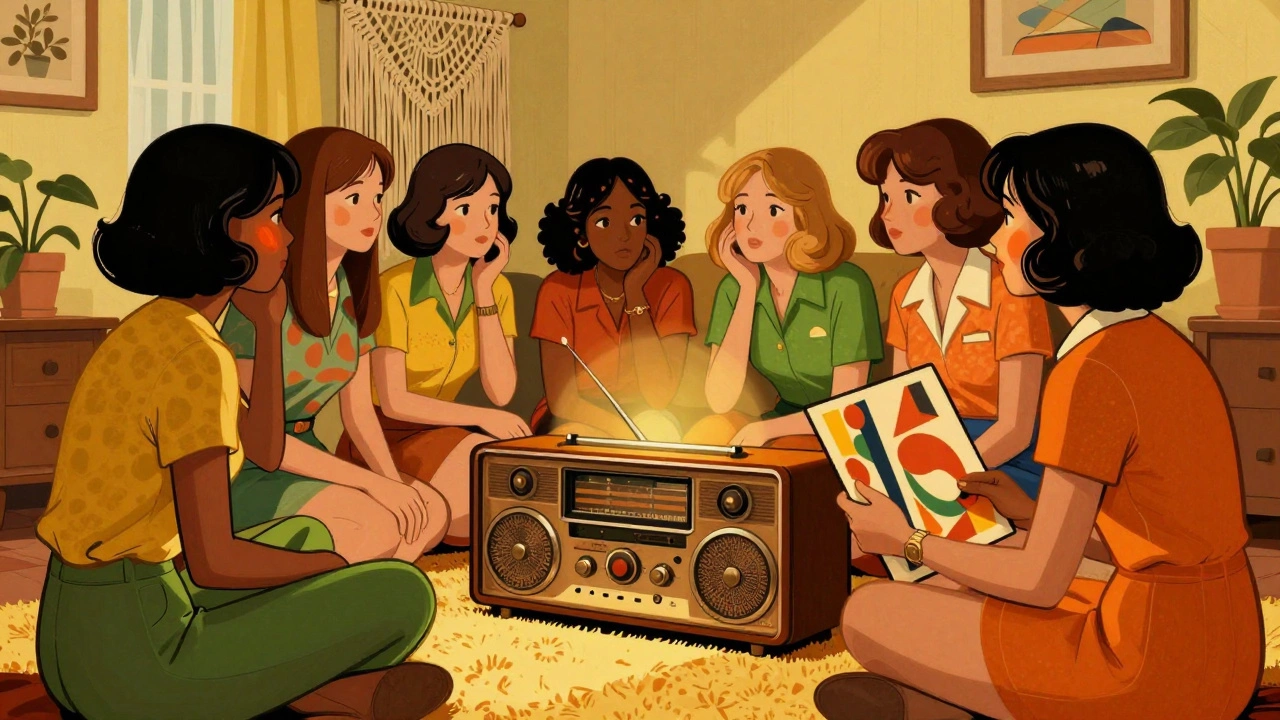

Pop music in the 1970s was not just about catchy hooks or disco beats. It was a battleground for ideas. If you were listening to the radio back then, you heard songs that demanded respect, questioned gender roles, and celebrated female independence. This era marked a turning point where music became a primary tool for the Women’s Liberation Movement, which used song as a way to organize, educate, and empower women across the United States.
The connection between politics and melody was direct. Artists didn't hide their beliefs behind vague lyrics. They wrote explicitly about workplace discrimination, sexual autonomy, and the fight against patriarchy. Whether it was a mainstream pop hit topping the charts or an underground folk record sold by mail order, the message was clear: women were taking control of their narratives.
The Rise of Mainstream Feminist Anthems
You don’t have to dig deep into obscure archives to find feminist themes from the 1970s. Some of the biggest hits of the decade carried heavy political weight. These songs reached millions of listeners who might not have attended a protest but still absorbed the message of equality through their car radios.
Take Aretha Franklin’s cover of "Respect." Originally written by Otis Redding in 1965 as a request for his wife to show him some love, Franklin flipped the script entirely when she recorded it in 1967. By the time the 1970s rolled around, this track had become the definitive anthem for both civil rights and women’s rights. Franklin wasn't asking for permission; she was demanding what was owed to her. The demand for financial respect-"pay me all my money baby"-resonated deeply with women entering the workforce and fighting for equal pay.
Then there is Helen Reddy’s "I Am Woman," released in 1972. This song is often cited as the most direct musical expression of second-wave feminism. Reddy, an Australian singer and activist, wrote the lyrics to reflect the collective strength of women. When she sings, "I am strong, I am invincible, I am woman," she is rejecting the fragile stereotypes that dominated media images of women at the time. The song topped the Billboard Hot 100, proving that a message of empowerment could be commercially successful without diluting its political edge.
| Song Title | Artist | Year Released | Core Theme |
|---|---|---|---|
| Respect | Aretha Franklin | 1967 (Peak impact in 70s) | Demanding dignity and financial equality |
| I Am Woman | Helen Reddy | 1972 | Female strength and resilience |
| You Don't Own Me | Lesley Gore (Original) / Joan Jett (Cover) | 1963 / 1980 | Rejection of patriarchal control |
Another crucial track is Lesley Gore’s "You Don't Own Me." Although recorded in 1963, it gained new life during the 1970s as young feminists adopted it as a slogan. The lyrics address a controlling boyfriend directly, asserting that a woman has the right to make her own choices. Later covers by rock artists like Joan Jett kept this message alive, bridging the gap between early pop protests and the harder-edged rock sounds of the late 70s and 80s.
The Underground: Women's Music and Lesbian Identity
While mainstream artists navigated corporate radio, a more radical scene was brewing outside the industry. This was the birth of "women's music," a term that emerged in the early 1970s. Initially, it served as a euphemism for lesbian music, providing a safe space for queer women to express themselves away from the misogyny and homophobia of the mainstream.
Olivia Records, founded in 1973, stands out as the cornerstone of this movement. It was the first national women’s music label, created by a collective of women who wanted full control over production, distribution, and profits. Before Olivia, women artists struggled to get airplay or fair contracts from male-dominated record companies. Olivia changed that dynamic completely.
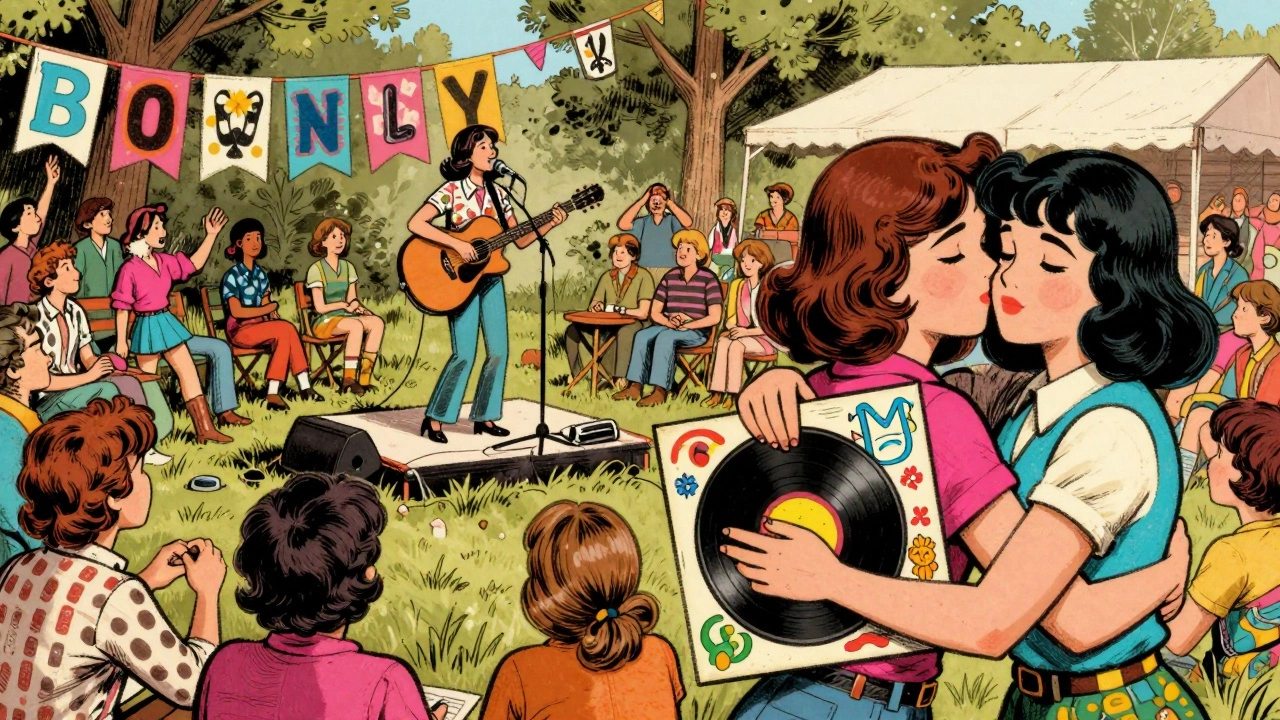
The first album released by Olivia was Meg Christian’s "I Know You Know" in 1974. Tracks like "Sweet Darling Woman" and "Ode to a Gym Teacher" brought explicitly lesbian themes into living rooms and house parties across the country. These weren't subtle hints; they were open celebrations of female desire and community. For many listeners, hearing these stories validated experiences that society told them to keep hidden.
This network grew rapidly. Independent distributors like Ladyslipper and Goldenrod sent hundreds of albums via direct mail to subscribers who couldn't find this music in local stores. Festivals dedicated to women’s music popped up year-round, offering not just concerts but workshops on topics ranging from breast cancer awareness to anti-racism within feminist circles. This ecosystem proved that an alternative music industry could thrive without major label support.
Punk Rock and Defying Gender Norms
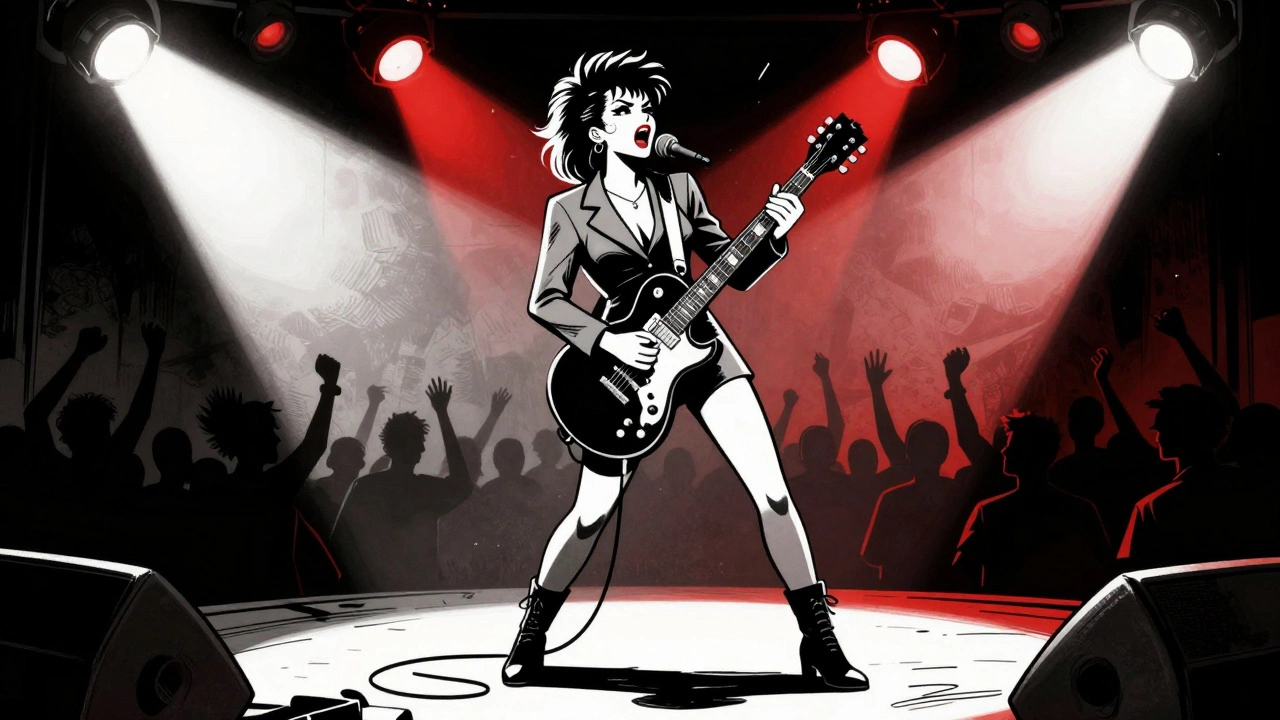
If folk and pop offered solidarity, punk rock offered confrontation. In the mid-1970s, particularly in New York City, a group of women used the raw energy of punk to smash traditional gender expectations. Bands and solo artists in this scene didn't just want better roles within the existing system; they wanted to dismantle the idea of what a woman-or a man-should look like.
Patti Smith is perhaps the most famous figure from this era. Her androgynous style, blending suits with bare legs, and her poetic, aggressive lyrics challenged the passive image of the female pop star. She didn't sing for approval; she performed with intensity that mirrored the revolutionary spirit of the times. Similarly, bands like The Slits in London used distortion and noise to reject the polished, sexualized presentation expected of female musicians.
Historians note that punk acted as a "Trojan Horse" for women entering the male-dominated bastions of rock music. The DIY (do-it-yourself) ethic meant you didn't need technical perfection to play-you just needed passion and a voice. This lowered the barrier to entry, allowing women to project identities beyond the binary. They explored aggression, irony, and sexuality in ways that mainstream rock rarely permitted.
Rhetorical Strategies: Humor, Solidarity, and Protest
Feminist songs in the 1970s employed various rhetorical strategies to connect with audiences. Scholars categorize these approaches into five main types: political, personal, parody, anthemic, and solidarity. Understanding these categories helps explain why certain songs resonated so deeply.
- Political: Direct calls to action regarding laws, wages, and rights.
- Personal: Intimate ballads sharing individual stories of abuse, heartbreak, or joy.
- Parody: Using humor to mock sexist tropes or male behavior.
- Anthemic: Songs designed for group singing at rallies or festivals.
- Solidarity: Lyrics emphasizing sisterhood and shared struggle.
Humor played a surprisingly large role, especially in the women’s music scene. Columbia University researchers have analyzed recordings from 1970-1977 to show how performers used jokes about sexuality and ironic takes on relationships to process political issues. Laughter became a tool for coping and bonding. Instead of solely focusing on solemn protest, artists like Meg Christian used playful double entendres to help lesbian listeners recognize their desires in a world that often mocked them.
At the same time, these songs tackled difficult intra-movement conflicts. Artists did not shy away from addressing racism and homophobia within feminist communities. Olivia Records artists, for instance, explicitly discussed these issues, refusing to "candy-coat" female friendships. This honesty strengthened the community by acknowledging that liberation required confronting prejudice in all its forms.
Legacy and Preservation
Today, the organizational structures of the 1970s women’s music movement have evolved, but the cultural impact remains. The music is no longer distributed primarily through mail-order catalogs; instead, it lives on in digital archives and curated playlists. Projects like the Women’s Liberation Music Archive, launched in 2013 and updated regularly, ensure that these recordings are preserved for future generations.
Streaming services now host playlists titled "Feminism in the ’70s," introducing new audiences to tracks by Helen Reddy, Joni Mitchell, and Cris Williamson. Documentaries like PBS’s "Rise Up: Songs of the Women’s Movement" contextualize these songs as historical resources. For contemporary artists, the legacy of 1970s feminist music provides a blueprint for using art as activism. The insistence on owning one’s narrative, challenging industry norms, and speaking truth to power continues to influence genres from indie rock to hip-hop.
The songs of the 1970s remind us that music is never just entertainment. It is a reflection of societal shifts and a catalyst for change. From the boardrooms of major labels to the basement clubs of the punk scene, women used their voices to carve out space in a world that often tried to silence them. Their melodies remain a powerful testament to the enduring fight for equality.
What was the "women's music" movement?
The women's music movement was a grassroots cultural wave in the 1970s centered on lesbian identity and feminist organizing. It involved creating independent record labels like Olivia Records, hosting women-only festivals, and distributing music through direct mail to bypass the male-dominated mainstream industry.
Who started Olivia Records?
Olivia Records was founded in 1973 by a collective of women, including Miriam Linna, Carole Rosen, and others. It was established to provide a platform for women artists to produce and distribute music without interference from patriarchal corporate structures.
How did punk rock contribute to feminist themes in the 1970s?
Punk rock allowed women to defy traditional gender norms through androgynous fashion, aggressive performance styles, and lyrical content that rejected passive femininity. Artists like Patti Smith used the genre's DIY ethos to challenge the male dominance of rock music.
Why is Aretha Franklin's "Respect" considered a feminist anthem?
Franklin transformed the song from a plea for affection into a demand for dignity and financial equality. Its message resonated with women seeking respect in both personal relationships and the workplace, making it a symbol of empowerment during the second-wave feminism era.
Where can I listen to 1970s feminist music today?
You can find curated playlists on streaming platforms like Apple Music and Spotify under titles such as "Feminism in the ’70s." Additionally, the Women’s Liberation Music Archive offers extensive documentation and access to historical recordings and context.