
What You Need to Know
- Fanzines are small-circulation, self-published works created by fans for fans.
- The punk movement relied on these zines to bypass mainstream media gatekeepers.
- Technology like the photocopier was the engine behind this revolution in publishing.
- Modern independent media still draws heavily from these grassroots distribution models.
- Understanding zines helps explain how subcultures organize and communicate without corporate infrastructure.
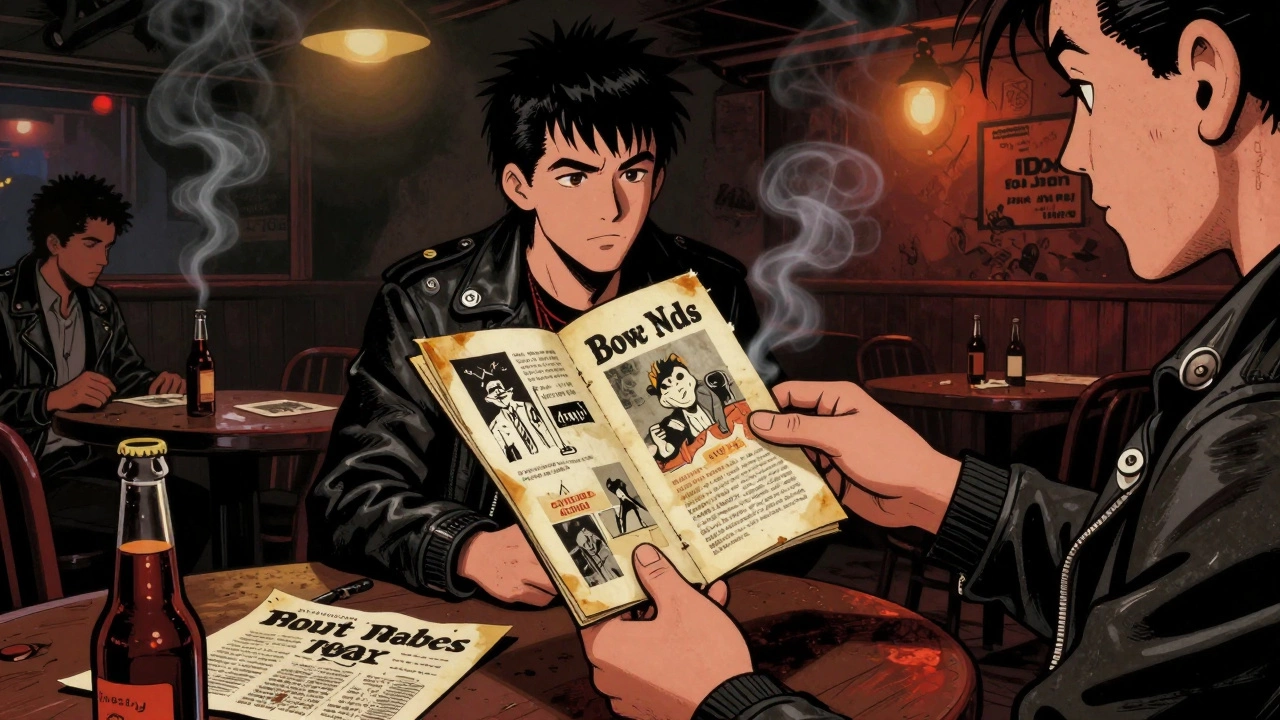
Imagine walking into a noisy club in 1980 New York City. The air smells like stale beer and sweat. Someone hands you a stapled stack of paper covered in handwritten rants and Xeroxed photos. That is the physical reality of early Fanzines. Unlike polished magazines, these documents were raw artifacts of the culture they described. They were not designed by professionals; they were forged by kids with scissors, glue, and access to a copying machine. This medium gave voice to voices that major publishers had ignored completely.
You might think punk rock invented the zine, but that isn't quite accurate. The concept stretches back decades before the safety pin era. The term itself traces back to 1940 science fiction circles, where fans published newsletters called "fanzines." Before that, the Beat Generation used pamphlets to share poetry and political ideas in the 1950s. However, punk turned this quiet hobby into a weaponized tool for community building. It was about taking control of the narrative when the established press viewed the scene either with mockery or complete apathy.
The Technology of Rebellion
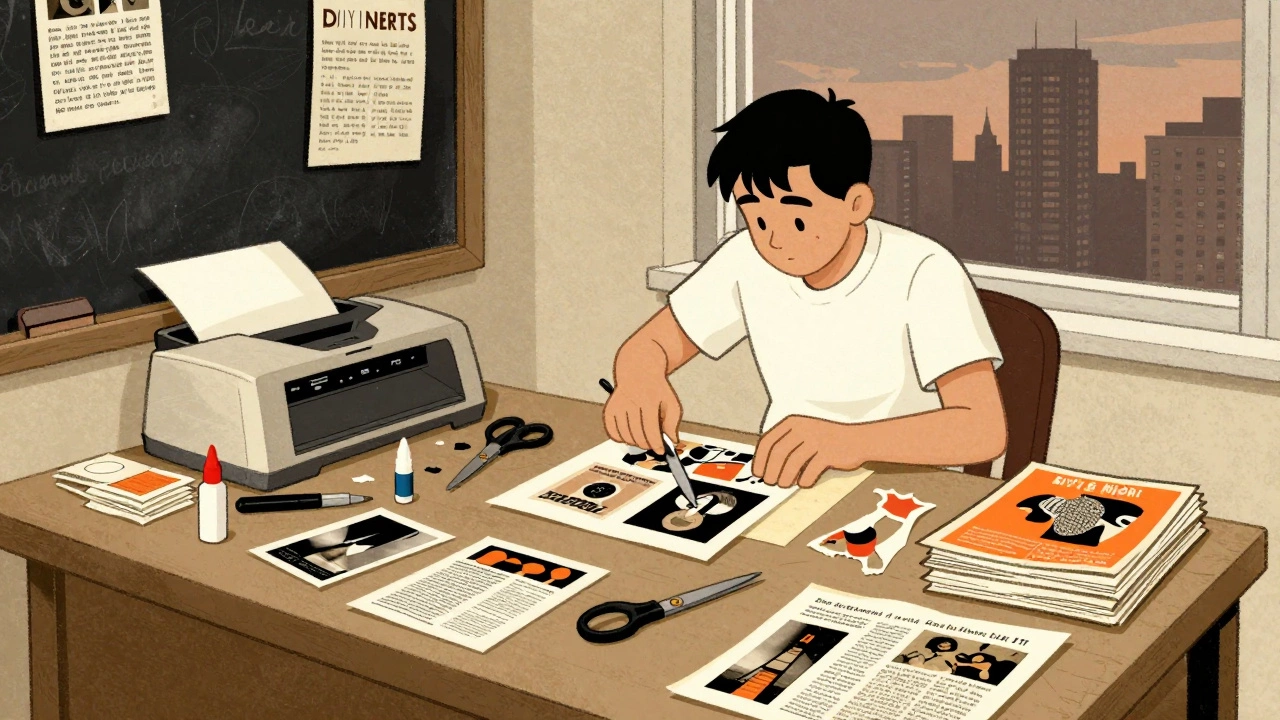
To understand why the DIY Press exploded when it did, you have to look at the hardware available at the time. In the mid-1970s, the personal photocopier entered the commercial market. This was a game-changer for anyone wanting to duplicate information cheaply. Suddenly, you didn't need a massive printing press to share your thoughts. You could print fifty copies on a Saturday afternoon and sell them at the door of a gig.
This accessibility democratized media production. Mainstream journalism operates on strict hierarchy and editorial approval chains. A writer submits, an editor approves, a layout team designs, and a marketing team distributes. With zines, one person handled everything. If you had something to say about a local band or a city issue, you said it directly. There were no filters. This lack of friction allowed for rapid information exchange about concerts, venue crackdowns, and band movements across country lines.
| Feature | Mainstream Magazine | Punk Zine |
|---|---|---|
| Cost to Produce | High (Thousands) | Low (Cents per copy) |
| Distribution | National Newsstands | Gigs, Mail Order |
| Editorial Control | Corporate/Executive | Sole Author/Creative |
| Audience | General Public | Specific Subculture |
Notice how the costs and controls flip entirely. This table highlights why the punk community clung to these formats. While corporate magazines needed advertisers to survive, zines survived on passion and direct support from readers. They operated on a handshake economy. If people liked the work, they paid enough for the next round of photocopies. It built a sustainable loop of creativity without needing investors or shareholders.
Documenting the Scene
As the punk scene solidified in the late seventies, specific publications emerged to become the backbone of the network. John Holmstrom, along with Ged Dunn and Legs McNeil, launched Punk magazine in New York City in late 1975. This publication set a template for others to follow. It wasn't just about reviewing records; it was about creating a map of who belonged.
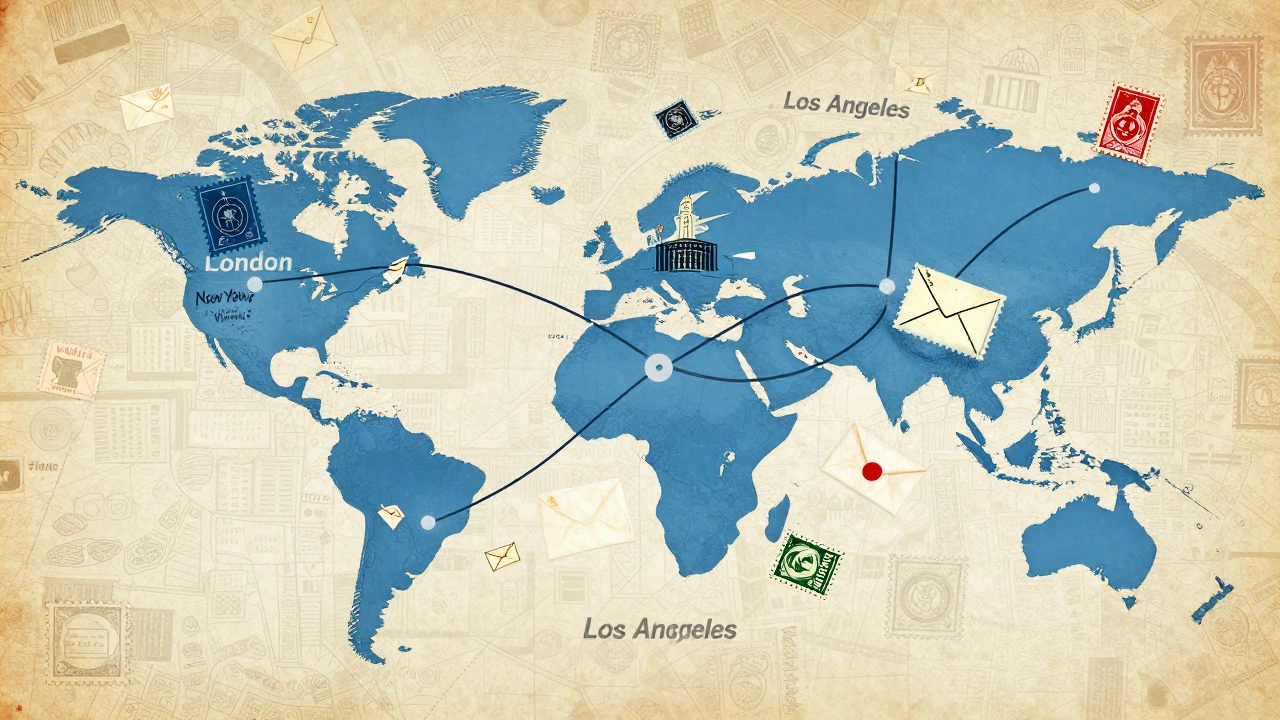
Hundreds of other publications sprouted across London, Los Angeles, and New York. Writers like Chloe Arnold noted that the hub became a global conversation. In London, bands documented themselves through flyers and mini-zines passed out after shows. These documents captured photos you wouldn't see anywhere else because professional photographers weren't hanging around in those dive bars. Fans brought their own cameras. They developed the film, printed the contact sheets, pasted them onto pages, and mailed them out. It was a logistical feat that required trust and organization.
One crucial document in this network was Factsheet Five. It served as a directory or index for other zines. Because there were so many scattered publications, keeping track of them was impossible for a single reader. This zine cataloged thousands of underground journals from the eighties and nineties. It acted as a meta-network, connecting isolated writers so they knew who was publishing and how to reach them. Without this cross-referencing, the community would have remained fragmented rather than becoming a unified cultural force.
The Anti-Establishment Ethos
Why go to such lengths to make these things? It wasn't merely technical preference. It was political philosophy embedded in the art form. Punk itself is counter-cultural, centering on non-conformity and individual freedom. The mainstream media often ignored punk or framed it negatively as a dangerous threat to society. To rely on them meant validating their authority. By creating their own press, the community asserted their autonomy.
This independence extended to the content. You found politics mixed with music reviews. A review of a hardcore album might discuss housing rights or labor unions. The zine format allowed these topics to coexist naturally because the writer wasn't restricted by editorial guidelines. If a journalist felt a concert was bad, they wrote that it was bad. There were no pressure pulls from record labels demanding positive coverage. This honesty built a fierce loyalty among readers. You trusted the source because you knew exactly who held the pen.
From Paper to Pixels
Fast forward to the present day, and the spirit remains alive even if the medium changes. We now live in 2026, and the photocopier has been largely replaced by digital tools. Blogging platforms, social media, and PDF distribution serve the same function as the Xerox page. The constraints have changed, but the core principle of bypassing gatekeepers holds true.
However, the tactile nature of physical zines offered a sense of permanence that digital content struggles to replicate. A physical object exists in someone's hands. It sits on a shelf. It collects dust and coffee rings. In the digital sphere, links rot and accounts get deleted. Many modern artists still produce limited-run print zines precisely to capture that tangible weight. It signals effort. In a world of infinite scroll, choosing to hold something rare feels intentional.
We also see echoes of the old mail-order days in current merch culture. Bands and creators sell physical goods directly to fans online. This mirrors the economic model of the 1980s zine makers who relied on cash envelopes sent through postal services. The infrastructure of the internet makes logistics easier, yet the relationship between creator and consumer remains intimate.
Frequently Asked Questions
When did the term "zine" first originate?
The term dates back to 1940 within the science fiction community. Russ Chauvenet used the shortened version in a fan newsletter. It was later adopted by other groups, including the Beat Generation before reaching widespread popularity in the punk movement of the 1970s.
How did punk bands get interviews in the 1980s?
Zine writers traveled to shows or corresponded via letter. Since mainstream journalists avoided the venues, zine authors went where the action was. They asked questions directly, sometimes recording answers to transcribe later, ensuring the bands' views were represented accurately without corporate filtering.
Is it expensive to start your own zine today?
No, entry costs remain very low. You can design digitally and print locally, or use traditional photocopiers. The barrier to entry is significantly lower than professional publishing, maintaining the ethos of accessibility championed by early creators.
Did zines influence music journalism permanently?
Yes. Many successful music critics began writing for zines. The informal style and focus on specific scenes influenced how professional magazines eventually covered alternative music. The concept of specialized, community-focused coverage evolved from this grassroot origin.
Where can people find historical zines now?
Archives exist in libraries and universities, especially those focusing on pop culture or music history. Online databases also digitize many issues. Some collectors sell vintage issues, though scarcity increases with age and condition.


