
Ever wondered why a music festival in Budapest feels completely different from a beach party in Croatia or a jazz series in Copenhagen? It isn't just the language or the food. The way Europeans approach live music is a patchwork of cultural identities, where the venue is often as much of a headliner as the artist. From massive "island" cities that pop up for a week to intimate countryside gatherings that feel like secret societies, the European music festivals landscape is less about a single "scene" and more about a collection of distinct sonic ecosystems.
If you're planning a trip across the continent, you'll find that the vibe shifts the moment you cross a border. In the north, there's often a lean toward indie and eclectic curation. In the south, the energy is driven by sun-soaked dance floors and high-intensity electronic beats. In the heart of Europe, you find the massive, multidisciplinary events that blend art, politics, and rock and roll. To make sense of it all, you have to look at how the scale, location, and genre of these events shape the actual experience of the attendee.
The Titans: Massive Multidisciplinary Experiences
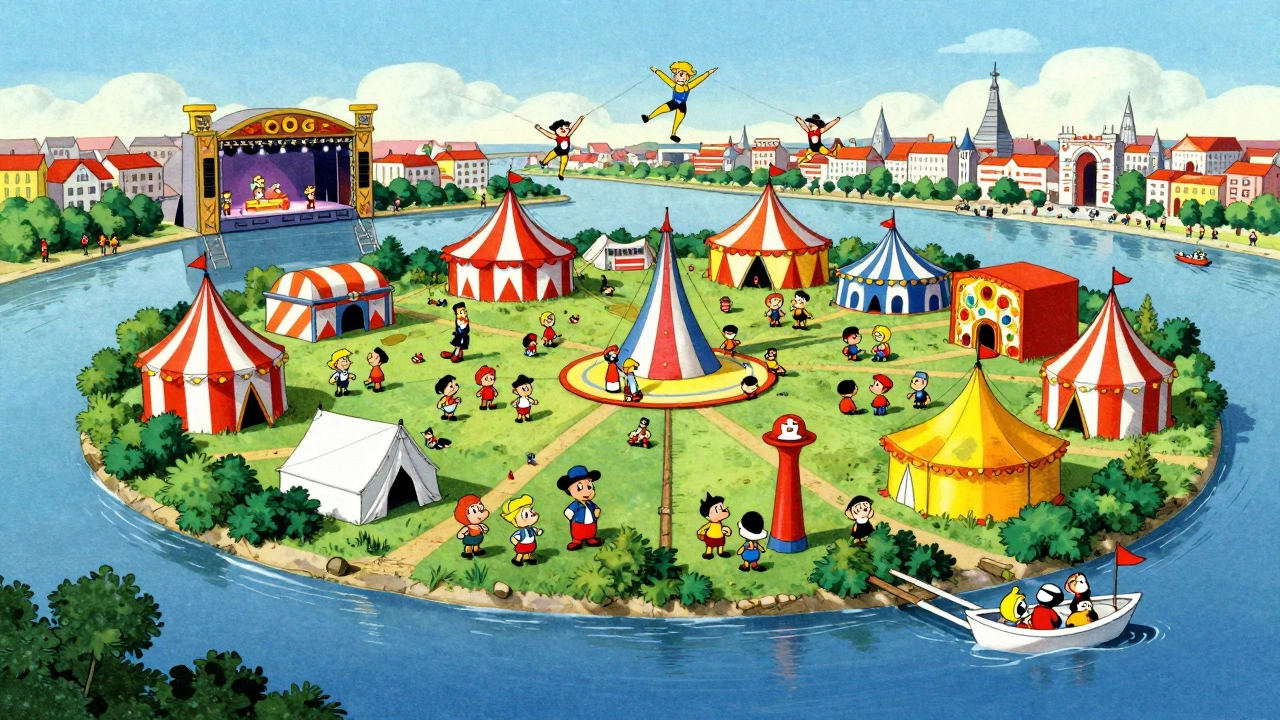
Some festivals aren't just concerts; they are temporary cities. Sziget Festival is one of Europe's largest music and cultural celebrations, held annually on an island in the middle of the Danube River in Budapest, Hungary. Known as the "Island of Freedom," it transforms a physical space into a week-long sanctuary where rock, pop, and electronic music collide with circus acts and art installations.
When you attend an event of this scale, the experience is defined by endurance and exploration. You aren't just watching a set; you're navigating a geography. The sheer size means you can stumble upon a hidden acoustic set in a forest one hour and be in a crowd of 50,000 people the next. This "city-state" model of festival organization creates a shared community bond that smaller events can't replicate, as thousands of people from dozens of different countries live and breathe the same air for seven straight days.
The Electronic Coast: Dance Culture in Croatia
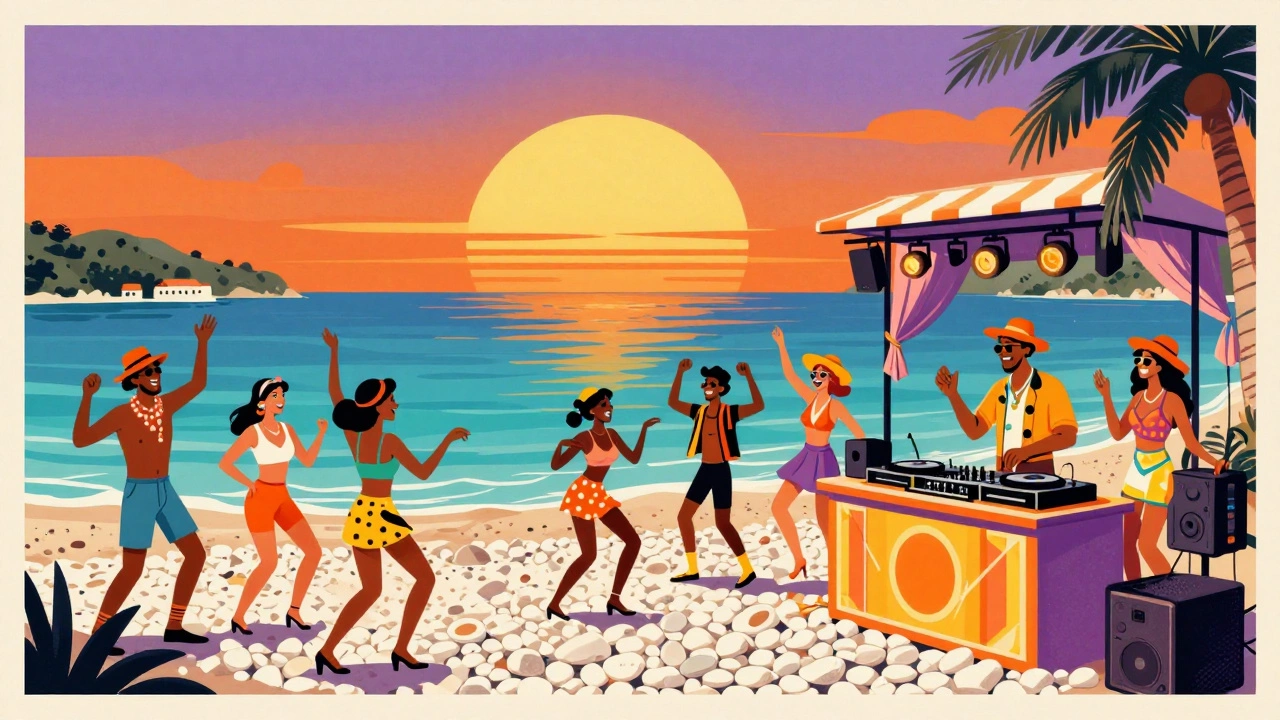
If the titans are about variety, the Croatian scene is about precision and atmosphere. Croatia has carved out a niche as the epicenter of European electronic music, specifically focusing on the intersection of luxury and underground rave culture. Ultra Europe is a massive electronic dance music (EDM) event held in Split, Croatia, serving as a key stop in the global Ultra Music Festival circuit. For those seeking something more specialized, the Hideout Festival provides a high-energy experience on Zrće Beach on Pag Island, focusing heavily on house and techno.
The "beach club" experience in Croatia is unique because it integrates the natural landscape-crystal clear Adriatic waters and white pebbles-into the production. Unlike the muddy fields of traditional UK or Belgian festivals, the experience here is polished. You're dealing with high-end sound systems and open-air dance floors where the sunset acts as a natural visual effect. It's a more curated, visually driven experience that prioritizes the "vibe" and the beat over a diverse genre lineup.
| Feature | Mega-Festivals (e.g., Sziget) | Electronic Beach (e.g., Hideout) | Boutique/Intimate (e.g., Nachtdigital) |
|---|---|---|---|
| Primary Vibe | Cultural Exploration | High-Energy Party | Deep Listening/Experimental |
| Venue Type | Island/City Park | Beach Clubs/Resorts | Rural Countryside |
| Crowd Dynamic | Massive & Diverse | Youthful & Global | Niche & Dedicated |
| Musical Focus | Multi-genre (Rock/Pop/EDM) | House, Techno, EDM | Ambient, Techno, Experimental |
Intimate Gatherings: The Power of Niche
Not every great European experience requires 100,000 people. Some of the most respected events are the ones that consciously limit their capacity to preserve a specific atmosphere. Nachtdigital, operating since 1998 in the German countryside, is a prime example. With a capacity of only 3,500, it focuses on techno, ambient, and experimental sounds.
In these settings, the relationship between the artist and the audience changes. You aren't a face in a sea of people; you're part of a conversation. The music often reflects the surroundings-think sprawling forests or industrial warehouses-where the sound is designed to interact with the acoustics of the space. This is where you find the "true" underground, where emerging artists can experiment with 10-minute ambient drones without the pressure of keeping a massive crowd jumping.
Similarly, the Outlook Festival balances production quality with a more respected, focused approach, catering to about 15,000 people. It's widely regarded as one of the best-produced festivals globally because it avoids the "corporate" feel of the mega-events while still providing world-class sound engineering.
Nordic Nuance: Indie and Jazz in the North
Moving toward Scandinavia, the festival scene takes on a more refined, often eclectic tone. In Norway, the Øya Festival in Oslo stands out for its ability to blend indie, electronic, rock, and folk. The Nordic approach often emphasizes sustainability and urban integration, using city parks as backdrops that don't destroy the local environment.
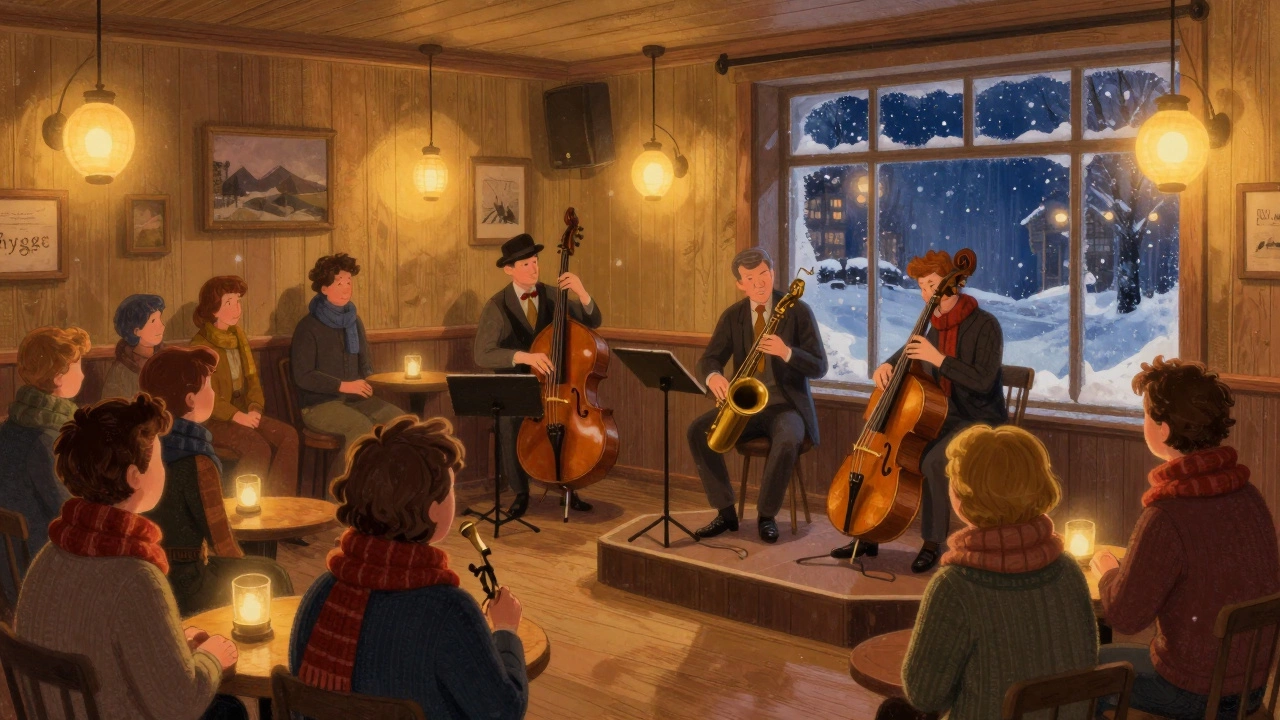
Then there's the contrast of season. While most people think of festivals as summer events, Denmark proves otherwise. Vinterjazz in Copenhagen is a three-week marathon of musical events during the coldest part of the year. Instead of tents and mud, you have cozy clubs and concert halls. The experience is an exercise in "hygge"-the Danish concept of coziness-where the intimacy of the venue and the warmth of the crowd contrast with the winter chill outside. It shifts the focus from the spectacle of the stage to the technical mastery of the musicians.
Navigating the Cross-Border Logistics
Attending these events requires a different strategy depending on the region. In the Schengen Area, crossing from Germany to Croatia or Hungary to Austria is seamless, but the local infrastructure varies. For a beach festival in Croatia, you're dealing with ferry schedules and boat transfers. For a giant like Sziget, you're dealing with the logistical challenge of transporting gear onto an island.
One thing that remains constant is the role of these festivals as cultural bridges. They aren't just about music; they are where different European nations trade aesthetics. You'll see British rave culture influencing German techno sets, or American indie sounds being reinterpreted by Nordic artists. The border isn't a barrier here; it's a filter that adds a local flavor to global genres.
Which European festival is best for first-timers?
If you want the "full" experience with a bit of everything, Sziget in Budapest is hard to beat because of its scale and variety. However, if you prefer a more relaxed, focused environment, a Nordic festival like Øya in Oslo offers a cleaner, more organized entry point into the European scene.
How do electronic festivals in Croatia differ from those in Germany?
Croatian festivals like Hideout and Ultra Europe are heavily tied to the beach and resort culture, focusing on high-energy, visual spectacles and outdoor partying. German events, particularly the more underground ones like Nachtdigital, tend to be more focused on the sonic experimentation, often held in rural or industrial settings with a heavier emphasis on techno and ambient subgenres.
Are there festivals in Europe during the winter?
Yes, though they are less common than summer events. Vinterjazz in Copenhagen is a prime example, running for several weeks in January and February. These winter events usually move indoors to clubs and theaters, offering a more intimate and cozy atmosphere compared to the sprawling outdoor summer festivals.
What is the typical capacity of a "boutique" European festival?
Boutique festivals generally keep their crowds small to maintain an intimate vibe. For example, Nachtdigital caps its attendance at around 3,500 people. This allows for a more personal connection between the artists and the audience and prevents the event from feeling like a commercial venture.
Do I need special visas to visit multiple festivals in Europe?
For most travelers, the Schengen Area allows for easy movement between countries like Hungary, Croatia, Germany, and Denmark without needing separate visas for each. However, always check the current entry requirements for your specific nationality and ensure your passport is valid for at least six months beyond your planned stay.
Next Steps for the Festival Traveler
If you're planning your first cross-border circuit, start by picking your "anchor" event. Do you want the high-intensity sun of Croatia or the eclectic forests of Norway? Once you have your main event, map out the travel logistics. Use regional trains or budget airlines to move between cities, but remember that the most authentic experiences often happen in the gaps between the big stages-at the local bars, the street food stalls, and the unplanned jam sessions in the city centers.
For those who prefer the underground, look for the festivals that don't advertise on every billboard. The smaller, curated events often provide the most lasting memories because they offer a sense of discovery that the mega-festivals, for all their glory, sometimes lose in the crowd.


