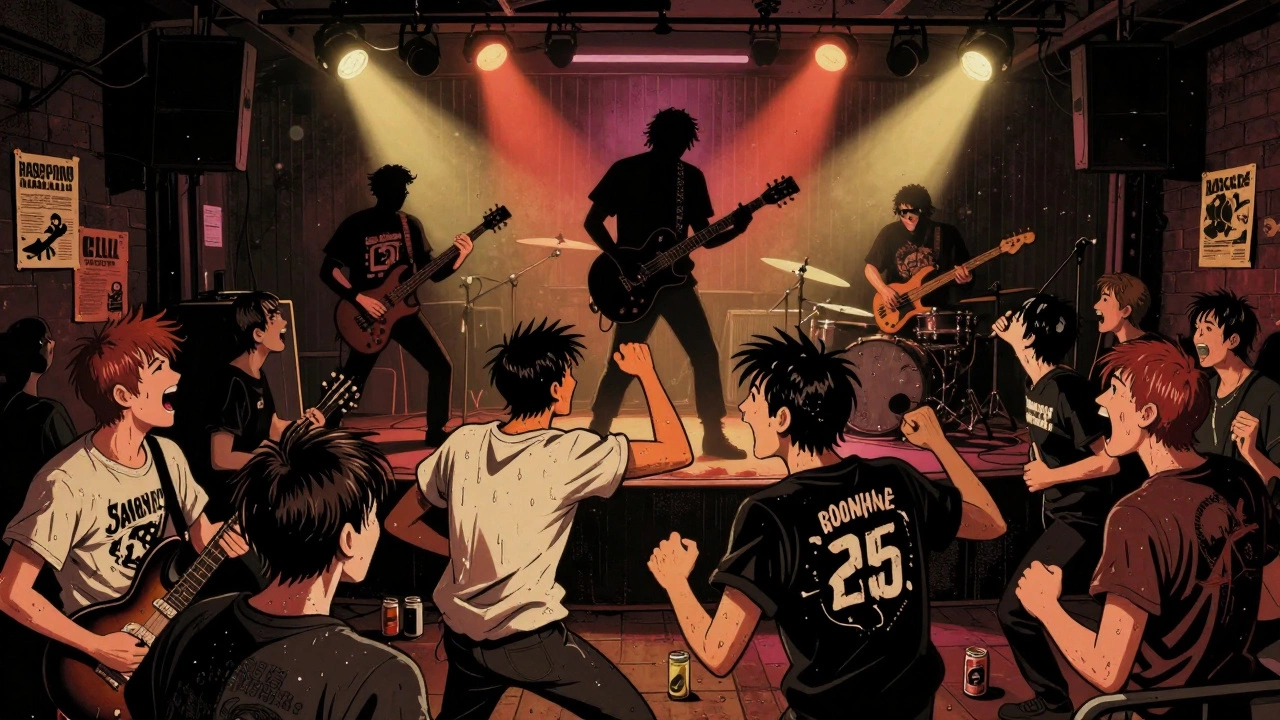

Picture this: it’s 1994. You’re in a sweaty basement show or a mid-sized club, and three distinct sounds are fighting for your attention on the turntable. One is fast, melodic, and polished enough to play on MTV but still screams rebellion. Another is raw, DIY, and smells like stale beer and cardboard flyers. The third is somewhere in between-aggressive, ska-infused, and unapologetically loud. These weren’t just random bands; they were the products of three specific independent record labels that essentially wrote the rulebook for modern punk rock.
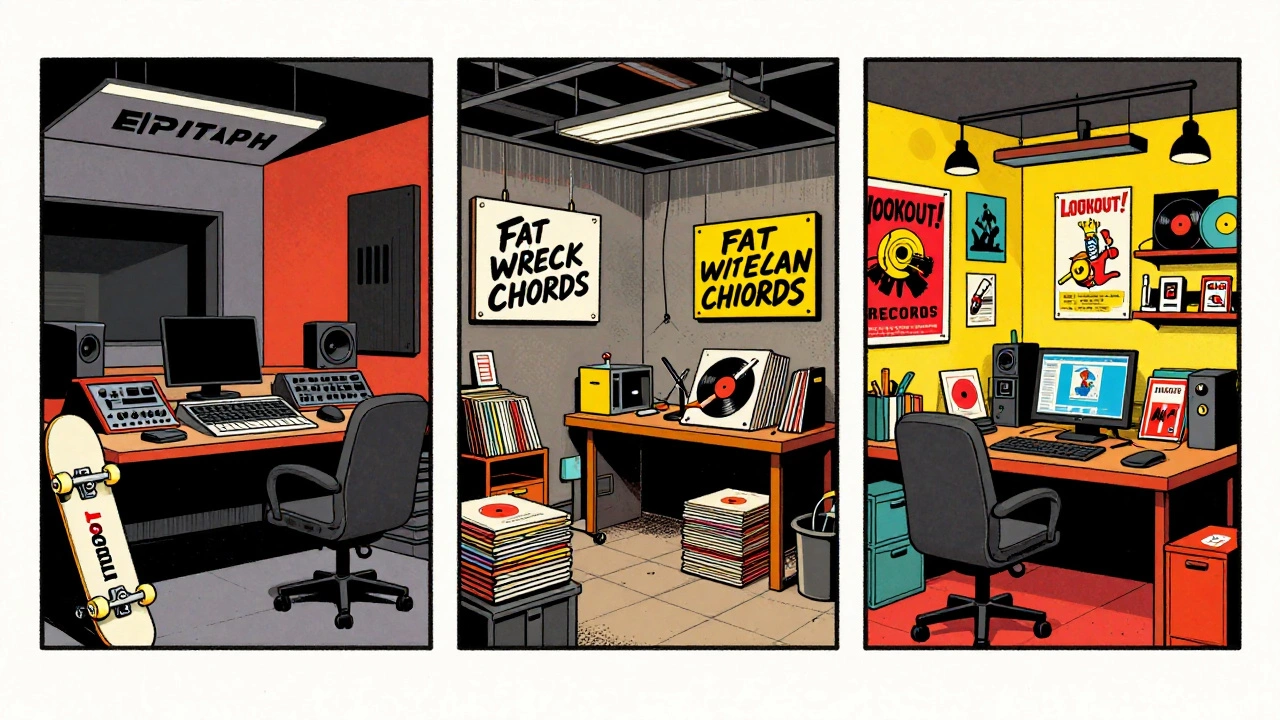
Epitaph Records, Fat Wreck Chords, and Lookout! Records didn’t just release albums in the 1990s. They created ecosystems. They turned underground noise into a global subculture that kids from Tokyo to Toronto could buy into. While major labels were busy signing grunge acts and trying to sanitize alternative rock, these three independents kept the spirit of punk alive by letting the artists make the music their way. Here is how each label carved out its own lane, why their rivalry mattered, and how they shaped the sound of a generation.
The Pop-Punk Powerhouse: Epitaph Records
If you want to understand the commercial explosion of punk in the 90s, you have to start with Epitaph Records. Founded in 1980 by Brett Gurewitz, guitarist for Bad Religion, Epitaph began as a vehicle to get his own band’s music out into the world. But by the time the decade hit its stride, Epitaph had become something much bigger: the premier home for skate-punk and pop-punk.
Gurewitz wasn’t interested in keeping punk trapped in basements. He wanted it to be heard everywhere. This ambition led to the signing of The Offspring. Their 1994 album, Smash, remains one of the best-selling independent records of all time. It proved that a punk band didn’t need a major label budget to sell millions of copies. Epitaph also signed NOFX, whose album Punk in Drublic became a cultural touchstone for its humor and anti-establishment stance, and Rancid, who brought a rawer, street-level energy to the roster.
What made Epitaph unique was its willingness to blur lines. While it was rooted in punk, it wasn’t afraid to sign post-hardcore or emo acts later on. In the 90s, however, its identity was tightly wound around the "skate-punk" aesthetic. If you wore a Thrasher magazine t-shirt and rode a skateboard, Epitaph was likely your first exposure to professional punk production. The label’s strategy was simple: high-quality recordings, catchy melodies, and an image that looked cool without losing its edge.
The DIY Ethos: Fat Wreck Chords
While Epitaph was polishing the sound of punk, Fat Wreck Chords was doubling down on its roots. Founded in 1990 by Tim Armstrong (of Rancid) and Eliot Lester, Fat Wreck started as a direct response to what Armstrong saw as the selling out of punk culture. The label’s name itself-a play on "fat wreck" sounding like "fat check"-was a tongue-in-cheek nod to the idea that you could make money without compromising your values.
Fat Wreck Chords operated differently from its competitors. It was fiercely committed to the DIY (Do-It-Yourself) ethic. Artists often helped press their own records, design their own artwork, and tour in vans rather than buses. This wasn’t just about saving money; it was about maintaining control. The label’s roster included bands like No Use for a Name, Strung Out, and Lagwagon. These bands weren’t chasing radio hits; they were building a community.
The sound of Fat Wreck was distinctively aggressive yet melodic, often incorporating elements of hardcore punk and skate rock. Unlike Epitaph’s more polished production style, Fat Wreck releases often sounded immediate and raw. This authenticity resonated deeply with fans who felt alienated by the mainstream music industry. For many young punks, buying a Fat Wreck record wasn’t just a purchase; it was a statement of loyalty to the underground.
The Garage Rock Gateway: Lookout! Records
Then there was Lookout! Records, founded in 1987 by Larry Livermore. Based in Berkeley, California, Lookout! occupied a unique space between pure punk and garage rock revival. While Epitaph and Fat Wreck were heavily focused on the skate scene, Lookout! leaned into the broader American power-pop and punk tradition. Think less "skateboard tricks" and more "garage party chaos."
Lookout!’s biggest claim to fame in the 90s was undoubtedly Green Day. Before they exploded globally with DGC Records, Green Day’s early albums like Dookie (though released on Reprise, their earlier work defined their Lookout! era) and 39/Smooth were foundational to the label’s success. Other key artists included The Riverdales, Mxrtens, and The Longshots.
Lookout! was known for its eclectic roster and Livermore’s keen ear for talent. The label’s aesthetic was often brighter and more colorful compared to the darker, grittier vibes of Fat Wreck. It served as a gateway for many listeners who might not have identified as "punk" but loved energetic, guitar-driven rock. However, Lookout!’s journey was more turbulent. Financial struggles and internal conflicts eventually led to its collapse in the late 90s, a stark contrast to the sustained growth of Epitaph and Fat Wreck.
Comparing the Titans: A Side-by-Side Look
| Feature | Epitaph Records | Fat Wreck Chords | Lookout! Records |
|---|---|---|---|
| Founded By | Brett Gurewitz | Tim Armstrong & Eliot Lester | Larry Livermore |
| Primary Sound | Skate-Punk / Pop-Punk | Hardcore / Skate Punk | Power-Pop / Garage Punk |
| Key Artists | Bad Religion, The Offspring, NOFX | Rancid, No Use for a Name, Strung Out | Green Day, The Riverdales, Mxrtens |
| Business Model | Commercially ambitious, high production value | DIY-focused, artist-controlled | Eclectic, community-oriented |
| Legacy Status | Still thriving, expanded into multiple subsidiaries | Still active, strong cult following | Defunct (collapsed in late 90s) |

The Cultural Impact: More Than Just Music
The competition between these three labels did more than just create great albums; it shaped the visual and social identity of 90s youth culture. Epitaph’s clean, bold logo designs became iconic on t-shirts worldwide. Fat Wreck’s cartoonish, often grotesque artwork appealed to those who wanted to shock their parents. Lookout!’s vibrant, retro-inspired covers offered a nostalgic nod to 60s pop art.
These labels also influenced how tours were organized. Instead of relying on national promotions companies, they built their own networks. Bands would tour together, sharing costs and audiences. This "package tour" model allowed lesser-known acts to reach new fans while keeping expenses low. It was a practical solution that reinforced the sense of community within the punk scene.
Moreover, these labels challenged the notion that independence meant obscurity. Epitaph’s success with The Offspring showed that you could achieve massive commercial success without signing away your rights to a major corporation. This empowered countless other indie labels to believe they could compete on a larger scale. The 90s punk boom wasn’t just a musical trend; it was a business revolution that proved alternative models could work.
Why This History Matters Today
Fast forward to today, and the legacy of Epitaph, Fat Wreck, and Lookout! is still visible. Modern pop-punk bands like Blink-182 (who started on Drive-Thru, another indie) and New Found Glory owe a debt to the groundwork laid by these pioneers. The DIY ethos championed by Fat Wreck lives on in platforms like Bandcamp and social media, where artists can connect directly with fans without intermediaries.
Epitaph has evolved further, launching sister labels like Hellcat Records to diversify its offerings. Yet, its core mission remains unchanged: supporting artists who want creative freedom. Understanding the dynamics of these 90s labels helps us appreciate the current landscape of independent music. It reminds us that while technology changes, the desire for authentic, uncompromised art remains constant.
The story of Epitaph, Fat Wreck, and Lookout! isn’t just about nostalgia. It’s a lesson in resilience, creativity, and the power of community. These labels didn’t just sell records; they built a world where punk rock could thrive outside the mainstream machine. And that impact echoes far beyond the 90s.
Who founded Epitaph Records?
Epitaph Records was founded in 1980 by Brett Gurewitz, the guitarist for the influential punk band Bad Religion. Initially, it was created to release Bad Religion's music, but it quickly grew into a major independent label.
What was the main difference between Fat Wreck Chords and Epitaph Records?
While both labels were pivotal in 90s punk, Epitaph focused more on commercially viable pop-punk and skate-punk with higher production values, exemplified by The Offspring's success. Fat Wreck Chords, founded by Tim Armstrong, emphasized a stricter DIY ethic, rawer sound, and artist control, appealing to the hardcore underground.
Did Lookout! Records survive the 1990s?
No, Lookout! Records collapsed in the late 1990s due to financial difficulties and internal management issues. Despite its significant impact through bands like Green Day and The Riverdales, it ceased operations, unlike Epitaph and Fat Wreck which continued to thrive.
Which band helped Epitaph Records become a commercial powerhouse?
The Offspring played a crucial role in Epitaph's commercial success. Their 1994 album 'Smash' became one of the best-selling independent albums of all time, proving that punk rock could achieve massive mainstream popularity without major label support.
How did these labels influence modern independent music?
They demonstrated that independent labels could compete with majors by fostering strong artist relationships and community engagement. Their DIY models and focus on creative freedom paved the way for today's digital distribution platforms and artist-centric business strategies.