
Most people know Dolly Parton as the queen of country music, famous for her voice and glamorous style. But that image only scratches the surface. Behind the rhinestones lies one of the most calculated and successful career strategies in entertainment history. She isn't just a singer; she is a savvy businesswoman who turned her artistic talent into a diversified empire spanning theme parks, film production, and publishing rights. Her journey from a poor childhood in Tennessee to becoming a global icon offers a masterclass in how to leverage creativity for long-term financial independence.
The Foundation: Early Ambition and Strategic Moves
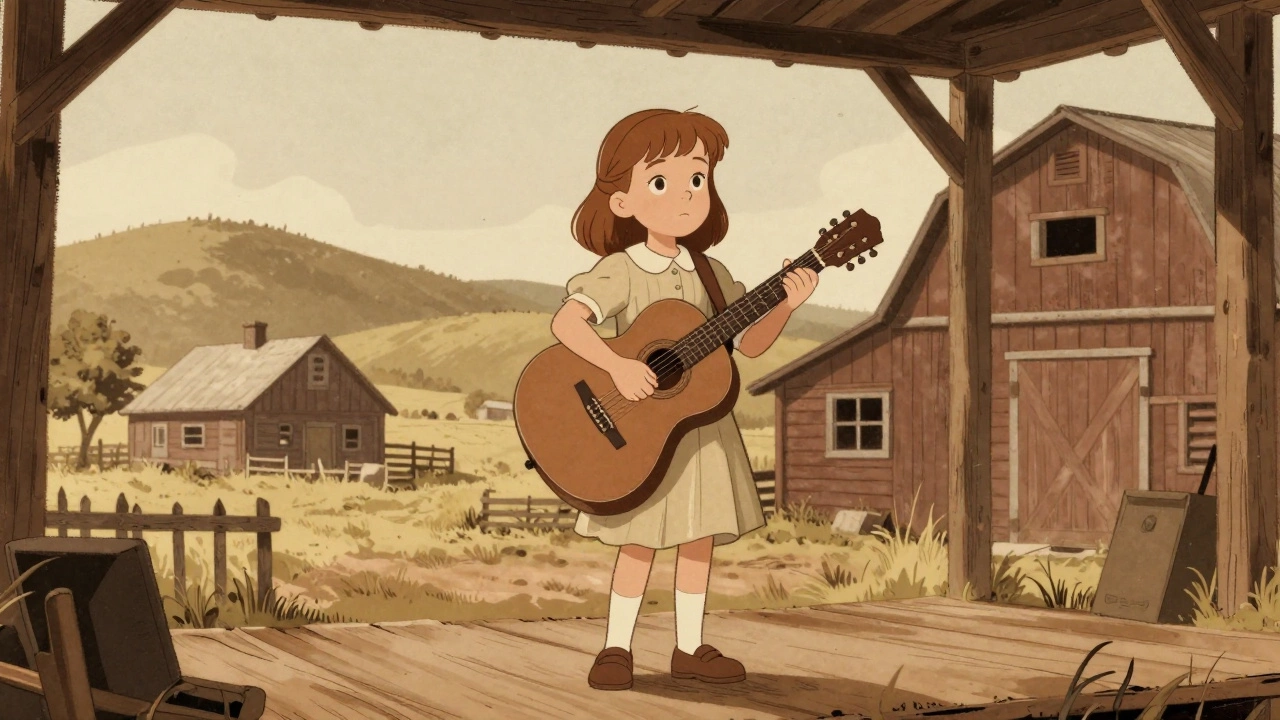
Parton’s drive didn’t start in Nashville. It began in Locust Ridge, Tennessee, where she was born on January 19, 1946. Growing up in poverty, she learned early that talent could be traded for opportunity. By age 13, she had already performed at the Grand Ole Opry, the holy grail of country music venues. This wasn’t luck; it was strategy. She leveraged local radio shows like "The Cas Walker Farm and Home Hour" to build an audience before moving to bigger stages.
A pivotal moment came when she joined Porter Wagoner's television show. While many artists stayed in such partnerships for decades, Parton made the bold decision to leave and pursue a solo career. This move risked alienating a core fanbase but allowed her to control her artistic direction. The gamble paid off. She crossed over into pop music, defying industry skepticism, and released hits that appealed to a broader audience. This willingness to pivot is a key trait of successful entrepreneurs: recognizing when a current path limits future growth.
Musical Mastery and Collaborative Power
In terms of raw output, Parton’s musical resume is staggering. She has achieved 25 number-one hits on the Billboard country charts and produced 41 top-10 albums. Her recognition includes 47 Grammy nominations and 9 wins. But her success wasn’t just about writing songs alone. She understood the power of collaboration early on.
Two major projects highlight this approach. First, the 1987 album Trio, featuring Emmylou Harris and Linda Ronstadt, blended their distinct styles into a commercial juggernaut. Later, the 1993 album Honky Tonk Angels paired her with legends Loretta Lynn and Tammy Wynette. These collaborations weren’t just nostalgic nods; they were strategic moves that reinforced her status as a central figure in country music history while introducing her work to new generations. Working with diverse artists like Kenny Rogers and Paul McCartney further expanded her reach beyond genre boundaries.
The Business of Ownership: Retaining Publishing Rights
If there is one lesson every creator should learn from Parton, it is this: own your work. In an industry where labels often strip artists of their rights, Parton retained the publishing rights to her songs. This decision is the engine behind much of her wealth. Every time her music is played on the radio, covered by another artist, or used in a film, she earns royalties. Unlike performance income, which fluctuates with tour dates, publishing royalties provide a steady, passive income stream that grows over time.
This approach to intellectual property management transformed her from a wage earner into a business owner. It demonstrates a critical principle: creative talent is valuable, but ownership of that creativity is what builds generational wealth. By keeping control of her catalog, she ensured that her past successes continue to fund her present ventures.

Dollywood: Turning Brand into Destination
Perhaps her most visible entrepreneurial venture is Dollywood. Co-founded by Parton, this theme park in Pigeon Forge, Tennessee, started as a small attraction called Rebel Railroad. Through reinvestment and expansion, it grew into a major tourist destination drawing millions of visitors annually. Dollywood isn’t just a ride park; it’s an economic engine for the region, creating thousands of jobs and boosting local businesses.
The park serves as a physical extension of her brand. It allows fans to experience her world firsthand, reinforcing loyalty and generating revenue independent of the music industry’s volatility. This diversification is crucial. When record sales declined in the late 20th century, many artists struggled. Parton, however, had a thriving theme park business to fall back on. Her ability to translate personal fame into a tangible, location-based business model is a testament to her entrepreneurial vision.
Acting, Production, and Media Expansion
Parton’s career extends well beyond singing. She established herself as an actress and producer, taking control of her narratives on screen. Films like Rhino (which she wrote and starred in) and later productions showcase her versatility. More recently, her role in Jurassic World and the documentary Dolly Parton’s Coat of Many Colors introduced her to younger audiences. By producing her own content, she ensures that her image remains relevant across changing media landscapes.
Her work in television also reflects a commitment to inclusivity. During the late 1960s and early 1970s, when racial segregation still influenced entertainment, Parton used her platform to feature Black musicians and artists. This wasn’t just charity; it was a strategic stand for equality that broadened her appeal and demonstrated leadership in breaking down industry barriers. Her collaborations with diverse talents helped shape a more inclusive culture within country music.
Philanthropy as Brand Strategy
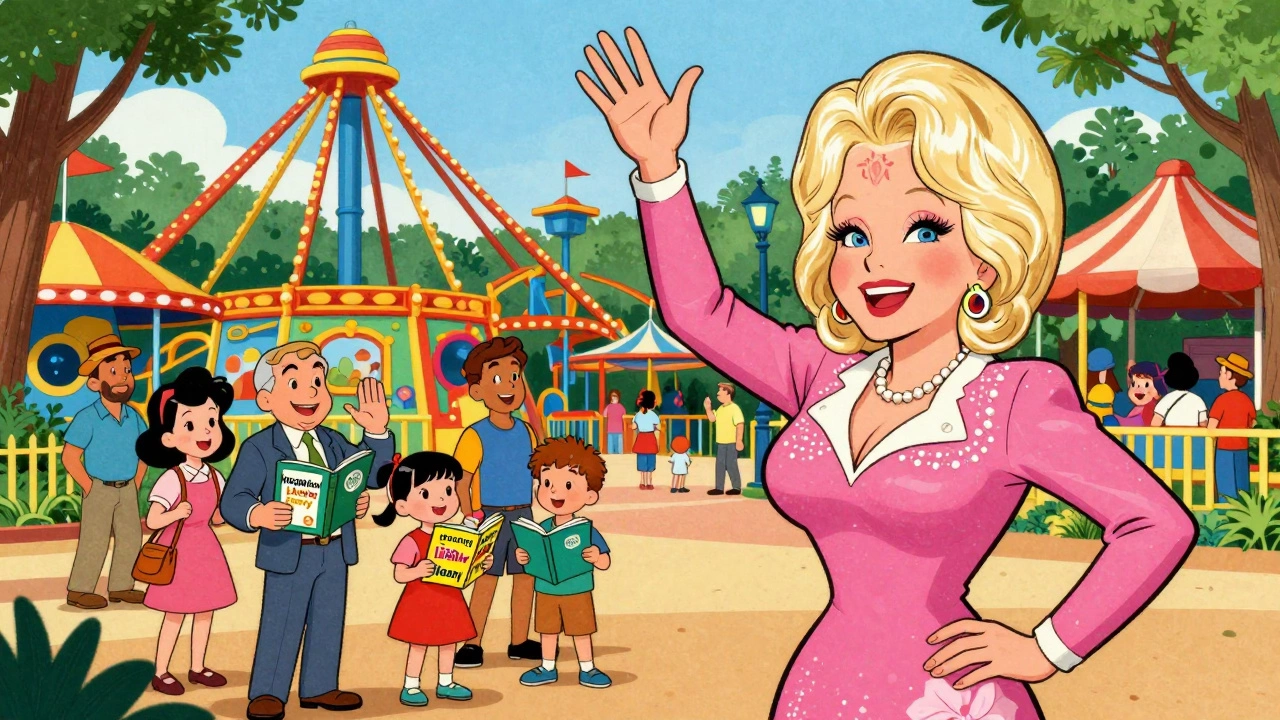
Parton’s philanthropy is extensive, but it also aligns with her brand identity. The Imagination Library, which provides free books to children, has distributed millions of copies worldwide. This initiative enhances her public image as a nurturing, community-focused figure. Philanthropy, in this context, isn’t separate from her business; it reinforces the values associated with her name. People trust brands that give back, and Parton’s generosity strengthens her connection with fans and partners alike.
| Venture Type | Example/Project | Strategic Impact |
|---|---|---|
| Music | 25 #1 Hits, 9 Grammys | Established artistic credibility and baseline fame |
| Publishing | Retained Song Rights | Created lifelong passive income through royalties |
| Theme Park | Dollywood | Diversified revenue and boosted local economy |
| Film/TV | Producer & Actress Roles | Expanded brand reach to new demographics |
| Philanthropy | Imagination Library | Enhanced public trust and community goodwill |
Lessons for Modern Creators
Parton’s career offers actionable insights for anyone building a brand today. First, diversify your income streams. Relying solely on one source-whether it’s album sales or social media ads-is risky. Second, retain ownership of your intellectual property. If you create something, ensure you control its distribution and monetization. Third, collaborate strategically. Partnering with others can amplify your reach and introduce you to new audiences. Finally, use your platform for good. Authentic philanthropy builds lasting trust, which is invaluable in any industry.
Her resilience in the face of skepticism and her continuous adaptation to new markets demonstrate that success isn’t static. It requires constant innovation and a willingness to evolve. From a child singing on local radio to a global entrepreneur, Parton’s story is proof that with the right strategy, artistic talent can become a powerful economic force.
How did Dolly Parton make her first million?
Parton’s initial wealth came from her music career, particularly through songwriting royalties and record sales. However, retaining the publishing rights to her songs provided a steady stream of income that compounded over time, allowing her to invest in ventures like Dollywood.
Why is owning publishing rights important for musicians?
Owning publishing rights means you earn money every time your song is played, covered, or licensed. This creates passive income that doesn’t depend on touring or new releases, providing financial stability and long-term wealth generation.
What role does Dollywood play in her business portfolio?
Dollywood serves as a major revenue source and brand extension. It diversifies her income beyond music, attracts millions of tourists, and supports the local economy, making it a cornerstone of her entrepreneurial success.
Did Dolly Parton face challenges in her early career?
Yes, she faced significant skepticism when leaving Porter Wagoner’s show and crossing over into pop music. Industry doubts about her ability to succeed as a solo artist were common, but her strategic planning and talent proved them wrong.
How has Dolly Parton influenced women in business?
Parton exemplifies how women can leverage creative talent into multifaceted business empires. Her emphasis on ownership, diversification, and philanthropy provides a blueprint for female entrepreneurs seeking long-term success and cultural impact.


