

Creating a sonic signature isn't about following a set of rules found in a manual. It's about deciding which frequencies you value and how you want the listener to feel in the physical space of the song. Whether you are working in a bedroom studio or a high-end facility, authority in mixing comes from making decisive choices rather than guessing. When you stop asking 'Is this correct?' and start asking 'Does this serve the emotion?', you begin to carve out your identity.
The Art of Intentional Arrangement
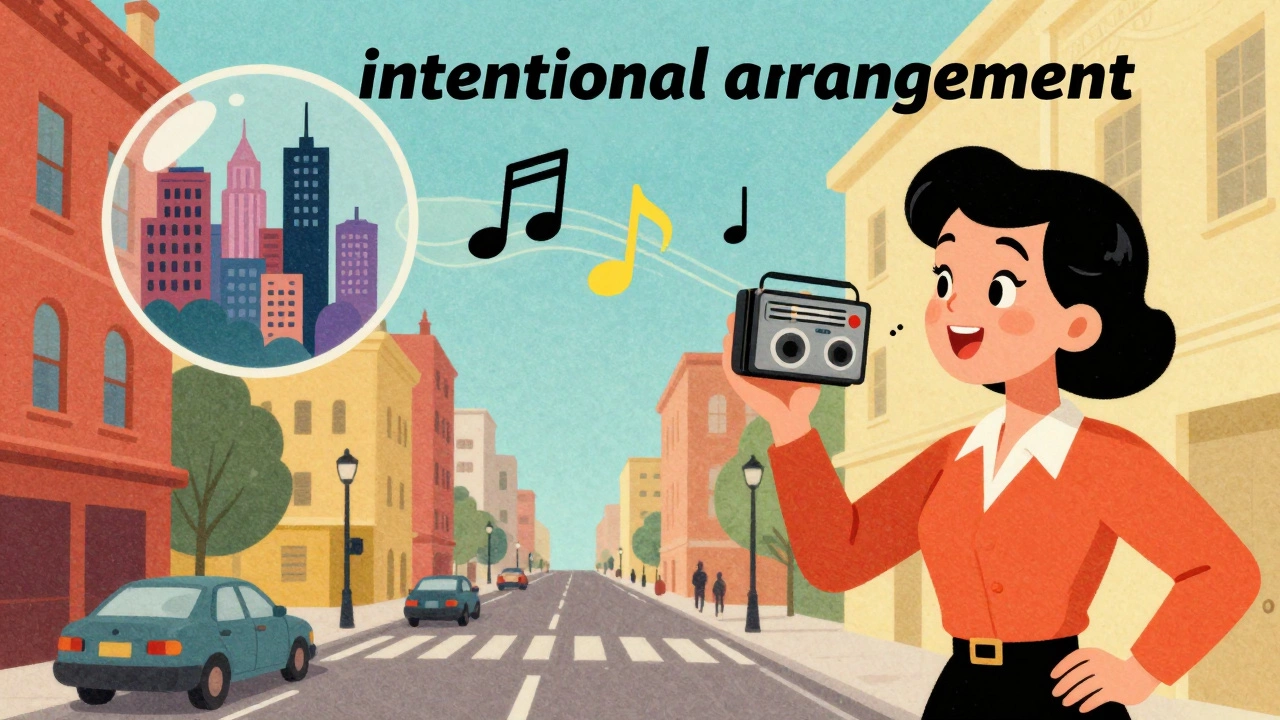
Arrangement is where the battle for the sonic signature is won or lost. If your arrangement is cluttered, no amount of mixing can save it. Authority in arrangement means knowing what to leave out. Many producers fall into the trap of filling every gap with a synth pad or a percussion loop, which often results in a muddy mix that lacks focus.
One powerful way to establish a signature is through the use of Field Recordings. Instead of relying solely on stock sample packs, integrating organic sounds-the hum of a city street, the rattle of a train, or the wind in the trees-adds a layer of authenticity that is uniquely yours. By treating these recordings as rhythmic elements or atmospheric beds, you move the song from a digital environment into a real-world space.
Consider the role of vocal layering. Rather than just doubling a lead vocal, try creating complex harmonies using MIDI and then humanizing those layers. The goal is to create a 'wall of sound' that feels intimate rather than industrial. This approach allows you to control the stereo width of the track, placing the listener in the center of a curated sonic experience.
| Technique | Traditional Approach | Signature Approach | Emotional Impact |
|---|---|---|---|
| Drum Programming | Perfectly quantized grids | Humanized velocity and timing | Organic, lived-in feel |
| Vocal Processing | Heavy pitch correction | Textured layers and breathy mids | Intimacy and vulnerability |
| Sound Selection | Popular presets | Custom field recordings/hybrid synths | Unpredictability and curiosity |
Mixing with Authority: Beyond the Preset
Authority in the mix doesn't mean the loudest track wins. It means every element has a designated home in the frequency spectrum. A common mistake is over-compressing everything to achieve a 'commercial' sound, which often strips the life out of a performance. True authority comes from dynamic contrast.
Start by defining your Frequency Spectrum priorities. If your signature is based on warmth, you'll focus on the low-mid richness of the snare and the roundness of the bass. If you're aiming for a crystalline, ethereal sound, you'll emphasize the air frequencies (above 10kHz) and use precision Equalization to carve out space for the vocals.
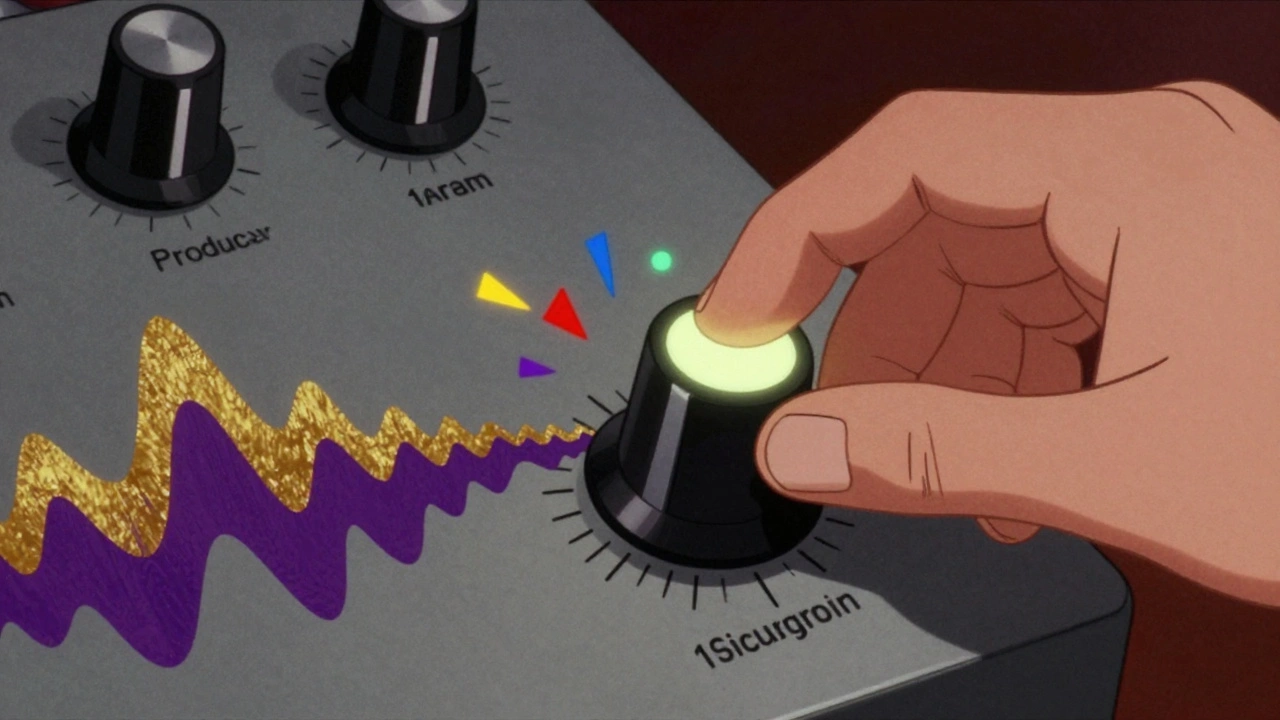
One of the most effective ways to build a signature is by mastering the use of saturation. Instead of just using a clean digital gain, applying a bit of tape saturation or tube warmth adds harmonic complexity. This is where the "feel" of the record lives. When you apply saturation consistently across your projects, it becomes a recognizable trait of your work-a sonic fingerprint that ties your discography together.
The Psychology of the Sonic Fingerprint
There is a constant debate in the industry: should a producer have a branded sound, or should they be a chameleon who adapts to the artist? The truth is that the most sought-after producers do both. They have a core set of values-a way they handle transients or a specific preference for reverb tails-but they apply those values to enhance the artist's vision.
For female producers, claiming authority often means challenging the 'standard' mixing templates. Why does the kick always have to be the most dominant element? What happens if the vocal and the bass share the spotlight in a way that feels subversive? Experimenting with these power dynamics in a mix is how you move from being a technician to being an artist.
To develop this, try a "limitation exercise." Pick three plugins-perhaps a specific compressor, a delay, and a saturation knob-and force yourself to use only those for an entire project. This constraint forces you to find creative solutions and prevents you from relying on the "plugin chase," where you spend more time scrolling through software than actually listening to the music.
Practical Workflow for Identity Building
Building a signature is a cumulative process. It doesn't happen in one song; it happens over twenty. To accelerate this, you need a system for documenting your wins. When you find a vocal chain that sounds exactly how you imagined, or a drum bus setting that hits with the right amount of punch, save it as a custom preset.
But don't just save the settings; save the *intent*. Label your presets based on the feeling they evoke, such as "Haunting Mid-Range" or "Aggressive Warmth." This turns your Digital Audio Workstation (DAW) into a personal library of your sonic preferences.
Next, focus on your monitoring environment. You cannot mix with authority if you don't trust what you're hearing. Whether you're using high-end studio monitors or a pair of reliable headphones, calibrate your ears to a reference track that embodies the sonic signature you admire. By constantly comparing your work to a "North Star" track, you can identify exactly where your mix deviates and whether that deviation is a mistake or a signature trait.
Avoiding Common Production Pitfalls
The biggest enemy of a unique sonic signature is the "safe" mix. When we try to make something sound like everything else on the radio, we erase our identity. This often manifests as over-using presets or following tutorials too rigidly. While learning from others is essential, the application must be filtered through your own taste.
Another trap is the obsession with gear. It is easy to believe that a specific vintage compressor or a rare preamp is the key to a professional sound. In reality, the gear is just a tool. The authority comes from the ear. Focus on learning the physics of sound-how phase cancellation works, how compression affects the emotional impact of a lyric, and how panning creates a psychological sense of space.
Finally, avoid the "endless tweak" cycle. There comes a point in every mix where further changes actually degrade the song. Learning to recognize this point is a hallmark of an experienced producer. Authority is knowing when to stop.
What exactly is a sonic signature?
A sonic signature is the consistent set of aesthetic choices a producer makes regarding sound design, arrangement, and mixing. It is the "audible brand" that makes a producer's work recognizable across different genres or artists, characterized by specific preferences in frequency balance, texture, and spatial depth.
How can I find my own sound if I feel stuck using presets?
Start by modifying your presets. Instead of using a default setting, change three parameters-like the attack time on a compressor or the decay on a reverb-until it feels unique. Additionally, incorporate non-musical sounds (field recordings) to break away from the sterilized sound of digital presets.
Does mixing with authority mean the mix has to be loud?
Not at all. Authority is about clarity, intention, and emotional impact, not peak volume. A quiet, intimate mix can have more authority than a loud, distorted one if every element is placed purposefully and the dynamic range is preserved to evoke the intended emotion.
How do I balance my personal signature with the artist's needs?
The key is to use your signature as a tool to enhance the artist's vision. Identify the core emotion the artist wants to convey, then apply your specific techniques (like your preferred saturation or layering style) to amplify that emotion. Your signature should be the frame that makes the artist's painting look better.
Which tools are most important for establishing a unique sound?
While software varies, the most critical tools are those that manipulate texture and space: saturation plugins, high-quality reverbs, and precision EQs. However, the most important tool is a critical listening environment (monitors or headphones) that allows you to hear the nuances of your choices.
Next Steps for Your Production Journey
If you're just starting to carve out your identity, begin by analyzing your favorite records. Don't just listen; dissect them. Ask yourself why a certain vocal feels close or why the bass feels heavy but not muddy. Create a "mood board" of sounds-a playlist of 5-10 tracks that represent the sonic world you want to inhabit.
For those in the mid-stage of their career, try collaborating with artists who challenge your default settings. When you're forced to adapt your signature to a completely different genre, you often discover new techniques that eventually become a part of your permanent toolkit.
If you find yourself struggling with technical hurdles, such as muddy low-ends or harsh highs, focus on subtractive EQ. Instead of adding more of what you like, remove what you don't. This clears the path for your signature elements to shine through without competition, giving your final mix the professional polish and authority it deserves.


