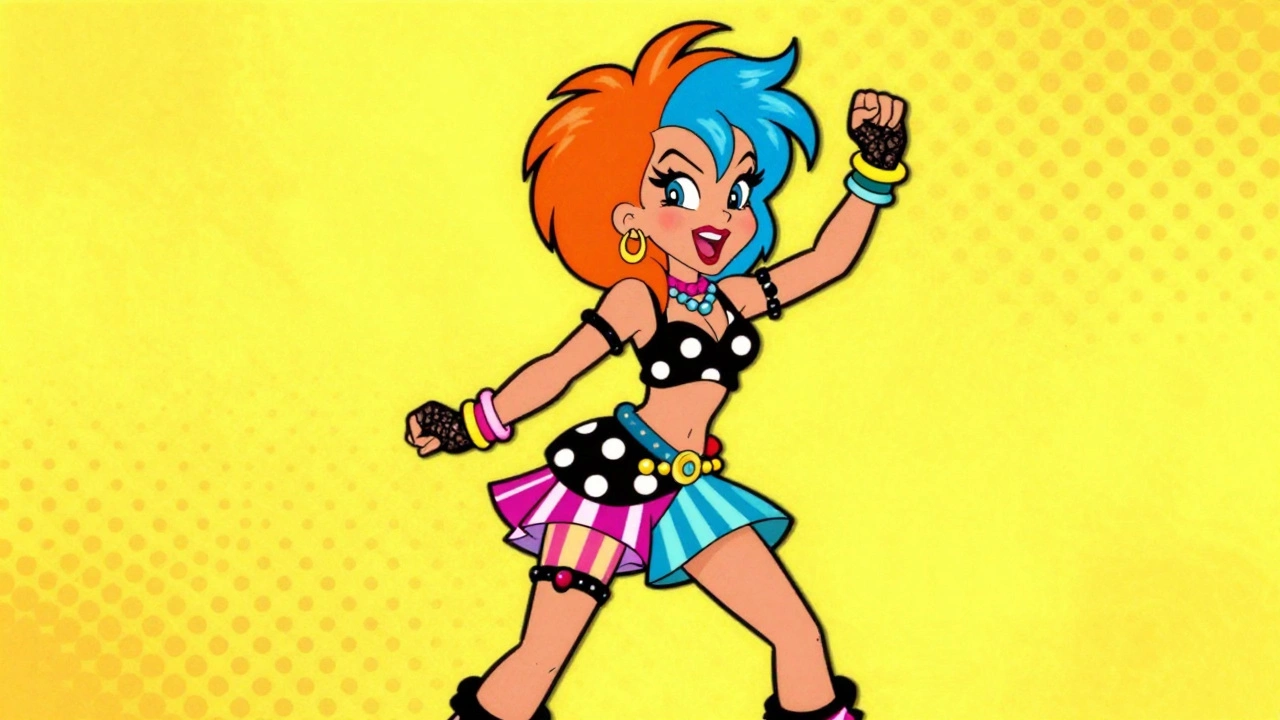

Think about the first time you saw Cyndi Lauper on television in the early 1980s. You didn’t just hear her music; you were hit by a wall of color. Neon orange hair, mismatched skirts, and makeup that looked like it came from an art supply store rather than a cosmetics counter. This wasn’t accidental styling. It was a deliberate collision of DIY punk ethos is a do-it-yourself approach to culture and fashion rooted in thrift stores and self-expression and mainstream pop stardom. While other artists were polishing their images for radio play, Lauper was turning herself into a living collage. Her look bridged the gap between underground New York street fashion and the glossy world of MTV is the cable television network launched in 1981 that revolutionized music promotion through video, creating a visual language that fans could actually replicate.
The Roots of the Look: From Blue Angel to Solo Stardom
To understand why Lauper’s style felt so authentic, you have to look at where she came from. Born Cynthia Ann Stephanie Lauper in Queens, New York, in 1953, she didn’t emerge from a polished industry machine. Before she was a global icon, she was fronting Blue Angel is a rockabilly and new wave band led by Cyndi Lauper in the late 1970s. This group released its self-titled album in 1980 but broke up due to management issues. During this period, Lauper worked day jobs and dealt with vocal cord damage. These struggles forged an underdog identity that resonated with subcultures who relied on resourcefulness rather than wealth.
When she finally released her solo debut, She’s So Unusual is Cyndi Lauper’s breakthrough 1983 studio album featuring hits like Girls Just Want to Have Fun, in October 1983, she brought that gritty, hands-on sensibility with her. The album generated multiple Top 10 singles, including "Girls Just Want to Have Fun" and "Time After Time." But the records alone wouldn’t have defined her era. It was the visual packaging-layered thrift-store finds and saturated hair-that made her stand out in a sea of monochrome adult contemporary acts. Her trajectory proved that you didn’t need a designer budget to command attention; you needed confidence and creativity.
Hair as High Art: The Chemistry of Color
If there is one element that defines Lauper’s 1980s persona, it is her hair. She didn’t stick to a single shade. Instead, she treated her head as a canvas for asymmetrical cuts, partially shaved sides, and voluminous teases drenched in artificial pigment. We are talking bright reds, electric oranges, hot pinks, and sunny yellows, often layered together. This created a kaleidoscopic effect that pushed the limits of early NTSC broadcast technology. On screen, she literally popped off the TV set.
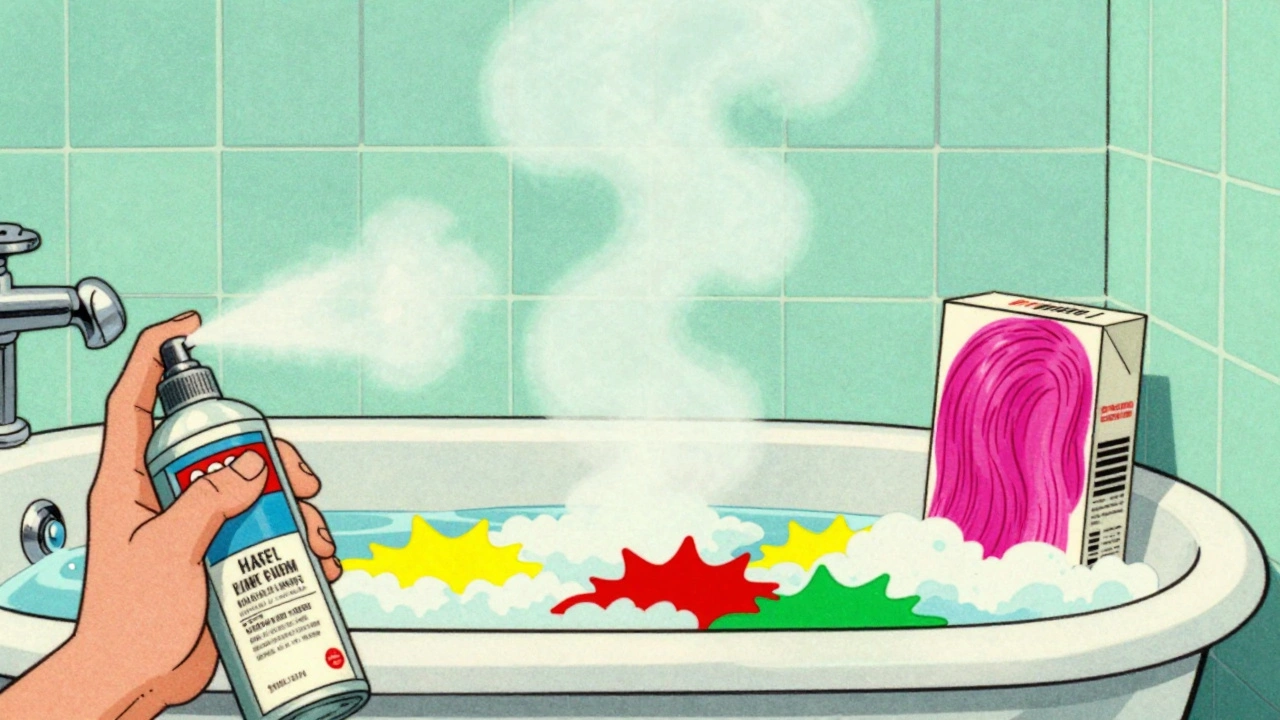
What makes this particularly relevant today is how accessible these techniques were. In conversations with younger artists like Carly Rae Jepsen, Lauper has openly discussed using over-the-counter products like Sun In hair lightener. This wasn’t salon-perfect chemistry; it was experimental and risky. Fans in the 1980s bought the same drugstore dyes and tried to replicate those looks in their bathrooms. This shared experience of chemical mishaps and vibrant results built a genuine connection between the star and her audience. It signaled that beauty was a process, not a fixed product.
Thrift Store Chic: Deconstructing the Outfits
Lauper’s clothing choices rejected the uniformity of high fashion. Instead of buying complete outfits, she practiced bricolage-the art of creating something new from diverse available materials. Her signature look involved layering petticoats, crinolines, and slips sourced from vintage shops and flea markets. She paired these with lace gloves, plastic bangles, and mismatched earrings. The result looked chaotic to some, but it was carefully constructed chaos.
| Element | Source/Technique | Cultural Impact |
|---|---|---|
| Hair | Drugstore dyes (Sun In), bleaching, asymmetrical cuts | Normalized bold, non-natural hair colors for teens |
| Clothing | Thrift store skirts, petticoats, safety pins, hand-painted motifs | Made high-fashion layering accessible to low budgets |
| Accessories | Plastic bangles, charm bracelets, lace gloves | Encouraged mixing cheap jewelry with expensive vibes |
| Makeup | Bright eyeshadows, multicolored eyeliner, vivid lipstick | Challenged conservative beauty standards of the era |
This style drew heavily from the East Village and Lower East Side scenes of the late 1970s, where punks customized found garments. By bringing this street-level aesthetic to the global stage, Lauper validated the fashion choices of queer youth and teenagers who couldn’t afford designer labels. She showed that authenticity mattered more than price tags.
MTV as a Moving Canvas
Music videos became the primary vehicle for spreading this color explosion. When MTV launched in 1981, it was still figuring out what a "pop star" looked like. Lauper gave them a definitive answer. The video for "Girls Just Want to Have Fun," released in late 1983, used saturated reds, yellows, and blues in both costumes and sets. Lauper appeared in orange-red hair and multicolored skirts, surrounded by a diverse cast. The narrative moved from a drab home to a joyous, colorful party, using hue as a metaphor for freedom.
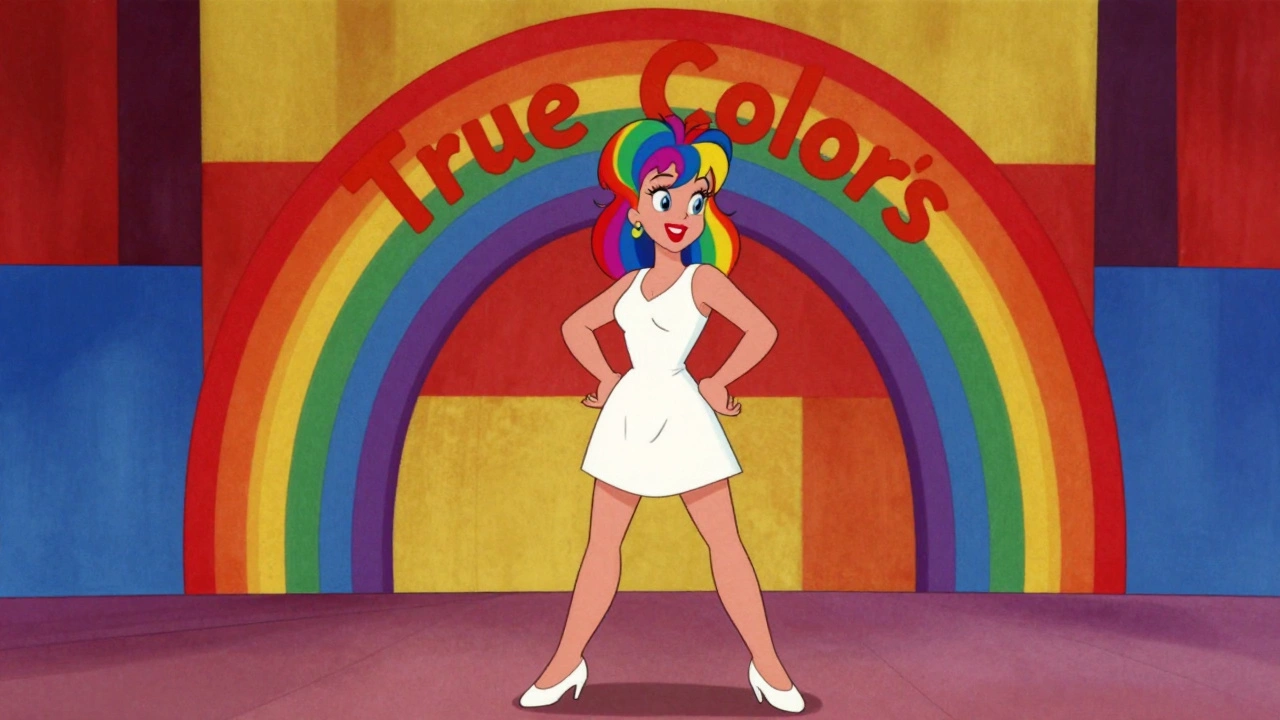
Even when the palette softened, as in the pastel tones of the "Time After Time" video in 1984, Lauper maintained her chromatic intensity through bright accessories and hair. Later videos like "She Bop" utilized comic-book primaries and neon signage, while "True Colors" (1986) shifted toward symbolic uses of color, featuring rainbows and body paint. These visuals weren’t just background decoration; they were integral to the storytelling. They established a template for future artists who treat their videos as immersive artistic experiences rather than simple performance clips.
Music and Style: A Unified Front
You can’t separate Lauper’s sound from her look. Musically, Rick Chertoff is the producer who worked with Cyndi Lauper on her debut album She’s So Unusual produced "She’s So Unusual" using cutting-edge synthesizers and drum machines like the LinnDrum. Yet, Lauper kept her vocal delivery raw. She shouted, hiccupped, and slid between notes, recalling the punk clubs of her Blue Angel days. This tension between high-end studio polish and un-smoothed vocals mirrored her fashion: inexpensive, DIY-sourced clothing paired with high-production video values.
Her vocal arrangements often included self-harmonizing in thirds and sixths, leaving space for melodic counter-lines from instruments like the melodica on "Time After Time." This musical eclecticism reinforced the idea that she was an artist who refused to be boxed into a single genre or aesthetic. Whether she was delivering a punkish yelp or a tender ballad, the underlying message was consistency in individuality.
Standing Apart from Peers
It helps to compare Lauper to other icons of the era to see what made her unique. Madonna moved through distinct phases, from streetwise club kid to Catholic iconography. Boy George presented a consistent androgynous image built around hats and braids. Prince cultivated a controlled purple-and-lace mystique. Lauper, however, leaned into collage. Her outfits looked assembled piece by piece, suggesting that fans could emulate her using affordable, secondhand pieces. This accessibility positioned her as a model of creativity for those with limited resources, distinguishing her from more distant, glamorous figures.
Lasting Legacy: From Pride Stages to Modern Pop
The impact of Lauper’s 1980s color explosion extends far beyond nostalgia. The song "True Colors" became an enduring LGBTQ anthem, linking color symbolism to identity and acceptance. Lauper later founded the True Colors Fund (now True Colors United) to support LGBTQ youth homelessness, cementing the connection between her visual aesthetic and social activism. Today, she remains a regular figure on Pride stages, performing songs that originated in the 1980s but continue to resonate socially.
Her influence is visible in contemporary artists who embrace vivid, ever-changing hair and DIY-inflected fashion. Younger performers often cite her as a reference point, treating her as an elder stateswoman of colorful pop. The core elements of her style-boldness, experimentation, and inclusivity-have proven remarkably durable. She helped establish a template for how individual creativity and mass-media visibility can coexist, proving that you don’t need to fit in to stand out.
What was Cyndi Lauper’s most iconic hairstyle in the 1980s?
Her most iconic look featured asymmetrical cuts with partially shaved sides, teased volume, and intense artificial colors like bright orange, red, and pink. She often layered these shades to create a kaleidoscopic effect that stood out on MTV.
How did Cyndi Lauper achieve her colorful hair without expensive salon treatments?
Lauper frequently used over-the-counter products like Sun In hair lightener and drugstore dyes. She embraced a DIY approach, experimenting with bleaching and re-dyeing processes that fans could replicate at home, making her look accessible to teenagers on a budget.
Why is Cyndi Lauper considered a pioneer of DIY fashion?
She popularized wearing thrift-store finds, such as petticoats, slips, and lace gloves, combined with handmade modifications like safety pins and fabric paint. This approach showed that stylish, high-impact looks could be created without designer labels, empowering fans to express themselves creatively.
What role did MTV play in popularizing Cyndi Lauper’s aesthetic?
MTV provided a visual platform where Lauper’s saturated colors and eclectic styling could reach a global audience. Videos like "Girls Just Want to Have Fun" used heavy rotation to make her distinctive look synonymous with the energy and freedom of the 1980s pop era.
How does Cyndi Lauper’s style differ from Madonna’s in the 1980s?
While Madonna adopted distinct, concept-driven phases (like streetwise or religious imagery), Lauper’s style was based on collage and bricolage. Her outfits looked improvised and layered, emphasizing accessibility and personal expression over curated, high-concept reinventions.
What is the significance of the song "True Colors" in Lauper’s legacy?
"True Colors" became an anthem for the LGBTQ community, linking Lauper’s use of color to themes of authenticity and acceptance. This connection evolved into her long-term activism through the True Colors Fund, reinforcing her status as an ally and advocate for marginalized youth.
Did Cyndi Lauper design her own clothes?
While she collaborated with stylists, Lauper was deeply involved in her aesthetic, often sourcing items from thrift stores and modifying them herself. Her approach was rooted in DIY customization, reflecting her punk influences and desire for a personalized, non-uniform look.
How has Cyndi Lauper’s influence persisted in modern pop culture?
Modern artists continue to draw inspiration from her blend of bold hair colors and eclectic fashion. Her emphasis on self-expression and inclusivity remains relevant, with many contemporary performers citing her as a mentor figure for embracing change and celebrating individuality.