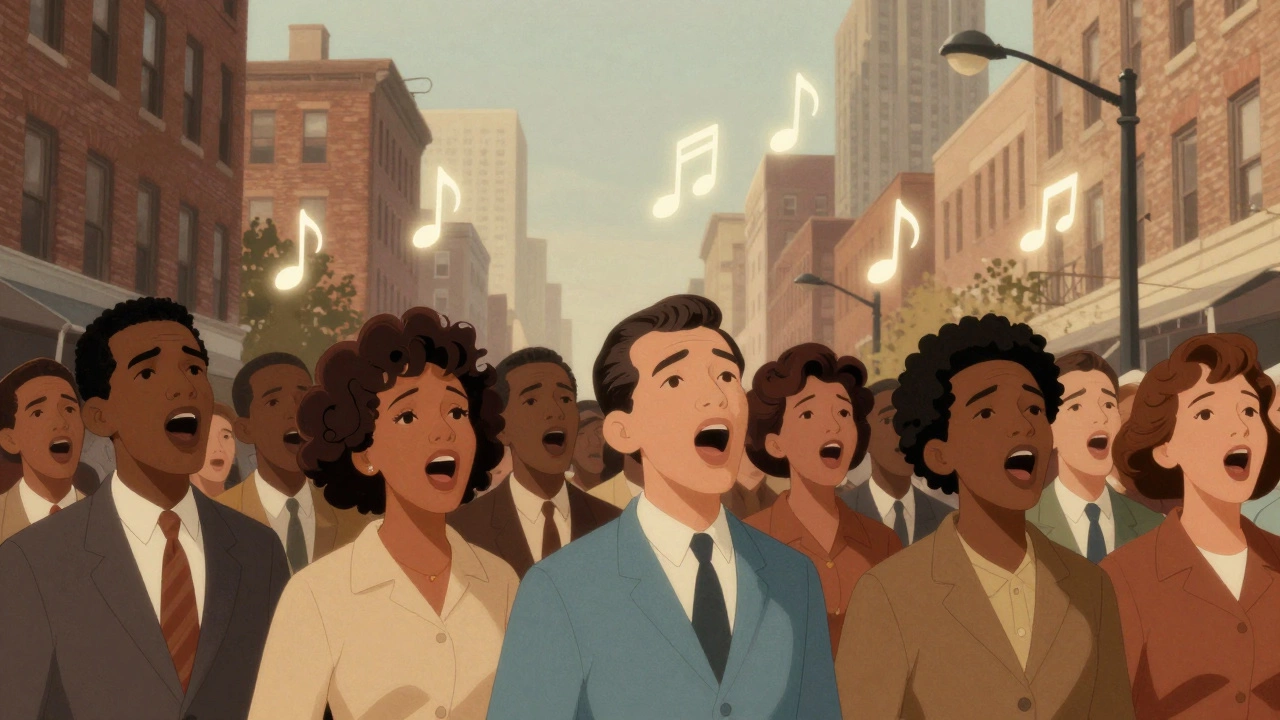

When you think of protest music, do you picture angry shouts, distorted guitars, or aggressive beats? For decades, that was the standard image. But Curtis Mayfield proved that revolution doesn't always need to scream. It can whisper. It can soar. It can sing.
Mayfield didn't just write songs; he wrote anthems for a movement. From the Freedom Rides of the 1960s to the complex urban realities of the 1970s, his music became the soundtrack for African American struggle and pride. He took Soul Music, often seen as entertainment, and turned it into a vehicle for profound political change. This wasn't accidental. It was a deliberate fusion of spiritual depth, musical innovation, and unflinching social commentary.
The Roots of a Gentle Genius
To understand why Mayfield’s message hit so hard, you have to look at where he came from. Born in Chicago in 1942, Mayfield grew up in the Cabrini-Green housing projects. This wasn't a distant observation for him; it was his daily reality. He saw poverty, systemic injustice, and the vibrant resilience of his community firsthand.
This environment shaped his artistic vision. Unlike many artists who observed social issues from the outside, Mayfield lived them. His early work with The Impressions reflected this grounded perspective. Songs like "Keep On Pushing" (1964) weren't just catchy tunes; they were calls to action. They offered explicit messages of perseverance and black pride, delivered in Mayfield's distinctive soft, high tenor voice. This contrast between gentle delivery and urgent content became his signature style.
Andrew Young, a key leader in the Civil Rights Movement, once noted that Mayfield’s music possessed "the spiritual power of a Martin Luther King." That’s a heavy comparison, but it highlights how Mayfield’s music functioned. It wasn't just background noise; it was a unifying force. During the Freedom Rides, "Keep On Pushing" became the number one sing-along song. Imagine thousands of activists facing violence and segregation, finding strength in those harmonies. That is the power of music as a political tool.
Soul as a Spiritual and Secular Hybrid
What made Mayfield’s approach unique was his ability to blend the sacred and the secular. He created what critics describe as a "hybrid of spirit and soul." In the 1960s, the Civil Rights Movement was deeply rooted in church culture. Leaders like Dr. King used sermons to mobilize crowds. Mayfield understood this dynamic. He infused his lyrics with biblical imagery and spiritual affirmation without being explicitly religious.
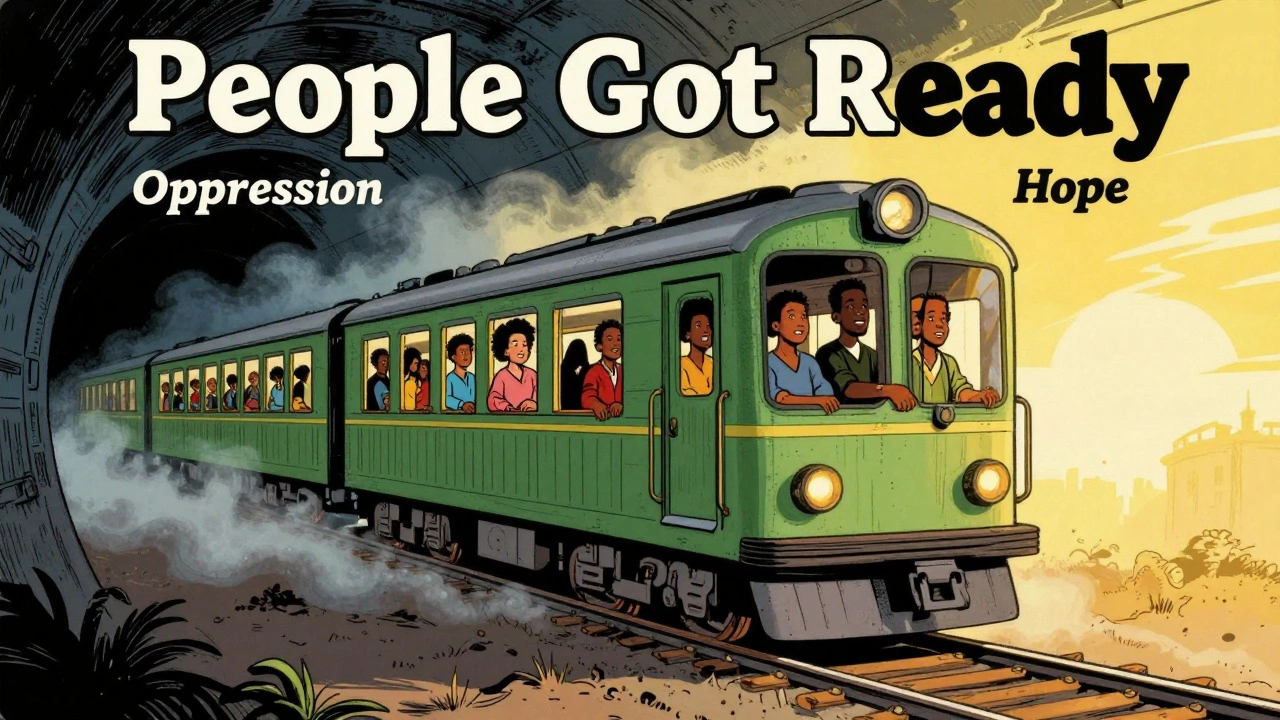
Take "People Get Ready" (1965). On the surface, it sounds like a gospel song about a train arriving. But metaphorically, it’s about hope, redemption, and moving forward despite oppression. The song became an unofficial anthem for the Civil Rights Movement. Dr. King himself used Mayfield’s songs during marches because they motivated participants in a way that speeches alone couldn't. This dual nature allowed his music to cross racial and generational lines. White audiences heard beautiful harmony; Black audiences heard a message of liberation. Both were right.
This hybrid approach allowed Mayfield to address complex themes without alienating listeners. He didn't preach; he invited. He didn't condemn; he uplifted. This nuance is crucial. Protest music often risks becoming didactic or one-dimensional. Mayfield avoided this trap by maintaining artistic integrity and emotional resonance. His music felt authentic because it came from a place of genuine belief, not just political posturing.
From Civil Rights to Black Power
As the 1960s progressed, the mood shifted. The optimism of early civil rights activism gave way to frustration. Legislation passed, but poverty and blight remained rampant in Black communities. Mayfield’s music evolved to reflect this changing landscape. He moved from general messages of hope to more specific critiques of social conditions.
Songs like "We're a Winner" (1968) marked this shift. Here, Mayfield embraced the growing sense of Black Pride and self-determination associated with the Black Power movement. Alongside figures like James Brown and Sly Stone, Mayfield helped define the sound of this new era. He sang openly about civil rights, but also about the material realities of urban life. This transition showed his adaptability. He didn't cling to past narratives; he responded to current struggles.
Even as he became more strident, Mayfield maintained his humility. When people tried to label him as a "protest singer," he demurred, saying, "I'm just an entertainer." This modesty was strategic. It allowed him to operate within the mainstream music industry while still delivering radical messages. By framing himself as an entertainer, he avoided being pigeonholed or marginalized. Yet, his output never stopped being politically charged. If anything, it became more direct.
The Solo Breakthrough: 'Curtis' and Superfly
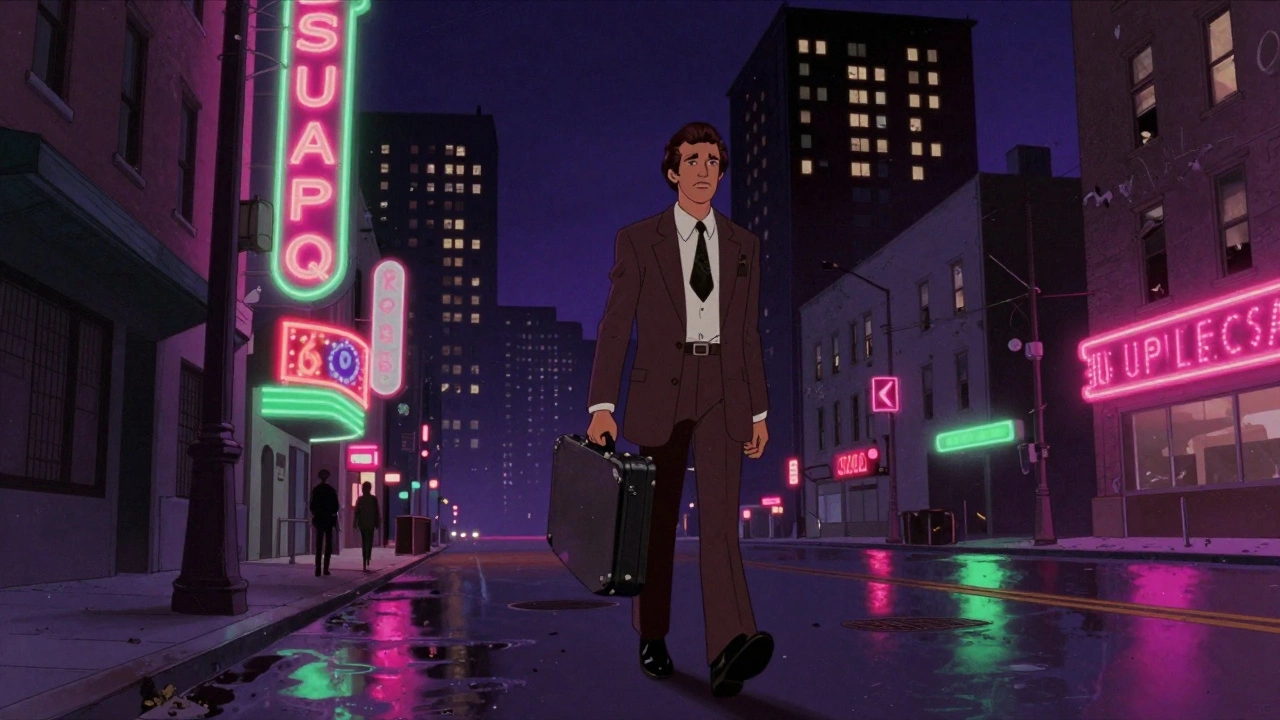
In 1970, Mayfield released his landmark solo album, Curtis. This was a turning point. Free from the constraints of The Impressions, he could fully express his artistic vision. The album featured hits like "Move On Up" and "Freddie's Dead," showcasing his range. "Freddie's Dead" was particularly significant. It told the story of a young man trapped by poverty and crime, offering a stark critique of urban decay.
This narrative approach continued with his score for the film Superfly (1972). The soundtrack became a cultural phenomenon. It explored the allure and tragedy of the drug trade in inner-city neighborhoods. Mayfield didn't glorify crime; he exposed its human cost. The title track, "Superfly," is deceptively upbeat, masking a deeper commentary on survival and exploitation. This complexity set him apart from other artists tackling similar themes.
The success of Superfly demonstrated that socially conscious music could be commercially viable. Mayfield proved that you didn't have to sacrifice artistic integrity for radio play. His sophisticated arrangements and smooth vocals appealed to a wide audience, while the lyrics challenged listeners to think critically about society. This balance is rare. Many artists choose between commercial success and political impact. Mayfield achieved both.
A Legacy Beyond Genre
Mayfield’s influence extends far beyond soul music. Artists like Stevie Wonder, Gil Scott-Heron, Peter Tosh, and Bob Marley all drew inspiration from his work. He paved the way for musicians to use their platforms for social commentary without fear of losing credibility. His legacy isn't just about specific songs; it's about a methodology. He showed how to embed political consciousness into popular culture effectively.
Today, scholars continue to examine Mayfield’s relevance. In an era of renewed social movements, his music resonates anew. The themes he addressed-poverty, injustice, identity-are still pressing issues. His approach offers a template for contemporary artists seeking to make a difference. By combining spiritual depth with political urgency, Mayfield created a genre unto itself. He proved that soul music could be both a mirror and a hammer: reflecting society’s flaws and striking against them.
Mayfield died in 1999, but his voice remains alive. Every time someone sings along to "People Get Ready" or reflects on the stories in "Superfly," they engage with his vision. He reminds us that art can be a powerful agent of change. Not through noise, but through beauty. Not through anger, but through hope. That is the enduring power of Curtis Mayfield’s social consciousness.
Who was Curtis Mayfield?
Curtis Mayfield was an American singer-songwriter, guitarist, and record producer known for his influential role in soul music and social consciousness. Born in Chicago in 1942, he rose to fame with The Impressions before launching a successful solo career. He is widely recognized as the "Gentle Genius" for his ability to blend spiritual and secular themes with political messaging.
How did Curtis Mayfield influence the Civil Rights Movement?
Mayfield’s music served as an anthem for the Civil Rights Movement. Songs like "Keep On Pushing" and "People Get Ready" provided spiritual affirmation and motivation for activists. Leaders like Andrew Young and Dr. Martin Luther King Jr. acknowledged the power of his music to unify and inspire participants during marches and protests.
What makes Mayfield's approach to protest music unique?
Unlike many protest singers who used aggressive or confrontational tones, Mayfield employed a gentle, melodic style. He blended spiritual imagery with social commentary, creating a hybrid form of soul music that appealed to diverse audiences. This approach allowed him to deliver powerful political messages without alienating listeners.
What is the significance of the album 'Curtis'?
Released in 1970, 'Curtis' marked Mayfield's transition to a solo artist. It allowed him greater creative freedom to address social and political themes directly. The album showcased his versatility and solidified his reputation as a leading voice in socially conscious music, featuring tracks that critiqued urban poverty and celebrated black pride.
Which artists were influenced by Curtis Mayfield?
Mayfield’s influence spans multiple genres and generations. Artists such as Stevie Wonder, Gil Scott-Heron, Peter Tosh, and Bob Marley cited him as a major inspiration. His innovative fusion of soul and social commentary paved the way for future musicians to integrate political themes into their work.


