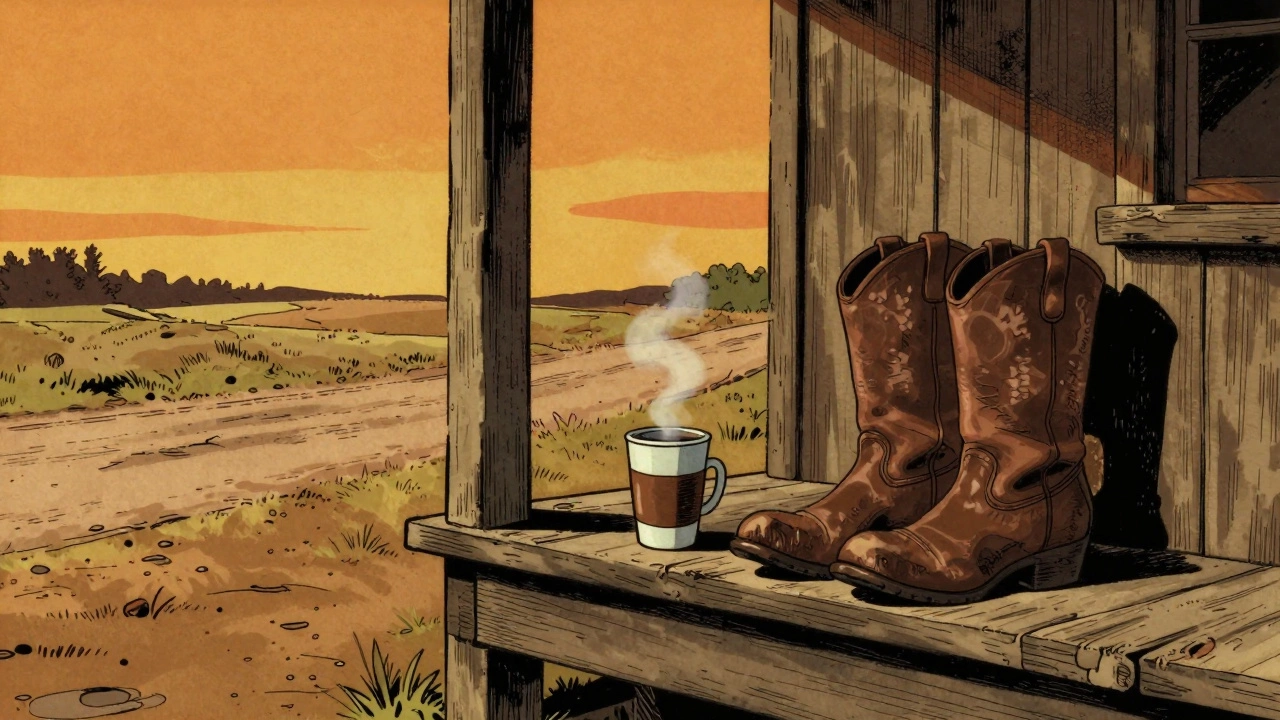

There is a specific feeling you get when a great country song hits. It’s not just the twang of a steel guitar or the boom-chuck rhythm of an acoustic strum. It’s the story. You hear about a dusty road, a broken heart in a small town, or the pride of hard work, and suddenly you are there. This is the power of country songwriting, which relies on detailed storytelling and rural life narratives to connect with listeners through authenticity and concrete details. Unlike pop songs that might focus on abstract vibes or dance beats, country music demands a beginning, a middle, and an end. It asks for truth.
If you want to write songs that resonate with this tradition, you have to understand how these stories are built. It’s less about complex chord progressions and more about capturing the essence of working-class life, family struggles, and the landscape itself. Let’s look at how you can craft these narratives effectively.
The Core Elements of Country Storytelling
At its heart, a successful country song rests on three pillars: the story, the hook, and the payoff. Think of your song as a mini-movie. The story arc provides the plot, describing a person, place, or event with enough detail that the listener can visualize it. The hook is usually the title line, carrying the emotional weight of the song. And the payoff is the twist, clever wordplay, or surprising conclusion that delivers the final emotional punch.
- Story: Verses function as scenes. They advance the plot or deepen our understanding of the character. Don’t just say someone is sad; show them staring at a cold coffee cup left on the shelf.
- Hook: This is often the chorus. It summarizes the theme. In classics like "Friends in Low Places" or "The Dance," the title serves as the thesis statement of the entire narrative.
- Payoff: This happens near the end, often in the bridge or final chorus. It changes the listener’s perspective. Maybe the narrator realizes they were wrong, or perhaps they find peace in a difficult situation.
Musicologist Jocelyn Neal notes that country music claims a lineage from early twentieth-century rural popular music. This means the genre has always valued immediate understandability. A good country song should be clear on the first listen. Avoid abstract emotions. Instead, anchor your feelings in physical objects and specific locations.
Crafting Authentic Rural Life Narratives
Rural life is more than just scenery; it’s a character in your song. When writing about rural life narratives, you need to tap into the tension between idealization and reality. Many songs romanticize small-town community, church bells, and dirt roads. But some of the best tracks also expose the hardship, lack of opportunity, and economic struggle inherent in those settings.
To make your rural narrative feel authentic, use concrete sensory details. Mention the smell of rain on hot asphalt, the sound of a tractor starting up, or the worn-out boots on a porch. These details ground the listener. Studies on country lyrics show that references to nature, farms, abandoned towns, and main streets help construct a sense of cultural virtue and identity.
Consider the duality of the rural experience. Is your character seeking refuge from city noise, like in Rascal Flatts’ "Mayberry"? Or are they proud of their "dirt-floor poor" roots, as seen in Montgomery Gentry’s "Something to Be Proud Of"? Your choice shapes the tone. Are you celebrating resilience or critiquing stagnation? Both approaches work, but they require honest observation rather than cliché.
Structuring the Narrative Arc
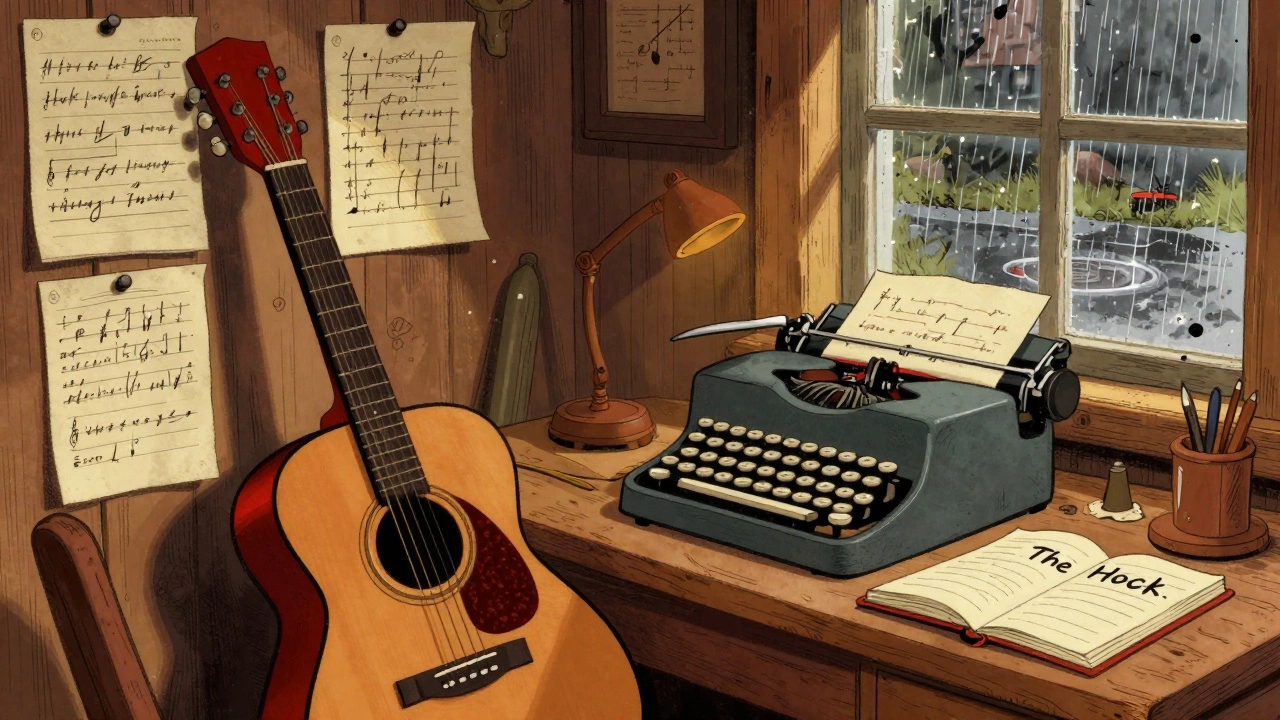
Most contemporary country songs follow a standard five-part form: verse-chorus-verse-chorus-bridge-chorus. However, the magic lies in how you use each section to move the story forward.
- Verse 1: Set the stage. Introduce the characters, the setting, and the initial conflict. Who is involved? Where are they? What do they want?
- Chorus: Deliver the emotional verdict. This is where the universal theme emerges from the specific story.
- Verse 2: Advance the plot. Something must happen. The relationship deepens, the problem worsens, or time passes.
- Bridge: Offer a new perspective or a twist. This is crucial for avoiding monotony. Introduce irony, a memory, or a sudden realization.
- Final Chorus: Resolve the tension. The listener should feel a sense of closure, whether happy or bittersweet.
Research analyzing thousands of songs shows that lyrics tend to build cognitive tension that peaks around the middle before dropping at the conclusion. Use this structure to guide your listener’s emotions. If the first verse introduces a breakup, the second verse might explore the aftermath, and the bridge could reveal why it really ended.
Gender, Class, and Modern Perspectives
Traditional country music often reflected conservative values, focusing on male protagonists in public spaces like bars and farms, while women were frequently relegated to roles of wives or sweethearts. However, modern songwriters are challenging these norms. Artists like Miranda Lambert, Kacey Musgraves, and Mickey Guyton use rural symbols-pickup trucks, cowboy boots, dive bars-to subvert traditional gender scripts.
You can bring fresh energy to your writing by exploring diverse perspectives within rural life. Not every country song needs to be about a truck or a beer. Consider the experiences of queer individuals in small towns, non-white rural communities, or women navigating patriarchal expectations. By expanding who gets to tell the story, you enrich the genre. As one 2026 analysis noted, using rustic sonic simplicity to support lyrics that encourage personal freedom regardless of gender creates powerful, resonant narratives.
Technical Simplicity Supports Complex Stories
One reason country storytelling works so well is its musical simplicity. You don’t need jazz chords or complex time signatures. Most classic country songs rely on basic I-IV-V chord progressions (like G-C-D). This harmonic simplicity keeps the focus on the lyrics.
In Nashville, songwriters often use the Nashville Number System, which uses roman numerals instead of chord names, allowing for easy transposition in the studio. For your home demos, stick to simple structures. Use boom-chuck rhythms on your acoustic guitar to mimic the heartbeat of the song. Keep your vocal melody conversational, mostly sticking to chord tones. This approach ensures that your words remain front and center.
Don’t overthink the music. If you’re struggling with a lyric, simplify the chords. The goal is clarity. As practitioners advise, start with a strong hook and build verses as scenes leading toward it. Let the melody serve the story, not distract from it.
| Aspect | Traditional Approach | Modern Evolution |
|---|---|---|
| Protagonist | Male, working-class, heterosexual | Diverse genders, sexualities, and backgrounds |
| Rural Depiction | Idealized, nostalgic, virtuous | Critical, nuanced, acknowledging hardship |
| Themes | Patriotism, religion, heartbreak | Identity, social justice, personal freedom |
| Musical Style | Simple I-IV-V, acoustic instruments | Blends with rock, pop, indie folk elements |
Practical Steps to Write Your First Country Story
Ready to try it yourself? Here is a step-by-step process based on advice from seasoned songwriters and educators.
- Find Your Title: Start with a phrase that intrigues you. It should hint at the story. "The Old Truck," "Sunday Morning Prayer," or "Last Call at the Dive Bar."
- Outline the Arc: Jot down the beginning, middle, and end. What happens in verse 1? How does it change by verse 2? What is the twist in the bridge?
- Gather Details: List sensory details related to your setting. Smells, sounds, textures. Use these to paint the scene.
- Draft the Chorus: Write the emotional core first. What is the main message? Make sure it connects back to your title.
- Fill in the Verses: Write the narrative scenes. Use dialogue if possible. Direct speech makes characters feel real.
- Refine and Simplify: Cut unnecessary words. Ensure the rhyme scheme is natural, not forced. Check that the melody supports the lyrical flow.
Remember, honesty is key. Write about what you know, even if you have to fictionalize the details slightly. The emotion must be true. As Keith Whitley and George Strait demonstrated, relatable characters and raw emotions resonate far more than technical virtuosity.
What are the most common themes in country songwriting?
Common themes include rural life, working-class struggles, family, religion, patriotism, heartbreak, and nostalgia. Songs often explore the tension between urban stress and rural peace, highlighting values like hard work, faith, and community loyalty.
How do I make my country song lyrics sound authentic?
Use specific, concrete details instead of abstract emotions. Describe physical objects, locations, and actions. Draw from real-life observations or research. Keep language conversational and avoid overly complex metaphors that obscure the story.
What is the typical structure of a country song?
Most country songs follow a verse-chorus-verse-chorus-bridge-chorus structure. Verses tell the story, choruses deliver the emotional theme, and the bridge offers a twist or new perspective. Simple chord progressions like I-IV-V are standard.
Can I write country songs if I don't live in a rural area?
Yes. While firsthand experience helps, you can research rural life, interview people from those communities, and draw on universal human emotions. Authenticity comes from emotional truth and detailed storytelling, not just geography.
How important is the 'payoff' in a country song?
The payoff is crucial. It’s the twist or revelation that gives the song its impact. Without a satisfying conclusion or unexpected turn, the story may feel flat. The payoff ties the hook and story together, leaving a lasting impression on the listener.


