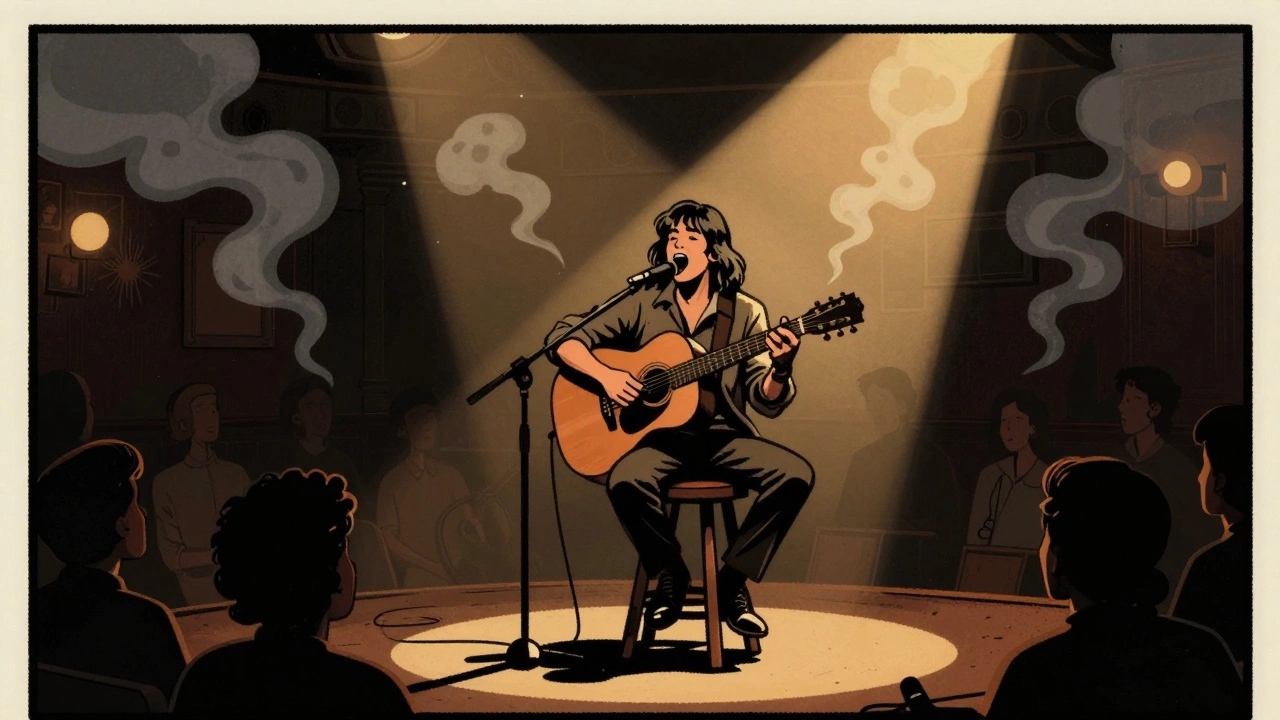

Imagine sitting in a dimly lit club in the early 1970s. The air is thick with smoke. On stage, a lone figure holds an acoustic guitar. There are no backing bands, no synthesizers, no flashy lights. Just a voice and a chord progression. When they start singing about their heartbreak, their addiction, or their existential dread, you don't just hear a song. You feel like you're eavesdropping on a diary entry.
This was the era of confessional songwriting, a mode where artists like Joni Mitchell, James Taylor, and Bob Dylan traded the polished pop of the previous decade for raw, unfiltered vulnerability. But this intimacy came with a heavy price tag. By turning their private lives into public art, these musicians navigated a dangerous tightrope between authenticity and exposure. How did they manage to share everything while keeping some things hidden? And why does this specific era still define how we view fame today?
The Birth of the Confessional Persona
To understand the 1970s, you have to look at what came before. In the 1950s and early 60s, popular music was largely constructed by teams of professional songwriters. Artists performed songs written by others. The "star" was often a vehicle for the material, not the source of it. Then came the shift. The singer-songwriter genre emerged, defined by one person writing, composing, and performing their own material. This wasn't just a musical change; it was a philosophical one.
The core idea was simple: if you write your own songs, the audience assumes they are true. This created a new contract between artist and listener. The artist promised honesty; the listener promised trust. This dynamic gave rise to the "confessional persona." It’s important to note that this persona is not the same as the actual person. It is a crafted version of self-a character played by the artist using real-life events as props. Joni Mitchell, for instance, didn't just sing about her life; she curated it, selecting which moments to highlight and which to obscure, creating a narrative arc that felt deeply personal yet carefully controlled.
This approach allowed artists to claim authority over their own stories. For women, in particular, this was revolutionary. In a male-dominated industry, female singer-songwriters used confession to assert their right to speak about their bodies, their relationships, and their desires. They turned the personal into the political, showing that private pain was connected to broader social structures.
Privacy Strategies in Plain Sight
You might think that being "confessional" means telling every single detail. If you look closely at the lyrics from the 1970s, you'll see the opposite. These artists were masters of indirection. They protected their privacy not by staying silent, but by being vague. They used metaphor, composite characters, and altered timelines to create emotional truth without factual accuracy.
Consider the technique of using concrete images instead of literal descriptions. Instead of naming the person who broke their heart, a songwriter might describe a specific room, a piece of clothing, or a weather pattern associated with that memory. This allows the listener to project their own experiences onto the song while keeping the subject's identity shielded. A single well-chosen image often carries more weight than a play-by-play account of events.
Another strategy was the use of universal themes. By focusing on emotions that everyone recognizes-love, loss, fear, hope-artists could make their songs relatable to millions while protecting the specifics of their own lives. The song becomes a mirror for the listener rather than a window into the artist's bedroom. This balance is delicate. Too much detail, and the song feels like gossip. Too little, and it feels hollow. The greats of the 70s found the sweet spot where the emotion rang true, even if the facts were fuzzy.
The Gender Dynamics of Exposure
Confession wasn't experienced equally by all artists. Women faced a unique set of challenges. While male artists like Bob Dylan were praised for their introspection, female artists like Joni Mitchell and Carole King were often scrutinized through the lens of feminine emotionality. Their confessions were sometimes dismissed as overly sentimental or neurotic, rather than recognized as artistic choices.
Despite this bias, these women carved out significant space. They demonstrated that vulnerability could be a source of strength, not weakness. By detailing dependency, betrayal, and autonomy in their relationships, they challenged the traditional roles expected of women. Their music became a site of cultural negotiation, where they fought for control over their own narratives. This legacy continues to influence how female artists navigate fame today, reminding us that sharing your story is an act of power, but also a risk.
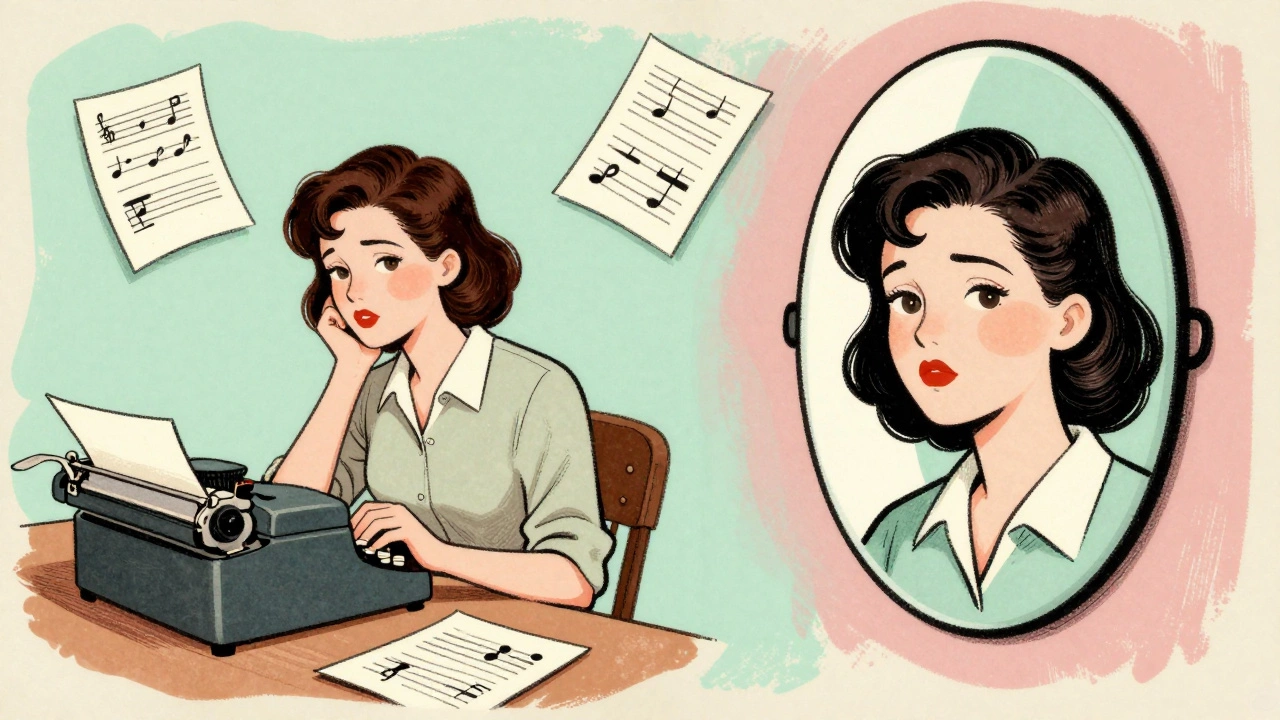
Authenticity vs. Polish: The Aesthetic of Imperfection
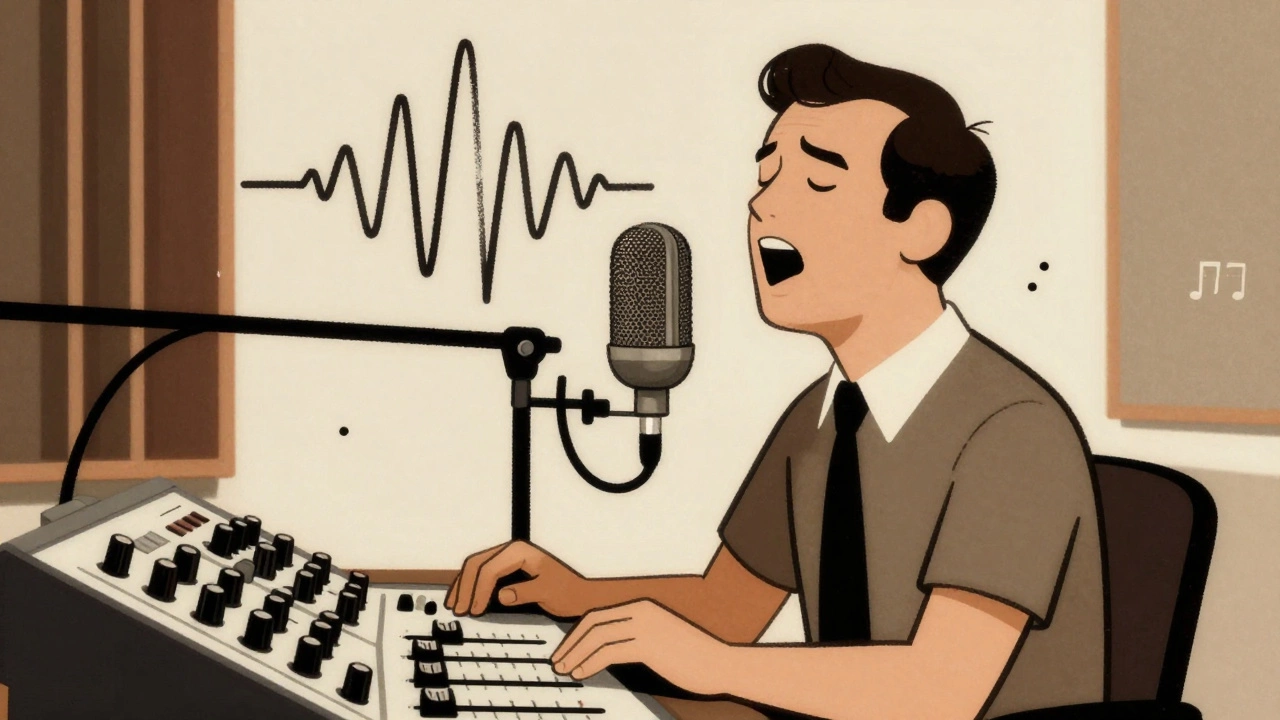
In the studio, the goal was often to capture the feeling of a live performance. Producers and engineers embraced imperfections. Breath sounds, slight cracks in the voice, and the rustle of guitar strings were left in the mix. These elements signaled honesty. In a world increasingly dominated by technology and artificiality, the human flaw became a badge of authenticity.
This aesthetic choice reinforced the confessional nature of the music. If the production was sparse and the vocals were raw, the listener felt closer to the performer. It created a sense of psychological intimacy, as if the artist was speaking directly to you in a quiet room. This contrasted sharply with the highly produced, multi-layered sound of disco or arena rock that was emerging at the same time. The singer-songwriter chose simplicity over spectacle, inviting the audience to listen with their hearts rather than just their ears.
Comparison: 1970s Confessional vs. Modern Pop
| Feature | 1970s Singer-Songwriter | Modern Confessional Pop |
|---|---|---|
| Medium | Albums, radio, print interviews | Social media, streaming, direct-to-fan apps |
| Pacing | Slow, reflective, album-oriented | Rapid, reactive, single-driven |
| Privacy Control | High (limited channels for leaks) | Low (constant digital surveillance) |
| Production | Minimalist, acoustic-focused | Polished, electronic, layered |
| Audience Relationship | Parasocial but distant | Hyper-connected, interactive |
The table above highlights key differences. In the 1970s, artists had more control over their narrative because there were fewer ways for fans to access their private lives. Today, social media blurs the line between art and life constantly. However, the core desire remains the same: audiences want to feel close to their idols. The 1970s established the template for this intimacy, proving that sharing your inner world can build a lasting connection with fans.
Practical Lessons for Modern Creators
If you're a writer or musician today, you can learn a lot from the 1970s confessional tradition. First, focus on emotional truth rather than factual accuracy. You don't need to reveal every detail of your life to make a song resonate. Use metaphor and imagery to convey how something felt. Second, embrace imperfection. Don't obsess over making your work flawless. Sometimes, the rough edges are what make it human. Third, remember that your audience wants to see themselves in your work. Write about universal experiences, even if they stem from very specific personal events. Finally, protect your privacy. You are not obligated to share everything. Curate your story. Decide what serves the art and what belongs to you alone.
Frequently Asked Questions
Who are the most famous confessional singer-songwriters of the 1970s?
Key figures include Joni Mitchell, known for her poetic and feminist perspectives; James Taylor, celebrated for his intimate ballads about heartbreak and anxiety; Carole King, whose album 'Tapestry' became a landmark of personal storytelling; and Bob Dylan, who shifted from protest anthems to more personal, abstract lyrics in albums like 'Blood on the Tracks.'
How did 1970s artists protect their privacy while writing confessional songs?
They used techniques like metaphor, composite characters, and altered timelines. Instead of naming names or giving exact dates, they focused on emotional truths and vivid imagery. This allowed them to express genuine feelings without revealing identifiable details about their private lives.
Why is the 1970s considered the golden age of confessional songwriting?
The 1970s saw the rise of the singer-songwriter as a dominant force in popular music. Cultural shifts towards individualism and psychological awareness encouraged artists to explore personal themes. Additionally, the lack of digital media meant artists had more control over their public image, allowing for a curated form of intimacy that felt authentic but safe.
What is the difference between confessional songwriting and autobiographical songwriting?
Autobiographical songwriting aims for factual accuracy, documenting specific events as they happened. Confessional songwriting prioritizes emotional truth. It may use fictional elements, metaphors, or exaggerated details to convey how an experience felt, rather than exactly what occurred. The goal is resonance, not documentation.
How did gender influence confessional songwriting in the 1970s?
Female artists often faced stricter scrutiny and were sometimes dismissed as overly emotional. However, many used confession to challenge traditional gender roles and assert their voices in a male-dominated industry. They turned personal narratives into political statements, exploring themes of autonomy, relationships, and identity.
Can modern artists replicate the 1970s confessional style?
Yes, but the context has changed. Modern artists must navigate social media and constant connectivity, which makes total privacy difficult. However, the core techniques-using metaphor, focusing on emotional truth, and embracing imperfection-remain effective. Many contemporary artists, like Taylor Swift or Phoebe Bridgers, draw heavily on this lineage.
What role did production play in confessional music?
Production was typically minimalist, featuring acoustic instruments and close-miked vocals. This sparse arrangement highlighted the lyrics and the artist's voice, creating a sense of intimacy. Imperfections like breath sounds were often kept in to signal authenticity and human vulnerability.


