
Walk down Jerome Avenue in the Bronx on a warm summer night, and you might feel the ground shake before you hear the music. That rumble isn't just background noise; it is the heartbeat of a cultural tradition that has defined the borough for decades. From the legendary block parties of the 1970s to the modern-day car meetups with custom audio systems costing up to $25,000, Bronx sound system culture remains a powerful force. It is a story about volume, yes, but also about resistance, identity, and the way communities claim their space through sound.
The Jamaican Roots of the Bronx Beat
To understand why the Bronx sounds the way it does, you have to look across the Atlantic to Jamaica. In the 1950s and 60s, Kingston’s inner-city neighborhoods gave birth to the "sound system." These weren’t just speakers; they were social institutions. As historian Norman C. Stolzoff noted, these setups acted as "the people's radio station." They played imported American R&B and local reggae at volumes that could be heard blocks away. For working-class Black communities, this was more than entertainment. It was a tool for news, organizing, and claiming public space in a world that often ignored them.
This ethos traveled with immigrants to New York. By the late 1960s, Clive Campbell-better known to the world as DJ Kool Herc, a key figure in the birth of hip-hop music-had moved from Kingston to the Bronx. He brought with him the competitive spirit of Jamaican "sound clashes" and the technique of "toasting," where MCs would hype the crowd over the instrumental breaks of records. Herc didn't just bring the music; he brought the philosophy that the bass should hit you in the chest, making the experience physical rather than just auditory.
The Night Everything Changed: August 11, 1973
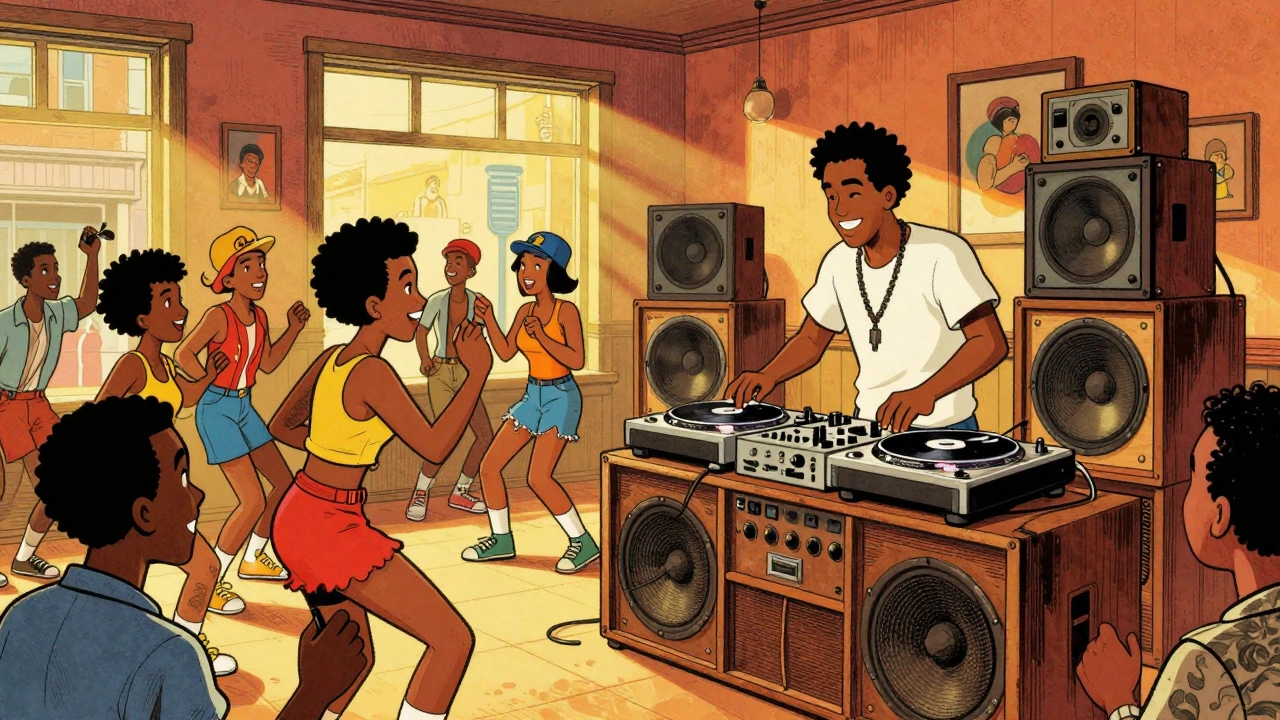
If there is a single moment when sound system culture shifted from a neighborhood pastime to a global phenomenon, it was August 11, 1973. At a "back-to-school" party in the recreation room of 1520 Sedgwick Avenue, the historic building in the Bronx where hip-hop began, Herc set up his rig. The entry fee was cheap-25 cents for women, 50 cents for men-but the impact was priceless. Herc used two turntables and multiple large speakers, wiring them directly into the building’s power grid to avoid blowing fuses. This allowed him to isolate the percussive "breaks" in funk records, looping them to keep dancers moving.
Attendees described it as the loudest system in the neighborhood. It wasn't just about decibels; it was about presence. The Herculords, Herc’s crew, anchored gatherings of hundreds of teens. This setup became the sonic blueprint for early hip-hop. It proved that you didn't need a stadium or a band to create a massive event. You needed good speakers, a keen ear for rhythm, and a community ready to dance.
Building the Rig: Technology and Tactics
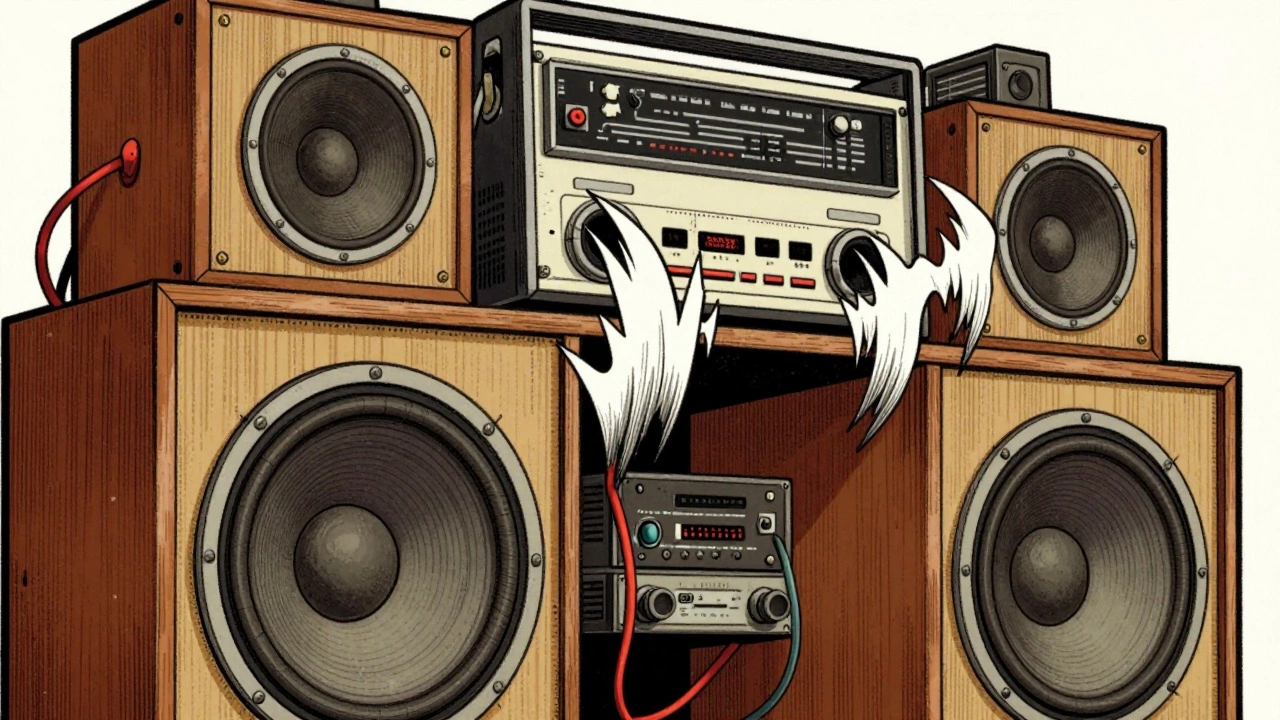
The technology behind these early systems was DIY by necessity. DJs in the 1970s and 80s built rigs from home amplifiers and wooden cabinets housing 15-inch or 18-inch woofers. The goal was to emphasize bass frequencies between 30 and 80 Hz. This low-end range creates the physical pressure that makes your heart race and your feet move. Mid-range horns and tweeters were stacked to project vocals across schoolyards and parks.
Power was a constant challenge. Household circuits couldn't handle the load of high-volume parties running from 8 p.m. to 4 a.m. So, DJs tapped into street lines or venue main circuits. This technical ingenuity was part of the culture. It required knowledge of electronics, carpentry, and logistics. Today, that same drive for extreme bass lives on in the "boom car" scene. Enthusiasts invest thousands of dollars into custom installations, using amplifiers that deliver thousands of watts RMS to subwoofers. Shops like Elite in Longwood cater to this demand, helping Dominican and Puerto Rican communities build systems that cost up to $25,000 per vehicle.
Community vs. Complaints: The Noise Debate
High volume is a double-edged sword. For practitioners, loud bass is a celebration of life and heritage. For neighbors trying to sleep, it can be a nightmare. This tension is starkly visible in recent data. Between January 1 and December 31, 2025, Bronx Community District 12 logged 153,082 service calls to 311. Nearly all were noise complaints. This number dwarfs other districts, highlighting a significant clash between cultural expression and residential peace.
Residents are divided. Some, like Woodlawn resident Brian Anderson, describe the sound from car meetups as "staggering" and support police crackdowns. Others, including car owners whose vehicles have been seized, argue they are not trying to bother anyone but are engaging in cultural bonding. The NYPD has responded with enforcement actions, seizing vehicles and issuing summonses during events near Van Cortlandt Park. Yet, the culture persists. It adapts. What looks like chaos to an outsider is often a tightly knit network of friends and family sharing music in spaces they own collectively, if only for the night.
Sound Systems as Resistance and Unity
Why do people risk fines and police attention for this? Because sound system culture has always been about more than music. Dub-Stuy’s essay "Babylon Falling" describes these systems as tools of resistance against social injustice. In the South Bronx of the 1970s, disinvestment and gang violence were rampant. Block parties offered a safe haven. They brought together African-American, Jamaican, and Latino youth who might otherwise have been at odds. The shared experience of feeling the bass created a sense of cohesion.
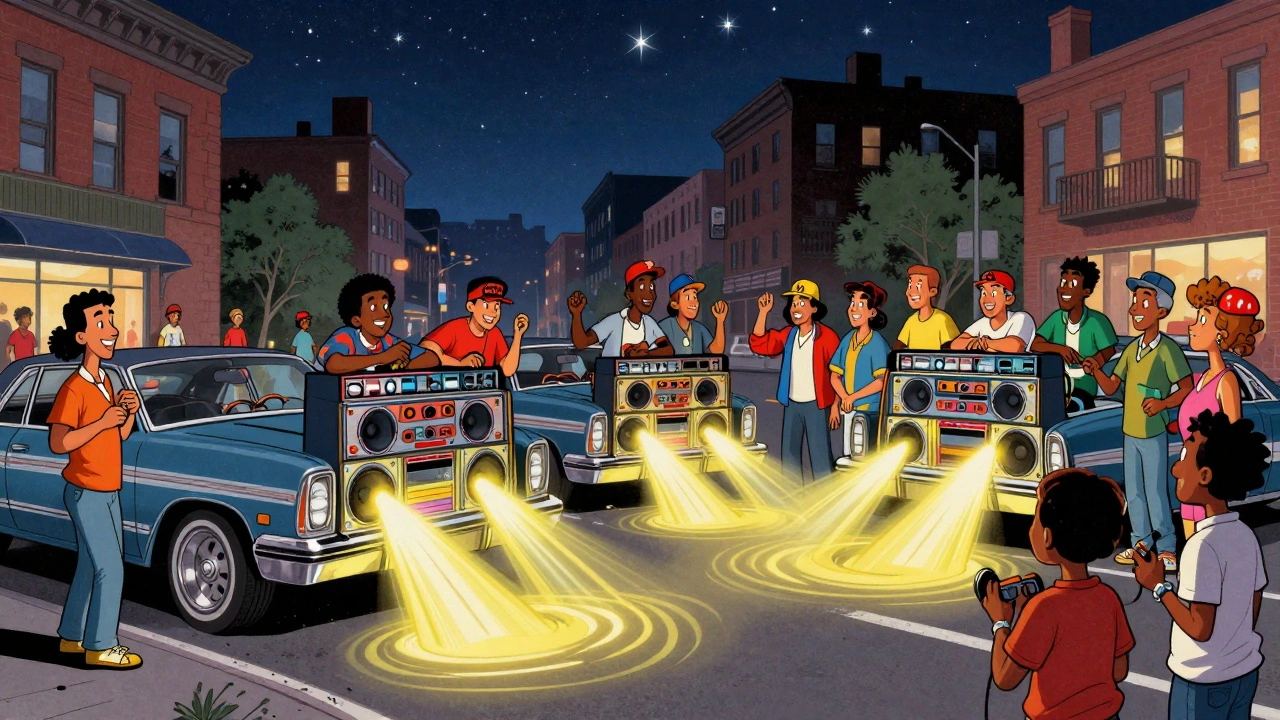
Today, that unity continues. Street festivals and park jams function as temporary autonomous zones. Marginalized communities gather safely, dance, and broadcast their presence. The sheer volume demands attention from the urban landscape. It says, "We are here." This political dimension is crucial. It transforms noise into voice. Even as commercial clubs rise, informal jams remain vital for neighborhood cultural life, connecting teenagers to older Caribbean immigrants through a shared love of rhythm and bass.
The Future of Bronx Bass
As we move further into the 2020s, the future of sound system culture hangs in the balance. City officials are considering stricter noise-cancelling measures and increased enforcement. This could limit spontaneous block parties and parking-lot sessions. However, the culture has survived raids in Kingston and club crackdowns in New York for over 60 years. It is resilient.
We may see a shift toward more formally permitted events or negotiated quiet-hour agreements. Technology might play a role too, with directional speakers or battery-powered options reducing the need for dangerous electrical tapping. But the core desire won't change. People will always want to feel the music. Whether through a vintage stack at a Sedgwick Avenue commemoration or a modern boom car on Jerome Avenue, the Bronx will continue to amplify its community voices. The bass may get louder, or it may get smarter, but it will never stop beating.
| Era | Key Characteristics | Social Impact |
|---|---|---|
| 1970s (Origins) | DJ Kool Herc, 1520 Sedgwick Ave, DIY speaker stacks, break-beat looping | Birth of hip-hop, cross-cultural youth unity, safe spaces in South Bronx |
| 1980s-1990s (Expansion) | Larger PA systems, mobile units, integration with club scenes | Mainstream recognition of hip-hop, continued community organizing |
| 2000s-2010s (Car Audio Rise) | Boom cars, custom trunk builds, digital amplification | Subcultural identity for Caribbean/Latino youth, increased noise complaints |
| 2020s (Current) | $25k+ custom systems, 311 data tracking, regulatory pressure | Tension between heritage preservation and residential quality of life |
What started sound system culture in the Bronx?
Sound system culture in the Bronx was largely sparked by Jamaican immigrant DJ Kool Herc (Clive Campbell). He brought the traditions of Kingston dancehalls to New York, emphasizing high-volume bass and extended drum breaks. His back-to-school party at 1520 Sedgwick Avenue on August 11, 1973, is widely considered the birthplace of hip-hop and a pivotal moment for Bronx sound systems.
Why are there so many noise complaints in the Bronx?
The Bronx has seen a surge in noise complaints due to the prevalence of loud block parties and "boom cars" with custom audio systems. In 2025 alone, Community District 12 logged over 153,000 service calls, mostly related to noise. This reflects a clash between residents seeking quiet and communities using loud music for cultural expression and gathering.
How much does a serious Bronx car audio system cost?
Enthusiasts in the Bronx often invest heavily in their car audio setups. Custom systems, particularly those popular in Dominican and Puerto Rican "chopo" culture, can cost up to $25,000. These builds include multiple subwoofers, high-wattage amplifiers, and extensive wiring to achieve extreme bass levels.
What is the connection between Jamaican sound systems and hip-hop?
Hip-hop originated from Jamaican sound system culture. DJ Kool Herc adapted techniques like "toasting" (MCing) and isolating instrumental breaks from reggae and dub records. He applied these methods to funk and soul records in the Bronx, creating the foundational elements of hip-hop DJing and MCing.
Is sound system culture still active in the Bronx today?
Yes, sound system culture remains very active. It manifests in traditional block parties, park jams, and modern car meetups. While facing increased regulatory pressure and noise complaints, it continues to serve as a vital form of community bonding and cultural expression for diverse groups in the borough.