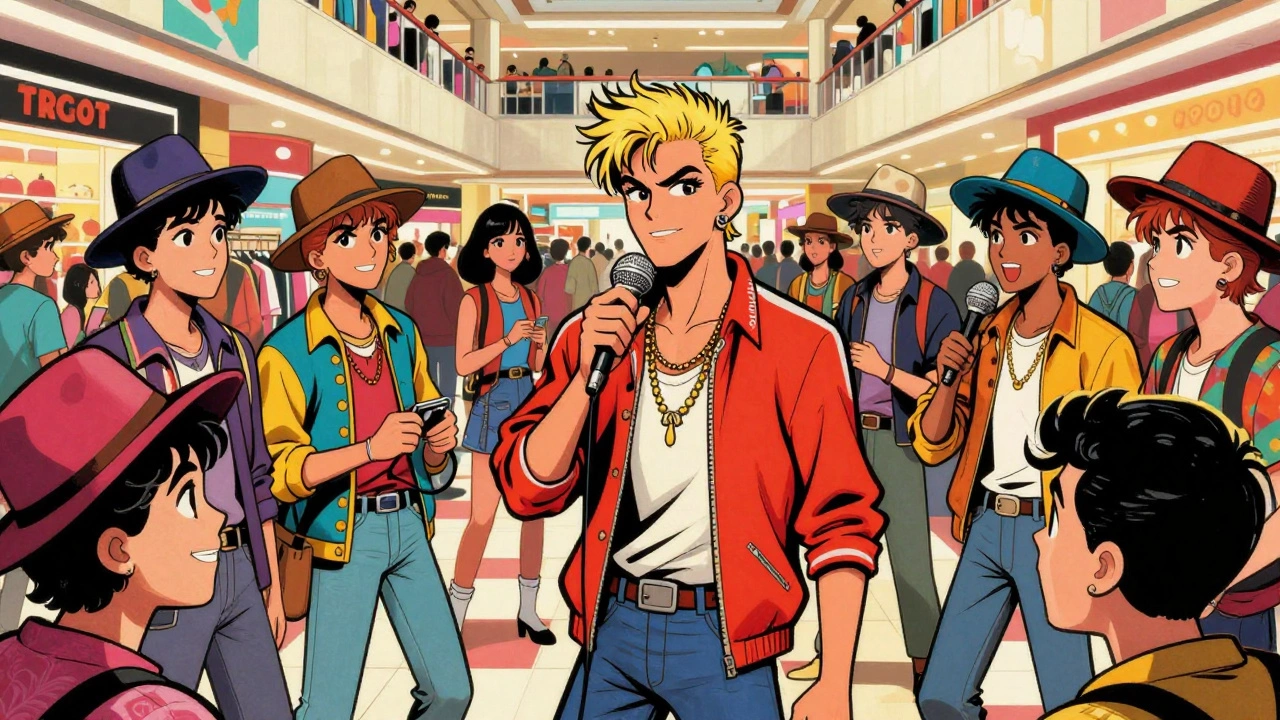

Imagine walking into a suburban shopping mall in 1983. The air smells like hairspray and cheap perfume. On the radio, Culture Club is playing a synth-pop anthem that blends reggae rhythms with pop melodies. You look around and see teenagers-boys and girls alike-wearing oversized hats, heavy eyeliner, and brightly colored tunics. This wasn’t just a trend; it was a cultural earthquake. At the center of this shift stood Boy George, born George Alan O’Dowd, a singer whose appearance forced millions to rethink what it meant to be a man or a woman.
His look didn’t happen by accident. It was a deliberate, bold statement against the rigid gender rules of the time. Today, we might call his style "gender-fluid" or "non-binary." In the early 1980s, however, journalists called it "gender bending," often with a mix of confusion and judgment. But for fans, especially young people who felt stuck between societal expectations, Boy George offered something rare: permission to be themselves.
The Roots of Rebellion: London in the 1970s
To understand why Boy George’s look was so shocking, you have to look at where he came from. He grew up in south-east London during the 1970s. This wasn’t a glamorous era for anyone, but for a gay teenager, it could be dangerous. Homophobia was widespread, and bullying was common. George faced hostility at school and even within his own family.
In response, he found refuge in London’s underground club scene. Places like Blitz Club became safe havens for queer youth and artists who rejected traditional masculinity. Here, clothing wasn’t just fabric; it was armor. Makeup wasn’t vanity; it was identity. George absorbed these influences, mixing elements from glam rock, a music genre known for its theatricality and androgynous performers (think David Bowie) with the raw energy of punk and the flamboyance of New Romanticism.
This environment taught him that visibility was power. By dressing in ways that confused critics, he protected himself while simultaneously declaring his existence. His memoir, Karma: A Story of a Boy Who Became a Man, details how these early struggles shaped his later persona. The stage name "Boy George" itself was a playful nod to this duality-he was a boy, but also something more complex.
Deconstructing the Signature Look
What exactly made Boy George’s style so iconic? It wasn’t one single item, but a carefully curated combination of elements that blurred the lines between masculine and feminine coding.
- Hair: His most recognizable feature was his hair. Often styled in long braids, dreadlocks, or voluminous curls, it defied the short, neat cuts expected of men in the 1980s. The texture and length challenged notions of male grooming standards.
- Makeup: He wore foundation, blush, eyeshadow, and lipstick openly. This wasn’t subtle contouring; it was full-face cosmetics that highlighted his features rather than hiding them. For many viewers, seeing a male pop star wear makeup on television was unprecedented.
- Clothing: His wardrobe included oversized hats, loose tunics, patterned leggings, and unstructured coats. These garments obscured the body’s shape, rejecting the muscular, tailored silhouettes favored by other male stars like Duran Duran or Spandau Ballet.
- Accessories: Scarves, jewelry, and eclectic patterns added layers of visual interest. Nothing was plain; everything was expressive.
This ensemble created an image that fit the definition of androgyny: the display of characteristics associated with both sexes. He didn’t dress "as a woman" nor did he adhere to strict "men’s wear." Instead, he occupied a space in between, creating a new aesthetic language.
| Artist | Primary Style | Gender Coding | Key Elements |
|---|---|---|---|
| Boy George | Androgynous / New Romantic | Fluid / Ambiguous | Braids, makeup, tunics, hats |
| Duran Duran | Sleek / Preppy | Hyper-masculine | Tailored suits, short hair, polished looks |
| Madonna | Sexualized Femininity | Feminine / Provocative | Lace gloves, crucifixes, layered skirts |
Media Reaction vs. Fan Adoption
When Culture Club first broke through with hits like "Do You Really Want to Hurt Me" and "Karma Chameleon," the media was baffled. Critics used terms like "gender bender" to describe George, often implying that his appearance was bizarre or unnatural. Some outlets tried to pathologize his look, treating it as a spectacle rather than a valid form of self-expression.
However, fans told a different story. Teenagers across Europe and North America began copying his style. Boys started wearing eyeliner. Girls adopted his braided hairstyles. This mass adoption was significant because it brought androgynous fashion out of niche clubs and into mainstream society. Schools and malls became spaces where gender norms were quietly negotiated.
This disconnect between critical reception and public embrace highlights a key point: Boy George’s influence worked from the bottom up. While pundits debated the meaning of his look, everyday people saw an opportunity to express themselves more freely. His style became aspirational, offering a template for individuality in a conformist era.
Breaking the Binary: Cultural Impact
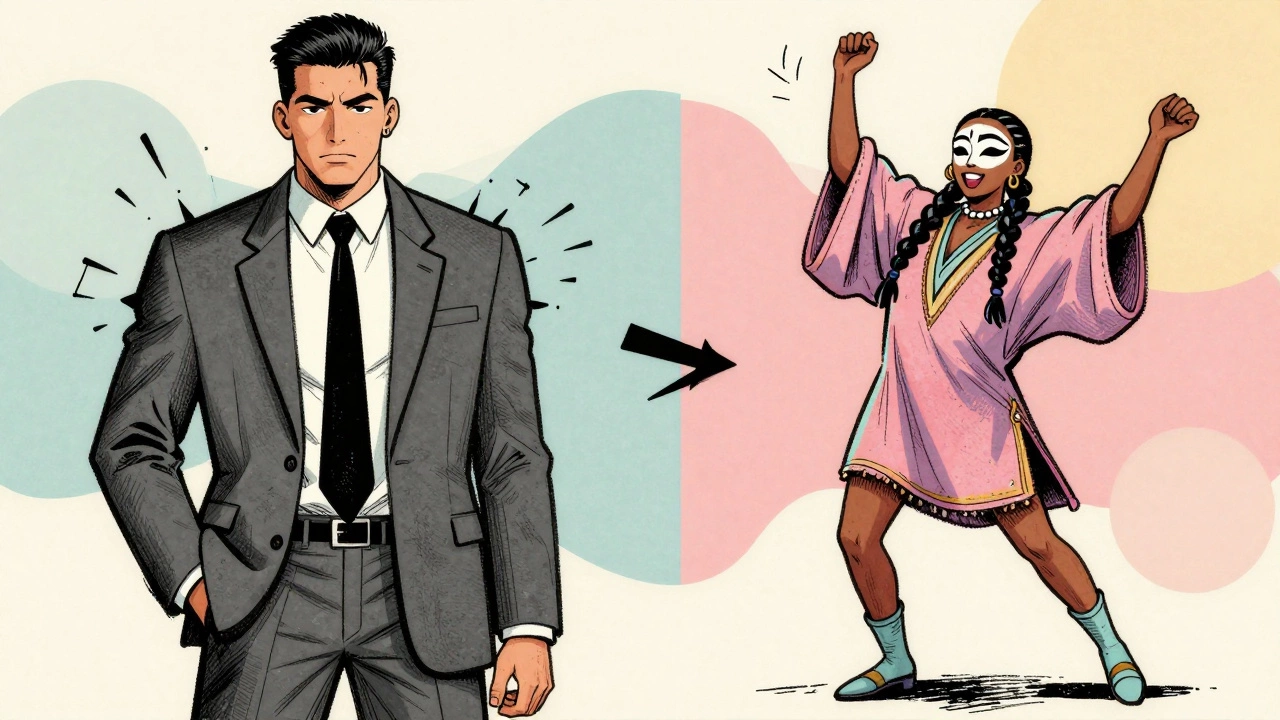
Why did Boy George’s look matter beyond fashion? Because it challenged the link between biological sex, gender presentation, and social role. In the 1980s, mainstream culture still largely enforced a binary view of gender. Men were supposed to be strong, stoic, and minimally adorned. Women were expected to be nurturing and heavily styled.
By appearing on MTV and in music videos with a gender-ambiguous image, Boy George normalized the idea that a successful male artist could defy these expectations. He proved that you could be commercially viable without adhering to traditional masculinity. This paved the way for future generations of queer and gender-nonconforming artists, from Prince to Harry Styles.
His legacy isn’t just about clothes; it’s about visibility. As an openly gay man in an era when homosexuality was still criminalized in some places, his presence on global stages was a radical act. He showed that queer identities could exist in the spotlight, not hidden away. This contributed to a broader cultural shift toward accepting diversity in gender expression.
Lasting Legacy in Modern Fashion
Today, we live in a world where gender-fluid fashion is increasingly accepted. Designers regularly create collections that ignore traditional menswear and womenswear categories. Celebrities like Jaden Smith and Sam Smith embrace androgynous styles without facing the same level of backlash that Boy George did.
Yet, we shouldn’t forget that pioneers like George made this possible. His work in the 1980s helped reshape the apparel industry, encouraging brands to produce unisex items. The "androgynous playground" of the 1980s laid the groundwork for today’s inclusive fashion landscape.
Moreover, his story remains relevant for discussions around LGBTQ+ history. Books and documentaries continue to explore his life, emphasizing how his personal journey intersected with larger social changes. He represents a bridge between the underground queer movements of the 1970s and the mainstream acceptance sought by activists today.
Was Boy George the first person to dress androgynously?
No, he was not the first. Artists like David Bowie, Marc Bolan, and Freddie Mercury experimented with gender-bending styles in the 1970s. However, Boy George brought androgyny to a wider, more mainstream audience in the 1980s through pop music and heavy media exposure.
How did Boy George’s upbringing influence his style?
Growing up gay in 1970s London exposed him to homophobia and bullying. He found solace in alternative club scenes where expressive clothing was a form of resistance. His style became a way to reclaim visibility and assert his identity despite societal pressures.
What is the difference between androgyny and cross-dressing?
Cross-dressing typically involves wearing clothes traditionally associated with the opposite sex. Androgyny, as demonstrated by Boy George, blends masculine and feminine elements to create a look that doesn’t fit neatly into either category. It’s about ambiguity rather than imitation.
Did Boy George face professional consequences for his look?
While some critics dismissed him, his unique image actually helped Culture Club stand out in a crowded market. His androgynous style became a brand asset, contributing to their commercial success and lasting fame.
How does Boy George’s legacy impact modern fashion?
He helped normalize gender-fluid aesthetics in mainstream culture. Today’s fashion industry’s move toward unisex collections and diverse representation owes much to the groundwork laid by artists like him who challenged binary norms decades ago.