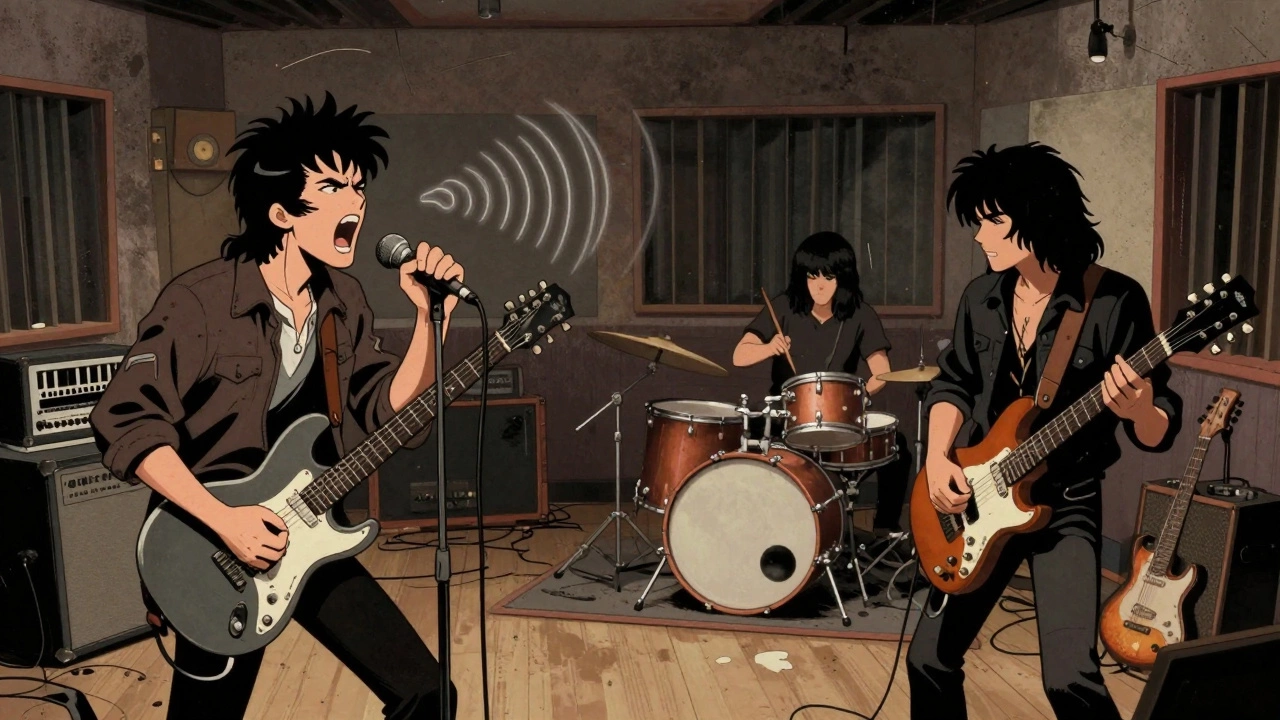

Imagine it is late 1981. The air in North Hollywood smells like stale beer and sweat. In a small studio called Unicorn, four guys are tracking an album that will change everything. They don’t have a big budget. They don’t have radio support. What they have is raw anger, speed, and a sound so thick it feels like a physical weight. That album is Damaged, the debut full-length by Black Flag.
You might know Black Flag from their logo or their reputation for chaos. But before you dive into the noise, understand this: Damaged wasn't just another punk record. It was the moment hardcore stopped being a local secret and became a global movement. If you want to understand why kids started cutting their hair short and screaming lyrics about depression in your living room, you need to look at these 34 minutes of music.
The Lineup That Changed Everything
To get the right sound, you need the right people. By mid-1981, Black Flag had a new voice. Enter Henry Rollins. He hadn’t even joined the band yet when he walked onto stage during a show in New York, grabbed the mic, and sang "Clocked In." The crowd went wild. Greg Ginn hired him on the spot.
This lineup-Rollins on vocals, Greg Ginn on guitar, Chuck Dukowski on bass, and Roberto "Robo" Valverde on drums-is often called the classic era. But here is the twist: this was their first real album together. Before Rollins, the band sounded different. Faster, maybe, but less heavy. Less emotional. Rollins brought a low, barking shout that felt dangerous. Ginn provided the jagged, dissonant riffs. Together, they created a texture that was neither pure punk nor quite metal yet. It was something new.
Recording in a Basement, Not a Studio
Most rock albums in 1981 cost over $100,000 to make. Bands spent weeks polishing every note. Black Flag did it differently. They recorded Damaged at Unicorn Studios in North Hollywood. The engineer was Spot (Glen Lockett). The budget? A few thousand dollars. That’s it.
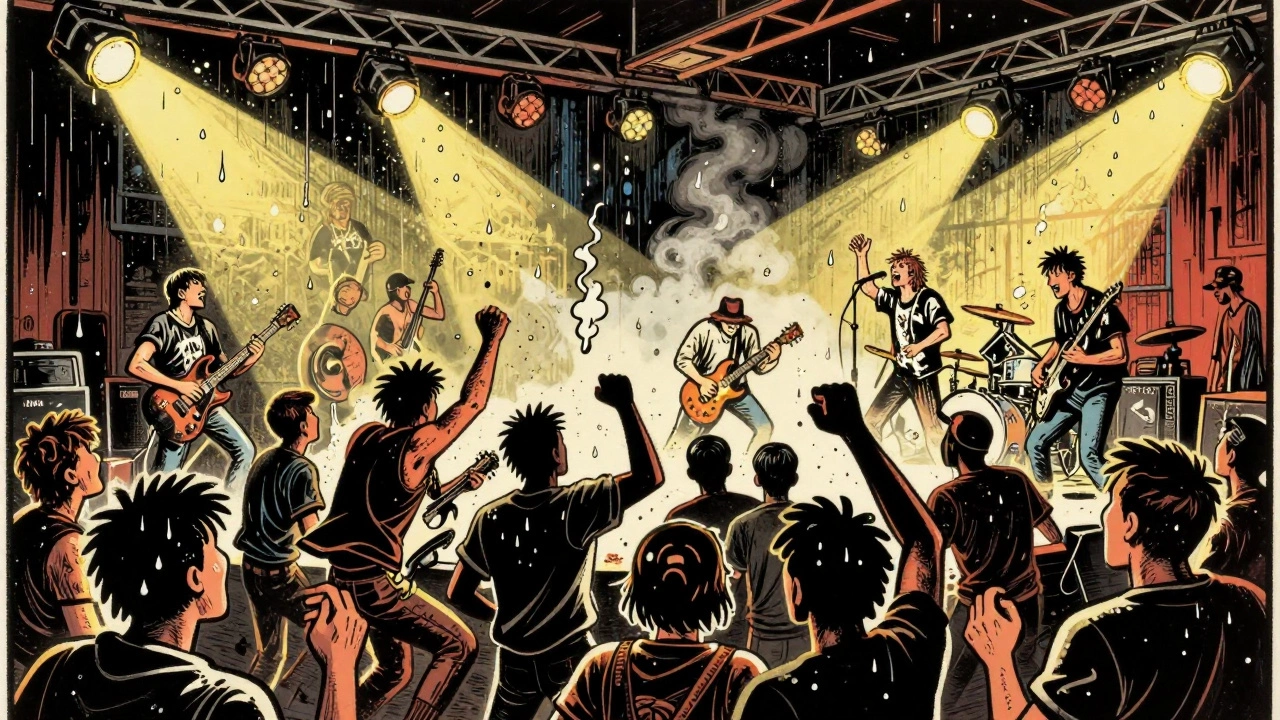
They tracked most of the songs live. No fancy overdubs. No reverb tanks. The mix is dry, close-mic’d, and claustrophobic. You can hear the room breathing. You can hear the amp hum. This isn’t a flaw; it’s a feature. The production makes you feel like you’re standing five feet from the speakers in a sweaty VFW hall. When Greg Ginn hits those feedback-drenched chords, they cut through the mix like a knife. It’s abrasive, sure, but it’s also honest.
There was drama behind the scenes, too. Unicorn Records, which distributed their earlier single "Louie Louie," expected to release the album. But MCA, the major label backing Unicorn, refused. Their quality control team reportedly called it an "anti-parent record." So, Black Flag’s own label, SST Records, released it independently. Catalog number SST 007. No marketing budget. Just word-of-mouth and relentless touring.
Breaking Down the Tracks
Damaged has 15 tracks and runs about 34 minutes. It’s not a collection of singles; it’s a cohesive statement. Let’s look at how it moves.
It opens with "Rise Above." Clocking in at 2:27, it sets the tone immediately. The riff is simple, repetitive, and anthemic. Rollins screams, "We are tired of your abuse / Try to stop us, it’s no use." It’s a direct challenge to authority, perfect for the early Reagan years. Then comes "Spray Paint (The Walls)," a 33-second burst of noise that acts as a palate cleanser.
"TV Party" is perhaps the most famous track. It satirizes suburban apathy by listing TV shows in a chant-like chorus. It’s catchy, almost playful, which makes the aggression of the surrounding tracks hit harder. Meanwhile, "Police Story" tackles law enforcement brutality with frantic energy. These songs aren’t just fast; they’re precise. Robo’s drumming is heavy and galloping, providing a metallic backbone that faster bands like Minor Threat didn’t always have.
But the real shockers are the slower songs. "Depression" and "Damaged I" slow the tempo down significantly. "Damaged I" lasts over three minutes-a lifetime in hardcore terms. Here, Rollins explores self-hatred and mental disintegration. It’s introspective, dark, and deeply personal. This shift showed the world that hardcore could be more than just political slogans. It could be a vehicle for deep emotional pain.
| Track Name | Duration | Theme/Vibe |
|---|---|---|
| Rise Above | ~2:27 | Anthemic resistance, high energy |
| TV Party | ~3:29 | Satire of consumer culture, chant-along chorus |
| Police Story | ~1:30 | Frantic aggression, social commentary |
| Damaged I | ~3:20 | Slow, heavy, introspective despair |
The Cover Art and Iconography
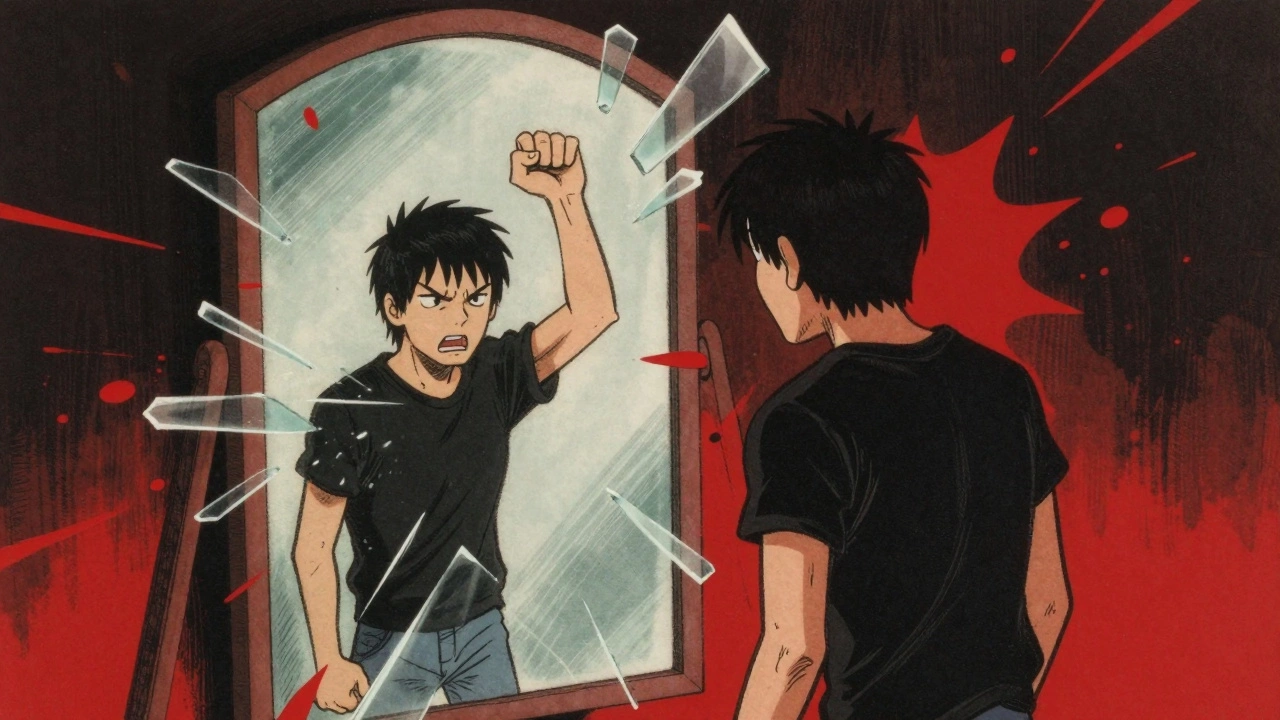
You cannot talk about Damaged without talking about the cover. Photographed by Ed Colver, it shows Henry Rollins punching a mirror. Blood sprays everywhere. Shards of glass fly. It’s shocking, visceral, and unforgettable.
This image became iconic. It defined the visual aesthetic of hardcore punk. It wasn’t just a photo; it was a statement. It said, "This music hurts. This life hurts." Along with Raymond Pettibon’s artwork for later releases and the four-bar logo designed by Greg Ginn, this cover helped build a brand identity that was instantly recognizable. It communicated extremity without saying a word.
Why It Matters Today
When Damaged came out, mainstream magazines ignored it. Rolling Stone didn’t review it. But underground fanzines like Flipside and Maximumrocknroll praised it. Over time, the tide turned. Critics realized they had missed something huge.
Today, Damaged sits firmly in the canon. Rolling Stone ranked it #340 in its 2012 "500 Greatest Albums of All Time" list and #487 in the 2020 revision. Pitchfork placed it #25 on their "Top 100 Albums of the 1980s" list. AllMusic gave it five stars. But numbers don’t tell the whole story.
The influence is undeniable. Kurt Cobain cited it as a favorite album. Nirvana covered Black Flag songs live. Metallica members have credited Black Flag with inspiring their early thrash intensity. Post-hardcore bands like Fugazi and Sonic Youth absorbed the dissonant guitar language and lyrical introspection found on this record. It bridged the gap between punk and metal, creating a path for grunge, sludge, and alternative rock.
For collectors, original SST pressings are valuable. An early pressing in good condition can go for $40-$60 or more. But you don’t need to spend that much to experience it. Reissues are widely available on vinyl, CD, and streaming platforms. The sound remains impactful regardless of the format.
How to Listen
If you’re new to hardcore, Damaged might be intense. The vocals are shouted, not sung. The guitars are distorted. The themes are bleak. But listen closely. Notice the dynamics. Notice how the quiet parts make the loud parts hit harder. Notice the humanity in Rollins’ voice. He’s not just screaming; he’s expressing frustration, fear, and anger that many people feel but rarely articulate.
Put it on. Turn it up. Let the 34 minutes wash over you. It’s not just history. It’s still alive.
Who is on the classic Black Flag lineup for Damaged?
The lineup consists of Henry Rollins (vocals), Greg Ginn (guitar), Chuck Dukowski (bass), and Roberto "Robo" Valverde (drums). This group is widely considered the definitive Black Flag era.
What label released Damaged?
SST Records released the album in late 1981. It was catalog number SST 007. Originally, Unicorn Records was supposed to release it, but their distributor MCA rejected the album.
Is Damaged a punk or metal album?
It is primarily classified as hardcore punk. However, Greg Ginn’s heavy, dissonant guitar work and the slower tempos on tracks like "Damaged I" influenced the development of sludge metal and thrash metal. It sits at the intersection of both genres.
How long does the album Damaged last?
The album runs approximately 34 minutes across 15 tracks. This was relatively short for a full-length LP at the time, allowing for a dense, uninterrupted listening experience.
Why is the cover of Damaged so famous?
The cover features a photo by Ed Colver of Henry Rollins punching a mirror, resulting in blood and shattered glass. It became an iconic image representing the violence and intensity of the hardcore punk scene.


