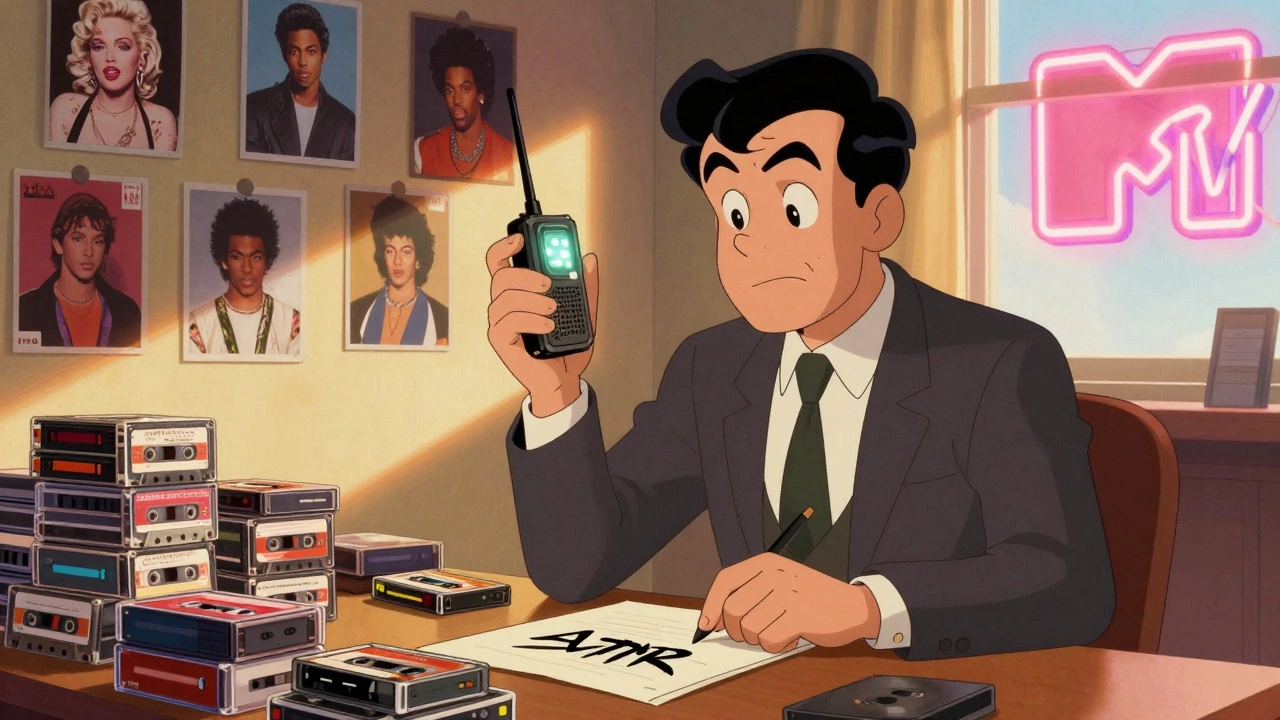

The 1980s didn’t just change the sound of music-it changed how artists were found, shaped, and pushed into the spotlight. Back then, record labels didn’t just sign talent. They built it. And the engine behind that process? Three things: A&R, demos, and showcase gigs. No social media. No YouTube. No Spotify. If you wanted to get heard, you had to show up-in person, on tape, and in front of the right people.
What A&R Really Did in the 1980s
A&R stood for Artist and Repertoire, but in the 1980s, it wasn’t just about finding singers. It was about finding products. Labels had shifted from the old-school model of nurturing artists over years to a numbers game. A&R reps weren’t just listening for great voices-they were hunting for hits. One song. One video. One moment that could go platinum.
Think about it: Michael Jackson’s Thriller sold 66 million copies. That wasn’t luck. That was A&R strategy. Labels poured money into artists who looked like stars, sounded like radio, and moved like performers. A&R teams had targets: 100 demos reviewed per week, five showcases attended per month, three new signings per quarter. It wasn’t art. It was assembly.
Reps didn’t wait for artists to knock on their doors. They scoured clubs in New York, Chicago, L.A., and Atlanta. They listened to college radio. They read fanzines. They watched MTV-not for the music, but for the visuals. If an artist didn’t look good on camera, they didn’t get signed. That’s why bands like Duran Duran and Eurythmics exploded in the U.S. They didn’t just have hits-they had style. And A&R knew it.
The Demo Tape: Your Only Shot
If you were an unsigned artist in 1983, your demo tape was your resume, your portfolio, and your last hope. No one sent MP3s. No one uploaded to SoundCloud. You recorded on a 4-track cassette. Maybe in your basement. Maybe in a friend’s garage. You spent your last $200 on studio time, hoping it sounded professional enough to get a call.
Labels didn’t listen to full albums. They listened to one song. Maybe two. The first track had to grab them in the first 15 seconds. No slow builds. No 8-minute jams. If your demo didn’t have a hook, a beat, or a look (even if it was just on the cover), it got tossed.
Some artists sent out 50 demos a year. Others sent 100. You didn’t just mail them. You followed up. You called. You asked for feedback. You showed up at the label office with a fresh copy if they said no. A&R reps had stacks of tapes on their desks. The ones that got listened to? The ones with handwritten notes on the case. "Try this arrangement." "More reverb on the vocals." "Call me Friday."
And if you were lucky? You got invited to a showcase.
Showcase Gigs: The Live Litmus Test
A demo could get you a meeting. A showcase got you a contract.
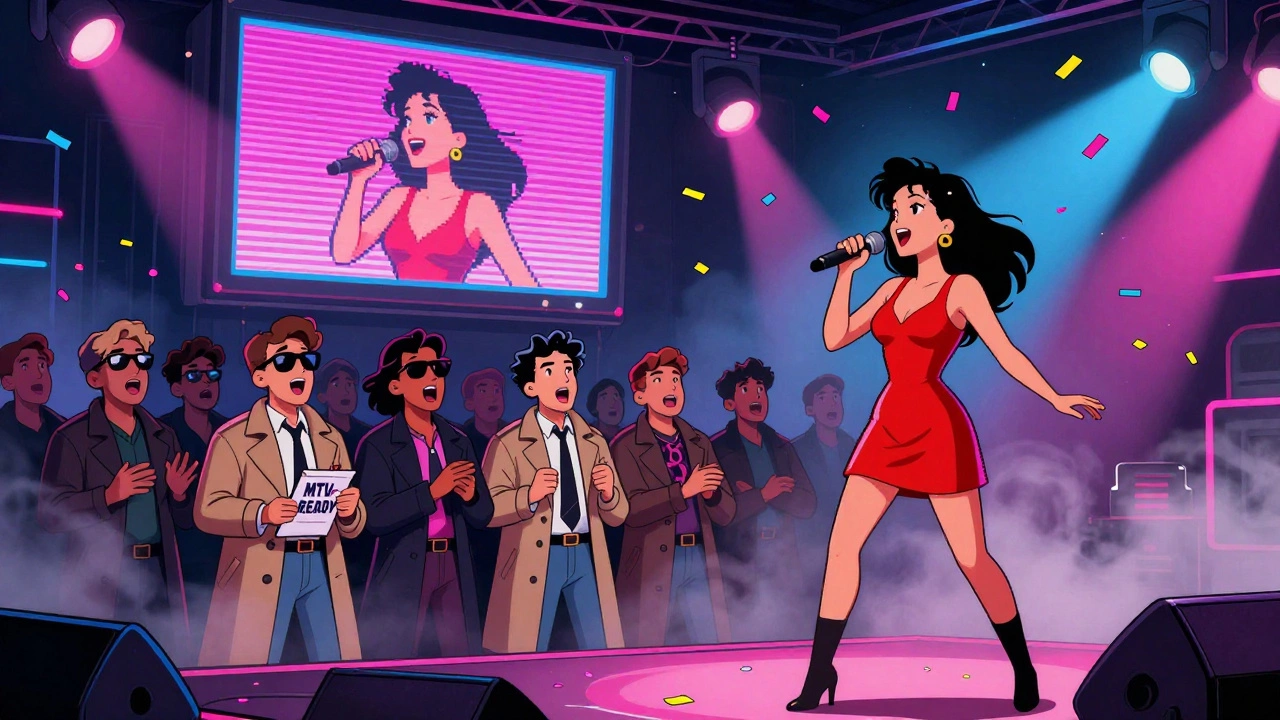
These weren’t open mics. These were invite-only gigs in tiny clubs-The Stone in San Francisco, CBGB in New York, The Roxy in L.A.-where A&R reps, managers, and label executives sat at the back, sipping coffee, watching your every move. You had 20 minutes. Three songs. No opening act. No backup band unless you paid for it yourself.
They weren’t looking for technical perfection. They were looking for presence. Could you command the room? Did you make people want to see you again? Did you look like you belonged on MTV? A guitarist who played flawlessly but stared at his shoes? Gone. A singer who didn’t move, didn’t smile, didn’t connect? Gone.
Reba McEntire didn’t get signed because she had the best voice in Nashville. She got signed because she showed up at a showcase in 1980, wore a red dress, sang "Can’t Even Do the Right Thing," and owned the stage like she’d been doing it for years. The A&R guy wrote "STAR" on his notepad. That’s all it took.
For underground bands? Showcases were different. They happened in basements, VFW halls, and college auditoriums. No lights. No sound guys. Just a PA system and a crowd of 30 kids who knew every lyric. Those shows didn’t get you signed to CBS. But they got you a deal with an indie label-SST, Touch and Go, or Homestead. And that was a different kind of success.
MTV Changed Everything
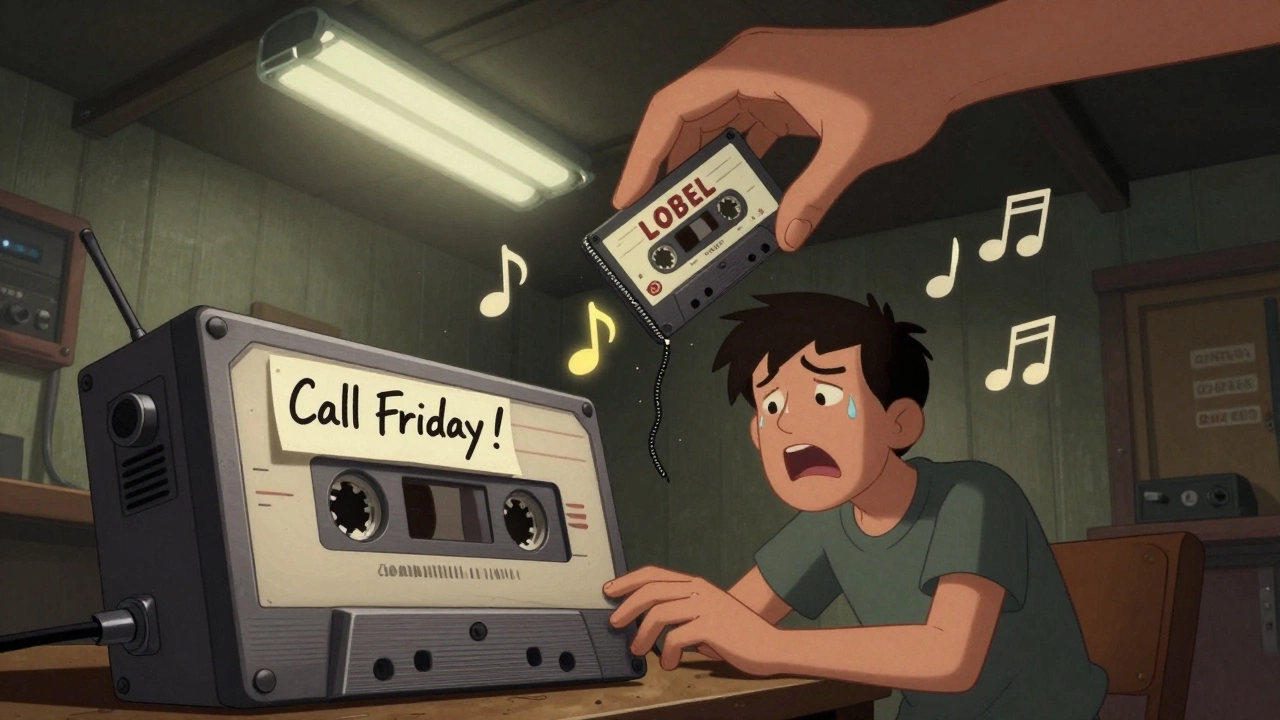
Before 1981, you could be a great musician and never be seen. After MTV launched, if you didn’t look like a video star, you didn’t get played. And if you didn’t get played, you didn’t get signed.
Labels started requiring artists to shoot videos before they even signed them. Some bands had to borrow money, sell their gear, or take out loans just to make a 3-minute clip. Depeche Mode didn’t have a huge budget. But they had ideas. They used cheap cameras, black-and-white film, and surreal visuals. It worked. MTV loved it. Suddenly, a synth-pop band from England was on heavy rotation.
But it wasn’t fair. A 45-year-old blues guitarist with 20 years of live experience? No chance. A 19-year-old pop kid with dyed hair and choreographed dance moves? That’s the one they wanted. MTV didn’t just promote music. It redefined what music was supposed to look like.
Genre Differences: Country, Synth-Pop, and the Underground
Not every artist followed the same path. Country music in the 1980s was still rooted in live performance and radio play. A&R reps for country labels would drive to Texas, Tennessee, and Oklahoma to catch live shows. They didn’t care about music videos. They cared about whether you could sell tickets. George Strait didn’t need MTV. He needed a packed dance hall in Lubbock.
Meanwhile, synth-pop artists like New Order and The Human League were being shaped in studios, not clubs. Their A&R teams worked with producers to build sounds from scratch-synths, drum machines, vocoders. The demo wasn’t a guitar and vocal. It was a full arrangement. The showcase wasn’t a live band. It was a demo reel played on a boombox in a boardroom.
And then there were the punk and indie bands. They didn’t care about A&R. They made their own labels. They booked their own tours. They traded tapes with other bands. They got airplay on college radio stations like KEXP and WMBR. Their "showcase" was a basement show in Columbus, Ohio, with 12 people in the room and a guy yelling "Play louder!" from the back.
The Cost of the System
This system worked-for some. But it was brutal. Labels spent less on development and more on promotion. Once an artist had one hit, they were either pushed for a second… or dropped. There was no long-term plan. No mentorship. No artist growth. Just hit or bust.
Many artists burned out. Others walked away. A lot of great musicians never got past the demo stage. Their talent was real. But they didn’t fit the mold. They didn’t look right. Didn’t dance. Didn’t smile for the camera. And in the 1980s, that was enough to disappear.
Yet, for those who made it-the ones who nailed the demo, owned the showcase, and looked like they belonged on MTV-they became icons. Madonna. Prince. Bruce Springsteen. U2. They didn’t just survive the system. They mastered it.
What We Lost-and What We Forgot
Today, you can upload a song and go viral overnight. But you don’t need to play live. You don’t need to make a tape. You don’t need to impress a tired A&R rep at 2 a.m. in a smoky club.
There’s freedom in that. But there’s also something missing. The pressure to perform live. The discipline to write one killer song. The courage to show up, again and again, even when no one was watching.
The 1980s didn’t always treat artists fairly. But it demanded something from them. And the ones who gave it? They didn’t just make music. They became legends.
How did A&R reps find new artists in the 1980s?
A&R reps scouted talent through live shows, demo tapes sent by mail, college radio stations, and fanzines. They also attended industry events and relied on word-of-mouth from managers, producers, and other labels. Many reps had regional beats-like covering the Midwest or Southern clubs-and traveled constantly to find the next big act.
What was a typical demo tape like in the 1980s?
A typical demo was a 4-track cassette with 2-3 songs, recorded in a home studio or low-budget session. It often included a handwritten note on the case with the artist’s name, phone number, and a short description of the music. The first song had to grab attention immediately-no intros, no slow builds. Labels listened to only one or two tracks before deciding.
Why were showcase gigs so important?
Showcase gigs were live auditions for record labels. A&R reps, managers, and sometimes label presidents attended to see if an artist could perform under pressure, connect with an audience, and look like a star on camera. A strong performance could lead to a contract, while a weak one meant being ignored-even if the demo was great.
Did MTV help or hurt artist development in the 1980s?
MTV helped artists who could adapt to its visual style-especially European New Wave acts-but hurt those who couldn’t. Older musicians, blues artists, and non-performative acts were sidelined. Labels began requiring videos before signing, which favored image over talent. While it opened doors for some, it also narrowed the definition of what a "marketable" artist could be.
How did indie labels differ from major labels in artist development?
Major labels focused on quick hits and mass appeal, often dropping artists after one unsuccessful album. Indie labels like SST, Touch and Go, and Homestead prioritized creative freedom, touring, and building slow, loyal fanbases. They didn’t need MTV. They relied on college radio, fanzines, and word-of-mouth. Many iconic punk and alternative bands got their start on indies, not majors.


