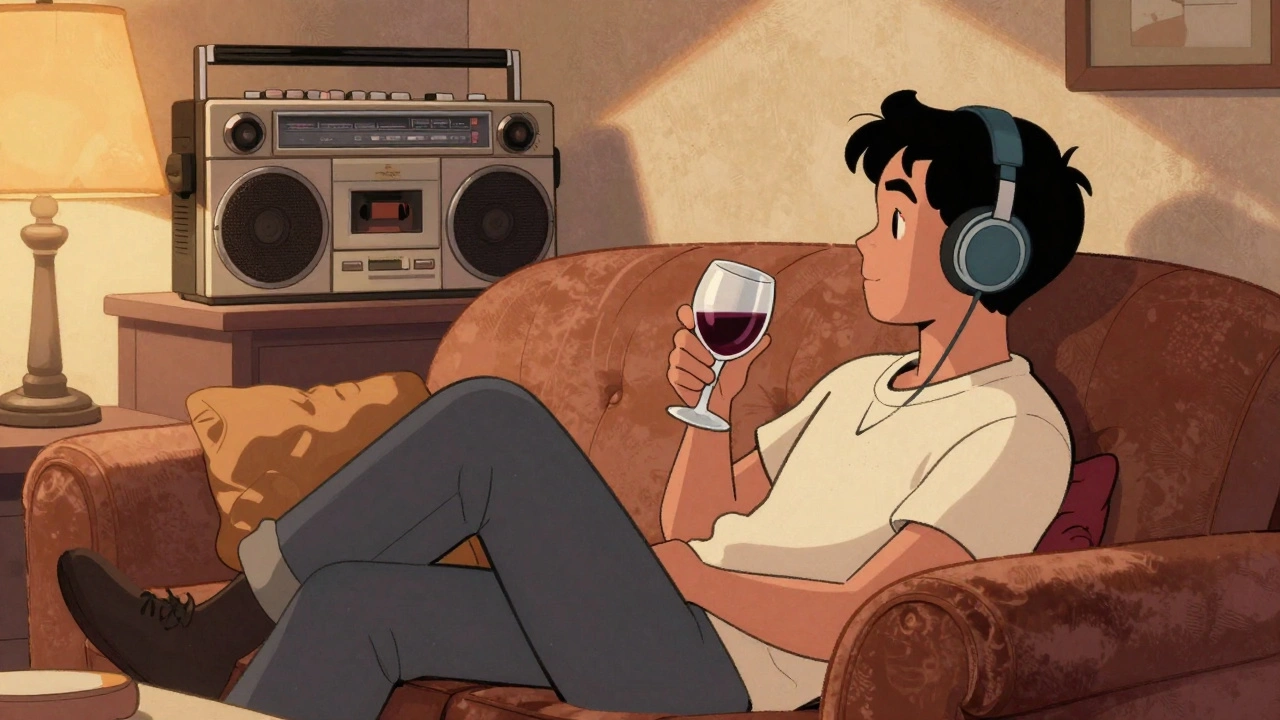

Picture this: It’s 1986. You’re sitting in your car after a long day at work, or maybe you’re winding down on the couch with a glass of wine. The radio isn’t blasting aggressive funk or the emerging noise of hip-hop. Instead, you hear a smooth, warm groove. A Yamaha DX7 electric piano twinkles softly. A saxophone sighs in the background. And then, a voice-rich, controlled, and deeply emotional-begins to sing about love, heartbreak, or commitment. This is adult contemporary soul, the defining sound of sophisticated 1980s R&B.
This genre didn’t just happen by accident. It was a deliberate evolution from the raw energy of 1970s soul into something polished, cinematic, and undeniably romantic. While dance clubs were shaking to disco and new jack swing, adult contemporary soul offered a sanctuary for listeners who wanted musical maturity. It bridged the gap between Black-oriented R&B charts and mainstream pop radio, creating a crossover phenomenon that dominated the airwaves from roughly 1981 to 1989.
The Roots: From Quiet Storm to Mainstream
To understand adult contemporary soul, you have to look back at the mid-1970s. Specifically, you need to know about DJ Melvin Lindsey. In 1976, Lindsey created a late-night radio show called "Quiet Storm" on WHUR-FM in Washington, D.C. He wanted a space for smooth, romantic tracks that felt different from the daytime hits. Artists like Smokey Robinson and Minnie Riperton fit this vibe perfectly.
This format caught on quickly. By the early 1980s, record labels saw an opportunity. They realized there was a massive audience of adults aged 25 to 49 who wanted high-quality music but didn’t want the aggression of hard funk or the complexity of jazz fusion. Labels began signing artists who could deliver powerful vocals with a softer, more refined production style. This shift marked the transition from classic rhythm and blues to what we now call contemporary R&B.
| Era | Dominant Style | Key Characteristics | Target Audience |
|---|---|---|---|
| Mid-1970s | Quiet Storm / Smooth Soul | Late-night radio, romantic lyrics, soft instrumentation | Nighttime listeners, adults |
| Early 1980s | Boogie / Post-Disco | Danceable, synthesizer-heavy, club-oriented | Youth, party-goers |
| Mid-Late 1980s | Adult Contemporary Soul | Polished production, lush harmonies, crossover appeal | Adults, crossover pop/R&B fans |
| Late 1980s | New Jack Swing | Hip-hop beats, swing rhythms, rap verses | Teens, urban youth |
The Architects of the Sound
Several key artists defined this era. They weren’t just singers; they were architects of a specific aesthetic that balanced technical precision with deep emotion.
Luther Vandross is perhaps the most iconic figure of this genre. Before his solo career, he was a legendary backup singer for Diana Ross and Chaka Khan. When he released his debut album, Never Too Much, in 1981, it set the template for adult contemporary soul. His follow-up albums, like Give Me The Reason (1986), featured ballads such as "Here and Now" that became staples on both R&B and Adult Contemporary radio. Vandross brought a gospel-influenced vocal power but kept it restrained, focusing on phrasing and dynamics rather than shouting.
Then there was Anita Baker. Her 1986 album Rapture sold over 8 million copies worldwide. Tracks like "Sweet Love" showcased her smoky, intimate voice. Unlike some of her peers, Baker leaned heavily into jazz-inflected harmonies, giving her music a timeless quality that still resonates today. She won the Grammy Award for Best Female R&B Vocal Performance in 1987, cementing her status as a queen of the genre.
We can’t forget Sade. Led by Nigerian-British singer Sade Adu, the band brought a minimalist yet lush sound to the forefront. Albums like Diamond Life (1984) and Promise (1985) blended soul, jazz, and soft rock. Their international appeal helped push adult contemporary soul beyond traditional R&B audiences, making it a global phenomenon.
Other major players included Lionel Richie, whose solo career exploded with Can’t Slow Down (1983), selling over 20 million copies. Whitney Houston also entered the fray with her self-titled debut in 1985, bringing a pop-leaning but soul-rooted approach to ballads like "Saving All My Love for You." Peabo Bryson specialized in duets and power ballads, further expanding the genre’s reach into adult contemporary formats.
Deconstructing the Music: Production and Style
What exactly makes a song "adult contemporary soul"? It’s not just about the lyrics. The production techniques used in the 1980s created a distinct sonic fingerprint.
- Tempo and Groove: Most tracks sat between 80 and 110 beats per minute. This mid-tempo range allowed for dancing without being frantic, perfect for a slow dance or a relaxed evening.
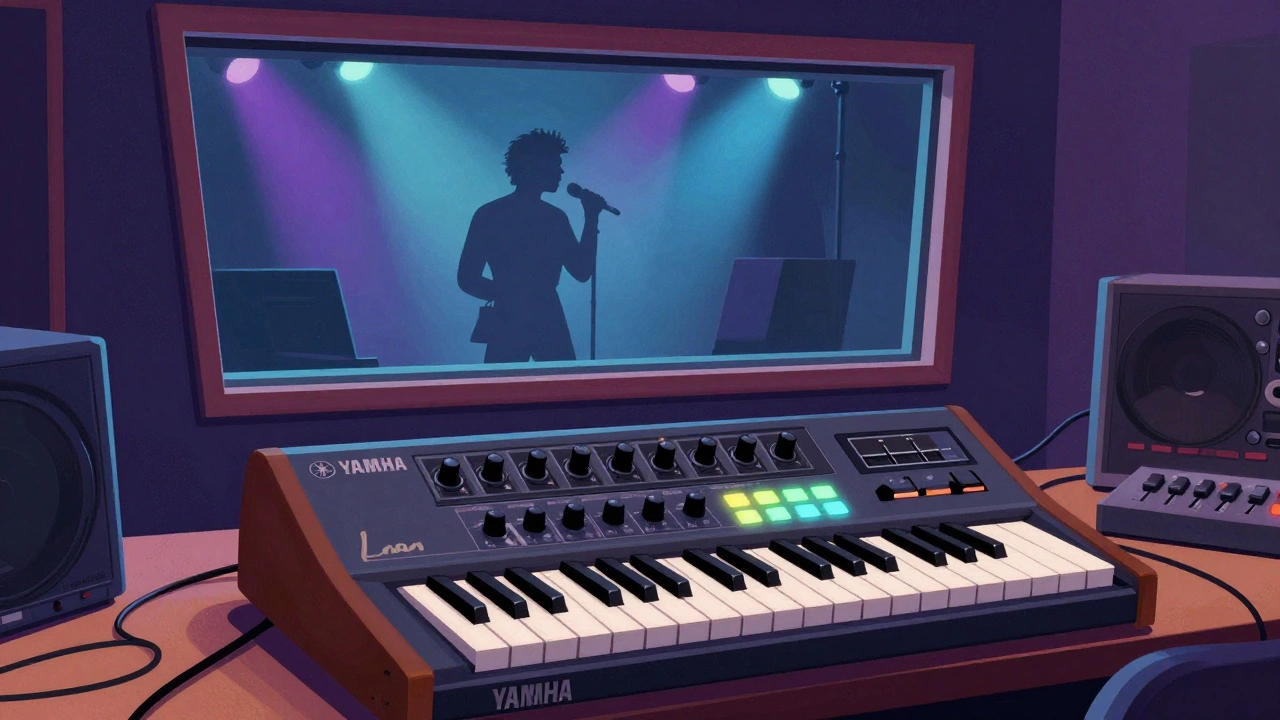
- Instrumentation: Producers relied heavily on electronic keyboards. The Yamaha DX7 digital synthesizer was ubiquitous, providing bright electric piano sounds and warm pads. Drum machines like the LinnDrum and Roland TR-808 created precise, soft drum patterns. Live instruments, such as saxophones and trumpets, were used sparingly for solos rather than driving the rhythm.
- Vocal Arrangements: Vocals were the centerpiece. Singers used controlled melisma (singing multiple notes on one syllable) and rich vibrato. Background vocals were stacked extensively, often mimicking gospel choir traditions with call-and-response patterns.
- Lyrics: Themes focused on adult relationships, romantic love, nostalgia, and emotional introspection. You rarely heard political commentary or street narratives. The goal was emotional connection, not social activism.
Mix engineers used generous amounts of reverb and delay to create spacious, "cinematic" soundscapes. This gave the music a sense of depth and luxury, distinguishing it from the raw, compressed sound of earlier soul records.
How It Differed from Other 1980s Genres
Adult contemporary soul existed alongside other vibrant R&B styles. Understanding these differences helps clarify its unique position in music history.
| Feature | Adult Contemporary Soul | Funk-Driven Boogie | New Jack Swing | Minneapolis Sound |
|---|---|---|---|---|
| Energy Level | Low to Medium | High | Medium-High | Variable |
| Drum Pattern | Soft, unobtrusive | Heavy, dance-focused | Syncopated, swingbeat | Aggressive, synth-driven |
| Guitar Usage | Tasteful fills, clean tone | Minimal or percussive | Often sampled or minimal | Distorted, punk-influenced |
| Primary Audience | Adults (25-49) | Club-goers, teens | Urban youth, teens | Alternative rock/pop fans |
| Key Instruments | Digital synths, strings, sax | Bass guitar, drums | Drum machines, samplers | Synthesizers, electric guitar |
For example, compared to the Gap Band or Cameo, adult contemporary soul lacked extended dance breaks and heavy bass lines. It focused on verse-chorus songcraft. Compared to Prince’s Minneapolis sound, it avoided distorted guitars and punk energy. And unlike the emerging New Jack Swing scene led by Teddy Riley, it didn’t incorporate rap verses or hip-hop sampling. Instead, it retained gospel-derived vocal phrasing and bluesy chord changes, keeping it firmly rooted in the African-American R&B tradition.
Cultural Impact and Criticism
Like any dominant genre, adult contemporary soul faced mixed reviews. On one hand, critics praised artists like Luther Vandross and Anita Baker for elevating romantic balladry to an art form. The precision of their phrasing and the subtlety of their dynamics were widely admired.
On the other hand, some scholars argued that the genre represented a "softening" of Black popular music. By avoiding political themes and focusing on safe, middle-of-the-road romance, it sidestepped the social engagement seen in contemporaneous hip-hop. Some fans even labeled certain tracks as "elevator music" or "waiting-room R&B," criticizing formulaic lyrics and predictable chord changes. However, this criticism often targeted lesser-known acts rather than the canonical figures who pushed the boundaries of the style.
Despite these debates, the commercial success was undeniable. R&B was one of the dominant sectors of the U.S. recording business in the 1980s, second only to rock in some years. Adult contemporary soul captured a significant share of the adult market, with albums priced around $14 to $18 for CDs and $8 to $10 for vinyl LPs. These records sold millions, proving that there was a huge appetite for sophisticated, emotionally resonant music.
Legacy: Why It Still Matters
Today, adult contemporary soul is viewed primarily as a historical subgenre within contemporary R&B. However, its influence is everywhere. Modern artists like Alicia Keys, John Legend, and Beyoncé often draw on its tropes, especially when crafting piano-led ballads with lush vocal arrangements.
Streaming platforms have revived interest in the genre. Playlists titled "Slow Jams" or "Quiet Storm" introduce younger listeners to older material. Fans frequently cite albums like Anita Baker’s Rapture and Luther Vandross’s Give Me The Reason as top-tier R&B records, praising their track-for-track consistency and emotional depth. For many, this music remains a comfort-a reminder of a time when production valued warmth and nuance over compression and noise.
If you’re looking to explore this sound, start with the full albums, not just the hit singles. The nuance lies in the sequencing and the consistent mood. Let the music wash over you, and you’ll understand why this era is still considered the golden age of sophisticated R&B.
What is the difference between Quiet Storm and Adult Contemporary Soul?
Quiet Storm originated as a late-night radio format in the 1970s, featuring smooth, romantic tracks. Adult Contemporary Soul evolved from this format in the 1980s, incorporating higher production budgets, major label support, and crossover appeal to mainstream pop radio. While Quiet Storm was a programming style, Adult Contemporary Soul became a distinct musical genre with its own production techniques and star artists.
Who are the most important artists in Adult Contemporary Soul?
Key artists include Luther Vandross, Anita Baker, Sade, Lionel Richie, Whitney Houston, Peabo Bryson, Freddie Jackson, and Phyllis Hyman. These musicians defined the genre’s sound through their vocal prowess, sophisticated songwriting, and polished production.
Why did Adult Contemporary Soul decline in popularity?
The rise of New Jack Swing and hip-hop in the late 1980s shifted the focus of R&B toward harder, more rhythmic sounds that appealed to younger audiences. As hip-hop became dominant in the 1990s, the pure Adult Contemporary Soul sound receded from the charts, though it persisted in niche markets and influenced neo-soul artists.
What instruments were commonly used in 1980s Adult Contemporary Soul?
Common instruments included the Yamaha DX7 digital synthesizer, Roland Juno series synths, LinnDrum and Roland TR-808 drum machines, electric pianos, string sections (live or synthesized), and saxophones or trumpets for solos. These tools created the genre’s signature lush and polished sound.
Is Adult Contemporary Soul still relevant today?
Yes, its legacy lives on in modern R&B and pop balladry. Artists like Alicia Keys and John Legend draw inspiration from its vocal techniques and production styles. Additionally, streaming playlists continue to introduce new generations to the classic albums of the 1980s, keeping the genre alive and appreciated.


