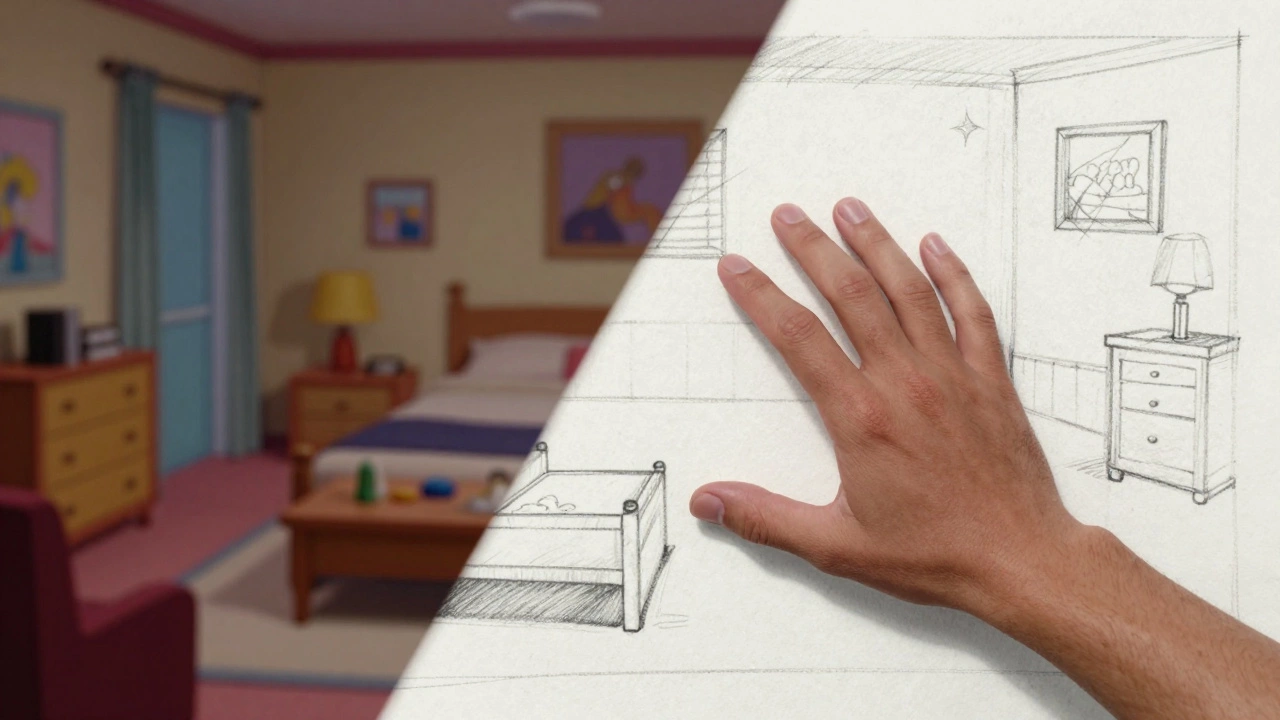

Imagine a world where a music video could literally pull you through a page of a comic book. In 1985, Take On Me is a landmark music video by the Norwegian synth-pop band A-ha that blended live-action with pencil-sketch animation. It wasn't just a catchy tune; it was a visual shock to the system that changed how we think about music videos. While most artists were just singing into cameras with a few neon lights, A-ha decided to dive into a surreal, hand-drawn dimension. This wasn't just a cool trick-it was a grueling technical feat that pushed the limits of 1980s technology.
The Secret Sauce: What is Rotoscoping?
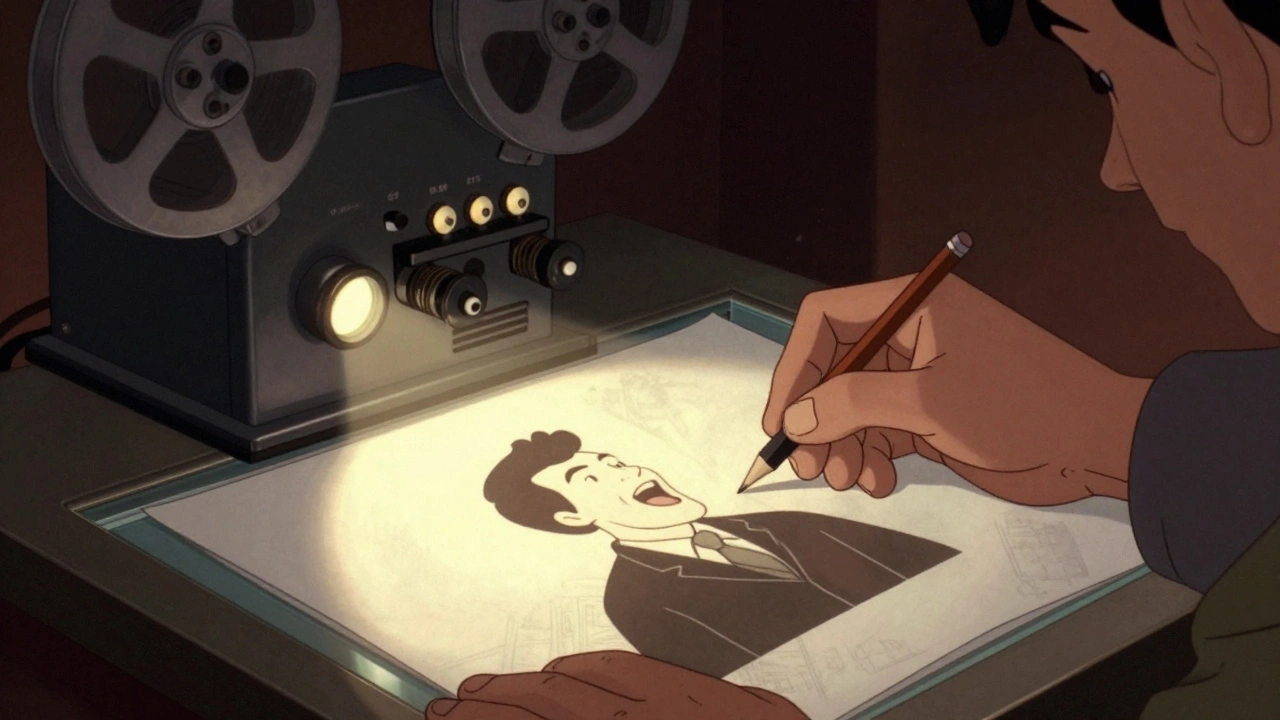
To understand why this video looks the way it does, you have to understand Rotoscoping. Rotoscoping is an animation technique where animators trace over live-action film footage frame by frame. This process allows the finished animation to have the fluid, natural movement of a real human, which is incredibly hard to achieve by drawing from scratch. Unlike traditional cartoons that can feel exaggerated, rotoscoping keeps the emotional authenticity of the original performance.
In the case of Take On Me, the animation team didn't just make a cartoon; they created a bridge between two worlds. The lead singer's expressions and the dramatic reaches for the hand were all captured on film first, then meticulously traced. This is why the movements feel so heavy and real, even though the characters look like they were sketched in a notebook during a boring math class.
The Grueling Road to a Masterpiece
If you think digital filters make things easy today, the production of this video will blow your mind. Directed by Steve Barron and brought to life by animators Michael Patterson and Candace Reckinger, the project was a marathon of patience. The team had to process roughly 3,000 frames of film. To put that in perspective, they spent about 16 weeks just getting the initial reference scenes right using a 16 millimeter projector.
But it didn't stop there. After the initial rotoscoping, there were another three to six months of hand-drawing work to refine the look. For a music video in the mid-80s, this timeline was practically unheard of. Most videos were shot in a couple of days and edited in a week. A-ha and their team spent nearly a year perfecting a few minutes of footage. This commitment to detail is exactly why the video still looks impressive in 2026.
| Feature | Rotoscoping (Take On Me) | Traditional Animation |
|---|---|---|
| Movement Source | Live-action footage | Artist's imagination/key-frames |
| Realism | High (human-like fluidity) | Stylized/Exaggerated |
| Production Time | Extremely High (frame-by-frame tracing) | Variable (depends on style) |
| Emotional Feel | Authentic and grounded | Caricatured |
Turning an Unknown Band into Global Stars
When the first version of the song came out in 1984, it was a standard performance-based video that didn't really move the needle. The band was virtually unknown outside of Norway. But when the rotoscoped version hit MTV, everything changed. The visual hook was so strong that people couldn't stop watching it. It proved that animation could communicate emotion faster and more effectively than a standard photorealistic shoot.
This success didn't just sell records; it shifted the entire culture of the MTV revolution. Suddenly, music videos weren't just commercials for songs-they were short films. The animation team even walked away with an MTV Video Music Award for Best Special Effects, validating the idea that a music video could be a legitimate piece of high art. It turned A-ha from a regional act into a global phenomenon almost overnight.

A Legacy That Refuses to Fade
It's wild to think that Take On Me was created long before the internet, yet it has smashed records in the digital age with over 1 billion views on YouTube. Why does it still work? Because the visual curiosity it sparks is timeless. Whether you're a Gen X-er who remembers the premiere or a Gen Z viewer seeing it for the first time, the concept of stepping into a sketch remains magical.
The influence of this specific style has even come full circle. In the 2024 documentary A-ha: The Movie, director Thomas Robsahm brought back the rotoscoped animation to illustrate key moments of the band's history. By using the same visual language from 1985, the film connects the band's origins to their legacy, showing that the "sketchbook" look is now as much a part of their identity as the high notes in Morten Harket's voice.
Common Pitfalls and Lessons for Creators
For those trying to emulate this style today, there are a few things to keep in mind. The biggest mistake modern creators make is relying too heavily on AI-generated animation. While AI can mimic a sketch, it often lacks the "weight" of the original Take On Me video. The beauty of the original was in the imperfections of the human hand tracing a human movement.
If you're experimenting with this, remember that the live-action footage is your foundation. If the original acting is stiff, the animation will be stiff. The magic happens when there is a strong emotional performance to trace. Don't just automate the process; leave room for the artistic touch that makes the animation feel alive.
Was Take On Me the first rotoscoped video?
No, rotoscoping as a technique dates back to the 1920s. However, Take On Me was one of the most high-profile and artistically successful uses of the technique in the music video era, bringing it to a massive global audience through MTV.
How many frames were animated in the video?
The animation team processed approximately 3,000 frames over a 16-week period, followed by several more months of hand-drawing to finalize the look.
Who directed the music video?
The video was directed by Steve Barron, who worked with animators Michael Patterson and Candace Reckinger to achieve the unique visual style.
Why was the first version of the video replaced?
The original 1984 version was a standard performance video that didn't capture the public's attention. The rotoscoped version was created to give the song a more distinct and innovative visual identity, which ultimately led to its global success.
Is rotoscoping still used today?
Yes, though it's often done digitally now. It appears in various films and music videos, and was even used in the 2024 documentary A-ha: The Movie to pay homage to the original 1985 video.


