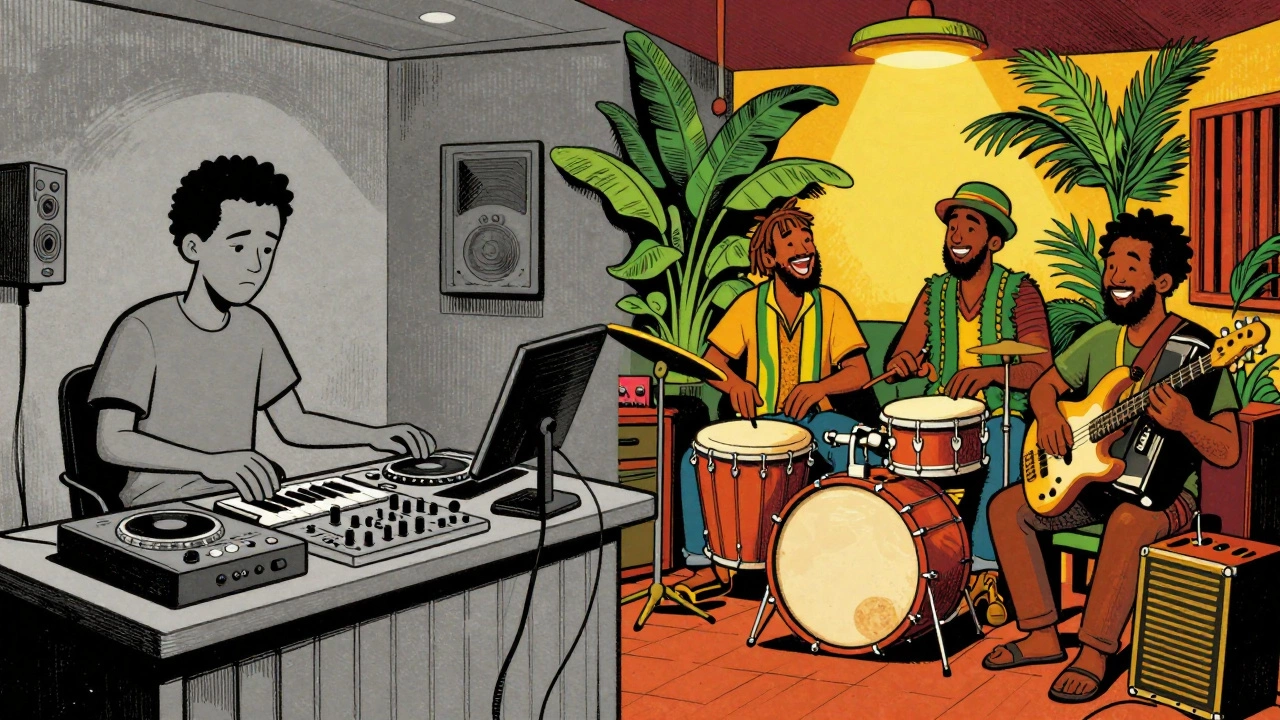

Turn up the volume on any classic conscious reggae playlist from the late nineties, and you will hear a distinct shift. The dancehall beats that dominated the mid-80s began to fade, replaced by heavy basslines, organic instrumentation, and lyrics steeped in spiritual urgency. This was not just a change in tempo; it was a cultural correction. The 1990s Reggae Revival is a musical and cultural movement in Jamaica that returned to the spiritual and political roots of reggae, emphasizing Rastafarian themes, social consciousness, and organic production over commercial dancehall trends. It brought artists like Sizzla Kalonji and Luciano to the forefront, challenging listeners to look beyond entertainment and engage with deeper societal issues.
This era marked a deliberate rejection of the increasingly electronic and commercially driven sounds that had taken over Jamaican music. Instead, producers and vocalists looked back to the golden age of the 1970s, seeking authenticity in message and sound. You are not just hearing songs; you are witnessing a reclamation of identity. The revival wasn't about nostalgia alone-it was about survival, spirituality, and speaking truth to power in a rapidly changing world.
The Sound of Authenticity: Organic Production vs. Digital Trends
To understand why this revival mattered, you have to look at what came before it. By the early 1990s, digital dancehall was king. Producers relied heavily on drum machines and synthesizers. The sound was crisp, fast, and designed for clubs. But for many purists, something vital was missing: the human element. The Roots Reggae is a style of reggae music that emphasizes traditional instruments, deep basslines, and lyrical themes focused on African heritage, Rastafarianism, and social justice. revival sought to bring that soul back into the mix.
Producers started stripping away the excessive digital effects. They brought back live drums, electric guitars playing skank rhythms, and Hammond organs. This "organic" approach wasn't just an aesthetic choice; it was a philosophical stance. When you listen to a track from this era, you can feel the weight of the bass in your chest. It’s warm, imperfect, and deeply human. This production style allowed the vocals to sit prominently in the mix, ensuring that the message-the core of conscious reggae-was never drowned out by flashy beats.
- Live Instrumentation: Real drums and bass replaced programmed beats, creating a more dynamic groove.
- Vocal Clarity: Mixes prioritized the singer's voice, making the lyrics the focal point.
- Minimalist Arrangements: Fewer layers meant more space for emotional expression and rhythmic complexity.
This shift created a stark contrast between the "culture" side of reggae and the "commercial" side. While dancehall continued to evolve digitally, the revivalists doubled down on analog warmth. It was a risk, but it paid off by creating a timeless sound that still resonates today.
Sizzla Kalonji: The Militant Voice of the Bobo Ashanti
If there is one name synonymous with the intensity of the 1990s revival, it is Sizzla Kalonji is a Jamaican reggae artist known for his militant Rastafarian lyrics, rapid-fire delivery, and affiliation with the Bobo Ashanti sect, who became a leading figure in the 1990s conscious reggae movement. Sizzla didn't just sing about spirituality; he lived it, often controversially. His affiliation with the Bobo Ashanti sect-a strict and sometimes misunderstood branch of Rastafarianism-shaped his artistry profoundly. Unlike other artists who might use Rasta terminology as a stylistic flair, Sizzla’s lyrics were direct commands and prophetic warnings.
His debut album, Revelation Time, released in 1994, exploded onto the scene. Tracks like "I'm Not Sure" showcased his unique ability to blend aggressive energy with profound spiritual depth. Sizzla’s flow was faster than traditional roots singers, bridging the gap between the speed of dancehall and the substance of roots. He challenged the status quo, criticizing corruption, injustice, and moral decay. For fans, he was a voice of uncompromising truth. For critics, he was polarizing. But you cannot deny his impact. He forced the genre to confront its own spiritual foundations.
Sizzla’s influence extended beyond music. He became a symbol of resistance. His willingness to speak openly about his religious beliefs, even when it caused friction within the industry, highlighted the sincerity of the revival movement. He proved that reggae could be both commercially viable and spiritually radical.
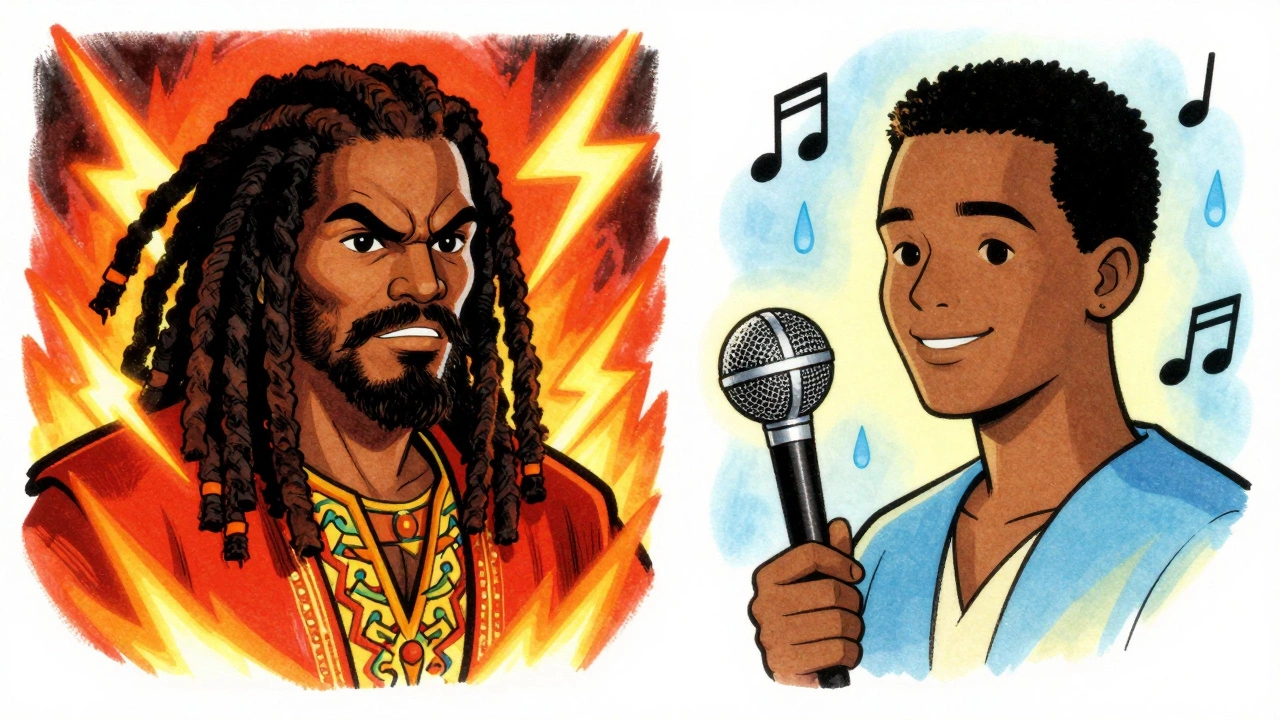
Luciano: The Gentle Messenger
While Sizzla brought fire, Luciano is a Jamaican reggae artist known for his smooth, melodic voice and uplifting, positive lyrics, serving as a key figure in the 1990s reggae revival alongside Sizzla Kalonji. brought light. Often referred to as "The Gentleman" or "Messenjah," Luciano offered a different perspective on the same spiritual journey. If Sizzla was the thunder, Luciano was the rain-nourishing, calming, and essential. His music focused less on condemnation and more on celebration, unity, and personal growth.
Luciano’s breakthrough came with albums like Living Proof (1996) and One Man Army (1998). Songs such as "Celebrate Life" became anthems for the conscious community. His tone was inviting, making the complex theology of Rastafarianism accessible to a wider audience. He didn't shout his truths; he sang them with a clarity that felt like a conversation. This approach helped broaden the appeal of conscious reggae, drawing in listeners who might have been intimidated by the more militant rhetoric of his peers.
The partnership between Sizzla and Luciano is fascinating because they represented two sides of the same coin. Both were deeply rooted in faith, but their methods of delivery differed. Sizzla challenged you to fight; Luciano encouraged you to love. Together, they covered the full spectrum of the human experience, ensuring that the revival movement had something for everyone.
Other Key Figures: Garnett Silk, Capleton, and Buju Banton
The 1990s revival wasn't just a duo act. It was a collective effort involving several powerhouse vocalists who each contributed their unique flavor to the movement. Garnett Silk is a legendary Jamaican reggae singer whose posthumous influence remained strong in the 1990s, particularly through tracks like 'Kingly Character' which emphasized dignity and self-worth. Although his career was tragically cut short in 1994, his presence loomed large. His hit "Kingly Character" became a mantra for self-respect and empowerment, influencing countless artists who followed.
Then there was Capleton, another fierce proponent of roots reggae. Known for his deep, resonant voice and intense lyrical content, Capleton often explored biblical themes and apocalyptic imagery. His work paralleled Sizzla’s in its seriousness and devotion. Meanwhile, Buju Banton played a crucial transitional role. Starting as a dancehall star, Banton famously converted to Rastafarianism in 1994, releasing the landmark album 3rd Generation. This pivot signaled to the world that even mainstream stars were returning to their roots. His evolution mirrored the broader shift in the industry.
| Artist | Style/Vibe | Key Contribution | Notable Track/Album |
|---|---|---|---|
| Sizzla Kalonji | Militant, Fast-paced | Brought Bobo Ashanti theology to mainstream | Revelation Time |
| Luciano | Smooth, Uplifting | Humanized spiritual messages with melody | Living Proof |
| Garnett Silk | Elegant, Empowering | Defined the concept of "Kingliness" in culture | Kingly Character |
| Buju Banton | Versatile, Transitional | Bridged dancehall and roots via conversion | 3rd Generation |
| Capleton | Deep, Intense | Expanded biblical narratives in lyrics | Black Nuh Die |
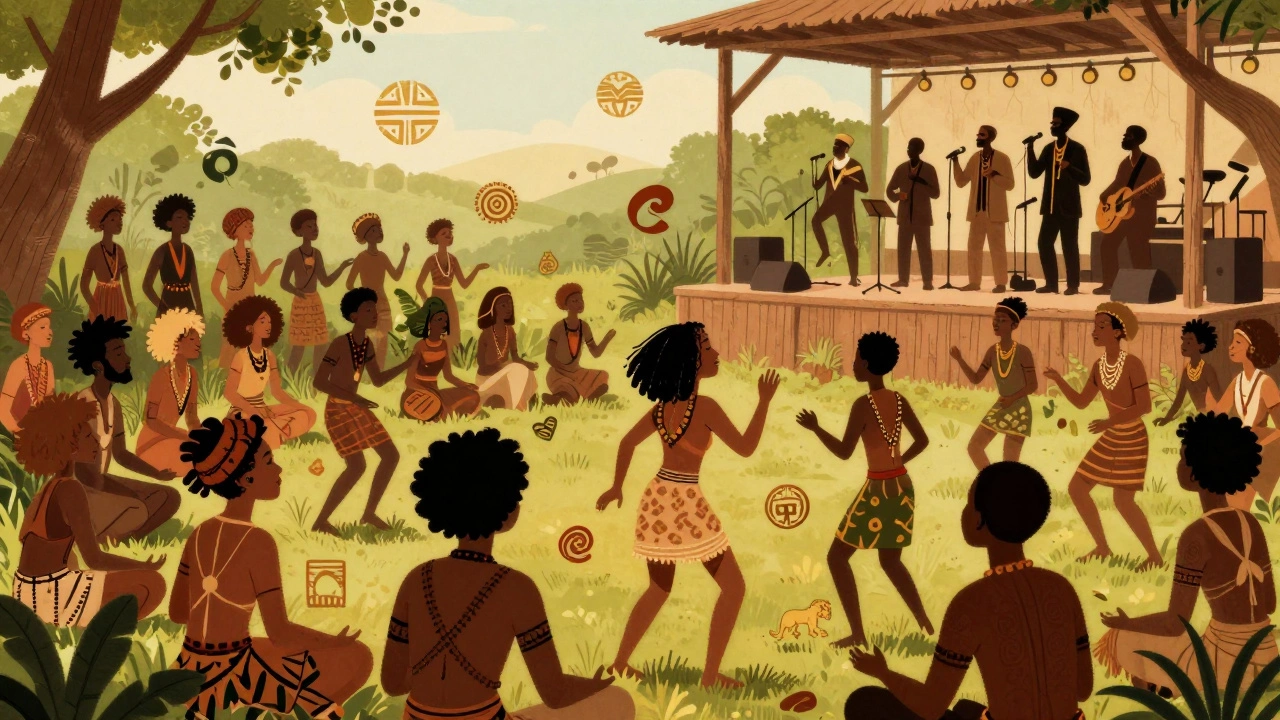
Rastafarianism: The Spiritual Core
You cannot separate this music from its religion. Rastafarianism is a Afro-Caribbean religious movement that emerged in Jamaica in the 1930s, centered on the worship of Haile Selassie I, African repatriation, and natural living. In the 1990s revival, Rastafari wasn't just a backdrop; it was the protagonist. Lyrics referenced Babylon (the oppressive system), Zion (the promised land), and Ital (natural living). This wasn't vague spirituality; it was specific, dogmatic, and deeply personal.
The movement emphasized "livity"-how you live your life. Artists promoted natural hair, vegetarian diets, and the use of cannabis as a sacrament. These practices were presented not as counter-culture rebellion, but as a return to divine order. For listeners, especially those in the diaspora, this provided a sense of identity and belonging. It connected them to Africa, to history, and to each other. The music became a vehicle for education, teaching young people about their heritage and encouraging them to take pride in their roots.
This spiritual focus also served as a critique of modern society. In a world becoming increasingly materialistic and disconnected, the revivalists offered an alternative. They urged listeners to slow down, think critically, and prioritize community over individual gain. This message resonated globally, extending far beyond Jamaica’s borders.
Legacy and Longevity: Why It Still Matters
Decades later, the 1990s reggae revival remains influential. You see its fingerprints on contemporary artists like Chronixx, Koffee, and Protoje, who lead the current "Reggae Renaissance." These younger musicians cite Sizzla, Luciano, and their peers as major inspirations. The emphasis on organic production has become the standard for quality reggae once again. Digital tools are used, but they mimic the warmth of analog gear, respecting the tradition established in the 90s.
Streaming platforms have kept these classics alive. Playlists titled "Conscious Reggae Classics" or "90s Roots" attract millions of streams, introducing new generations to the wisdom of the past. The fact that fan-curated mixtapes continue to circulate widely shows that this music thrives on community engagement. It’s not just archived; it’s lived.
For anyone interested in music history, understanding this era is crucial. It reminds us that art can be a force for social change. It proves that authenticity sells, and that spiritual depth can coexist with popular appeal. The 1990s revival wasn't just a moment in time; it was a necessary correction that saved reggae from losing its soul.
Who are the main artists of the 1990s reggae revival?
The most prominent figures include Sizzla Kalonji, Luciano, Garnett Silk, Capleton, Buju Banton, and Richie Spice. These artists led the shift back to conscious, spiritually-focused lyrics and organic production styles.
What is the difference between dancehall and roots reggae?
Dancehall typically features faster tempos, digital instrumentation, and lyrics focused on partying or street life. Roots reggae is slower, uses live instruments, and focuses on spiritual, political, and social themes, often rooted in Rastafarian beliefs.
Why did the reggae revival happen in the 1990s?
It was a reaction against the dominance of digital dancehall. Artists and fans wanted to reconnect with the authentic, socially conscious spirit of 1970s reggae, emphasizing spirituality and cultural identity over commercial trends.
How does Sizzla Kalonji differ from Luciano?
Sizzla is known for his militant, fast-paced delivery and strict adherence to Bobo Ashanti Rastafarian doctrines. Luciano offers a smoother, more melodic approach, focusing on uplifting messages of love and unity while sharing similar spiritual foundations.
Is conscious reggae still popular today?
Yes, it has seen a resurgence. Modern artists like Chronixx and Koffee draw heavily from the 1990s revival, blending old-school roots aesthetics with contemporary sounds, keeping the conscious message alive for new audiences.