
Forget the polished pop-punk of the late 90s for a second. The real story of 1990s punk wasn't just Green Day selling out stadiums; it was a fractured, vibrant network of regional scenes fighting for identity across America. From the volunteer-run strictures of Berkeley’s 924 Gilman Street to the surf-rock infused aggression of Orange County and the Latino-led hardcore uprising in Chicago, this decade redefined who could play punk rock and what it sounded like.
If you think punk is monolithic, the 1990s proves otherwise. It was a time when geographic location dictated your sound, your politics, and even who you were allowed to hang out with. Let’s break down how these distinct regional ecosystems operated, clashed, and ultimately reshaped the genre forever.
The East Bay Ethos: Strictly Independent
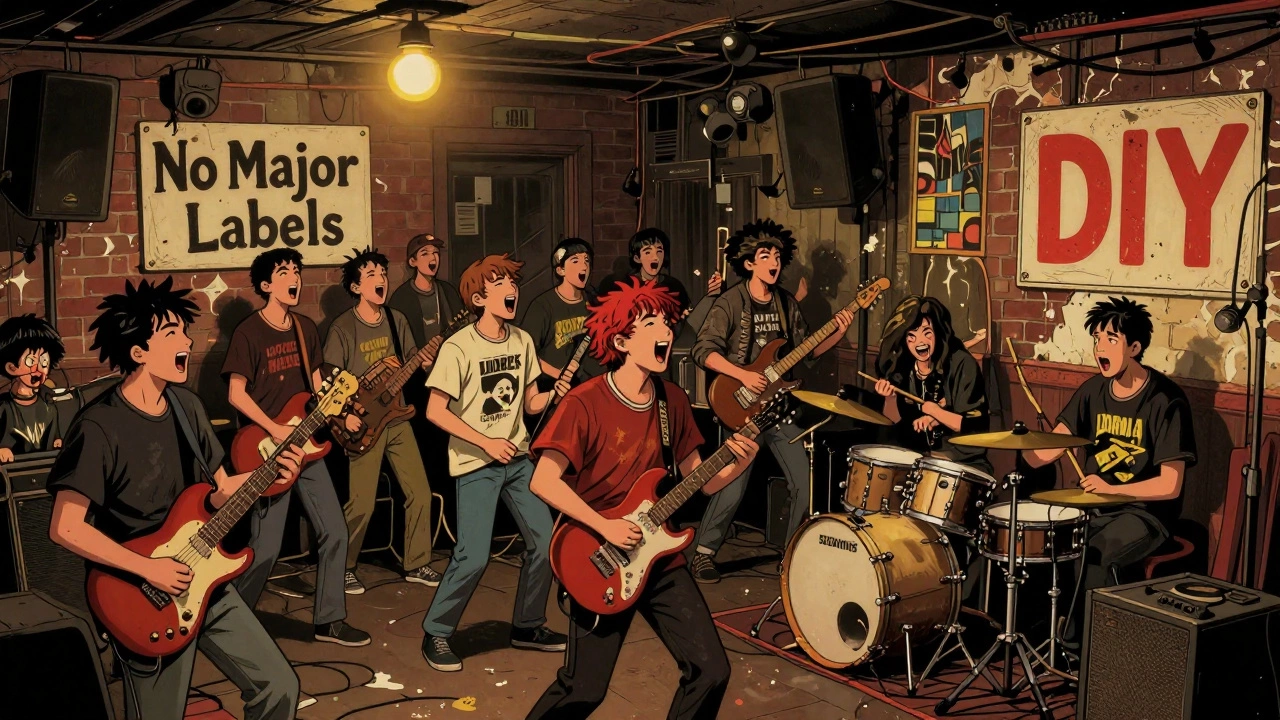
In the San Francisco Bay Area, specifically the East Bay, the 1990s scene was defined by one building: 924 Gilman Street in Berkeley. This wasn’t just a venue; it was an ideological fortress. Opened in 1986, Gilman operated on a simple, non-negotiable rule: no bands signed to major labels were allowed to play. For the entire decade, this policy shaped the local culture into a fiercely independent bubble.
This environment birthed the "no spectators" ethos. You didn’t come to Gilman to watch; you came to participate. If you weren’t singing, dancing, or helping run the show, you were in the wrong place. This DIY (Do It Yourself) structure meant that bands like Green Day, Rancid, and Operation Ivy cut their teeth in a space that actively rejected commercial success. Ironically, many of these same bands would later achieve massive mainstream fame, creating a complex tension between community loyalty and individual career advancement.
The infrastructure supporting this scene was equally robust. Lookout! Records served as the primary label for early East Bay acts, while fanzines like Maximum Rocknroll connected local players to a global underground network. The documentary Turn It Around: The Story of East Bay Punk captures this era through over 150 interviews, highlighting how this inclusive, anti-major-label stance created a safe haven for diverse voices long before "diversity" became a corporate buzzword.
Southern California: Skate Culture and Mainstream Breakthrough
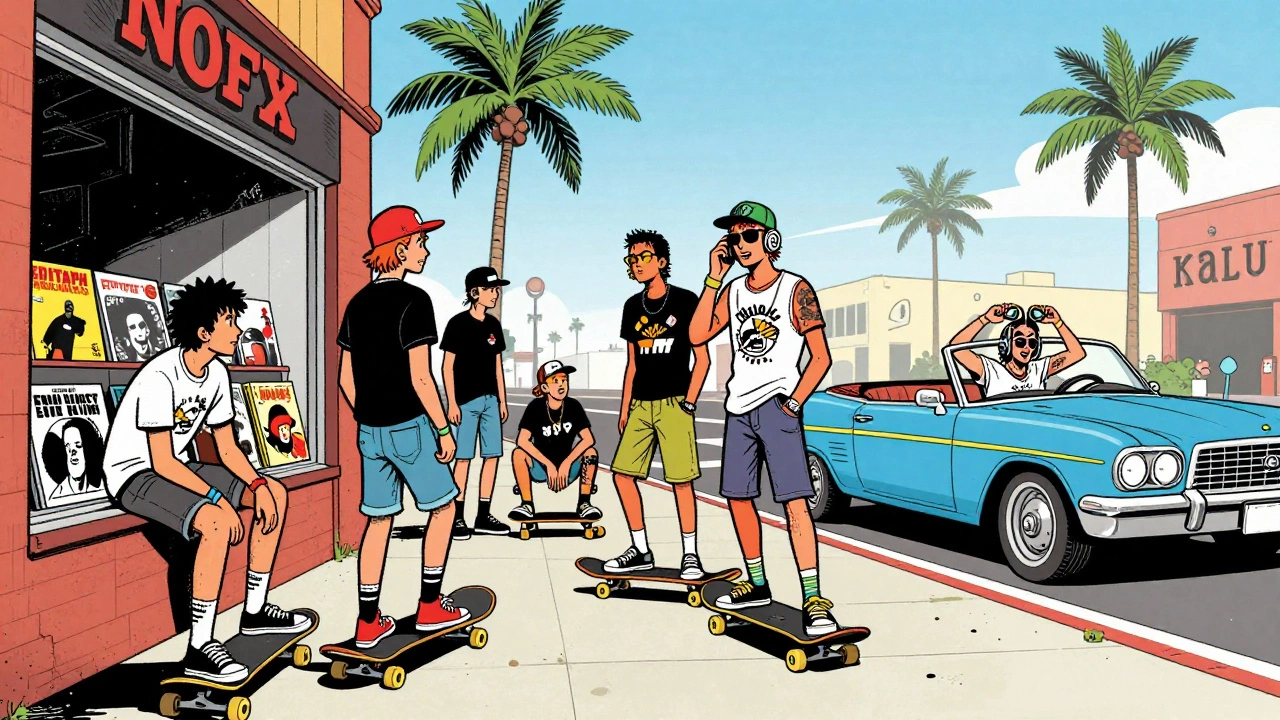
Crossing the state line into Southern California, the vibe shifted dramatically. While the Bay Area was introspective and political, SoCal punk was brawny, fast, and deeply intertwined with skate culture. Here, the sound was less about melodic pop hooks and more about aggressive hardcore roots mixed with surf-rock melodies.
Epitaph Records, founded by Bad Religion guitarist Brett Gurewitz, became the epicenter of this movement. By the mid-90s, Epitaph had grown into the largest independent label in the U.S., thanks largely to gold and platinum certifications from bands like NOFX, Bad Religion, and Rancid. Unlike Gilman’s isolationist policy, SoCal embraced radio exposure. Stations like KROQ 106.7 in Los Angeles and 91X in San Diego played a crucial role in breaking punk acts to mainstream audiences before MTV fully took hold.
Orange County, historically known as a "hardcore mecca," produced bands that blended street-punk grit with catchy songwriting. Acts like Social Distortion, The Offspring, and No Doubt brought ska, surf, and pop influences into the mix. This accessibility helped punk cross over to suburban kids who might never have stepped foot in a dive bar. However, this commercial success didn’t erase the underground tensions. Community accounts from the early 90s describe rival punk gangs and skinhead subcultures still clashing in the pits, proving that even as punk went mainstream, its raw, confrontational edge remained intact.
| Region | Key Venues/Labels | Dominant Sound | Cultural Focus |
|---|---|---|---|
| East Bay (Bay Area) | 924 Gilman, Lookout! Records | Ska-Punk, Melodic Pop-Punk | DIY Ethics, Anti-Major Label, Inclusivity |
| Southern California | Epitaph Records, Nitro Records | Skate-Punk, Hardcore, Surf-Punk | Mainstream Crossover, Skate Culture, Radio Play |
| Chicago (Pilsen) | Local House Shows, Indie Labels | Latino Hardcore, Spanish-Language Punk | Identity Politics, Latino Representation |
Beyond California: Identity and Expansion
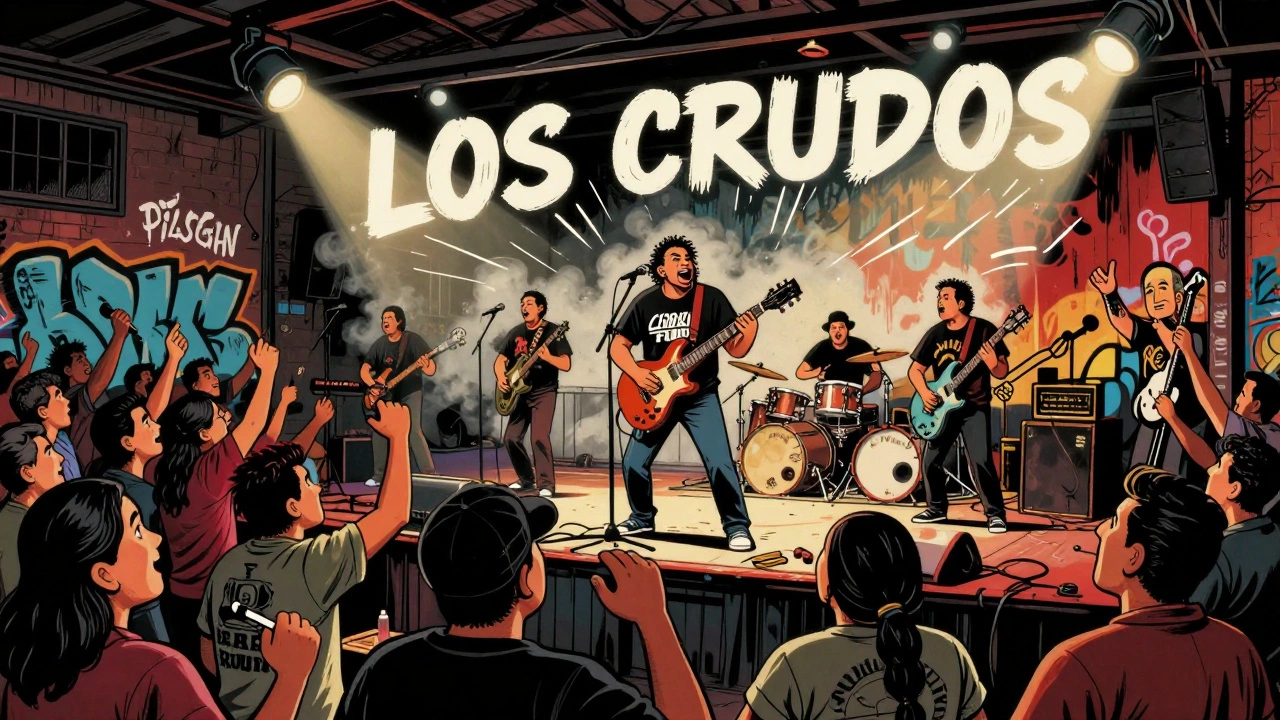
While California dominated the headlines, other regions were quietly revolutionizing punk’s demographic landscape. In Chicago’s Pilsen neighborhood, a majority-Latino area, the band Los Crudos led a movement that explicitly centered Latino identity. Their music, often sung in Spanish, challenged the white, male-dominated narrative of punk. This wasn’t just about playing loud music; it was a political act asserting space in a genre that had historically marginalized people of color.
Similarly, the Bay Area saw the rise of all-female bands like Spitboy and Frightwig. These groups predated or ran parallel to the Pacific Northwest’s riot grrrl movement, blending hardcore intensity with feminist manifestos. They confronted patriarchal mindsets within punk itself, proving that the genre’s rebellious spirit could be turned inward to challenge its own toxic elements.
This expansion showed that "beyond" California didn’t just mean new geography; it meant new ideologies. Punk was becoming a vehicle for anti-racist and feminist expression, moving beyond the standard tropes of suburban rebellion.
Subgenre Evolution: How the Sound Changed
By the 1990s, punk had splintered into distinct subgenres, each with its own tempo, lyrical themes, and performance spaces. Understanding these distinctions helps explain why a fan of one scene might not get along with another.
- Skate-Punk: Dominant in SoCal, this style combined fast-paced hardcore rhythms with melodic choruses designed for skating. Bands like Pennywise and Lagwagon epitomized this sound, which prioritized energy and lifestyle aesthetics.
- Pop-Punk: Emerging strongly from the Bay Area, this subgenre focused on three-chord structures and catchy hooks. It was more accessible and eventually paved the way for the commercial explosion of Blink-182 and Sum 41 in the late 90s and early 2000s.
- Street-Punk: A revival of raw, working-class aesthetics, seen in bands like Rancid and The Casualties. This style leaned into Oi! influences and emphasized unity among the working class, often featuring call-and-response vocals.
- Latino Hardcore: Focused on political lyrics and cultural pride, this style used the speed of hardcore to deliver messages about immigration, racism, and identity, primarily driven by bands like Los Crudos.
These subgenres didn’t exist in vacuums. Crossover bills were common, especially in Southern California, where punk fans also listened to metal and hip-hop. Shows featuring Suicidal Tendencies opening for Metallica or Cypress Hill playing with The Offspring illustrate how genre boundaries blurred during this era.
The Legacy of 1990s Regional Scenes
Today, looking back at the 1990s, we see a decade that professionalized punk without entirely killing its soul. The rise of band-run labels like Kung Fu Records (owned by The Vandals) and Nitro Records (owned by Dexter Holland of The Offspring) allowed artists to maintain control over their careers while achieving commercial success.
The contrast between the Bay Area’s rigid DIY ethics and SoCal’s embrace of industry infrastructure highlights a central tension in punk history: can you sell out without selling your soul? The 1990s suggested that the answer depended on where you lived and who you played with. Whether through the inclusive walls of 924 Gilman or the radio waves of KROQ, these regional scenes proved that punk was not a single sound, but a collection of communities fighting to be heard.
What was the main difference between Bay Area and SoCal punk in the 90s?
The Bay Area scene, centered around 924 Gilman Street, was strictly DIY and banned major-label bands, fostering an inclusive, underground culture. SoCal punk, anchored by labels like Epitaph, embraced radio play and mainstream crossover, blending hardcore with skate culture and pop melodies.
Why is 924 Gilman Street considered so important?
924 Gilman Street was a volunteer-run venue in Berkeley that refused to book bands signed to major labels. This policy created a protected space for independent artists and established a "no spectators" ethos that influenced punk culture globally.
How did Latino bands impact the 1990s punk scene?
Bands like Los Crudos in Chicago’s Pilsen neighborhood challenged the white, male-dominated narrative of punk by performing in Spanish and addressing issues of identity and racism. This expanded punk’s demographic reach and political scope.
What role did radio stations play in SoCal punk?
Stations like KROQ 106.7 in LA and 91X in San Diego were crucial for airing punk music before it reached mainstream MTV playlists. They helped bridge the gap between underground venues and suburban audiences.
Did female bands contribute significantly to the 90s punk scene?
Yes, all-female bands like Spitboy and Frightwig in the Bay Area blended hardcore with feminist politics, challenging patriarchal norms within the punk community and predating some aspects of the riot grrrl movement.


