
Quick Look: The 90s Cultural Shift
- Sound: A chaotic mix of distorted guitars, synchronized dance beats, and poetic rap.
- Style: Everything from oversized flannel shirts to shiny metallic fabrics.
- Identity: A move toward "authenticity" and the rise of the misunderstood outsider.
- Media: The absolute dominance of music videos and countdown shows.
The Grunge Explosion and the Art of Looking Unkempt
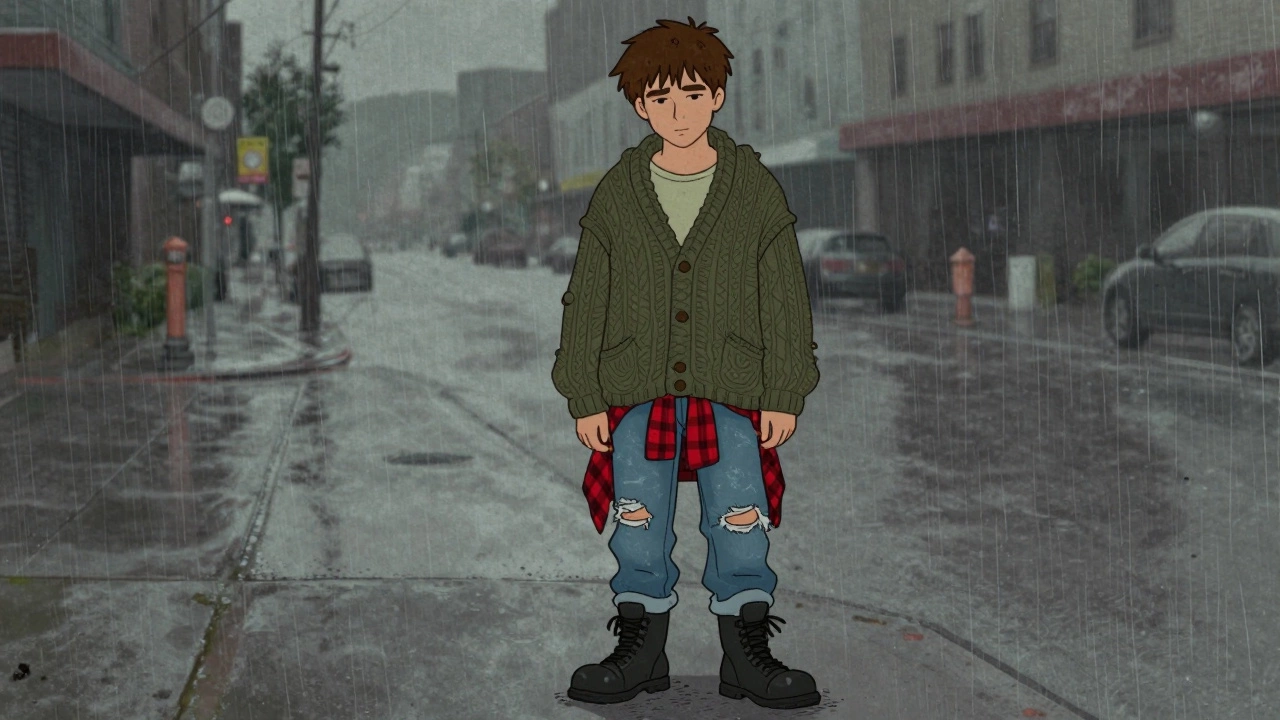
If the 80s were about neon lights and polished pop, the early 90s were a deliberate slap in the face. Enter Grunge is a genre of alternative rock that emerged from the Pacific Northwest, characterized by distorted guitars and themes of social alienation. This wasn't just a sound; it was a rejection of the "corporate" look. When Nirvana hit the mainstream with "Smells Like Teen Spirit," they didn't just change the charts; they changed the wardrobe of every teenager in suburbia.
The look was accidentally iconic. Think oversized thrift-store cardigans, ripped jeans, and heavy boots. It was a style born out of necessity and climate-layers were required for the rainy weather of Seattle-but it became a global symbol of apathy and authenticity. You didn't try to look good; you tried to look like you didn't care. This "slacker" identity became the default for a generation that felt disconnected from the high-pressure success stories of the 1980s. If you wore a flannel shirt tied around your waist, you were signaling that you valued raw emotion over a polished image.
The Glossy Empire of Pop and Teen Idols
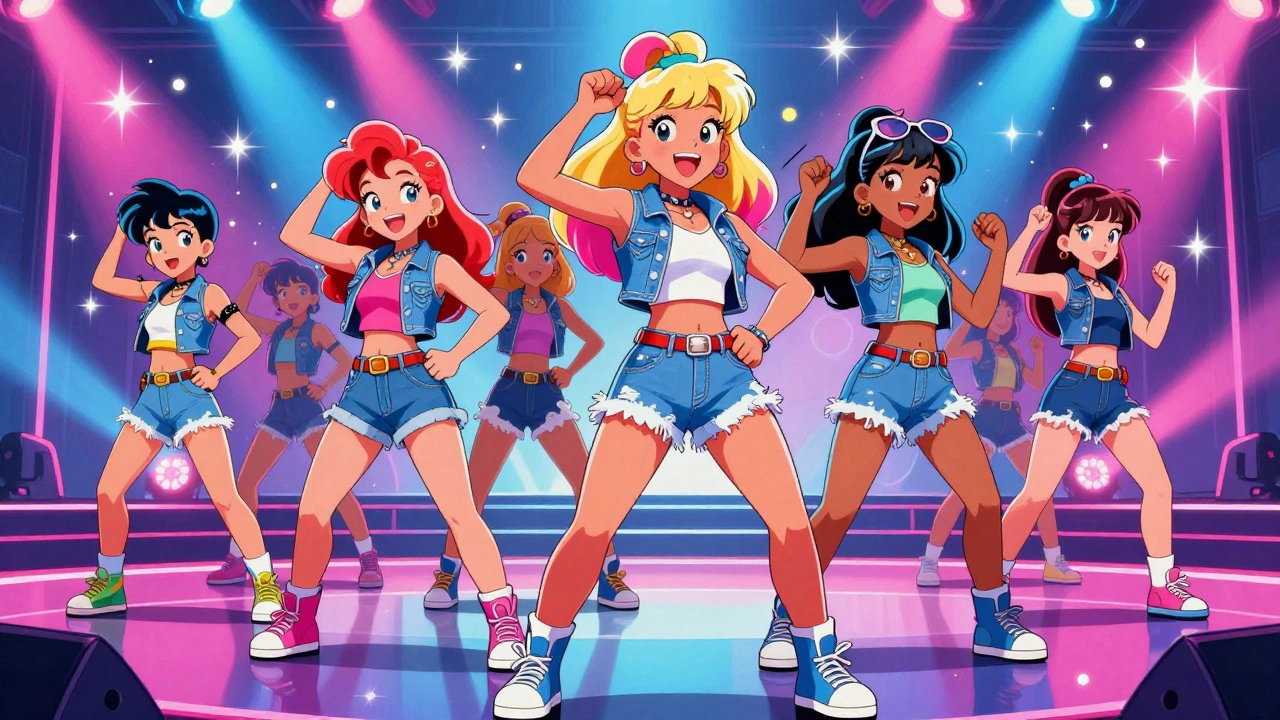
While the underground was brooding in flannel, the mainstream was getting louder and shinier. The mid-to-late 90s saw the rise of a highly manufactured but incredibly effective pop machine. Teen Pop is a commercially driven genre targeting adolescents, blending elements of dance-pop and bubblegum pop with synchronized choreography. This era was defined by artists who could dance, sing, and sell a specific, idealized version of youth.
The fashion shifted from the grit of grunge to the glitter of the pop stage. We're talking about matching outfits, frosted tips, and an abundance of denim-on-denim. The identity here was different-it was about aspiration, optimism, and a shared, global fan experience. This was the peak of the "bubblegum" era, where the music was designed to be infectious and the imagery was meticulously curated. It created a sharp divide in youth culture: you were either a "grunge kid" or a "pop fan," and the rivalry was often played out in school hallways.
| Feature | Grunge Subculture | Teen Pop Culture |
|---|---|---|
| Core Value | Authenticity / Anguish | Optimism / Polish |
| Key Wardrobe | Flannel, Combat Boots | Glitter, Cargo Pants |
| Musical Feel | Raw, Distorted, Slow-to-Fast | Upbeat, Synced, Catchy |
| Influence | Seattle Underground | Studio Producers / Choreographers |
The Golden Age of Hip Hop and R&B
You can't talk about the 90s without talking about the sheer dominance of hip hop. This was the decade where the genre moved from the streets of New York and LA into every single living room in the country. Golden Age Hip Hop is a period from the late 80s to the mid 90s characterized by innovation in sampling, lyricism, and the emergence of regional styles. It was a time of intense creativity and, unfortunately, intense rivalry, specifically the East Coast-West Coast conflict.
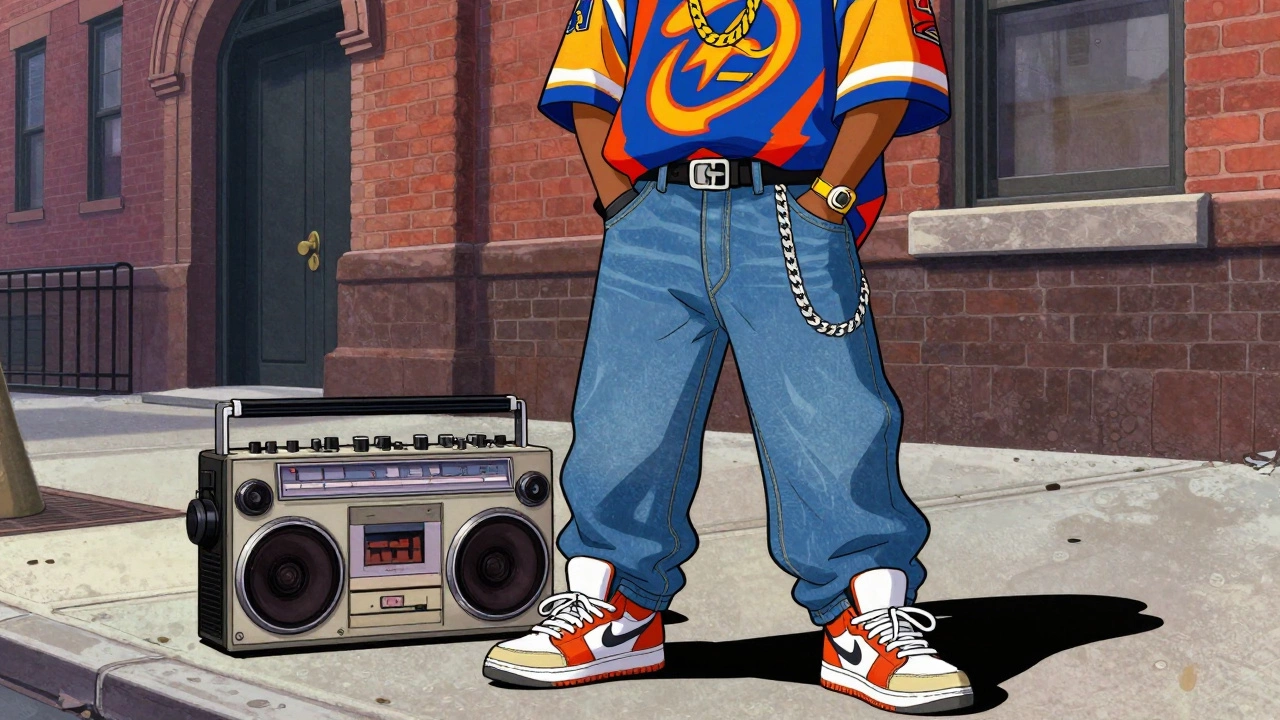
The influence on fashion was massive. We saw the rise of streetwear as a legitimate cultural force. Baggy jeans, oversized jerseys, and high-top sneakers weren't just clothes; they were markers of status and regional pride. The music brought a new level of rhythmic complexity and storytelling to the mainstream. R&B also evolved, blending smooth vocals with hip hop beats, creating a sound that dominated the radio and defined the "cool" aesthetic of the late 90s. If grunge was about retreating into yourself, hip hop was about claiming space and making your presence known.
The Visual Engine: MTV and the Video Revolution
Why did these trends spread so fast? Because for the first time, music was something you watched as much as you heard. MTV is a cable channel that revolutionized the music industry by making the music video a primary promotional tool and artistic medium. It wasn't just about the songs; it was about the 4-minute movie that came with them. If a band looked a certain way in a video, thousands of kids would be wearing that look by Monday morning.
This visual dominance created a feedback loop. Artists began designing their looks specifically for the camera. The "grunge" look was amplified because the videos used grainy, desaturated filters. The "pop" look was enhanced by high-contrast lighting and fast cuts. Platforms like MuchMusic in Canada further democratized this, allowing a wider variety of genres to coexist on the same countdowns. This meant a kid could watch a heavy metal video and a dance-pop track back-to-back, leading to the eclectic, cross-pollinated tastes that define the decade.
Identity Construction in the Analog-to-Digital Transition
The 90s were a bridge. We started the decade with cassette tapes and ended it with the early days of Napster. This transition mirrored how youth identity was shifting. There was a desperate search for "realness." Whether it was through the angst of Alternative Rock-a broad category of music that rejected the conventions of mainstream rock-or the poetic introspection of rap, young people were using music to carve out identities that felt separate from their parents.
This was the era of the subculture. You didn't just "like music"; you were a Goth, a Raver, a skater, or a Grunge fan. These identities provided a social shorthand. If you saw someone wearing a chunky platform shoe and black eyeliner, you knew exactly what their CD collection looked like. Music provided the soundtrack, but the fashion provided the uniform. It was a way of finding your tribe in a pre-internet world where you actually had to go to a record store or a concert to find people who felt the same way you did.
The Lasting Echo: Why the 90s Still Matter
Why are we still obsessed with this era? Because the 90s were the last time music felt like a fragmented, mysterious discovery. Today, algorithms tell us what we like. In the 90s, you had to hunt for a bootleg tape or wait for a specific radio show to hear a track. That effort created a deeper emotional bond with the music.
We see the 90s returning in current trends-the return of wide-leg pants, the resurgence of vinyl, and the cyclical nature of pop-punk. The core tension of the 90s-the battle between the raw and the polished-is still the central conflict in art today. Whether we are craving the authenticity of a distorted guitar or the dopamine hit of a perfectly produced pop song, we are essentially speaking the language developed in the 1990s.
What was the most influential music genre of the 1990s?
It depends on the cultural lens. Grunge was arguably the most influential in terms of shifting the global aesthetic toward "anti-fashion" and raw emotion. However, Hip Hop had a more profound long-term impact on global fashion (streetwear) and the structure of modern pop music. Teen Pop dominated the commercial markets, proving that music could be a massive, choreographed global brand.
How did MTV affect the way people dressed in the 90s?
MTV turned music into a visual experience. Instead of just hearing a song on the radio, fans saw exactly how artists styled themselves. This accelerated the spread of trends; a specific pair of shoes or a hairstyle seen in a high-rotation video could become a global trend within weeks, bridging the gap between underground scenes and mainstream malls.
What is the difference between Grunge and Alternative Rock?
Grunge is a specific subgenre of Alternative Rock. While all grunge is alternative rock, not all alternative rock is grunge. Grunge is specifically tied to the Seattle sound, featuring heavier distortion and a focus on angst and apathy. Alternative Rock is a broader umbrella that includes everything from the quirky sounds of Weezer to the more polished art-rock of the era.
Why was the 90s considered a "magical time" for music discovery?
It was the sweet spot between the analog world and the digital world. There was enough technology to distribute music widely (CDs, MTV), but not so much that discovery was automated. People had to actively seek out music through zines, record store clerks, and word-of-mouth, making the connection to the art feel more personal and earned.
Did the East Coast-West Coast rap rivalry affect the music?
Yes, it created a fierce competition in production and lyricism. The East Coast focused on a grittier, sample-heavy sound reflective of New York City, while the West Coast (specifically the G-Funk sound) was smoother and more melodic, reflecting the car culture of Los Angeles. While the rivalry had tragic real-world consequences, it pushed both regions to innovate rapidly.


