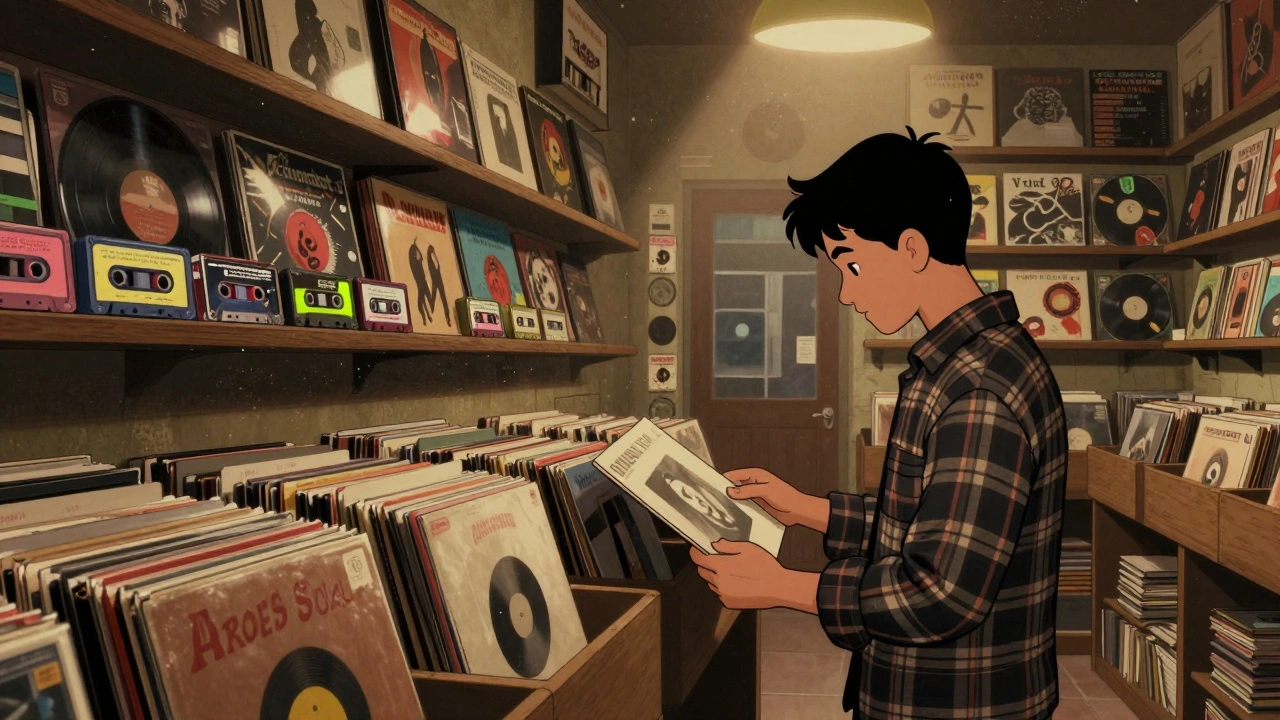

Remember the smell of a record store in 1992? It was a mix of cardboard, vinyl dust, and something electric in the air. The 1990s Indie Rock Labels were the engines behind the biggest cultural shift in music since rock and roll itself. Before the internet took over, these small companies decided what sounded cool and what didn't. They didn't have massive marketing budgets like the giants. They had vision, grit, and a network of college radio stations that refused to play anything polished.
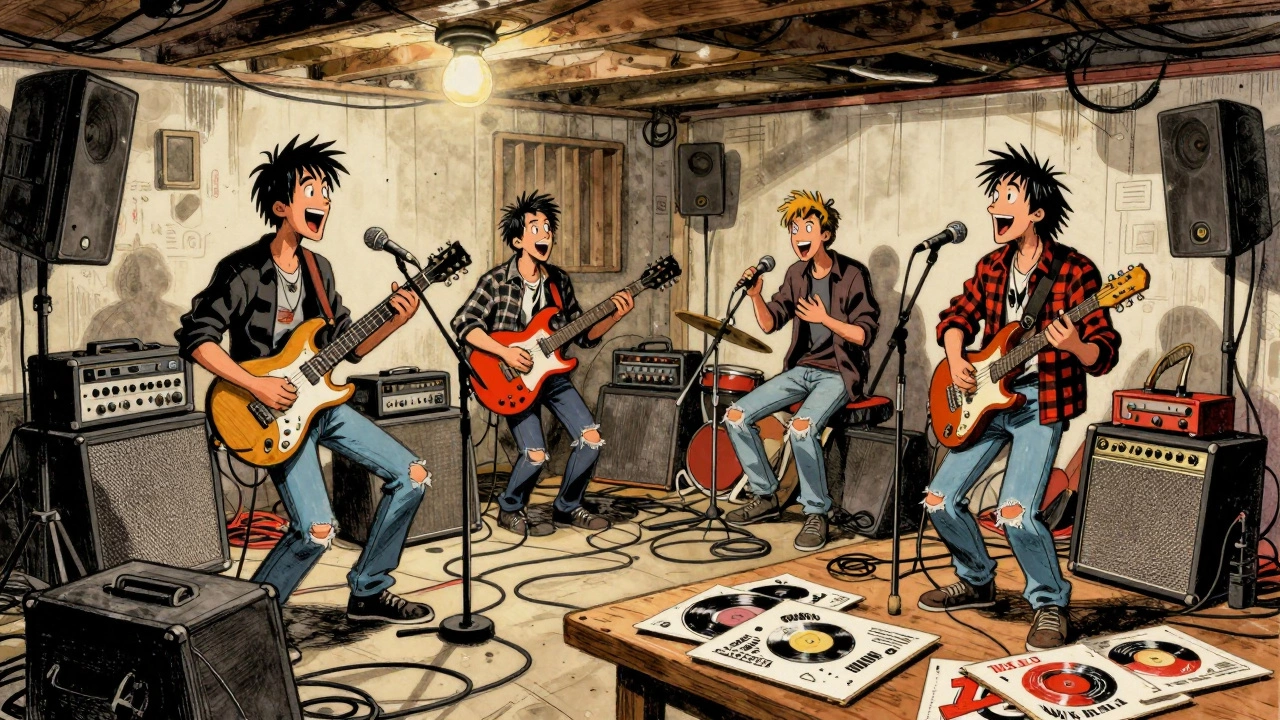
When Alternative Rock a genre of rock music that emerged from the independent music underground of the 1980s hit the mainstream, it wasn't a corporate strategy. It was a rebellion. Bands like Nirvana didn't just appear on MTV; they were pushed by labels that believed in raw sound over radio perfection. This era proved that you didn't need a Fortune 500 company to change the world. You just needed a basement, a tape deck, and a label willing to take a risk.
The DIY Ethos That Defined the Decade
Before the big money arrived, indie labels operated on a do-it-yourself principle. This wasn't just a slogan; it was a survival tactic. Bands would press their own records on cassette tapes, hand-stamp the covers, and mail them out to zines and radio stations. This grassroots approach built a direct connection between the artist and the fan. There were no middlemen, no corporate suits telling you to change the song to fit a three-minute format.
This independence allowed for artistic freedom that major labels simply couldn't offer. If you wanted to record a song that was eight minutes long with feedback at the end, you could. Major labels wanted hits; indie labels wanted art. This distinction created a safe haven for musicians who felt alienated by the polished hair metal and pop acts dominating the charts in the 1980s. The result was a sound that felt real, unfiltered, and dangerously authentic.
Key Labels That Changed the Game
Several specific companies stand out as the architects of this movement. Sub Pop an American independent record label formed in 1986 in Seattle, Washington is probably the most famous. Based in Seattle, they didn't just sign bands; they marketed a lifestyle. They made grunge look cool before anyone else knew what it was. When they released Nirvana an American rock band formed in Aberdeen, Washington, in 1987's debut, they set the stage for the biggest rock explosion of the decade.
Then there was Matador Records an American independent record label based in Brooklyn, New York. While Sub Pop was about the grunge aesthetic, Matador focused on the lo-fi and indie pop scene. They signed bands like Pavement, who prioritized slacker vibes and unpolished production. Matador proved that you didn't need to be loud to be influential. Their roster included acts that defined the "indie" sound for a generation of listeners who wanted something quieter and more introspective.
On the East Coast, Merge Records an independent record label based in Durham, North Carolina was quietly building a powerhouse catalog. They signed R.E.M. early on, but their real legacy was bands like Neutral Milk Hotel and Superchunk. Merge operated with a collective mindset, treating artists as partners rather than products. This approach kept the label solvent and respected long after the initial 90s boom had faded.
The "Selling Out" Debate
As these indie bands gained popularity, a massive philosophical battle erupted. Could you stay indie if you made a lot of money? The press was full of articles asking if signing with a major label meant "selling out." For many, the answer was yes. Bands like Fugazi an American post-hardcore band formed in Washington, D.C. in 1987 famously refused to play in venues that charged more than five dollars for a ticket. They wanted to keep the scene accessible to everyone, not just those who could afford expensive concert tickets.
However, other bands chose to sign with major labels to reach more people. Nirvana signed to DGC Records, a subsidiary of Geffen. This deal gave them the distribution network to put Nevermind in every record store in America. The tension between artistic integrity and commercial success became the defining conflict of the era. Some argued that selling out was the only way to fund the next album. Others believed that money would inevitably corrupt the music. This debate shaped how fans viewed their favorite bands for the rest of the decade.
Women in the Scene: Riot Grrrl
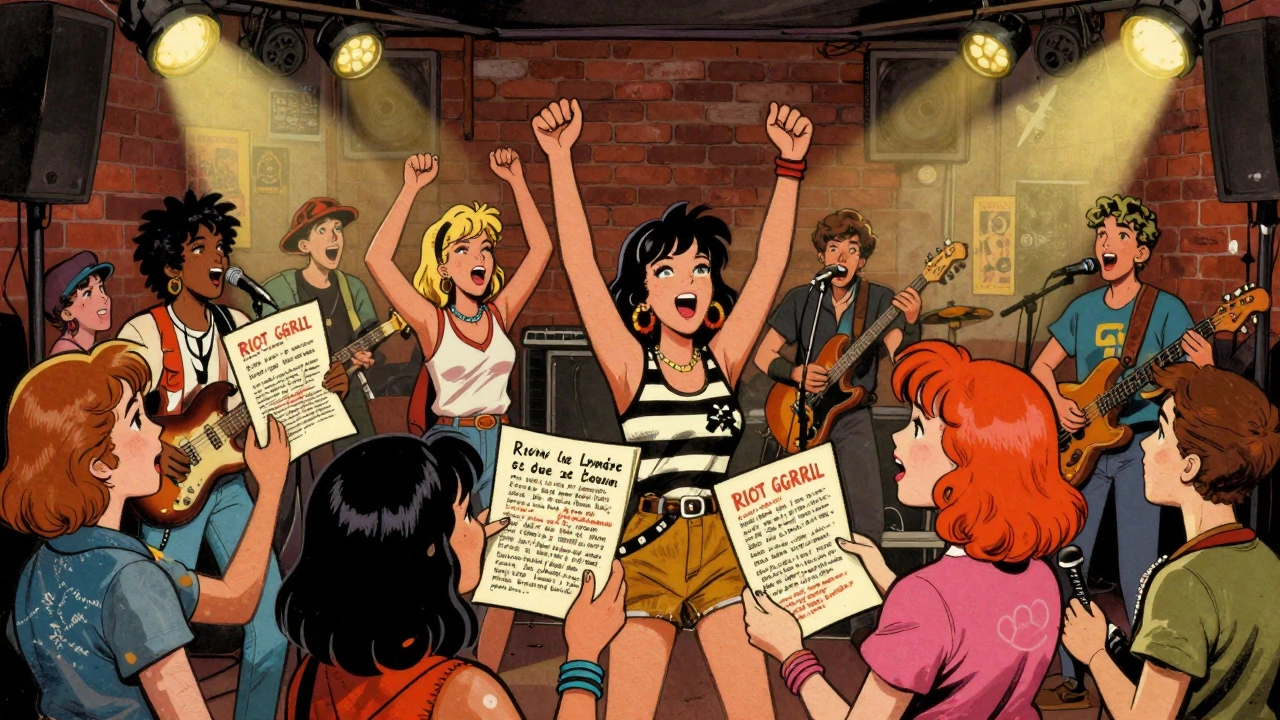
The 1990s indie scene wasn't just about grunge and men in flannel. The Riot Grrrl a feminist punk movement that emerged in the early 1990s in the United States movement changed the conversation entirely. Bands like Bikini Kill and Sleater-Kinney created a space for women to express anger, sexuality, and political views without censorship. They didn't just want a seat at the table; they wanted to flip the table over.
Labels like Kill Rock Stars an independent record label founded in Olympia, Washington in 1991 were crucial to this movement. They released records by Bikini Kill and Bratmobile, ensuring that the feminist punk message reached a wider audience. These labels proved that women were not just a niche market but a driving force in the alternative landscape. The DIY ethos of Riot Grrrl influenced how bands organized tours, printed zines, and managed their own careers for decades to come.
Global Sounds and the End of the Decade
By the mid-to-late 90s, the sound began to diversify. The UK brought us shoegaze and dream pop with bands like My Bloody Valentine and Slowdive. These groups used heavy reverb and distorted guitars to create immersive soundscapes that contrasted with the aggression of American grunge. Meanwhile, electronic music began to infiltrate the rock scene. Bands like The Prodigy and Massive Attack showed that rock and dance music could coexist.
As the decade closed, the lines between indie and major blurred further. Many indie labels signed distribution deals with major corporations to get their music into stores. This allowed for wider reach but raised questions about independence. By 1999, the landscape was shifting again. The rise of file-sharing and the internet would soon disrupt the entire model, but the foundation laid by these 90s labels remained intact.
| Label | Location | Key Artist | Signature Sound |
|---|---|---|---|
| Sub Pop | Seattle, WA | Nirvana | Grunge, Heavy |
| Matador Records | New York, NY | Pavement | Lo-Fi, Indie Pop |
| Merge Records | Durham, NC | Neutral Milk Hotel | Indie Folk, Jangle Pop |
| Kill Rock Stars | Olympia, WA | Bikini Kill | Punk, Riot Grrrl |
| Touch and Go | Chicago, IL | Big Black | Post-Hardcore, Noise |
Legacy in the Modern Era
Today, the spirit of those 90s labels lives on, but the mechanics have changed. Digital platforms like Bandcamp and SoundCloud have democratized distribution. Artists don't need a physical label to get their music heard. However, the curation and community building that labels like Sub Pop and Merge provided are still valuable. Many modern artists choose to sign with small independent labels rather than chasing major deals, echoing the choices made by bands like Fugazi and Superchunk.
The "indie" label has become a genre in itself, often detached from its original meaning of independence. You can buy "indie pop" at a major chain store now. But the core ethos remains: authenticity matters. Fans still crave music that feels human and unpolished. The success of boutique festivals and the resurgence of vinyl sales show that people still want to engage with music physically and emotionally, just like they did in the 90s.
Why It Still Matters
Understanding the 1990s indie label scene isn't just about nostalgia. It's about recognizing a time when music was driven by community rather than algorithms. The decisions made by these small companies shaped the cultural landscape of the last thirty years. They proved that you could build a movement from the ground up. For anyone looking to start a band or a label today, the lessons from that era are still relevant. You don't need a massive budget to make an impact. You need a clear vision and the courage to stay true to it.
What made indie labels different from major labels in the 90s?
Indie labels offered artists more creative control and operated on a DIY ethic, often prioritizing artistic integrity over commercial success. They didn't have the massive marketing budgets of majors but built strong connections with college radio and underground scenes.
Which label is most associated with the grunge movement?
Sub Pop is the label most closely associated with grunge. They were based in Seattle and were instrumental in marketing the sound of bands like Nirvana and Soundgarden to the world.
What was the "selling out" debate about?
The debate centered on whether indie bands should sign with major record corporations to reach a wider audience. Some fans and bands believed this compromised artistic integrity and betrayed the underground ethos.
How did Riot Grrrl influence the music industry?
Riot Grrrl was a feminist punk movement that created space for women in a male-dominated industry. Labels like Kill Rock Stars supported these bands, fostering a culture of female empowerment and DIY organization.
Do indie labels still exist today?
Yes, indie labels are still very active. While digital platforms allow artists to self-release, many still partner with independent labels for distribution, marketing, and community support.