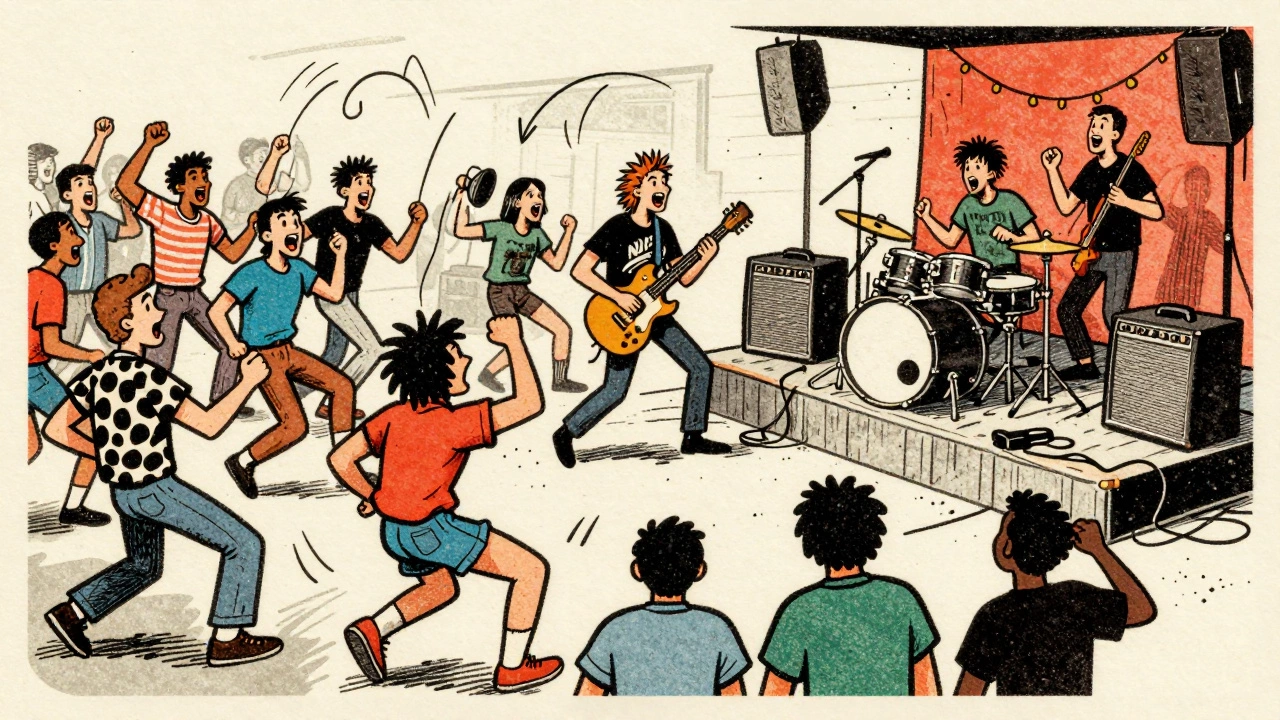

Forget the polished image of 80s pop. While the rest of the world was obsessed with synthesizers and neon, a raw, aggressive mutation of rock and roll was tearing through American cities. This wasn't just music; it was a social uprising. Hardcore Punk is a faster, heavier, and more intense evolution of punk rock that emerged in the late 70s and peaked in the 80s, characterized by DIY ethics and a rejection of commercialism. It didn't happen in one place. Instead, it exploded in regional pockets, each with its own flavor, its own set of rules, and its own legendary venues.
Washington DC: The Blueprint for DIY
If there is a ground zero for the organized DIY movement, it is Washington DC. During the decade between 1980 and 1990, DC became a laboratory for independence. Bands didn't wait for a record label to discover them; they started their own. This era produced a level of conviction and community power that paved the way for the alternative music explosion of the 90s.
The sound in DC was stripped down and urgent. Minor Threat and Bad Brains weren't just playing loud; they were redefining the speed of music. While Bad Brains brought a manic, spiritual energy and unmatched technical skill, Minor Threat infused the scene with a strict, high-energy ethic that often overlapped with the Straight Edge movement.
Infrastructure was everything. The scene survived because it built its own walls. Early on, the Atlantis venue provided a necessary sanctuary. By 1983, the need for space grew, leading to the rise of Food for Thought on Connecticut Avenue. Other staples like the 9:30 Club and DC Space became the heartbeat of the city, hosting acts like Government Issue, Scream, and the later, more experimental Fugazi.
New York City: Lower East Side Chaos
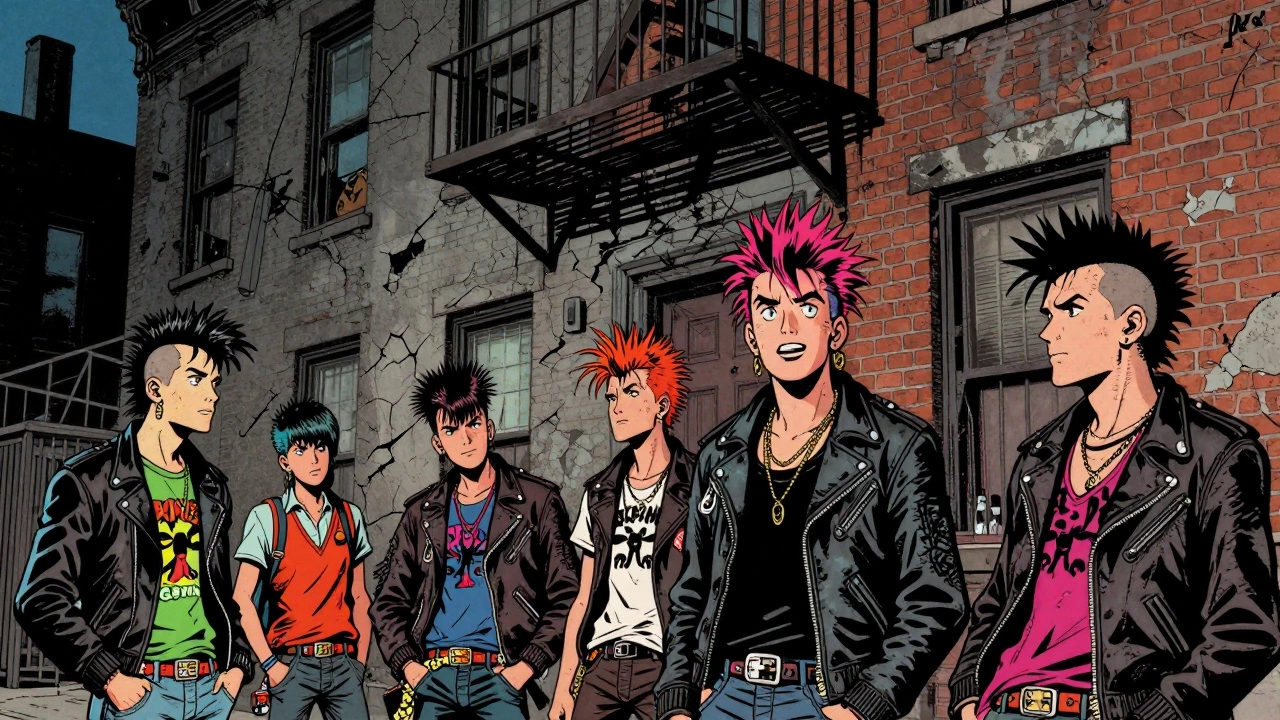
While DC was focused on organization and ethics, New York City's scene was born from urban decay and desperation. The Lower East Side in the early 80s was a landscape of abandoned buildings and poverty. This environment created a grit that leaked directly into the music. In NYC, the lines between punk, hardcore, and the emerging hip-hop scene were incredibly thin.
Squatters lived in crumbling tenements alongside Black and Latinx residents, creating a melting pot of aggression and creativity. This was the birthplace of NYC Hardcore (NYHC). Bands like Agnostic Front and Murphy's Law brought a street-level toughness to the sound, often incorporating a more metallic edge than their DC counterparts.
Interestingly, the two cities were connected by a bridge of talent. When Bad Brains were banned in DC, they didn't quit; they moved to New York. Their arrival in NYC acted as a catalyst, pushing local bands to play faster and harder. The crossover between these scenes proved that punk wasn't just a local hobby-it was a national network of alienated youth.
Los Angeles: The South Bay Surge
Out West, the energy was different. The LA scene, particularly in the South Bay region, was fueled by a specific kind of suburban alienation. It wasn't about urban decay like NYC or political organization like DC; it was about the frustration of being a teenager in the sprawl of Southern California.
The LA sound was often more visceral and chaotic. The documentation of this era often comes through the lens of people like Kevin Salk, whose photography captured the raw, sweaty reality of the South Bay shows. The music here was designed to provoke and disrupt. While bands like Black Flag (though hailing from Hermosa Beach) became the gold standard for the touring hardcore band, the regional scene fostered a culture of high-intensity performance and aggressive stage diving.
| Region | Primary Vibe | Key Focus | Notable Acts |
|---|---|---|---|
| Washington DC | Organized / Ethical | DIY Infrastructure | Minor Threat, Fugazi |
| New York City | Gritty / Urban | Street Culture & Fusion | Agnostic Front, Murphy's Law |
| Los Angeles | Alienated / Visceral | Suburban Rebellion | Black Flag |
| Midwest | Industrial / Raw | Working Class Anger | Various Local Scenes |
The Midwest: The Industrial Heartland
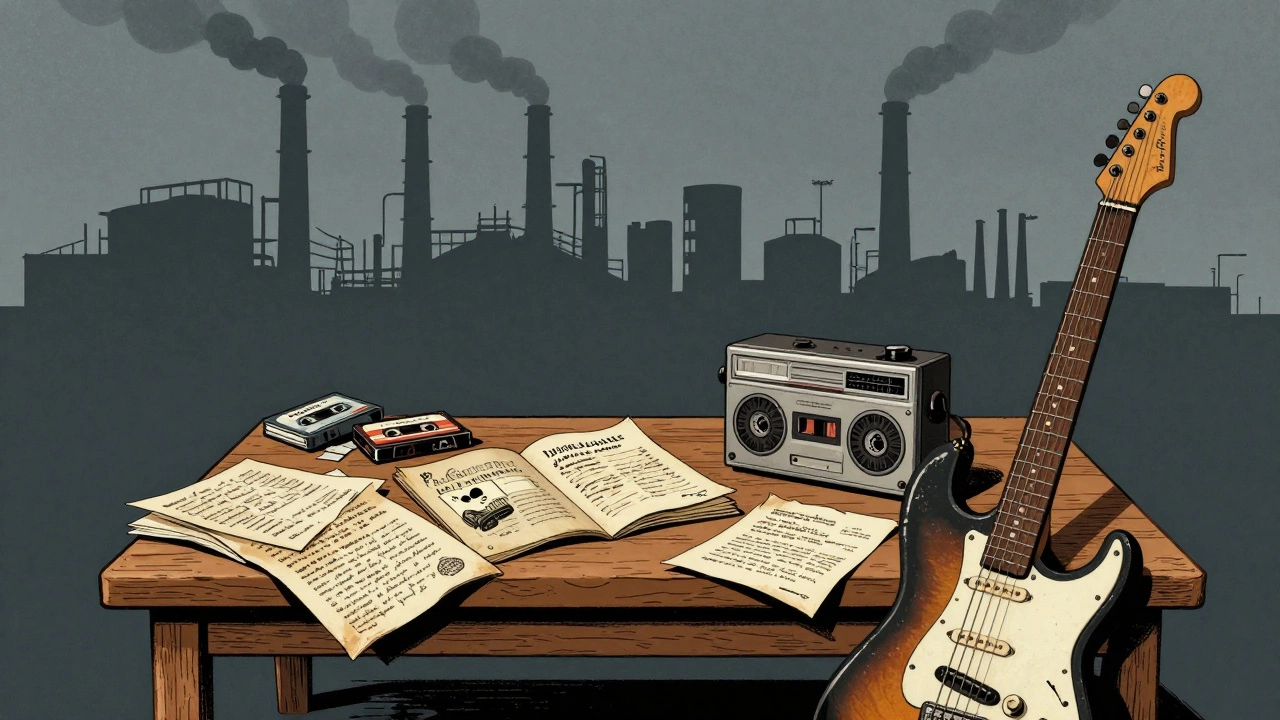
The Midwest is often the "missing link" in punk history books, but it was far from silent. In cities like Cleveland and Detroit, punk took on a different character. These were industrial hubs, and the music reflected the hard, cold reality of factory towns. The Midwest scene wasn't as centralized as the 9:30 Club in DC, but it was incredibly resilient.
Punk in the Midwest was often more isolated, which meant it developed in unique pockets. Because these musicians didn't have the same immediate access to the media hubs of NY or LA, they relied heavily on tape trading and zines to connect. This created a kinship between small-town punks and city dwellers, building a distributed network that spanned from the rust belt to the cornfields. It was a raw, unpolished version of the genre that prioritized energy over aesthetics.
The Legacy of the 80s Underground
What happens when you take thousands of kids, give them cheap guitars, and tell them the system is broken? You get a cultural shift. The regional scenes of the 80s didn't just create music; they created a blueprint for how to exist outside the mainstream. The DIY Ethic-the idea that you don't need permission to create, record, or distribute your art-is the most lasting contribution of this era.
By the time the 90s arrived, the "alternative" sound was a commercial product. But if you trace the lineage back, you see the DNA of DC's independence, NYC's street grit, and LA's raw aggression. These scenes proved that music is most powerful when it is local, specific, and completely unapologetic.
What is the difference between punk and hardcore punk?
While punk is the broader genre, hardcore is a specific subgenre that appeared in the late 70s. Hardcore pushed the boundaries of the original punk sound by increasing the tempo, making the vocals more shouted and aggressive, and emphasizing a "do-it-yourself" (DIY) approach to recording and touring.
Why was Washington DC considered the "ground zero" for DIY?
DC was uniquely focused on building its own infrastructure. Instead of seeking major label deals, DC bands formed their own labels, booked their own venues (like Food for Thought), and created a sustainable community that didn't rely on the music industry's approval.
How did the NYC scene differ from the LA scene?
The NYC scene was heavily influenced by the urban environment of the Lower East Side, blending hardcore with hip-hop and street culture. The LA scene, particularly in the South Bay, was more rooted in suburban alienation and a visceral, chaotic energy.
Who were the most influential bands of the 80s hardcore era?
Minor Threat and Bad Brains were pivotal in DC, Black Flag defined the West Coast sound and touring model, and Agnostic Front and Murphy's Law were central to the New York Hardcore (NYHC) movement.
What role did zines and tape trading play in these scenes?
Since these bands were ignored by mainstream media, zines (self-published magazines) and tape trading were the only ways to share information and music. This allowed a band from a small Midwest town to find fans in DC or LA, creating a national underground network.


