
Remember when clothes didn't just cover you up but screamed who you were? The 1980s is a decade defined by bold ambition, theatrical self-expression, and a decisive break from the subtle aesthetics of the 1970s was exactly that time. It wasn't enough to look good; you had to look loud. This era saw fashion transform from mere utility into a primary vehicle for identity, status, and cultural rebellion. From the sequined gloves of pop royalty to the shoulder-padded armor of corporate climbers, every garment told a story.
If you want to understand the visual language of the 1980s, you have to look at the icons who wore it first. These weren't just trends; they were statements. Let's break down the specific looks that defined this explosive decade.
The King’s Armor: Michael Jackson and the Power of Accessories
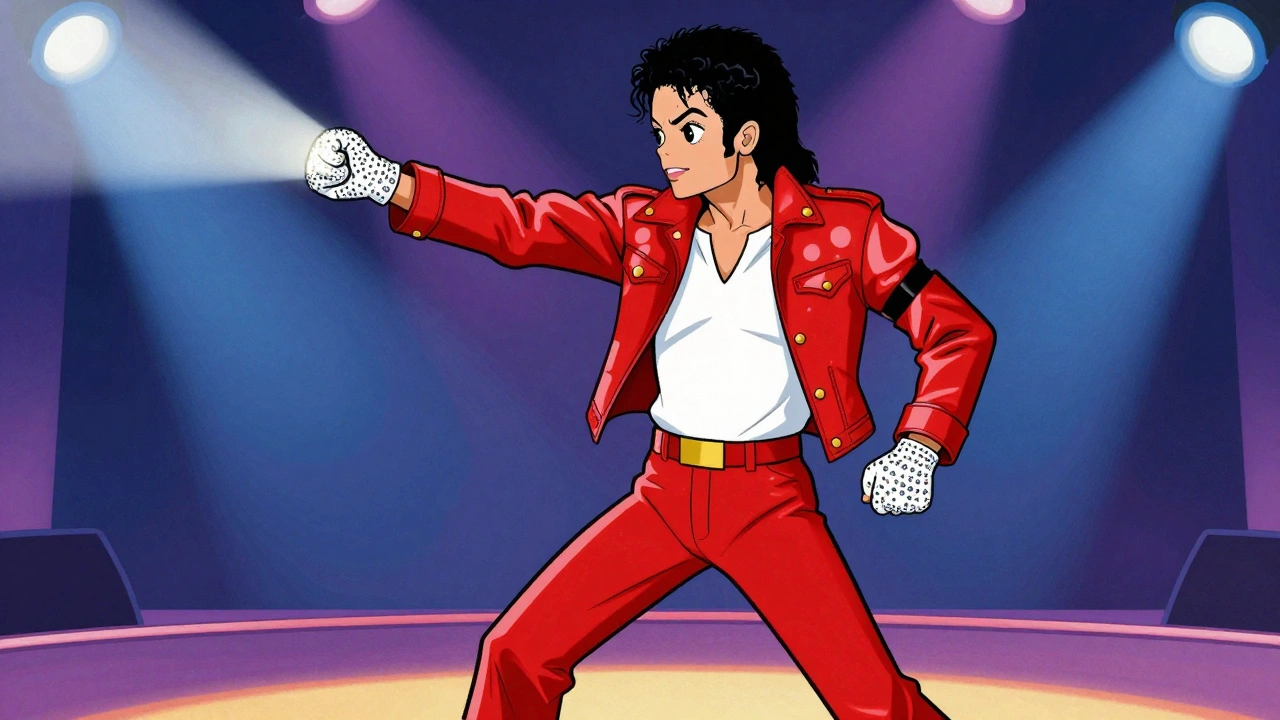
No discussion of 1980s pop fashion is complete without Michael Jackson, the 'King of Pop' who established himself as the decade's most influential fashion icon through his meticulously crafted stage costumes. Jackson didn't just wear clothes; he architected them. His influence transcended music, creating accessories that became global cultural symbols recognized by everyone, regardless of their interest in pop culture.
The most famous accessory in pop history is arguably Jackson's single white glove. Adorned with individual rhinestones, this sequined glove, a signature white leather glove encrusted with rhinestones, worn on the right hand during performances was more than a prop. It focused audience attention on his intricate dance moves, turning his hand into a spotlight itself. Fashion historians note that this single item achieved unprecedented status, becoming an instant symbol of performance excellence.
Then there was the Thriller jacket, a red leather jacket with sharp V-shaped design and gold buttons, made famous by Michael Jackson's 1983 music video. Released alongside the groundbreaking "Thriller" album, this red leather jacket with its sharp V-neck and gold detailing became a must-have for teenagers everywhere. By 1984, knockoff versions were ubiquitous in school hallways across America. The jacket represented aspirational coolness-a tangible piece of the magic kids wanted to own. Jackson’s full ensemble, including high-water pants (cropped above the ankle), military-style jackets with gold braids, white socks, and loafers, created a silhouette that influenced fashion across all socioeconomic levels.
Madonna and the Rebellion of Layering
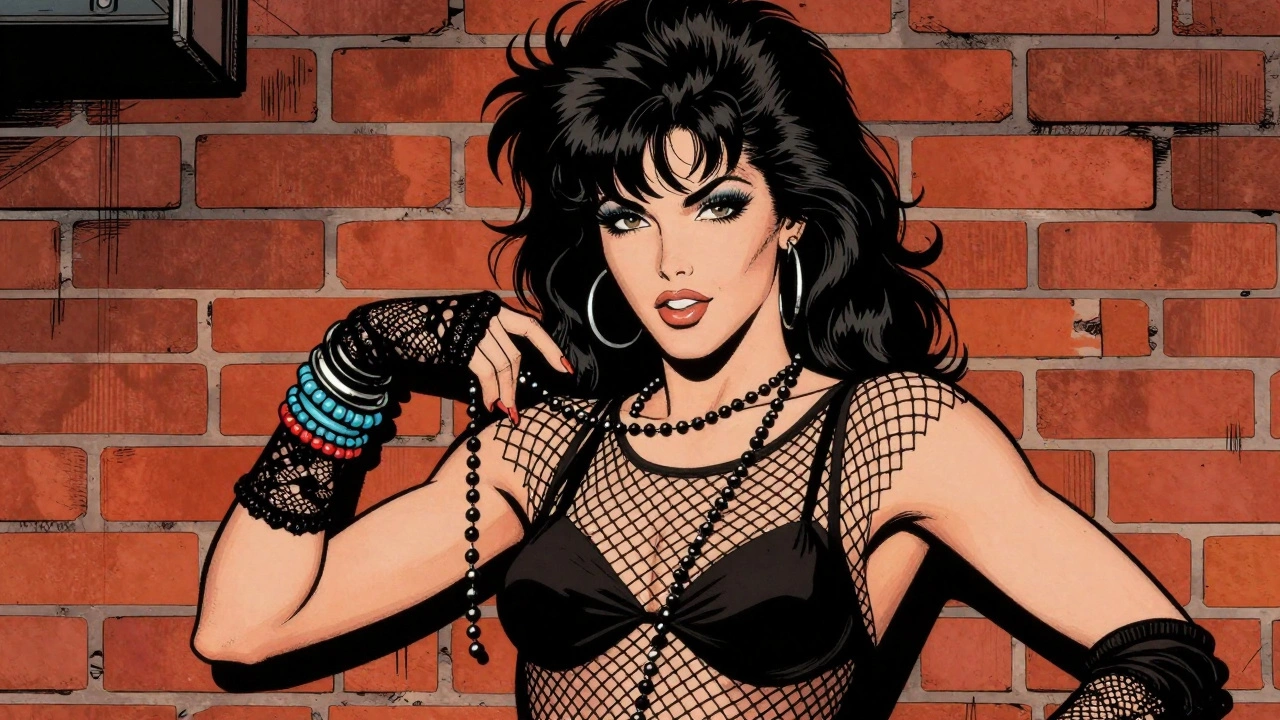
While Jackson perfected the polished uniform, Madonna, a transformative fashion force who pioneered provocative aesthetics by wearing lingerie as outerwear and using religious iconography as accessories broke the rules. She emerged as a boundary-breaking figure who challenged conventional femininity and propriety standards. Her style was less about a single iconic garment and more about a philosophy of maximalism and defiance.
Madonna’s signature look included lace gloves, stacked bracelets, mesh tops, and rosaries worn as fashion accessories. But her use of fingerless gloves, lace or leather gloves cut off at the fingers, popularized by Madonna as a deliberate departure from formal etiquette was particularly significant. Unlike the traditional elbow-length white gloves associated with formal debutante balls, Madonna’s fingerless lace and leather gloves signaled something different. They were edgy, sexual, and rebellious. Fashion critics described this look as being "more Madonna than debutante," highlighting how she repurposed symbols of tradition into tools of provocation.
She also popularized wearing lingerie as outerwear, a direct confrontation with established norms. This approach encouraged fans to embrace unconventional layering and accessory stacking, defining the experimental spirit of 1980s fashion.
Power Dressing: Shoulder Pads as Status Symbols
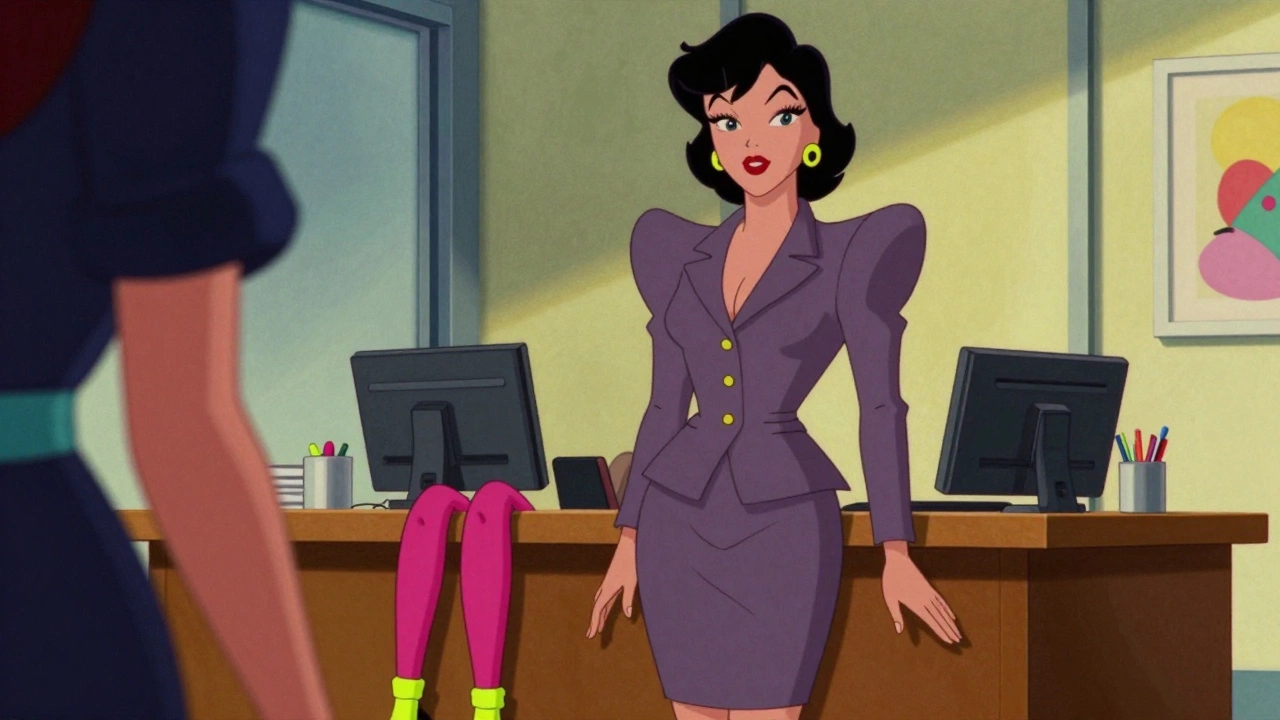
Outside the concert arena, a different kind of statement was being made in boardrooms and office buildings. The power dressing movement, a professional fashion trend characterized by structured silhouettes, bold shoulder pads, and tailored blazers that signaled authority and competence represented a significant cultural shift, particularly for women entering male-dominated corporate environments.
Shoulder pads became ubiquitous across all demographics. For business professionals, these weren't just structural elements; they were strategic tools. Strong, structured silhouettes with exaggerated shoulders symbolized authority, confidence, and strength. Icons like Grace Jones, a fashion icon synonymous with power dressing aesthetics, known for wearing tailored blazers and oversized shirts with statement-making shoulder pads and Annie Lennox consistently wore tailored blazers and oversized shirts that projected dominance. These garments reshaped body silhouettes into exaggerated hourglass figures while functioning as visual markers of professional competence. Women used shoulder pads to assert presence and influence perceptions within hierarchical spaces, making these garments integral to workplace identity negotiation.
Jackets: From Leather Rebellions to Punk DIY
Jackets served as central statements in 1980s fashion discourse, each type signaling a different subcultural allegiance. The leather jacket, a rebellious outerwear item representing non-conformity and defiance of mainstream aesthetics maintained its status as a symbol of non-conformity and attitude. However, the denim jacket, a versatile canvas for customization and individual expression, adopted by punks, preppies, and various style tribes proved to be the chameleon of the decade.
Denim jackets suited everyone from preppy teens to punk rockers. In the punk movement, led by visual icons like Joan Jett and Nina Hagen, secondhand jackets became canvases for DIY expression. Ripped jeans and patched-up jackets were acts of defiance against mainstream commercialism. Chains sourced from household items added to the aesthetic of social rejection. Meanwhile, parachute pants-constructed from lightweight nylon with multiple zipper pockets-represented futuristic aesthetics and became staples of hip-hop style, popularized by MC Hammer. These pants signaled innovation and a forward-looking energy that contrasted sharply with the ruggedness of denim.
Accessories, Neon, and the Culture of Excess
In the 1980s, accessories stopped being secondary and started leading the show. Belts evolved into independent fashion declarations. Whether metallic, leather, or studded, belts were often worn loose and hanging or cinched tightly to create the "paper bag waist" silhouette. This exaggerated waistline increased the fashion quotient of any ensemble, drawing attention to the hips and legs.
Neon colors achieved unprecedented cultural prominence, becoming synonymous with the decade. Pop icons like Cyndi Lauper and Boy George made bold statements through neon-infused outfits and unconventional hairstyles. This embrace of artificiality and visual excess rejected subtlety in favor of impact. Chunky jewelry, oversized earrings, bangles, and key earrings became recognizable personal signatures. Layering multiple accessories simultaneously-stacked bracelets, multiple earrings, statement belts-represented a deliberate maximalism that contradicted emerging minimalist philosophies.
Leg warmers also found their place in the pantheon of 80s icons. Initially popularized by the 1983 film "Flashdance," these cylindrical knit accessories transcended their functional purpose in fitness culture to become symbols of the aerobic exercise craze. Worn around the lower leg and ankle, they marked participation in contemporary lifestyle trends.
The Role of Media: MTV, Film, and Fashion Cycles
Fashion in the 1980s didn't exist in a vacuum; it was amplified by new media technologies. The launch of MTV, a cable television channel launched in 1981 that provided visual staging for fashion innovation through music videos in 1981 changed everything. Music videos became platforms for introducing new fashion statements to a global audience. Performers utilized these videos to showcase innovations like Jackson’s glove or Madonna’s layered looks, moving trends from screen to street with remarkable speed.
Television shows like "Dynasty" influenced corporate fashion, with viewers translating character wardrobes into personal purchasing decisions. Filmmaker John Hughes’ teen movies, such as "The Breakfast Club" and "Sixteen Candles," directly influenced casual youth fashion, creating templates for preppy, rebellious, and athletic styles. This multimedia reinforcement created rapid fashion cycles where designer intent met mass consumer adoption almost overnight.
| Icon | Signature Item | Cultural Impact | Style Philosophy |
|---|---|---|---|
| Michael Jackson | White Sequined Glove | Global recognition of performance attire | Meticulous, theatrical precision |
| Madonna | Fingerless Lace Gloves | Challenged femininity and propriety norms | Provocative maximalism and layering |
| Grace Jones | Shoulder-Padded Blazer | Defined corporate power dressing for women | Structured authority and confidence |
| Cyndi Lauper | Neon Outfits | Popularized bright, artificial color palettes | Visual excess and individual expression |
Legacy: Why 1980s Fashion Still Matters
The legacy of 1980s pop fashion remains strong today. Modern designers regularly reference 1980s silhouettes, including shoulder pads, high waistlines, and oversized proportions. The decade’s emphasis on individual expression, visible status signaling, and deliberate visual excess continues to resonate, particularly within subcultures emphasizing aesthetic maximalism. Museums and retrospective exhibitions frequently feature items like Jackson’s Thriller jacket, analyzing them as foundational to understanding late 20th-century cultural expression. The integration of music, media, and performance created enduring aesthetic frameworks that transcend their originating historical period, proving that what we wear is always a reflection of who we are trying to be.
Why were shoulder pads so popular in the 1980s?
Shoulder pads were popular because they symbolized authority and competence, especially for women entering male-dominated corporate environments. They created strong, structured silhouettes that projected confidence and strength, serving as visual markers of professional power during the power dressing movement.
What made Michael Jackson's white glove so iconic?
Michael Jackson's white sequined glove became iconic because it focused audience attention on his intricate dance moves. Adorned with rhinestones, it transformed his hand into a spotlight, achieving unprecedented status as a cultural symbol recognized globally beyond just fashion circles.
How did MTV influence 1980s fashion trends?
MTV provided a global platform for music videos, which served as visual staging for fashion innovation. Pop performers used these videos to introduce new looks, accelerating the cycle from stage to street and allowing trends to spread rapidly across demographics worldwide.
What was the significance of Madonna's fingerless gloves?
Madonna's fingerless lace and leather gloves represented a deliberate departure from traditional formal white gloves. They signaled rebellion, edginess, and a challenge to conventional femininity, embodying her philosophy of provocative maximalism and unconventional layering.
Did 1980s fashion only focus on celebrities?
No, 1980s fashion influenced all demographics. While celebrities set trends, elements like denim jackets, parachute pants, and power dressing were adopted by teenagers, corporate professionals, and subcultural groups like punks and hip-hop artists, reflecting broader cultural shifts.


