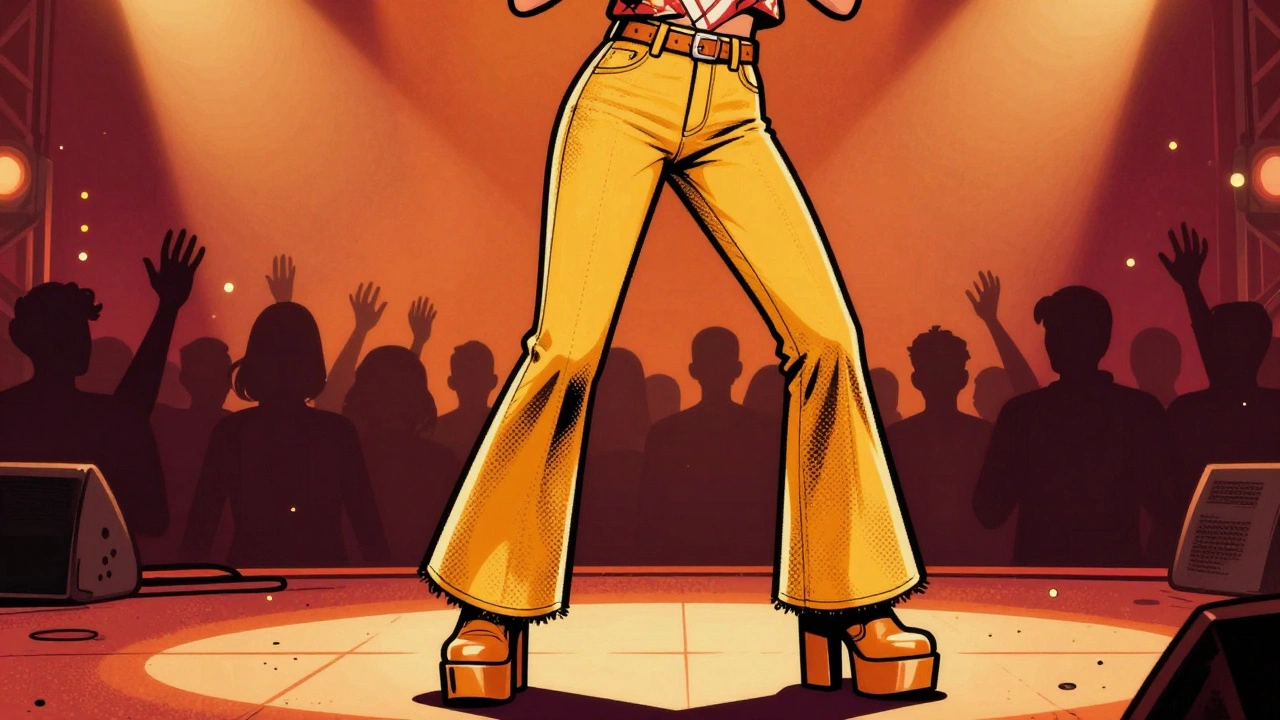

Step onto any major festival stage or pop concert in 2026 and you will likely see a flash of mustard yellow, the sweep of flared denim, or the silhouette of platform boots. It is not a costume party from decades past; it is the current uniform of creative expression. The 1970s fashion revival is a sustained trend where iconic styles from the 1970s are reintegrated into modern wardrobes and stage aesthetics has moved far beyond simple nostalgia. For today's artists, this aesthetic is a tool for storytelling, allowing them to channel an era defined by radical self-expression, artistic freedom, and visual drama.
The Psychology Behind the Retro Comeback
Why do performers keep returning to the 1970s? It is not just about looking good. The 1970s were a decade of breaking rules. Fashion was less about rigid conformity and more about individual identity. When an artist wears a paisley print or a fringed jacket, they are signaling a connection to that spirit of rebellion and harmony. This psychological appeal is rooted in the hippie movement's emphasis on love and creativity. Contemporary artists adopt these looks to tell their audiences that they value authenticity over polish. It creates a bridge between the performer and the crowd, suggesting a shared desire for genuine human connection in a digital age.
This trend is also practical. Stage wear needs to be bold enough to read under bright lights but comfortable enough to allow for movement. The loose silhouettes and flowing fabrics of the 1970s offer exactly that. They provide volume and texture without restricting the body, making them ideal for high-energy performances.
Key Silhouettes Defining Modern Stage Wear
To understand how to build a 1970s-inspired look, you need to focus on specific garment shapes. These are the building blocks that designers and stylists use to create that authentic vibe.
- Flared Pants: These are fitted at the waist and thigh, then widen dramatically from the knee down. They elongate the legs and add a sense of motion when the artist walks or dances. High-waisted cuts are essential for balancing the flare.
- Platform Shoes: Whether sneakers or boots, platforms add height and presence. They ground the outfit with a heavy, stable base that contrasts with lighter tops.
- Maxi Dresses: Flowing, airy dresses in sheer or lightweight fabrics create a dramatic silhouette. They move beautifully on camera and convey a bohemian elegance.
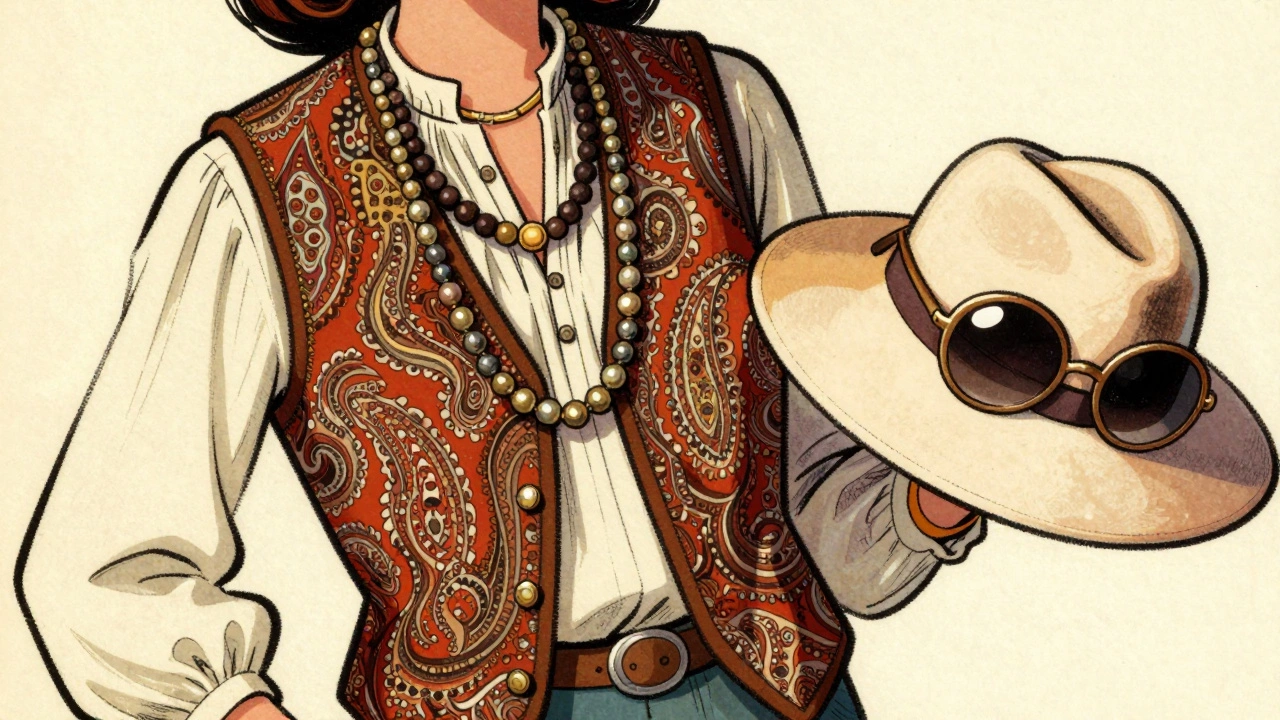
- Tailored Vests: Often worn over blouses or t-shirts, vests add structure and layering. They reference the sharp tailoring of early 70s menswear while keeping the overall look relaxed.
These pieces work because they balance volume and fit. A common mistake is wearing too much volume everywhere. The key is to pair wide-leg pants with a tucked-in, fitted top, or a voluminous dress with structured shoes. This contrast keeps the look chic rather than costumey.
Color Palettes and Patterns That Pop
The 1970s were visually loud, and modern stage wear embraces that intensity. You will rarely see muted grays or basic blacks dominating these outfits. Instead, look for earthy tones mixed with vibrant accents.
Mustard yellow, burnt orange, deep burgundy, and olive green form the core palette. These colors feel warm and organic. They evoke the natural world, connecting back to the environmental consciousness of the era. Pair these with bold patterns like psychedelic prints, geometric shapes, or paisley motifs. Paisley, in particular, is a signature pattern that instantly reads as 70s. It adds complexity and visual interest without overwhelming the eye when used correctly.
Designers like Chloé have led the way in bringing these artisanal details to the runway. Their collections feature beads, embroidery, lace, and ruffles, elevating simple fabrics into statement pieces. This attention to detail is what separates high-fashion interpretations from fast-fashion imitations. For artists, investing in one or two high-quality pieces with intricate detailing can define their entire brand aesthetic.
Styling Strategies for Performers
Incorporating 1970s elements into a modern wardrobe requires a strategic approach. You do not need to go all-out to make an impact. Subtlety can be powerful. Here are some effective ways to blend eras:
- Mix Vintage with Modern: Pair a tie-dye tee with high-waisted jeans and sleek platform sneakers. This combination keeps the look fresh and relevant.
- Layer Thoughtfully: Layering was huge in the 70s. Try a peasant blouse under a tailored vest, or a turtleneck under a slip dress. Layers add depth and texture, which photographs well on stage.
- Accessorize Wisely: Accessories can transform a simple outfit. Oversized sunglasses, wide-brimmed hats, and chunky necklaces are essential. They add personality and draw attention to the face.
- Play with Prints: Do not be afraid to mix patterns. Pair a psychedelic print blouse with striped flares. The key is to keep the color palette consistent so the prints complement rather than clash.
Remember that stage wear is different from street style. On stage, every detail is amplified. Choose accessories that catch the light, like metallic jewelry or sequined bags. Ensure that your clothing allows for full range of motion. No one wants a performer struggling against tight seams during a dance break.
The Role of Social Media in Trend Adoption
Social media has accelerated the adoption of 1970s stagewear. Platforms like Instagram and TikTok allow artists to share behind-the-scenes glimpses of their styling process. This transparency builds engagement and educates fans on the trends. Influencers and fashion reviewers play a crucial role in validating these choices, turning niche vintage finds into mainstream must-haves.
The democratization of fashion means that artists no longer need luxury budgets to achieve these looks. Retailers like Zara, ASOS, and Topshop offer affordable 1970s-inspired pieces. This accessibility allows emerging artists to experiment with their image without significant financial risk. It fosters a culture of creativity where style is about curation and personal touch, not just price tags.
Beyond Bohemian: Punk and Disco Influences
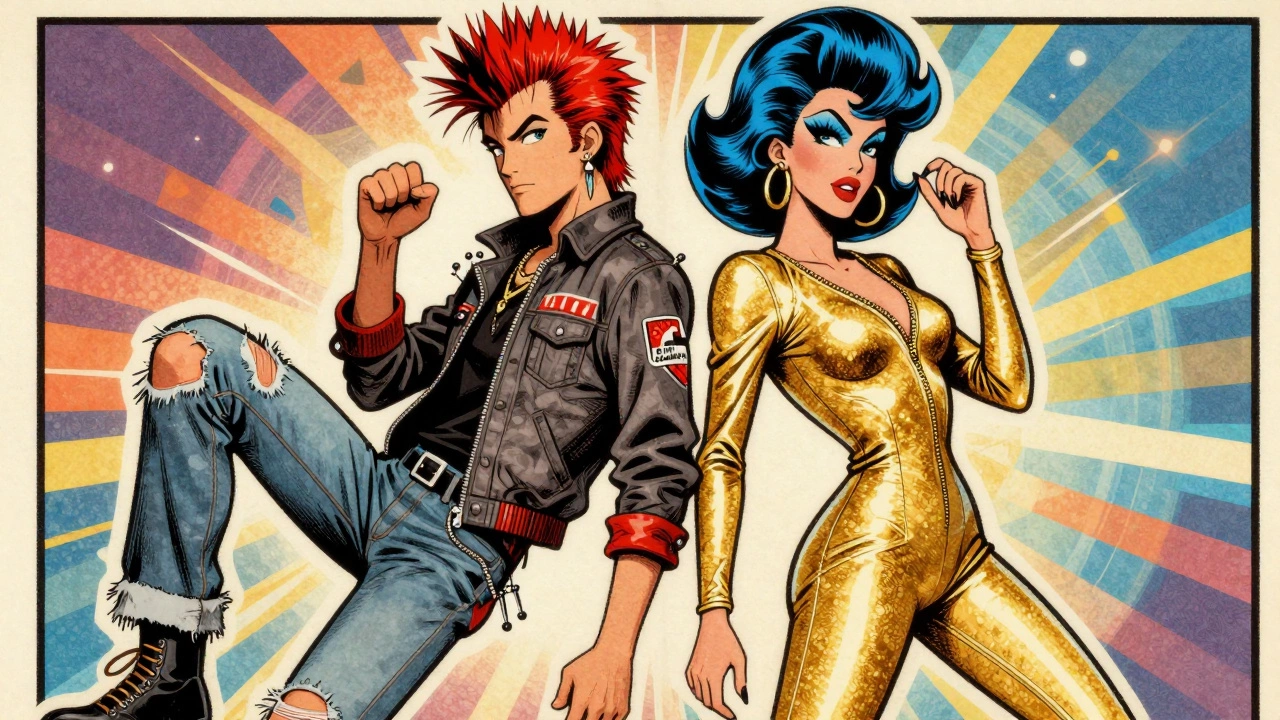
The 1970s were not monolithic. While bohemian styles dominate the conversation, other subcultures are also seeing revivals. Punk rock aesthetics, with their ripped jeans, patch-covered jackets, and safety pins, are making a comeback in alternative music scenes. This raw, rebellious edge appeals to artists who want to project toughness and nonconformity.
Disco glamour is another strand being revived. Think shiny fabrics, jumpsuits, and bold makeup. This look emphasizes confidence and nightlife energy. Artists in pop and R&B genres often lean into this side of 70s fashion, using it to create a sense of celebration and excess. By blending these different influences, contemporary performers can craft unique identities that resonate with diverse audiences.
Future Outlook: Will the Trend Last?
Fashion trends are cyclical, but the 1970s revival shows signs of staying power. Since its resurgence around 2020, the trend has evolved rather than faded. It has moved from literal reproductions to more experimental, fantasy-oriented interpretations. As long as artists continue to find new ways to integrate these elements, the 1970s aesthetic will remain a vital part of the fashion lexicon. It offers a timeless framework for self-expression that adapts to changing cultural contexts.
What are the key colors in 1970s stagewear?
The key colors include mustard yellow, burnt orange, deep burgundy, olive green, and earthy browns. These warm, organic tones are central to the bohemian and disco aesthetics of the era.
How can I incorporate 1970s fashion into my daily wardrobe?
Start with one or two key elements, such as high-waisted flared jeans or a platform shoe. Mix these vintage pieces with modern basics like a simple t-shirt or blazer to keep the look balanced and contemporary.
Which accessories best complete a 1970s-inspired look?
Essential accessories include oversized sunglasses, wide-brimmed hats, chunky necklaces, and statement belts. These items add visual interest and anchor the outfit in the 1970s aesthetic.
Is the 1970s fashion revival still popular in 2026?
Yes, the trend remains strong. It has evolved from strict retro reproduction to more experimental interpretations, influencing both high fashion and everyday street style across various music genres.
What brands offer affordable 1970s-inspired clothing?
Retailers like Zara, ASOS, Topshop, and Primark offer accessible 1970s-inspired pieces. These brands provide budget-friendly options for experimenting with flares, prints, and vintage silhouettes.