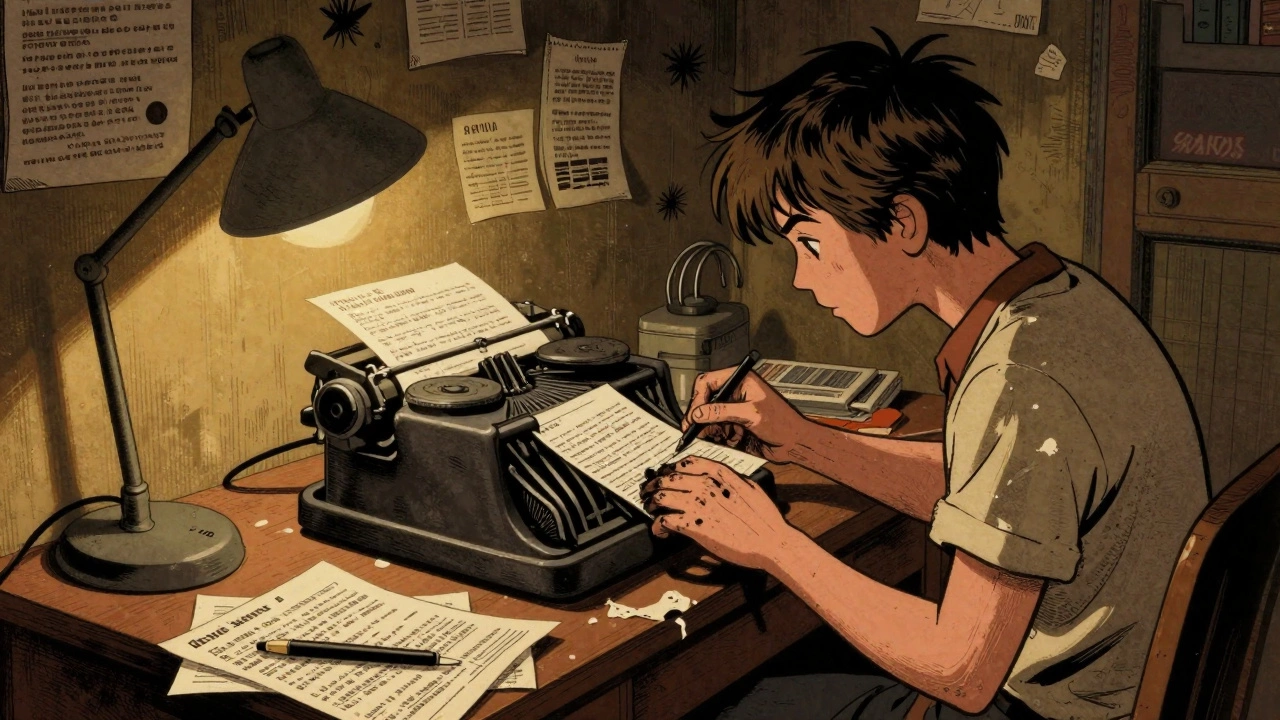

Before the internet, before MTV, and even before most major record labels cared about "heavy metal" as a distinct genre, there was the mimeograph machine. In the mid-1970s, a group of dedicated fans started cutting and pasting lyrics, trading gig flyers, and writing raw opinions on paper that smelled like ink and rebellion. These weren't glossy magazines with celebrity interviews. They were fanzines, self-published, non-professional periodicals produced by enthusiasts of a particular cultural phenomenon. And they did something remarkable: they invented the narrative of heavy metal.
When you look back at bands like Black Sabbath, Led Zeppelin, or Deep Purple, mainstream critics often dismissed them as noise or dangerous influences. But in the basement of a teenager’s bedroom in Ohio or London, these same bands were being analyzed, defended, and celebrated. The underground press didn’t just report on metal; it created the community that made metal possible.
The Birth of the DIY Music Media
To understand why 1970s metal fanzines matter, you have to understand the gap they filled. In the early 70s, mainstream music journalism was dominated by publications like Rolling Stone or NME. These outlets focused heavily on folk-rock, soul, and the softer side of psychedelia. When a band played loud, distorted guitar riffs, the critics often sneered. There was no platform for fans who loved the aggression and volume.
So, fans built their own. Using cheap duplicators like the Mimeograph or Spirituplicator, kids could print hundreds of copies for pennies each. They stapled them together by hand. They distributed them through mail-order networks, record stores, and at concerts. This wasn’t just about saving money; it was about control. For the first time, the audience decided what was important.
This DIY ethos became the backbone of the scene. If a band wanted to reach true fans, they couldn’t rely on radio play. They needed to get their gig dates into these small papers. The relationship between artist and fan became direct, unfiltered by corporate editors. This dynamic shaped how bands communicated with their audience for decades.
Key Publications That Defined the Scene
While thousands of tiny zines existed, a few stood out for their influence and longevity. These publications helped codify the language and values of the metal community.
- Metal Forces: Often cited as one of the first dedicated heavy metal magazines, launched in 1975. It provided serious coverage of bands that were ignored elsewhere, treating them as legitimate artists rather than novelty acts.
- Kerrang!: Started in 1981 but rooted in the late 70s UK fanzine culture. It began as a newsletter by Glenn Millers and quickly became the voice of British metal, bridging the gap between underground zines and professional media.
- Bullzine: A notable US-based publication that captured the American hardcore and heavy metal crossover, focusing on local scenes and touring bands.
- Savage Art: An earlier publication that leaned into the artistic and literary aspects of rock, influencing how fans thought about album art and concept albums.
These weren't just lists of tour dates. They featured handwritten letters from readers, debates about which guitar solo was best, and deep dives into album liner notes. They created a shared vocabulary. Terms like "shred," "riff," and "headbanger" gained traction in these pages before they hit the mainstream.
| Publication Type | Primary Audience | Tone & Style | Distribution Method |
|---|---|---|---|
| Mainstream Magazines (e.g., Rolling Stone) | General Music Lovers | Critical, Academic, Dismissive of Heavy Rock | Newstands, Bookstores |
| Metal Fanzines | Dedicated Fans & Musicians | Enthusiastic, Informal, Community-Focused | Mail Order, Concerts, Record Stores |
| Underground Newspapers | Counter-Culture Readers | Political, Socially Conscious | Street Distribution, Co-ops |
Shaping the Narrative: From Noise to Art
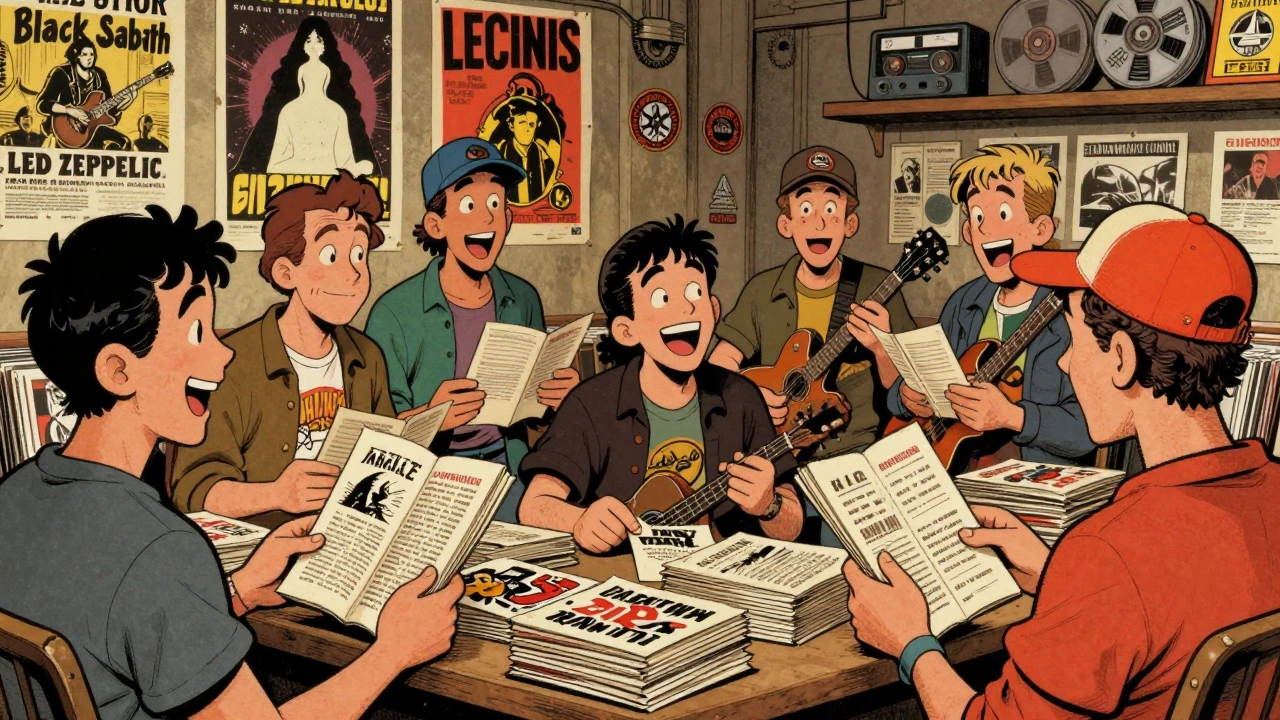
One of the most significant contributions of 1970s metal fanzines was reframing the perception of heavy music. Mainstream critics often labeled bands like Black Sabbath as evil or destructive. The fan press flipped this script. They argued that the darkness in the music was artistic expression, not moral decay.
Fan writers dissected lyrics with the same seriousness that academics applied to poetry. They highlighted the technical skill of guitarists like Ritchie Blackmore and Tony Iommi. By focusing on musicianship, they elevated the status of the guitarist in rock culture. This shift laid the groundwork for the guitar hero era of the 1980s.
Moreover, these zines fostered a sense of belonging. In an era where listening to loud music could make you an outsider in school or family settings, finding a zine that understood your passion was validating. Readers wrote letters sharing their experiences, creating a network that spanned continents. This global connection helped spread the style from Birmingham, UK, to Los Angeles, USA, and beyond.
The Economics of Passion: How Zines Survived
You might wonder how these publications stayed alive without advertising revenue. The answer is low overhead and high passion. Most zines operated on a break-even basis. The cost of printing was minimal, and distribution was free if done by hand at shows.
Some larger zines sold subscriptions, but many relied on donations or sales of related merchandise like patches or buttons. Bands often paid nothing for coverage because they valued the exposure to a targeted audience more than any ad budget could buy. This symbiotic relationship allowed both fans and artists to thrive outside the traditional industry model.
However, this model had limits. As metal grew bigger in the early 80s, professional magazines like Circus and Creem entered the market. They had better paper quality, color photos, and bigger budgets. Many fanzines struggled to compete and either folded or evolved into more professional operations. The pure DIY spirit faded as the genre commercialized.
Legacy: The Roots of Modern Music Journalism
The impact of 1970s metal fanzines extends far beyond the decade itself. They established the template for independent music journalism. Today’s blog reviews, YouTube video essays, and social media threads are direct descendants of those stapled newsletters.
The emphasis on community over commerce remains a core value in niche music scenes. Whether it’s punk, indie, or modern metal, the idea that fans should have a voice in shaping the narrative persists. The trust built between zine editors and readers created a standard for authenticity that mainstream media still struggles to match.
Furthermore, the archival value of these zines cannot be overstated. They contain firsthand accounts of gigs, interviews, and reactions that never appeared in official histories. Researchers and historians now study these documents to understand the true grassroots origins of heavy metal. Without them, we would lose the human element of the genre’s growth.
Preserving the Past: Archival Efforts
As physical copies degrade, efforts to preserve metal fanzines have increased. Universities and music libraries now collect these artifacts. Digital scanning projects aim to make rare issues accessible online. This preservation ensures that future generations can see how the scene was built from the ground up.
For current fans, understanding this history adds depth to the experience. It reminds us that every big concert today started with someone selling tickets out of a trunk. Every iconic album review once began as a handwritten letter to a friend. The energy hasn’t changed; only the medium has.
What exactly is a fanzine?
A fanzine is a self-published magazine created by fans, usually covering a specific subculture like heavy metal. They are typically low-cost, printed on basic paper, and distributed informally. Unlike professional magazines, they prioritize community voice over polished production.
Why were fanzines important for heavy metal in the 1970s?
Mainstream media often ignored or criticized heavy metal. Fanzines provided a platform for fans to celebrate the music, share information about gigs, and build a community. They helped define the genre's identity and supported bands that lacked mainstream support.
How did fans distribute these magazines?
Distribution was largely informal. Editors mailed copies to subscribers, handed them out at concerts, or left stacks in record stores. This grassroots approach kept costs low and ensured the zines reached the right audience directly.
Did fanzines help launch any famous bands?
Yes. Many bands gained initial traction through fanzine coverage. Positive reviews and gig listings in respected zines could drive attendance and record sales locally, helping bands build a reputation before signing with major labels.
Are original 1970s metal fanzines available today?
Original copies are rare and often expensive collector's items. However, many have been digitized by archives and universities. Online forums and specialized websites also host scans of historic issues for research and enjoyment.


