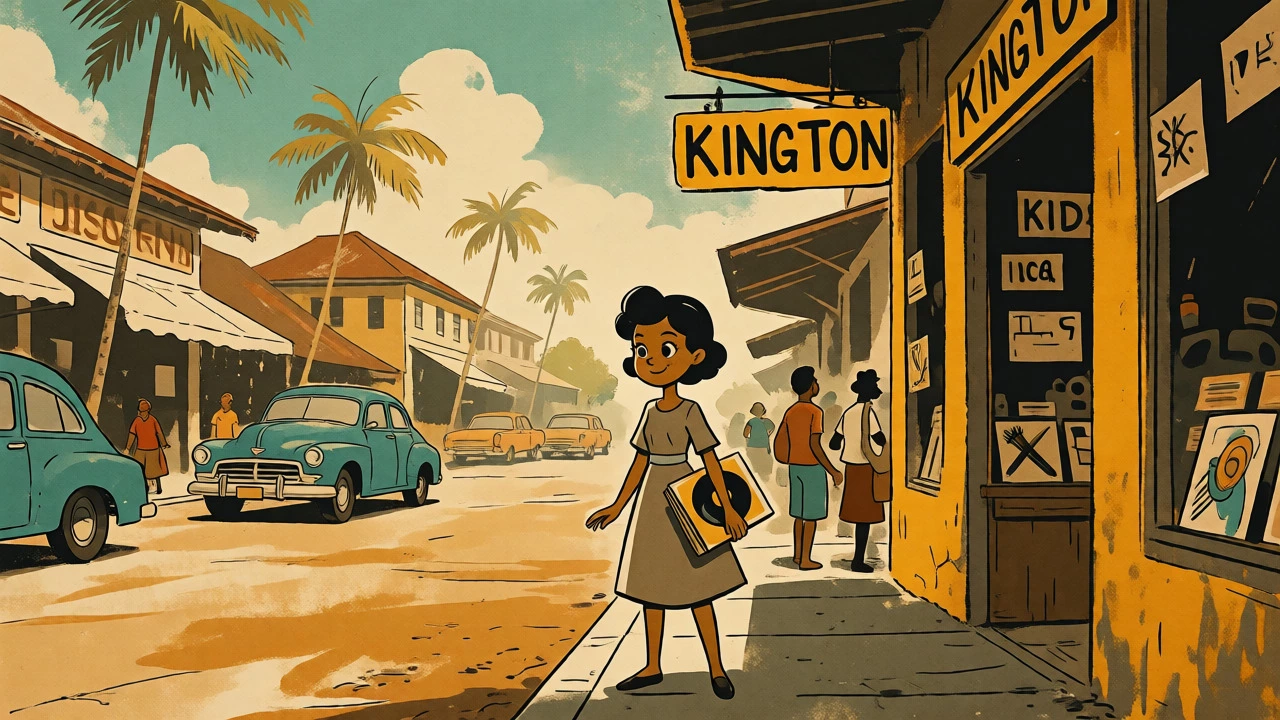

You might think women just showed up to the party in reggae and ska recently. Maybe you heard Koffee win a Grammy and assumed that was the breakthrough moment. But here is the truth: women have been building these genres from the ground up since the very beginning. They were the singers, the producers, the label owners, and the ones keeping the culture alive when men were busy taking all the credit.
| Artist/Icon | Era | Major Contribution |
|---|---|---|
| Millie Small | Ska (1960s) | First international ska hit with "My Boy Lollipop" |
| The I-Threes | Roots Reggae (1970s) | Harmony vocals for Bob Marley; solo careers |
| Sister Nancy | Dancehall (1980s) | Defined female deejay style with "Bam Bam" |
| Pauline Black | 2 Tone Ska (1980s) | Led The Selecter; bridged UK punk and ska |
| Koffee | Contemporary (2010s-2020s) | Youngest Best Reggae Album Grammy winner |
The Ska Pioneers Who Started It All
Let’s go back to Jamaica in the early 1960s. This is where ska is a genre of music that originated in Jamaica in the late 1950s and developed into the mid-1960s began. It was fast, upbeat, and heavily influenced by American R&B and jazz. While history books often list male bandleaders like Prince Buster or Coxsone Dodd, women were right there in the studio.
Take Millie Small, a Jamaican singer who became an international star with her recording of "My Boy Lollipop". In 1964, she recorded "My Boy Lollipop," which sold over seven million copies. That wasn’t just a local hit; it was the first true international ska record. Without Millie, the world might not have known what ska sounded like. She proved that a young woman from Clarendon could outperform everyone else on the charts.
But it wasn’t just about singing. Behind the scenes, figures like Sister Mary Ignatius Davies were crucial. As the director of the music program at Kingston’s Alpha Boys School, she helped train generations of musicians. Then there was Sonia Pottinger, Jamaica’s first female record producer. She didn’t just manage artists; she ran the business side of things, proving women could handle the technical and financial demands of the industry long before modern labels existed.
Reggae’s Golden Era and the Power of Harmony
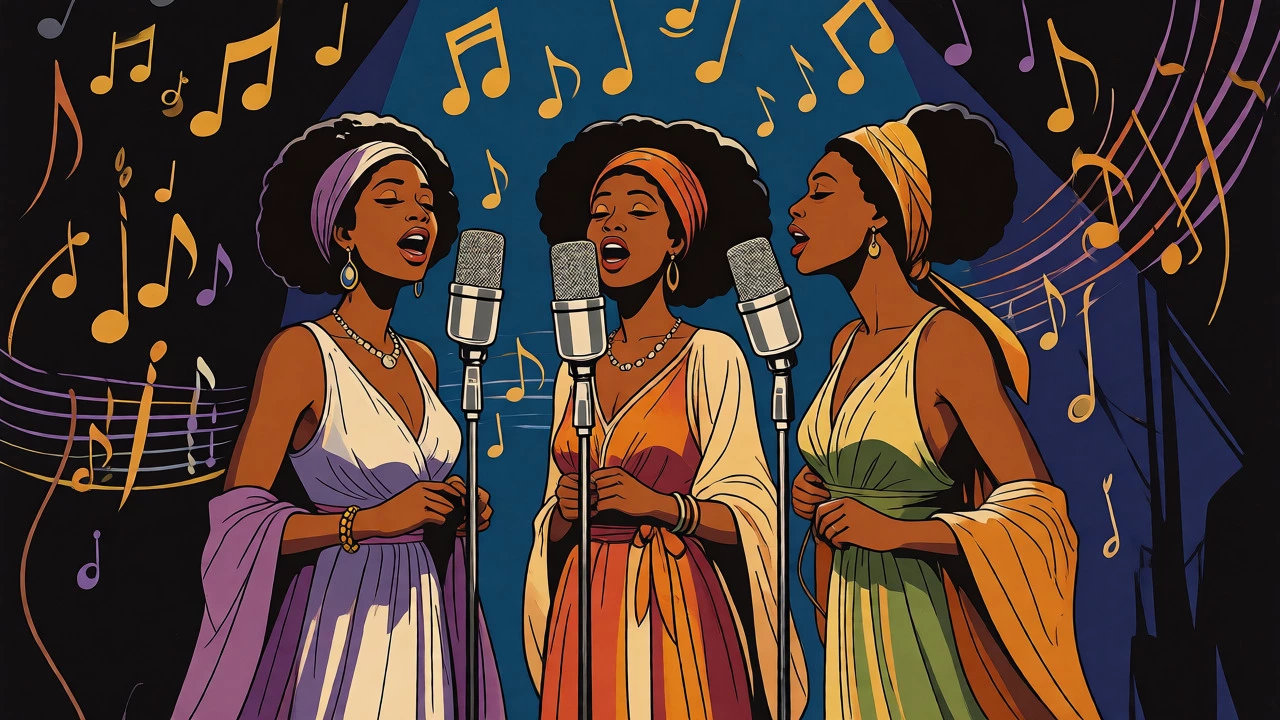
As ska slowed down into rocksteady and then evolved into reggae, a music genre that originated in Jamaica in the late 1960s, women’s roles shifted but never disappeared. You probably know the name Bob Marley. But do you know who provided the soulful harmonies that made his records iconic? It was the I-Threes: Rita Marley, Judy Mowatt, and Marcia Griffiths.
Marcia Griffiths started her career way back in 1964. By 1968, she had a number-one Jamaican single with "Feel Like Jumping." She didn’t just stand in the background; she collaborated with legends like Bob Andy and released hits that defined the sound of lovers rock. Judy Mowatt also carved out her own space, earning a Grammy nomination for her album "Working Wonders." These women weren’t just backup singers waiting for their turn. They were songwriters, performers, and cultural ambassadors who shaped the global perception of reggae.
Rita Marley deserves special mention here. Beyond her vocal work, she became the guardian of the Marley legacy. After Bob passed away, she managed the estate, ensured the music stayed relevant, and continued to perform. Her role shows how women often hold the institutional memory of these genres together, even when they aren’t the primary headline act.
Dancehall Queens Take Control
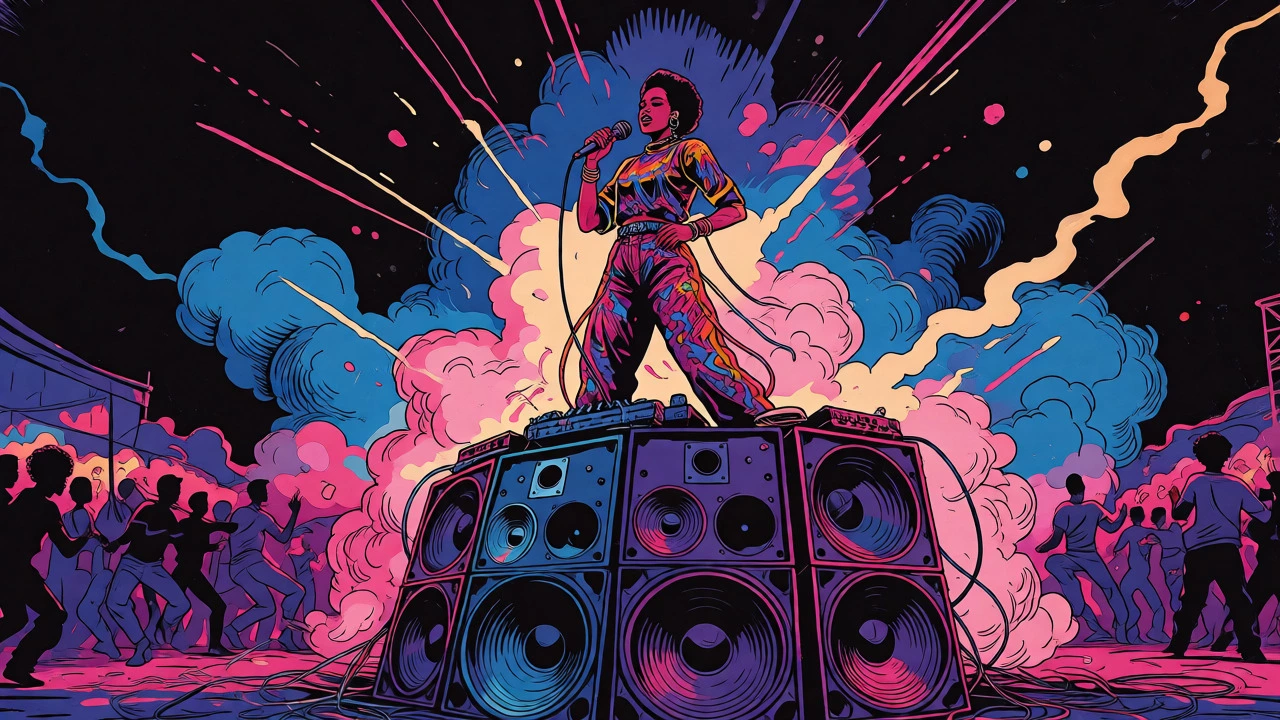
If roots reggae was about spirituality and social commentary, dancehall was about raw energy, sexuality, and street credibility. And guess who dominated this new arena? Women. In the 1980s, the sound-system culture gave rise to female deejays who commanded the microphone with authority.
Sister Nancy is a Jamaican dancehall deejay best known for her 1982 hit "Bam Bam" is a perfect example. She recorded "Bam Bam" when she was just twenty years old. It became one of the most sampled songs in hip-hop and reggae history. Sister Nancy didn’t ask for permission to be in dancehall; she took it. She mentored under her brother Brigadier Jerry but quickly established her own voice, challenging the idea that only men could rap over riddims.
Then came Lady Saw, Diana King, and Tanya Stephens. Each brought a different flavor. Lady Saw broke taboos with explicit lyrics about female desire. Diana King crossed over to pop radio with "Shy Guy." Tanya Stephens used her platform to discuss social issues affecting women in Jamaica. These artists proved that dancehall wasn’t just a boys’ club. It was a space where women could express independence, economic power, and sexual agency.
The British Connection: 2 Tone and Global Reach
While Jamaican women were reshaping dancehall, another wave was happening across the ocean in Britain. The late 1970s saw the rise of 2 Tone ska, a movement that mixed Jamaican rhythms with British punk energy. This era created massive platforms for women like Pauline Black of The Selecter.
Pauline Black wasn’t just a singer; she was a leader. The Selecter became one of the biggest bands of the era, blending black and white members in a time of racial tension in the UK. Other groups like The Bodysnatchers featured Rhoda Dakar, while Sarah Brown worked with The Specials. Heather Augustyn’s book, *Rude Girls*, documents more than fifty interviews with these women, showing that their contributions went far beyond just holding a microphone. They composed, managed bands, and led movements.
This transatlantic exchange mattered because it validated women’s roles in ska globally. When British audiences embraced female-led ska bands, it put pressure on the Jamaican industry to recognize its own female talent. It also created a network of fans and musicians who kept the spirit of ska alive during periods when it dipped in popularity in Jamaica.
Modern Voices and Institutional Recognition
Fast forward to today. The landscape has changed, but the struggle for equal recognition continues. Koffee won the Grammy Award for Best Reggae Album in 2020, becoming the youngest winner and the first female solo artist to do so. This was a huge milestone. For decades, women had been nominated but rarely won top awards. Koffee’s win signaled a shift in how the industry views female artistry.
But don’t mistake visibility for equality. Recent data suggests that women still face significant hurdles. A 2025 report noted that women represented only 15.3% of distributions paid through certain collecting societies. Another study found that the share of credited female producers dropped from 5.9% in 2024 to 4.4% in 2025. These numbers are stark reminders that while we hear more women, they still control less of the money and production credits.
Artists like Jah9, Kelissa, and Lila Iké are pushing boundaries further. They blend traditional roots reggae with contemporary themes, addressing feminism, race, and class. Their music isn’t just entertainment; it’s a form of resistance. Academic research now centers on these voices, arguing that higher vocal registers and women’s lyrical perspectives offer a necessary counter-narrative to the male-dominated history of the genre.
Why This History Matters Now
So why should you care about the history of women in reggae and ska? Because it changes how you listen to the music. When you hear a classic reggae track, you’re hearing the harmony of the I-Threes as much as the lead vocal of Bob Marley. When you hear a modern dancehall beat, you’re hearing the foundation laid by Sister Nancy and Lady Saw.
Understanding this history helps us spot the gaps in our current knowledge. We know who the famous men are. Do we know the names of the female producers who shaped those sounds? Do we know the lyricists behind some of the biggest hits? Probably not. That’s because archival records have historically favored male narratives. But things are changing. New documentaries, books, and university dissertations are uncovering these stories.
The takeaway is simple: women didn’t join reggae and ska later. They were always part of it. Their voices rose not because they suddenly appeared, but because we finally started listening. As we move forward, supporting female artists means more than just streaming their songs. It means advocating for fair pay, better royalties, and proper credit for their creative work.
Who was the first female international ska star?
Millie Small is widely considered the first female international ska star. Her 1964 recording of "My Boy Lollipop" reached No. 2 on the Billboard Hot 100 and sold over seven million copies, introducing ska to a global audience.
What was the I-Threes?
The I-Threes were a female backing vocal group consisting of Rita Marley, Judy Mowatt, and Marcia Griffiths. They provided harmony vocals for Bob Marley and the Wailers and each pursued successful solo careers, significantly influencing the sound of roots reggae.
Did Koffee win a Grammy for reggae?
Yes, Koffee won the Grammy Award for Best Reggae Album in 2020 for her EP "Rapture." She was the youngest winner of the award and the first female solo artist to win in that category.
Who is Sister Nancy?
Sister Nancy is a pioneering Jamaican dancehall deejay. Her 1982 hit "Bam Bam" is one of the most sampled reggae songs ever. She helped establish the role of women in dancehall music during a time when it was predominantly male-dominated.
Are women still underrepresented in reggae production?
Yes, despite increased visibility, women remain underrepresented in production roles. Recent industry reports indicate that the percentage of credited female producers has declined slightly in recent years, highlighting ongoing structural inequalities in the music business.