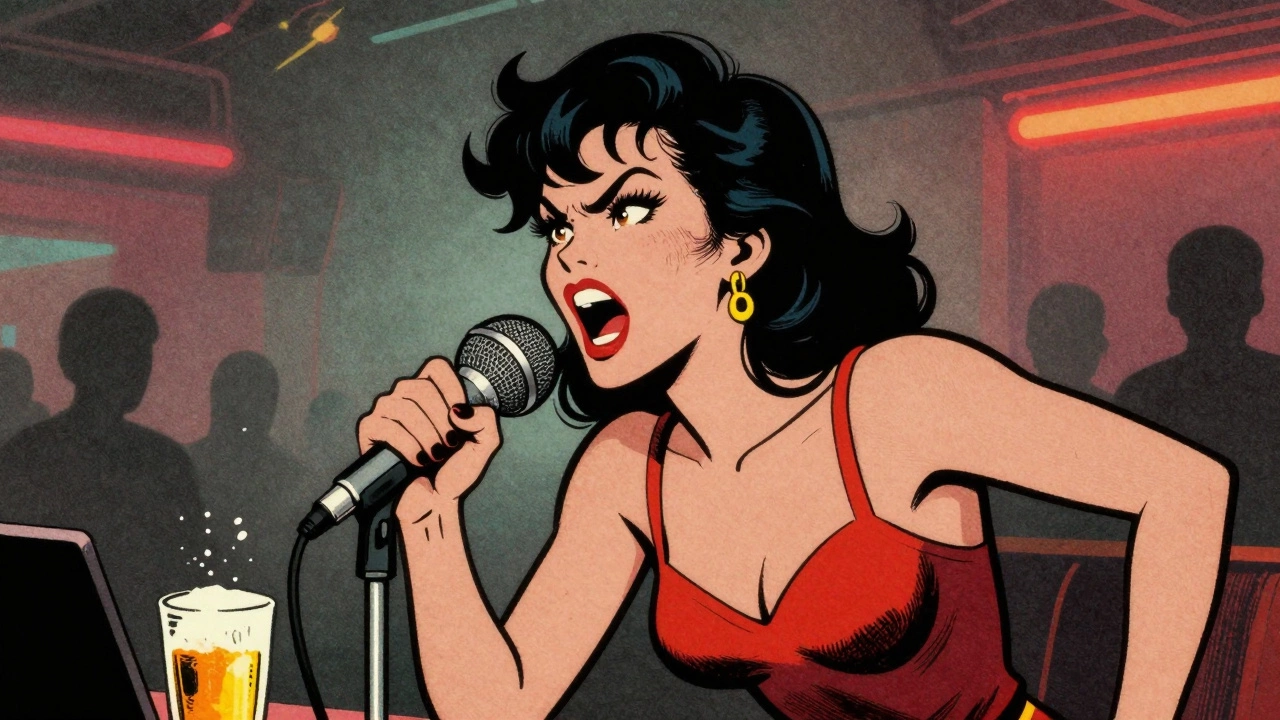

Imagine walking into a crowded, sweat-soaked basement club in 1982. The air is thick with the smell of stale beer and leather. Suddenly, a woman steps up to the mic, not to sing a pretty ballad, but to scream against the status quo. For many, this was a shock; for others, it was the first time they felt seen. Women in 1980s Punk weren't just backup singers or accessory girlfriends; they were the architects of a sonic revolution that tore down the walls of the male-dominated rock world. They took the anarchic energy of the 70s and turned it into a weapon for survival and identity.
The Blueprint for Rebellion
To understand the 80s, you have to look at the chaos that came right before. In the late 70s, the first wave of punk broke the rules of who was "allowed" to be on stage. Unlike the polished, stadium-filling rock acts of the time, punk didn't care if you could play a perfect chord. It cared if you had something to say. This open-door policy gave women a Rare chance to lead. Patti Smith is a foundational poet and musician whose fusion of rock and spoken word set the stage for the female punk archetype . She proved that a woman could be the intellectual and emotional center of a band without conforming to the "pop princess" image.
By the time the 1980s rolled around, this spirit of defiance had matured. Women weren't just participating; they were defining the sound. Think about Siouxsie Sioux, the frontwoman of Siouxsie and the Banshees. She didn't just sing; she commanded the stage with a haunting presence and an aesthetic that blended gothic art with raw aggression. Then you had Poly Styrene of X-Ray Spex, whose piercing vocals and critiques of consumerism showed that punk could be both musically jarring and intellectually sharp.
From High Fashion to Hardcore Grit
If you look at photos from the 70s, you see the "fashion" side of punk: safety pins, ripped fishnets, and towering mohawks. It was a visual scream. But as the 80s progressed and the scene shifted toward Hardcore Punk, which is a faster, heavier, and more aggressive evolution of punk rock that prioritized energy and raw power over melody , the clothes changed. The flashy costumes were swapped for utility. Women started wearing army pants, oversized band T-shirts, and hooded sweatshirts.
This wasn't just a change in trend; it was a statement. By adopting a more utilitarian, almost masculine style, women in the hardcore scene were rejecting the male gaze. They weren't dressing to be attractive or provocative; they were dressing for the mosh pit. This shift allowed them to move through the scene as peers rather than objects, focusing the attention on their music and their message rather than their appearance.
| Feature | Late 1970s Punk | 1980s Hardcore Punk |
|---|---|---|
| Primary Clothing | Ripped clothes, leather, fishnets | Army pants, band tees, hoodies |
| Accessories | Safety pins, studs, spikes | Practical footwear, minimal jewelry |
| Hair Styles | Elaborate mohawks, dyed spikes | More natural or simple cuts |
| Visual Intent | Shock and theatricality | Utility and scene integration |
The West Coast Frontlines
Southern California became a massive hub for this energy. In Los Angeles, the scene was a pressure cooker of creativity and aggression. Exene Cervenka was a pivotal figure here. Her raw, unpolished performance style and refusal to adhere to traditional beauty standards acted as a beacon for other young women. When a girl saw Exene on stage, she realized she didn't have to be a "singer" in the traditional sense-she could be a force of nature.
Alongside her, Joan Jett carved out a space that bridged the gap between underground punk and mainstream rock. Jett’s grit and insistence on producing her own music challenged the industry's tendency to keep women in the background. These women weren't just playing shows; they were creating a community. In the book "We Were Going to Change the World," author Stacy Russo documents how many of these women felt that the punk scene literally saved their lives, providing a sanctuary from a society that demanded they be quiet and compliant.
The Feminist Fire and the Riot Grrrl Seed
Punk has always claimed to be about freedom, but for women, that freedom often came with a side of sexism. Even in the "inclusive" punk scenes, women still had to fight for their turn on the mic and deal with harassment in the pits. This contradiction sparked a specific kind of feminist ideology within the music. Performers began using their lyrics to tackle sexual harassment and body image, turning the stage into a platform for political activism.
This seeds-sowing in the 80s led directly to the Riot Grrrl movement, which is an underground feminist punk movement that started in the early 1990s in Olympia, Washington, focusing on female empowerment and social activism . While 80s punk women were breaking the doors down, the Riot Grrrls of the 90s walked through them and started their own houses. They expanded the conversation to include systematic sexism, sexual assault, and the cultural taboos surrounding female sexuality, taking the raw energy of the 80s and giving it a structured, political voice.
Legacy of the Noise
What happens when the distortion fades? The impact of these women remains in every female-led alternative band today. They proved that aggression is not a gendered trait and that a woman's voice is just as effective when it's screaming as when it's singing. By challenging the definition of femininity, they didn't just change music; they changed how women were allowed to exist in public spaces.
From the raw power of Wendy O. Williams to the experimentalism of Ari Up and The Slits, these artists showed that the most radical thing a woman could do was be herself, loudly and without apology. They turned the "outsider" status into a badge of honor, ensuring that any girl with a guitar and a grievance would always have a place in the frontlines of the underground.
Who were the most influential women in 1980s punk?
Some of the most defining figures include Siouxsie Sioux (Siouxsie and the Banshees), Poly Styrene (X-Ray Spex), Ari Up (The Slits), Joan Jett, and Exene Cervenka. Each brought a different flavor of rebellion, from the gothic art-punk of Siouxsie to the aggressive, raw energy of Cervenka in the LA scene.
How did the fashion change from 70s punk to 80s hardcore?
The late 70s were characterized by theatrical, provocative styles like safety pins, ripped fishnets, and elaborate hair. In contrast, 1980s hardcore punk adopted a more utilitarian "anti-fashion" look, featuring army pants, band t-shirts, and hoodies, reflecting a shift toward practicality and a rejection of the male gaze.
What is the connection between 80s punk and the Riot Grrrl movement?
The feminist ideologies and the fight against sexism within the 80s punk scene laid the groundwork for Riot Grrrl. While 80s women fought for space in male-dominated scenes, Riot Grrrl (emerging in the 90s in Olympia, WA) created its own autonomous spaces to tackle broader issues like sexual assault and systematic sexism.
Where can I find first-hand accounts of women in the 80s punk scene?
Stacy Russo's book, "We Were Going to Change the World," is a primary resource. It features extensive interviews with women from the Southern California punk rock scene, capturing their personal experiences and the transformative power of the music.
Did women face sexism within the punk movement?
Yes. Despite punk's anti-establishment and inclusive ethos, many women reported ongoing challenges and contradictions. They often had to fight harder for visibility and faced harassment, which is precisely what fueled the feminist activism and subsequent movements like Riot Grrrl.


