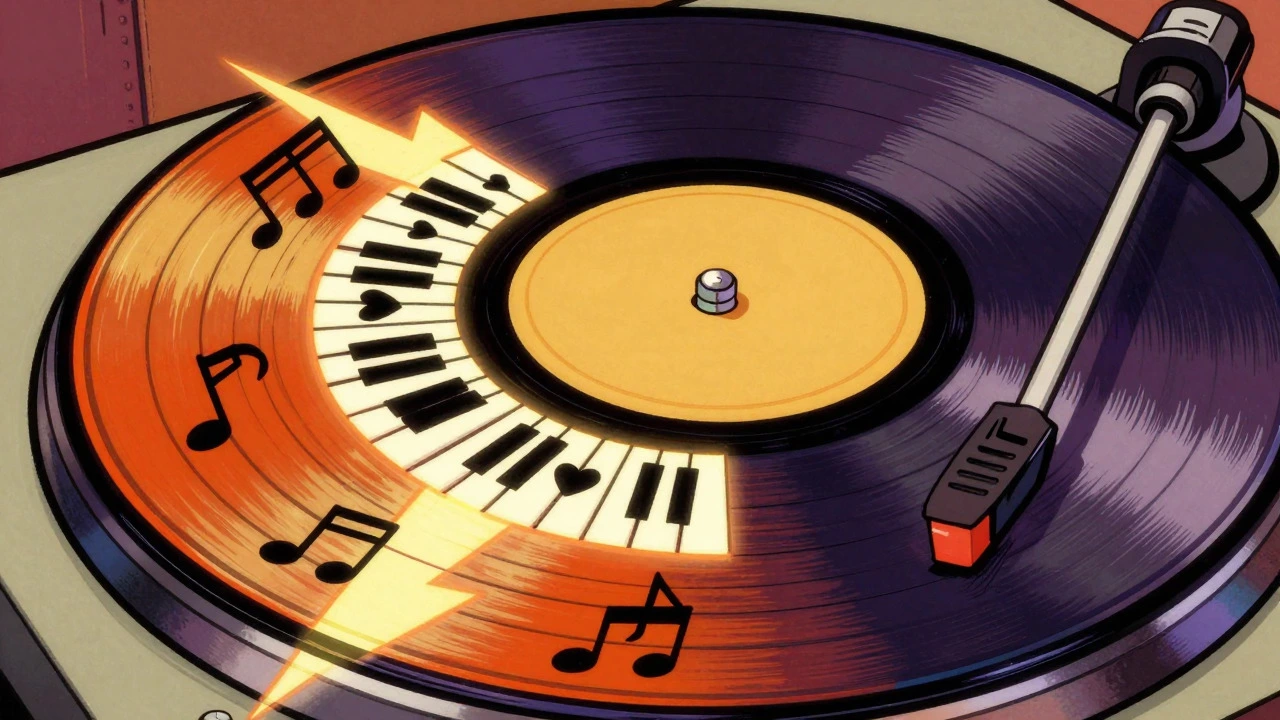

Think about the last time you played a classic hard rock or heavy metal record from the 1980s. You know the drill: Side A kicks off with high-energy riffs and fast drums to grab your attention immediately. Then, right when you’re ready to flip the record, the needle drops on Side B, and suddenly the lights dim. A piano starts playing. The singer belts out a heart-wrenching melody about love lost or found. That isn’t an accident. It is engineering.
The power ballad is a slow-to-mid-tempo rock song characterized by emotional intensity, gradual dynamic escalation, and sentimental themes like love or loss, often serving as the emotional anchor of an album. On 1980s vinyl records, these songs were rarely random filler tracks. They were strategically placed to solve technical problems with the physical medium while maximizing commercial reach and emotional impact. Understanding why they ended up where they did reveals a lot about how music was made, sold, and consumed during that era.
The Technical Reality of Vinyl Grooves
To understand track placement, you first have to look at the physics of a vinyl record. An LP is not just a flat disc; it is a spiral groove that starts wide at the outer edge and winds tightly toward the center label. This geometry creates a major problem for sound quality.
As the stylus moves inward, the linear velocity of the groove decreases. In simple terms, there is less room for audio information near the center of the record. High-frequency sounds (like cymbals and crisp guitar tones) and loud, bass-heavy passages suffer significantly in these inner grooves. They can sound muddy, distorted, or even cause the needle to skip if the tracking force isn't perfect.
Mastering engineers in the 1980s had a strict rule: put the loudest, most complex, and highest-energy tracks at the beginning of each side (the outer grooves). Save the quieter, simpler, and more mid-range focused songs for the end (the inner grooves). Power ballads fit this second category perfectly. Their arrangements often start sparse-just a piano or acoustic guitar-and build slowly. They lack the aggressive high-end transients of a fast punk or thrash track. Placing them at the end of Side B minimized distortion risks and preserved their sonic clarity.
| Groove Position | Velocity & Space | Best For | Typical 80s Track Type |
|---|---|---|---|
| Outer Edge (Start of Side) | High velocity, wide spacing | Loud, high-frequency, complex mixes | Up-tempo rockers, singles, openers |
| Inner Groove (End of Side) | Low velocity, tight spacing | Quiet, mid-range, simple dynamics | Power ballads, acoustic closers |
Narrative Arcs and Emotional Pacing
While physics dictated *where* the ballad could go without sounding bad, psychology dictated *why* it went there. Album sequencing in the 1980s followed a deliberate narrative arc, much like a movie or a DJ set. Researchers analyzing tens of thousands of albums have found that listeners expect a specific energy curve: high arousal at the start, a peak early on, a dip in the middle, and a resolution at the end.
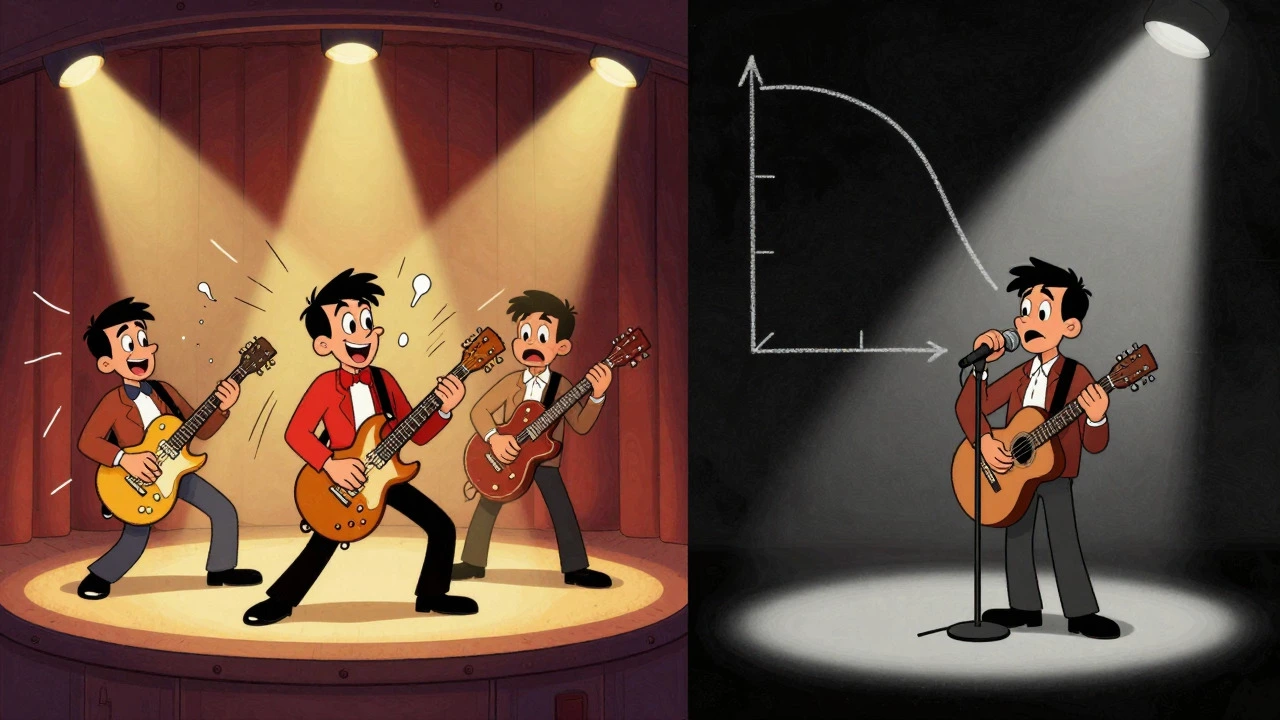
Side A was designed to establish identity. Bands wanted to prove they were heavy, skilled, and energetic. Tracks 1 and 2 were usually the "statement pieces"-fast, loud, and catchy. If you opened with a sad ballad, you risked boring the core rock audience before they heard the riffs they paid for.
Side B served a different purpose. By the time listeners flipped the record, they were already invested. The band had earned its credibility. Now, the album could explore vulnerability. The power ballad acted as the emotional climax or the reflective cooldown. It provided contrast. After ten minutes of headbanging, a slow, soaring vocal performance created a sense of release. This "valley" in the energy curve prevented listener fatigue and made the overall experience feel complete rather than exhausting.
Commercial Strategy and Audience Expansion
Beyond art and physics, there was money on the table. Power ballads were commercial gold mines in the 1980s. Songs like Poison’s Every Rose Has Its Thorn, Foreigner’s I Want to Know What Love Is, and Heart’s Alone didn’t just top rock charts; they dominated the Billboard Hot 100 and Adult Contemporary rotations.
Labels knew that placing a strong ballad prominently on an LP helped sell records to people who didn’t normally listen to hard rock. Women, older listeners, and casual fans were more likely to connect with a melodic, lyrical song about heartbreak than a 20-minute guitar shred. By positioning the ballad as a centerpiece-often as the final track on Side B-producers ensured it was the last thing stuck in the listener's head. This increased the likelihood of radio play and single sales.
This strategy turned niche rock bands into mainstream superstars. The ballad wasn't just a softer moment; it was a bridge to a broader demographic. It allowed bands to maintain their "hard" image on Side A while accessing the massive pop market on Side B.
Live Performance and Cultural Rituals
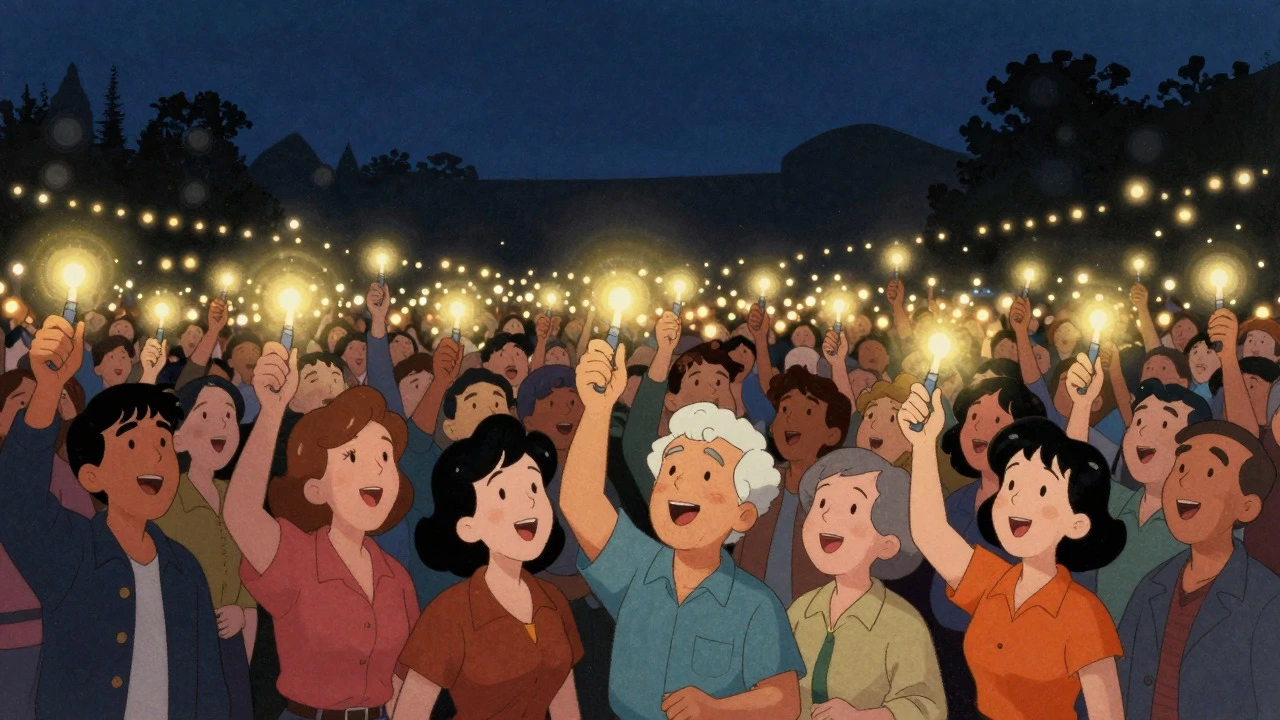
The placement of power ballads on LPs also mirrored their role in live concerts. In the 1980s arena circuit, the power ballad was often the encore or the pre-encore highlight. It was the moment the crowd unified. You’ve seen the footage: thousands of lighters (and later, cell phone flashlights) raised in the dark. This visual ritual emphasized communal emotion.
By ending the album with this type of song, the LP mimicked the concert experience. It gave the listener a chance to sit back, reflect, and feel part of something larger. The slow tempo and soaring vocals invited sing-alongs, making the home listening experience feel interactive and intimate, despite being solitary. This cultural weight meant the ballad couldn't be buried in the middle of a side; it needed a position of honor, typically the closer.
Legacy and Modern Sequencing
Even though we no longer buy vinyl, the principles established in the 1980s still influence how we consume music today. Streaming playlists often follow similar energy curves, starting upbeat and winding down. Independent artists releasing new albums still use the "outer groove" logic metaphorically: put your best hook first, save your most vulnerable moment for the end.
The power ballad itself has evolved, but its function remains the same. It provides emotional depth, expands audience reach, and offers a satisfying conclusion to a musical journey. When you hear a modern rock or pop album end with a stripped-back, emotional track, remember: you’re hearing the ghost of Side B, perfected by decades of trial, error, and vinyl constraints.
Why were power ballads usually placed on Side B of 1980s albums?
Power ballads were placed on Side B primarily due to two factors: technical limitations of vinyl and narrative pacing. Technically, the inner grooves of a record (found at the end of sides) have lower linear velocity, which causes distortion for loud, high-frequency tracks. Quiet, mid-range ballads sounded better here. Narratively, Side B was used for emotional reflection after the high-energy introduction of Side A, providing a satisfying conclusion to the album experience.
Did power ballads help rock bands sell more records?
Yes, significantly. Power ballads often topped the Billboard Hot 100 and crossed over to Adult Contemporary radio, reaching audiences who might not typically listen to hard rock or heavy metal. This broadened the fanbase and drove higher album sales, as listeners bought the full LP to hear the hit single alongside the heavier tracks.
What makes a song a "power ballad" musically?
A power ballad typically features a slow to moderate tempo (50-80 BPM), a verse-chorus structure that gradually builds in intensity, and sentimental lyrics about love or loss. Musically, it often starts with sparse instrumentation like piano or acoustic guitar and escalates to include drums, electric guitars, and powerful vocals, culminating in a euphoric, loud finale.
How did vinyl mastering affect song order?
Vinyl mastering required engineers to place louder, more complex songs at the outer edge of the record where groove velocity is highest, ensuring better sound quality. Quieter, simpler songs like ballads were placed toward the center (inner grooves) where they were less prone to distortion. This technical constraint heavily influenced the standard tracklist format of opening with hits and closing with ballads.
Are power ballads still relevant in modern music?
Yes, though the term is used less frequently. The structural role of the "slow, vulnerable" track remains a staple in album sequencing across rock, pop, and hip-hop. These songs serve the same functions as 80s power ballads: providing emotional contrast, expanding audience appeal, and offering a cathartic conclusion to the album's narrative arc.