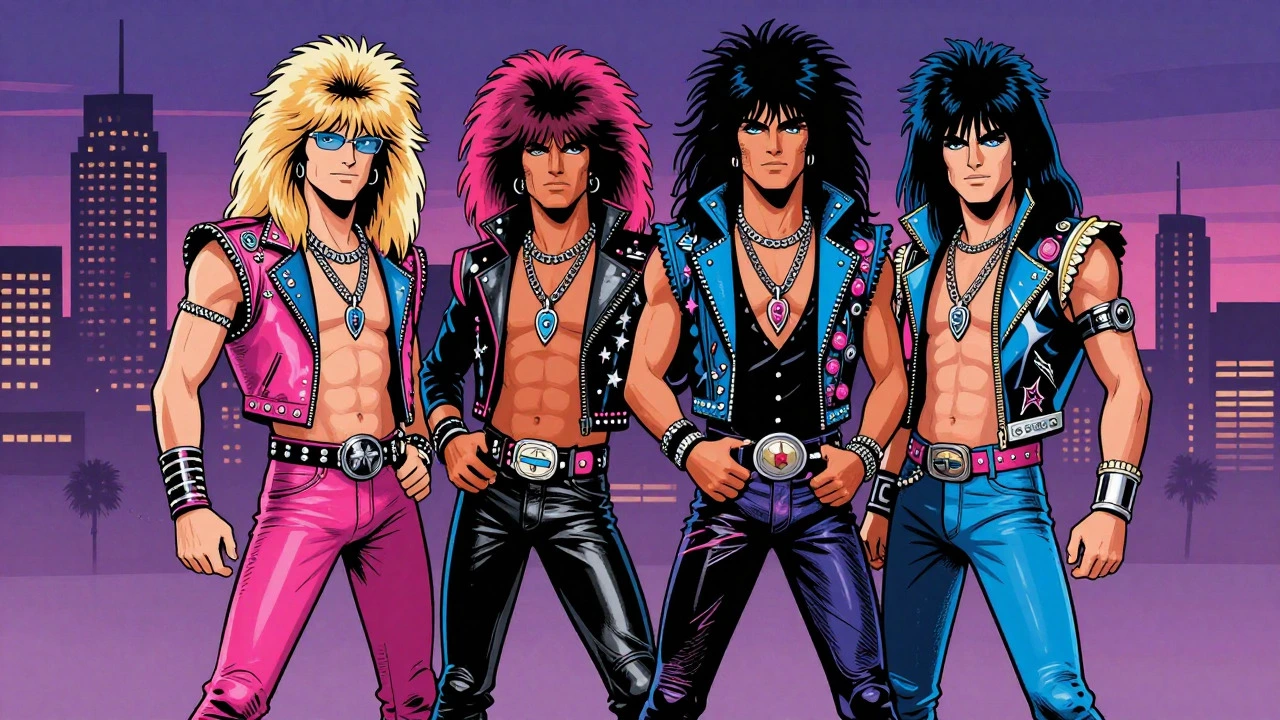

You know the drill. When people talk about the giants of 1980s hair metal, names like Mötley Crüe, Def Leppard, and Bon Jovi usually dominate the conversation. But if you dig a little deeper into the West Coast scene of the late eighties, there is a record that sits right at the top of the pile, yet somehow never gets the same mainstream reverence it deserves. I am talking about Back for the Attack, the fourth studio album by American heavy metal band Dokken. Released in late 1987, this album is not just a collection of songs; it is a time capsule of ambition, technical prowess, and the chaotic energy that defined the era.
The High-Stakes Production Behind the Sound
To understand why this album hits so hard, you have to look at how it was made. This wasn't a weekend project. The recording sessions stretched from December 1986 all the way through August 1987. That is an eight-month marathon during a period when the band was constantly on the road. Because of their heavy touring schedule, they couldn't just lock themselves in one room. Instead, they bounced between multiple studios across Los Angeles, including One on One in North Hollywood, Music Grinder in Hollywood, and Total Access in Redondo Beach.
This fragmented approach created a unique sonic landscape but also sowed the seeds of internal tension. Members often tracked their parts separately rather than playing together live in the studio. While producers Neil Kernon and Michael Wagener managed to glue it all together with a polished, aggressive sheen, the process was grueling. Mixing took place at Bearsville Studios in New York, and mastering was handled by Bob Ludwig at Masterdisk. The result? A sound that was bigger, louder, and more intricate than anything Dokken had done before. It was designed to compete with the biggest arena acts of the time, and sonically, it succeeded brilliantly.
A Tracklist Built for Guitar Heroes
If you are looking for short, pop-friendly radio edits, this might not be your first stop. Back for the Attack runs for over 63 minutes, packed with 13 tracks that demand your attention. The opening track, "Kiss of Death," sets the tone immediately. At nearly six minutes long, it blends heavy riffs with melodic hooks, showcasing the songwriting chemistry between vocalist Don Dokken, guitarist George Lynch, and bassist Jeff Pilson.
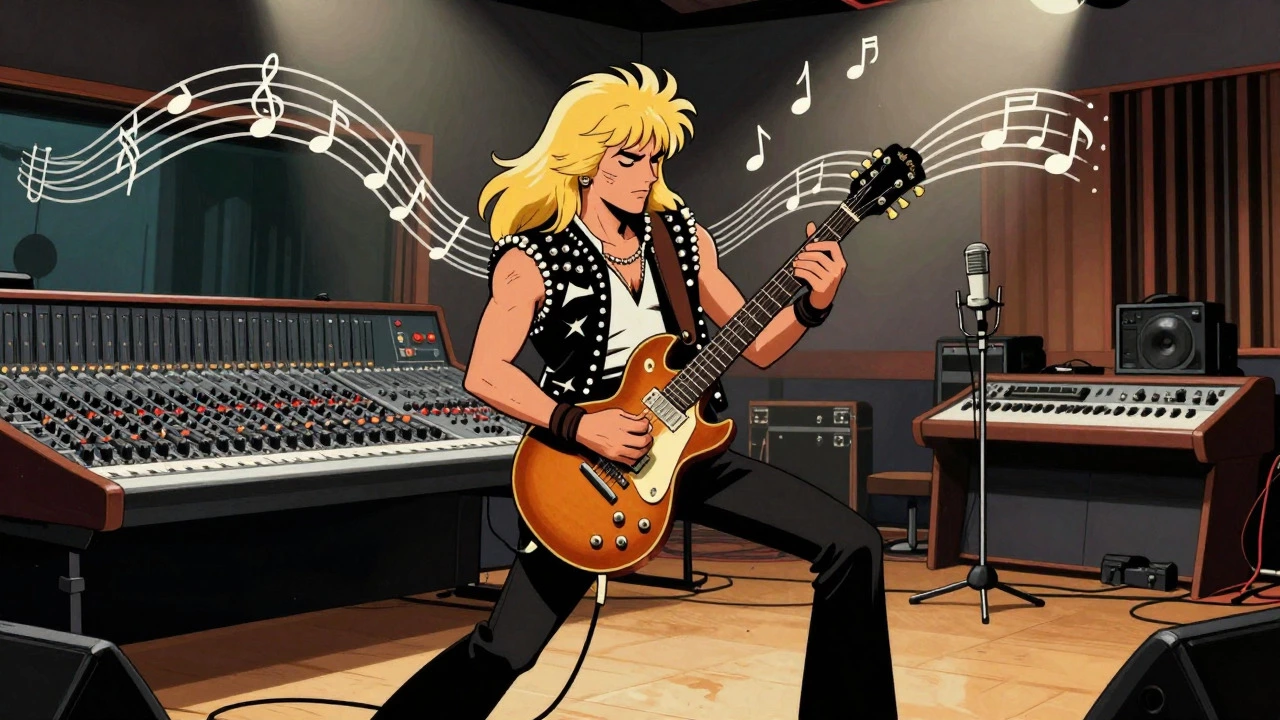
But let's be honest: if you are here for the guitar work, you need to pay attention to "Mr. Scary." This instrumental showcase is arguably one of the most impressive performances on any hair metal record. Written by Lynch and Pilson, it allows Lynch to display his virtuosic skills without the safety net of vocals. It is complex, fast, and emotionally charged. Tracks like "Prisoner" and "Burning Like a Flame" balance this technicality with catchy choruses that still get played on classic rock radio today. The album does not shy away from complexity, featuring extended solos and dynamic shifts that reward repeated listening.
| Track Name | Duration | Key Characteristics |
|---|---|---|
| Kiss of Death | 5:51 | Heavy opener, aggressive riffs, melodic chorus |
| Mr. Scary | 4:31 | Instrumental showcase, virtuoso guitar work |
| Burning Like a Flame | 4:46 | Radio hit, strong hook, high-energy performance |
| Dream Warriors | 4:41 | Film tie-in single, remixed version included |
Commercial Success Meets Critical Reevaluation
Despite its current status as an "underrated" classic, Back for the Attack was a massive commercial success upon release. It peaked at No. 13 on the Billboard 200, making it Dokken's highest-charting album ever. More impressively, it went Platinum-shipping over one million units in the United States-in just ten weeks. That is speed. The singles performed well too, with "Burning Like a Flame" hitting No. 20 on the Mainstream Rock charts and "Dream Warriors" reaching No. 22 after being featured in the horror film A Nightmare on Elm Street 3: Dream Warriors.
So why is it considered underrated now? Part of it comes down to timing and narrative. The album was released right before the band imploded due to interpersonal conflicts that had been building during those stressful recording sessions. Dokken broke up in 1989, meaning this peak moment was never followed up with another album from the classic lineup. In the world of rock history, albums that launch a decade-long reign of dominance tend to get more love than those that serve as a brilliant, final statement. However, recent years have seen a resurgence in appreciation. Fan polls on platforms like Reddit often rank it above other contemporaneous releases, and reissues by labels like Rock Candy Records keep it in circulation for new generations of listeners.
The Legacy of a Lost Classic
Listening to Back for the Attack today feels different than hearing it in 1987. Back then, it was just another entry in the crowded glam metal market. Now, it stands out as a meticulously crafted piece of artistry. The production quality holds up remarkably well, thanks to the expertise of engineers like Steve Thompson and Bob Ludwig. The songwriting balances heaviness with melody in a way that many of its peers struggled to achieve consistently.
For collectors, the album is available in various formats, from original vinyl pressings to modern colored vinyl 2LP editions and digital streaming services. Each format offers a slightly different experience, but the core content remains powerful. Whether you are a longtime fan or someone discovering 80s metal for the first time, this album offers a complete journey. It starts with aggression, moves through technical brilliance, and ends with atmospheric depth. It is a testament to what the genre could achieve when talent, ambition, and budget aligned-even if only for a brief moment.
Why You Should Listen Today
In an era where music consumption is often fragmented, taking the time to listen to an hour-plus album from start to finish is a rare treat. Back for the Attack rewards that commitment. It is not background noise; it demands engagement. The interplay between Don Dokken's soaring vocals and George Lynch's intricate guitar lines creates a dynamic tension that keeps you hooked. Tracks like "Heaven Sent" and "Sleepless Night" provide necessary breathing room amidst the heavier cuts, showing a maturity in sequencing that is often overlooked.
If you enjoy the technical side of rock music, this album is essential. If you miss the grandeur of stadium-sized anthems, this is your fix. And if you appreciate stories of bands pushing themselves to the brink to create something great, the history behind these recordings adds another layer of intrigue. It is more than just a hair metal album; it is a snapshot of a specific time, place, and group of musicians who gave everything they had. That kind of passion rarely goes unnoticed forever, and Back for the Attack is finally getting the recognition it has always deserved.
When was Back for the Attack released?
The album was released in late 1987, with sources citing dates ranging from October 27 to November 27, 1987. The exact date varies depending on the region and distributor records.
Who produced Back for the Attack?
Neil Kernon served as the primary producer and engineer, with additional production contributions from Michael Wagener on some tracks.
Is Back for the Attack Dokken's best-selling album?
Yes, it is their highest-charting album, peaking at No. 13 on the Billboard 200, and it went Platinum within ten weeks of its release.
What is the significance of the track "Mr. Scary"?
"Mr. Scary" is an instrumental track that showcases guitarist George Lynch's technical skill. It is widely regarded as one of his signature performances and a highlight of the album.
Did the band break up after this album?
Yes, tensions during the recording process contributed to the band's breakup in 1989, making this the last studio album by the classic lineup until later reunions.
Where can I listen to Back for the Attack?
The album is available on major streaming platforms like Apple Music and Spotify, as well as physical formats including CD, vinyl, and cassette reissues.