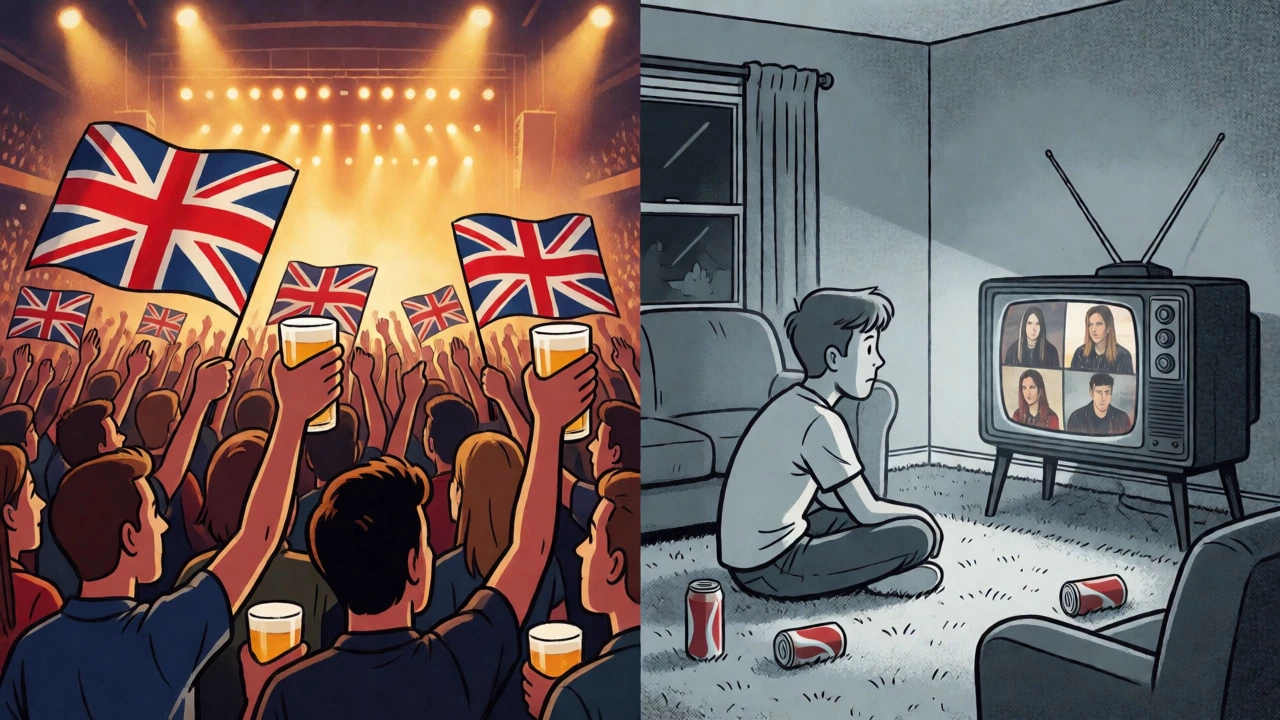

Imagine standing in a packed arena in Manchester or London in 1995. The air is thick with the smell of lager and sweat, thousands of people screaming along to every word of Oasis. It feels like history is being made, a new British Invasion that will sweep across the Atlantic just like The Beatles did thirty years prior. But cross the ocean to Portland, New York, or Los Angeles, and the vibe shifts dramatically. While UK charts were dominated by guitar anthems about council estates and football matches, American radio stations were blasting Nirvana, Pearl Jam, and hip-hop. This disconnect wasn't just a rumor; it was a hard commercial reality. Despite massive hype in the UK press, the so-called "Third British Invasion" largely fizzled out on American shores, leaving only a few bright spots like Blur's "Song 2" and Oasis's "Wonderwall" as lasting memories for US audiences.
The Cool Britannia Bubble vs. American Reality
To understand why Britpop struggled in the States, you have to look at what it actually was. Britpop wasn't just a genre; it was a cultural reaction. In the early 1990s, American grunge had taken over global rock, characterized by angst, distortion, and apathy. British bands like Suede, Pulp, and Elastica pushed back with swagger, melody, and overt references to British life. The music press in the UK, particularly magazines like NME and Select, fueled this fire. A famous 1993 cover of Select magazine even declared "Yanks Go Home," positioning Britpop as a patriotic counter-movement to American dominance.
This intense focus on local identity became a barrier in the US. American listeners didn't necessarily care about the nuances of English class systems or specific London neighborhoods mentioned in lyrics. As Andrew Beaujon, then co-editor at Spin magazine, noted in 1997, bands like Pulp and Blur might be "too British" for the average American consumer. The cultural context required to fully appreciate the irony and humor in Blur's lyrics simply wasn't there for most US radio listeners, who preferred the raw emotional accessibility of grunge or the rhythmic complexity of emerging alternative rock.
Oasis: The One-Man Band Invasion
If Britpop had a single ambassador in America, it was Oasis. Their album (What’s the Story) Morning Glory? sold over 5.5 million copies in the US, achieving five-times platinum status. The song "Wonderwall" became a ubiquitous presence, topping Billboard’s Modern Rock Tracks chart for ten consecutive weeks in late 1995 and reaching number 8 on the Hot 100. It’s one of those rare songs that transcended its origin to become a staple of American pop culture, heard everywhere from coffee shops to World Cup fan zones decades later.
However, Oasis was an exception, not the rule. They managed to crack the code by offering big, anthemic choruses that worked without needing deep lyrical translation. Yet, even their success was narrow. While they filled stadiums in Europe, their US touring efforts were often sporadic and marred by internal conflicts. Industry analysts point out that the sheer size of the US market requires relentless touring and promotional engagement-something many British bands found exhausting or unnecessary if they were already huge at home. Oasis had the hits, but they lacked the sustained infrastructure to maintain a long-term dominance comparable to US acts like Green Day or Foo Fighters.
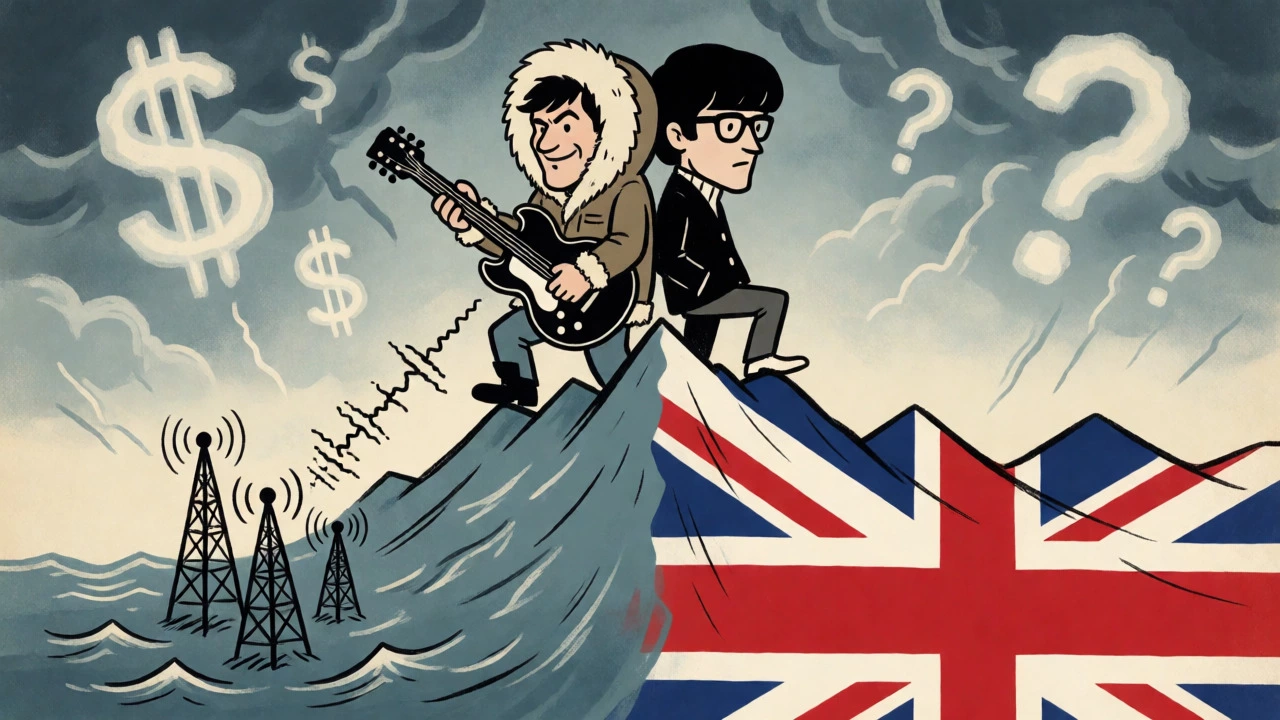
Blur and the "Song 2" Anomaly
Blur tells a different story. In the UK, they were the witty, art-school counterpoint to Oasis's working-class swagger. Albums like Parklife were critical darlings and sales juggernauts at home. In the US, however, Parklife barely registered, failing to chart significantly. Americans weren't interested in Damon Albarn's satirical takes on suburban life until they heard "Song 2." Released in 1997, this two-minute burst of noise was less about British satire and more about pure energy. It fit perfectly into the US alternative rock format, peaking at number 6 on the Modern Rock Tracks chart.
| Band | Single | US Peak (Modern Rock) | US Peak (Hot 100) | Cultural Impact |
|---|---|---|---|---|
| Oasis | Wonderwall | #1 (10 weeks) | #8 | Enduring anthem; sports stadium staple |
| Blur | Song 2 | #6 | #55 (Airplay) | One-hit wonder perception in US |
| The Verve | Bittersweet Symphony | #4 | N/A | Widespread sampling and film usage |
| Elastica | Connection | #2 | N/A | Niche alt-rock hit |
For many Americans, Blur became defined entirely by "Song 2." The band's deeper catalog, which contained their sharpest social commentary, remained obscure. This highlights a key issue with Britpop's reception: US radio formats were rigid. If a song didn't fit the three-to-four-minute, verse-chorus structure of mainstream alternative rock, it got little airplay. Blur's more experimental or lyrically dense tracks were often ignored, reinforcing the idea that Britpop was a novelty rather than a serious musical movement.
The Press Narrative: Curiosity Over Commitment
American music journalism played a complex role. Publications like Rolling Stone and Spin covered Britpop extensively, but often with a tone of detached curiosity. Articles frequently framed the scene as a quirky export, focusing on the fashion, the feuds between Liam Gallagher and Damon Albarn, and the "Cool Britannia" lifestyle rather than the musical substance itself. This coverage kept Britpop visible but prevented it from being taken seriously as a dominant force in American rock.
By 2002, the narrative had shifted to obituary mode. Trade publications began declaring Britpop a flop in the United States. For the first time in nearly forty years, no British act appeared on major Billboard charts. The initial excitement had evaporated, replaced by the realization that the cultural bridge hadn't been built. Critics pointed to the lack of MTV support compared to the 1980s, when videos could drive popularity regardless of language barriers. By the mid-90s, MTV was increasingly focused on domestic talent, leaving British bands without a visual platform to introduce themselves to new audiences.
Structural Barriers and Cultural Mismatches
Beyond the music itself, structural factors hindered Britpop's growth. Touring the US is expensive and logistically challenging. Many British bands, accustomed to playing large venues in the UK, found themselves opening for unknown acts in small American clubs. This disparity was demoralizing. Some bands, like Supergrass, openly resisted the "Britpop" label, feeling it was a media construct that boxed them in. Others simply prioritized European markets where their cultural references landed better.
Furthermore, the US music landscape was fragmented. Unlike the UK, where a few national newspapers and radio stations could create a unified national conversation, the US had hundreds of regional radio markets with varying tastes. What worked in New York might fail in Texas. Britpop, with its specific regional accents and slang, struggled to find a common denominator across such a vast country. The rise of nu-metal and post-grunge further crowded the field, pushing melodic British pop-rock to the margins.
Legacy: A Narrow Corridor of Success
Today, we remember Britpop in the US through a narrow corridor of hits. "Wonderwall" remains a karaoke fixture. "Song 2" powers video game montages. "Bittersweet Symphony" by The Verve is instantly recognizable. But the broader ecosystem-the other twenty bands, the albums, the cultural moment-is largely forgotten outside of dedicated fan communities. The "Third British Invasion" never materialized because the conditions that allowed previous invasions to succeed had changed. Grunge had already claimed the territory of authentic rock rebellion, and American pop was evolving toward boy bands and teen pop.
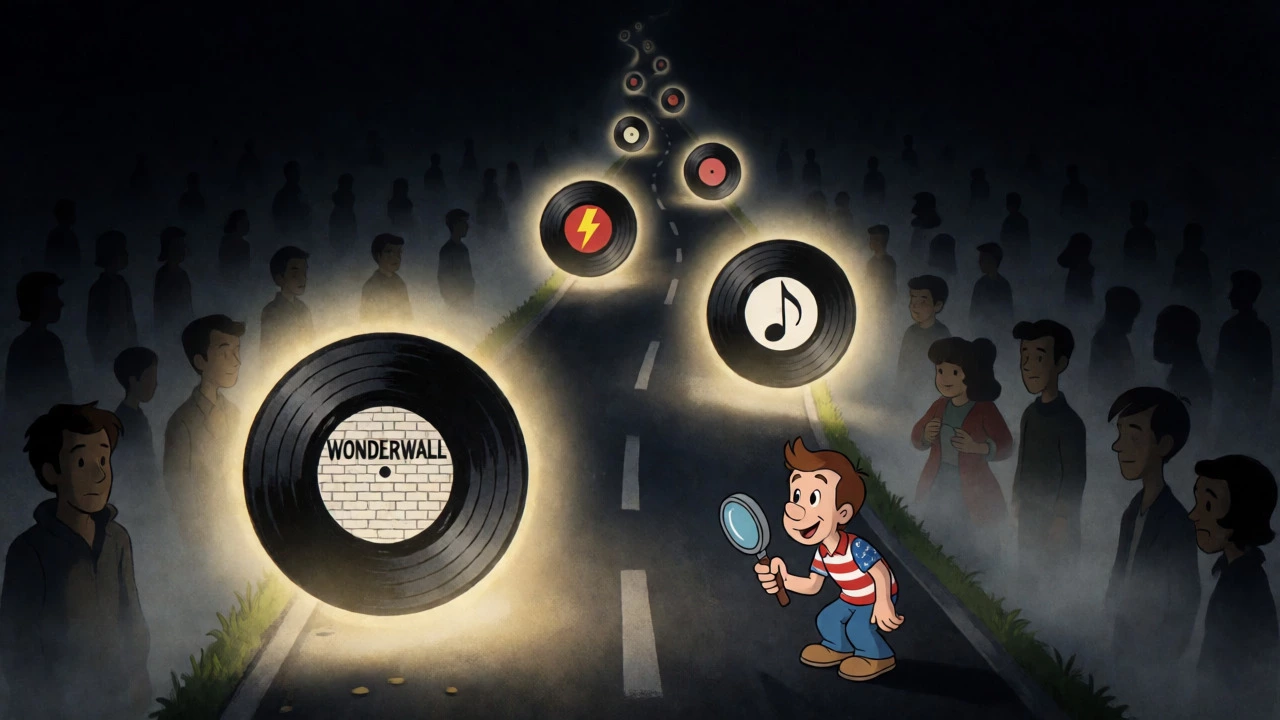
Yet, dismissing Britpop as a total failure misses the point. It proved that British music could still produce global superstars, even if the mass movement didn't take hold. For fans in places like Portland, finding a copy of Pulp's Different Class or Suede's debut felt like uncovering a secret society. The scarcity of US exposure added to the allure. We listened to these records because they felt special, imported, and slightly out of step with the prevailing American mood. That sense of discovery is perhaps the true legacy of Britpop's American reception-not domination, but enduring fascination.
Why did Britpop fail to achieve the same success in the US as it did in the UK?
Britpop relied heavily on specific British cultural references, humor, and accents that did not translate well to American audiences. Additionally, the US market was dominated by grunge and alternative rock, making it difficult for melodic British pop-rock to break through. Structural issues, such as the high cost of touring the vast US geography and a lack of unified media platforms like MTV's earlier support, also contributed to its limited success.
Which Britpop band had the biggest impact in the United States?
Oasis was the most successful Britpop band in the US. Their album (What’s the Story) Morning Glory? went five-times platinum, and singles like "Wonderwall" and "Champagne Supernova" received heavy radio play and high chart positions, unlike most other Britpop acts.
Did Blur have any hits in America?
Yes, Blur achieved significant US success with "Song 2" in 1997, which reached number 6 on the Modern Rock Tracks chart. However, their earlier, more critically acclaimed albums like Parklife performed poorly in the US, leading many Americans to view them as a one-hit wonder.
How did American press cover Britpop?
American press coverage was mixed, ranging from enthusiastic profiles in magazines like Spin and Rolling Stone to skepticism about the genre's relevance. Journalists often highlighted the cultural differences and the "Cool Britannia" trend, sometimes describing bands as "too British" for mainstream US appeal.
Is Britpop considered a failure in the US?
Commercially, yes, it failed to replicate its UK dominance. By 2002, trade publications noted that no Britpop acts were charting in the US. However, culturally, it left a lasting imprint through specific hits like "Wonderwall" and "Song 2," which remain popular today, suggesting a niche rather than a total failure.


