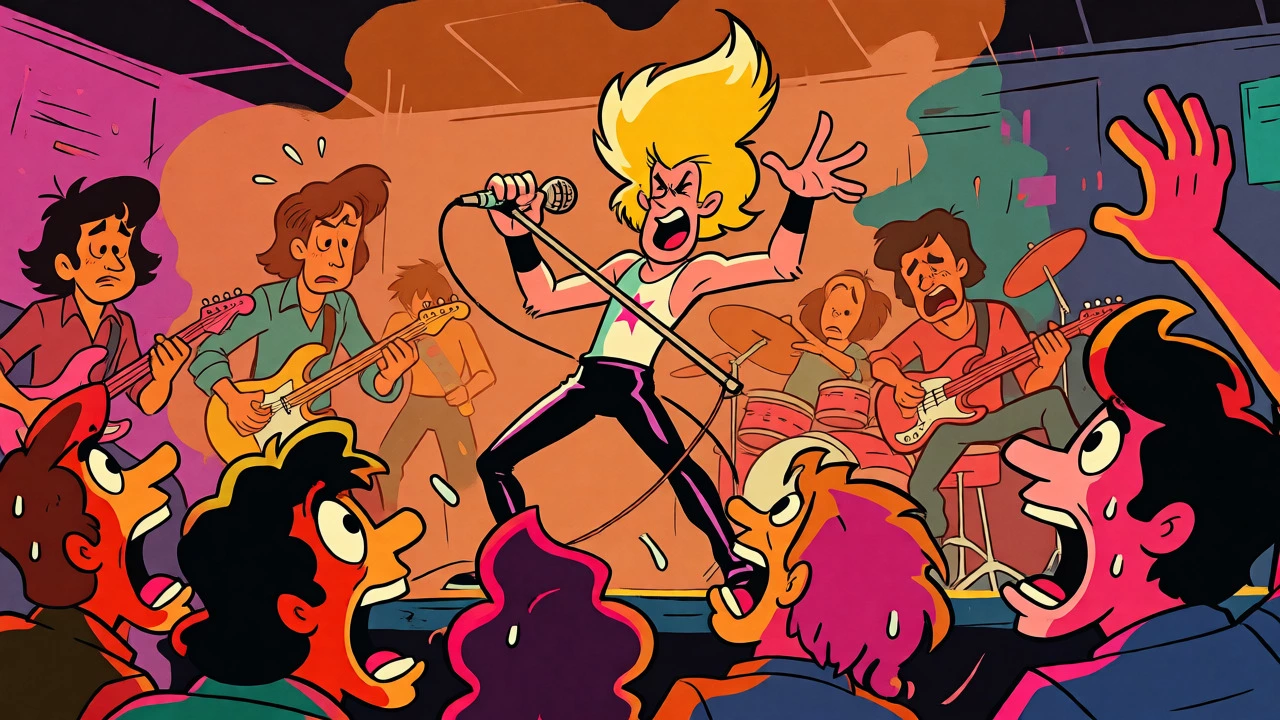

You paid $25 for a ticket, walked into a mid-sized club in Portland, and suddenly you were back in 1987. The air smelled like hairspray and cheap beer. A guy with a wig that defied gravity stepped up to the mic, mimicked Jon Bon Jovi’s sneer perfectly, and launched into "Livin' on a Prayer." The crowd didn’t just sing along; they screamed it. This isn’t a time machine glitch. It’s the thriving world of 1980s tribute bands, a live-entertainment niche that has grown from a novelty act into a billion-dollar industry preserving the sonic and visual legacy of the decade.
But why do these bands matter? Why not just listen to Spotify? Because recordings are static. They don’t sweat, they don’t interact with the crowd, and they don’t wear spandex. Tribute bands offer something digital files can’t: a shared, physical experience of nostalgia. As of late 2026, this sector is more robust than ever, with acts ranging from solo performers to eight-piece productions filling venues across the globe. If you’re wondering how a group of musicians recreating Def Leppard keeps the spirit of arena rock alive while navigating modern economics, read on.
The Evolution from Cover Band to Cultural Heritage
It wasn’t always this professional. In the early days, a tribute band was often just a cover band with a slightly better wardrobe department. But the landscape shifted dramatically starting in the 1980s itself. Consider The Bootleg Beatles, formed in London in 1980. They didn’t just play songs; they replicated the era’s fashion, hairstyles, and even the specific instruments used during different phases of The Beatles’ career. They have reportedly performed over 4,500 shows, proving that high-fidelity imitation could sustain a long-term touring career.
This trend accelerated as the original stars of the 80s aged or retired. Acts like Led Zepagain (formed in 1983) and Dread Zeppelin (1989) set the template. Today, we see specialized groups like Austin’s Hair Metal Giants, formed in 2019, which focus exclusively on the glam-metal subgenre. These aren’t just musicians playing hits; they are curators of a specific cultural moment. They preserve the gated drum sounds, the layered keyboards, and the theatrical stage presence that defined the MTV era.
| Band Type | Focus Area | Typical Cost Range (USD) | Key Feature |
|---|---|---|---|
| Solo/Duo Act | Single Artist Homage | $800 - $1,800 | Highly portable, intimate settings |
| Single-Artist Tribute | One Iconic Band (e.g., Poison) | $2,267 - $3,500 | Note-for-note recreation, costumes |
| Variety "80s Party" Band | Multi-Artist Hits | $4,000 - $8,000 | Broad appeal, dance-focused |
| Production Act | Theatrical Show | $6,500 - $10,000+ | Horns, lighting rigs, pyrotechnics |
More Than Just Songs: Preserving Production Values
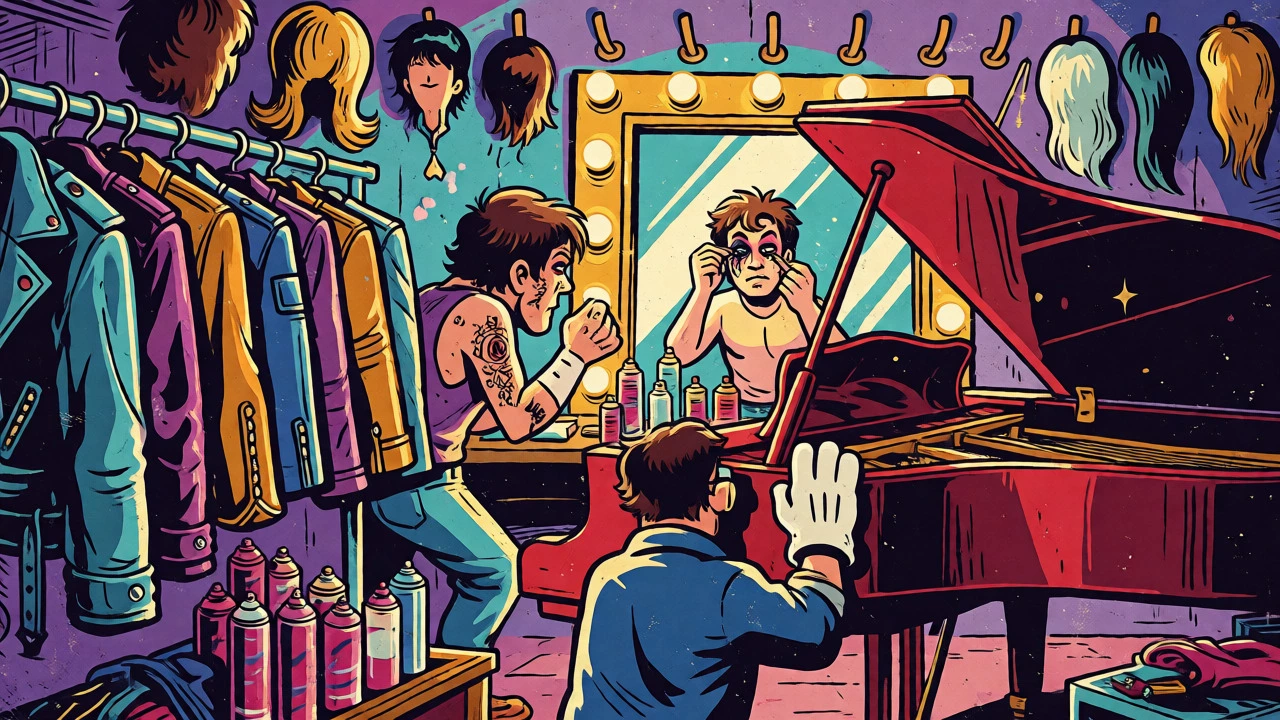
What exactly are these bands preserving? It’s not just the lyrics. The 1980s had a distinct production signature. Think of the massive, compressed snare drums on Phil Collins records or the shimmering reverb on Duran Duran synths. Top-tier tributes go to great lengths to replicate this. For instance, the Elton John tribute described by interviewer Gary James uses an exact replica of an eight-foot red Yamaha piano and a laser-and-LED lighting system valued at over $10,000. That’s serious investment for authenticity.
Visuals are equally critical. The band Pick Your Poison doesn’t just play Poison songs; they replicate the makeup, the choreography, and the stage antics. Founder Darren Moore of Snake Oil noted that his transition from a general cover band to a specialized act involved introducing professionally tailored outfits and character mannerisms. Custom leather costumes for a Mötley Crüe tribute like Looks That Kill can cost around $1,000 each. This level of detail transforms a concert from a musical performance into a piece of living theater.
Some bands prioritize sonic accuracy over looks. Electric Avenue, for example, emphasizes musical fidelity rather than heavy costume reliance. But most successful acts blend both. They understand that audiences judge them on multiple axes: vocal similarity, instrumental precision, physical resemblance, and the overall "vibe." It’s a complex equation where every element must align to create credibility.
The Economics of Nostalgia
Let’s talk money. Why does this business model work so well? First, the repertoire is pre-sold. You don’t need to convince people to like Journey; they already know "Don't Stop Believin'." Second, the overhead is lower than stadium tours. Original artists require massive crews, insurance, and logistics. Tributes operate on a human scale. According to booking guides, a four-member single-artist tribute typically costs between $2,267 and $3,500. Compare that to a Paul McCartney stadium seat exceeding $500, and you see the value proposition.
A 2026 industry report estimates that U.S. tribute concerts attract approximately 1.7 million ticket buyers annually. Interestingly, pricing dynamics shift based on the original artist’s activity. An Economics Bulletin study found that tribute ticket prices are about 11-15% lower when the original act is active, but rise by 9% when the original is out of touring mode. Scarcity drives demand. When fans can’t get tickets to the real thing, they turn to the best available substitute.
Venues love this too. Independent venues struggle financially-64% were unprofitable in 2024 according to the National Independent Venue Association. Tribute bands offer a predictable draw. They fill rooms without the risk of unknown material. For event planners, whether for weddings or corporate mixers, hiring a Tribute Band is a safe bet. You know the setlist will resonate with multiple generations, from Gen X parents to Millennial kids who discovered Bon Jovi through Stranger Things.
Academic Perspective: Living Heritage
Is this just kitsch? Academics argue no. Philip Auslander’s 2015 study suggests that tribute bands help construct historical consciousness. They treat pop music history as legitimate heritage that can be remade. A 2024 scholarly chapter describes these performances as "living heritage," animating recorded artifacts in a collective context. Instead of leaving songs as decontextualized MP3s, tributes return them to the social space of the concert hall.
Research on The Smyths, a UK-based Smiths tribute, highlights that authenticity is socially generated. It’s a collaboration between performer and audience. Fans confirm the authenticity by singing along, recognizing cues, and participating in the ritual. The pleasure comes from creating a "new memory" rooted in old references. It’s not about fooling yourself into thinking you’re seeing the real Morrissey; it’s about celebrating the catalog together.
Navigating Legal Landmines
If you’re thinking of starting a tribute band, watch your branding. Copyright covers the songs, usually handled via performing-rights organizations. But trademarks cover names and logos. Using a name that implies official endorsement can lead to lawsuits. Successful tributes use suggestive names like "Blonde Jovi" or "Almost KISS" rather than claiming to be the original. They also avoid using the original band’s promotional photos on posters, opting instead for images of their own performers. This distinction protects them from consumer confusion claims.
Who Is Going to These Shows?
The core demographic is Gen X and older Millennials, people who experienced the music in their youth. But the audience is broadening. Streaming platforms and social media introduce younger listeners to 80s catalogs. Nielsen data cited in recent reports shows Classic Rock as the No. 2 radio format for adults aged 25-54. Luminate notes that deep catalog tracks make up 75% of rock audio streaming. These digital habits translate into live attendance. People want to physically inhabit the music they consume online.
For many, it’s also about accessibility. Not everyone can afford front-row seats to a legacy act. Or maybe the original artist retired years ago. Tributes provide access to the emotional core of the music without the premium price tag or logistical hurdles. It’s democratic rock and roll.
The Future of 1980s Tributes
As of November 2026, the outlook is strong. Festivals like the Marana festival in Arizona scheduled 14 tribute bands over three days. Podcasts like Tribute Band Sessions continue to interview founders, keeping the community engaged. The future likely holds hybrid productions: live musicianship combined with synchronized projection mapping and interactive tech. However, risks remain. Rising travel costs, venue closures, and potential legal disputes over branding could impact smaller acts.
Yet, as long as people crave communal experiences and recognizable anthems, tribute bands will thrive. They bridge the gap between the past and present, turning recorded nostalgia into repeatable, social joy. Whether you’re a die-hard fan or a curious newcomer, catching a local tribute act is one of the best ways to keep the 1980s alive-not in a museum, but in the sweaty, loud, glorious reality of a live show.
How much does it cost to hire a 1980s tribute band?
Costs vary widely based on size and reputation. Solo or duo acts typically range from $800 to $1,800. Four- to five-member single-artist tributes cost between $2,267 and $3,500. Larger variety bands or production-heavy acts can cost $4,000 to $10,000 or more. Local gigs might pay less ($300-$1,200), while established regional acts earn more.
Are tribute bands legally allowed to use the original band's name?
Not usually. Most tributes use parody-like or suggestive names (e.g., "Almost KISS") to avoid trademark infringement. They must clearly signal their status as a tribute to prevent consumer confusion regarding official endorsement. Always check specific jurisdiction laws and trademark databases before finalizing a name.
Why are tribute bands popular if the original artists are still touring?
Tributes offer affordability, intimacy, and availability. Original artists may only tour major cities or charge premium prices ($500+). Tributes bring the experience to smaller towns and venues at a fraction of the cost ($45-$70 tickets). They also allow fans to enjoy the music without the large-scale logistics of stadium shows.
Do tribute bands only play hits?
Most focus on hits to ensure crowd engagement, but high-quality tributes often include deep cuts and album tracks to demonstrate musical proficiency. Some specialize in specific eras or albums (e.g., Slippery When Wet era Bon Jovi) to provide a more curated, authentic experience for hardcore fans.
Can I request specific songs for a private event?
Yes, most tribute bands are flexible with setlists for private events like weddings or corporate parties. While they have standard sets, they often accommodate special requests within reason. Discuss this during the booking process to ensure the band can perform your desired songs in their style.