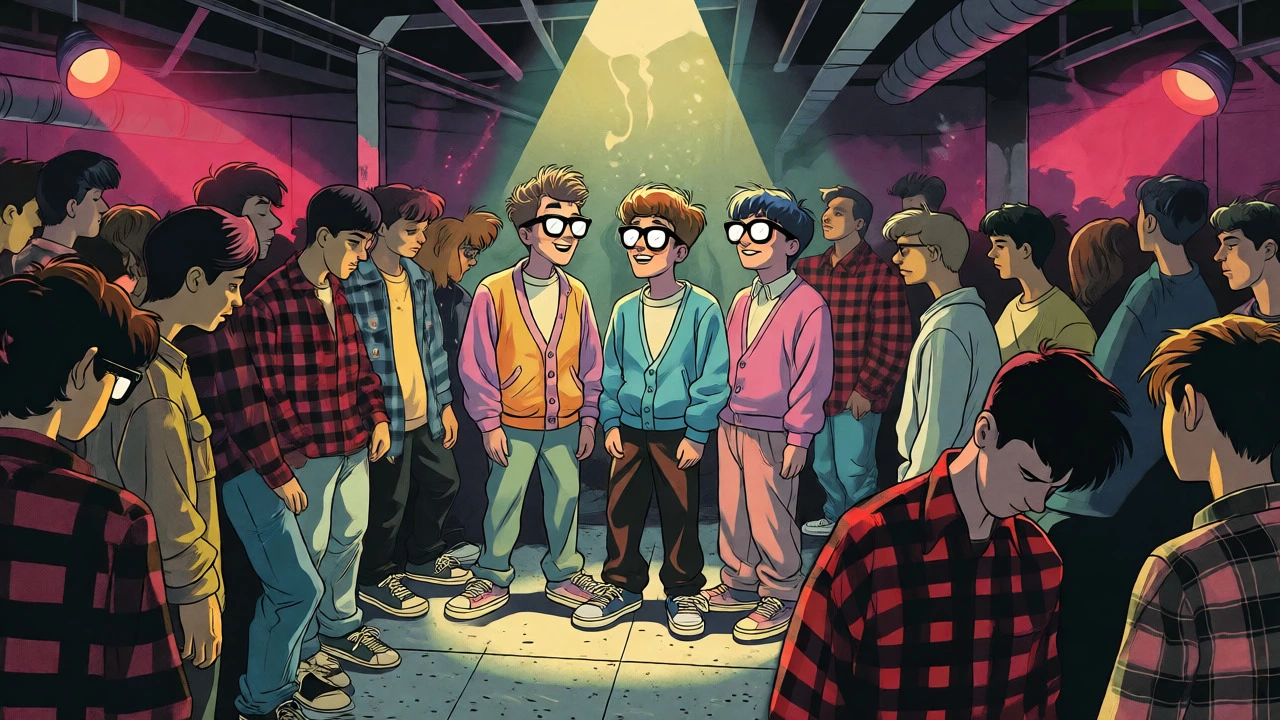

Imagine standing in a crowded club in 1994. The air smells like stale beer and flannel. Everyone is brooding, staring at their shoes, channeling the heavy, distorted angst of Nirvana or Pearl Jam. Then, four guys walk on stage wearing thick-rimmed glasses, cardigans, and sneakers. They don't look like rock stars. They look like they just failed a chemistry final. But when they hit the first chord, it’s not noise-it’s a hook so sharp it cuts through the gloom. This was Weezer, and their debut album wasn't just music; it was a cultural reset that proved you could be loud, catchy, and unapologetically nerdy all at once.
This article breaks down how Weezer’s two seminal 1990s albums-the self-titled Blue Album (1994) and Pinkerton (1996)-created a blueprint for modern alternative rock. We’re talking about the fusion of classic power pop melodies with "geek aesthetics," a combination that didn't just survive the grunge era but outlasted it, influencing everything from emo to indie pop. If you’ve ever wondered why bands today can wear hoodies and sing about anxiety without losing their cool, you have Rivers Cuomo and his bandmates to thank.
The Sonic Architecture of the Blue Album
Before Weezer dropped their debut, the dominant sound in alternative rock was murky, downtuned, and often nihilistic. Bands were competing to see who could sound the most depressed. Weezer flipped the script. Recorded for DGC Records, the Blue Album delivered ten tracks of guitar-driven perfection that critics later labeled "absolute geek-rock." It wasn't just catchy; it was structurally brilliant, borrowing heavily from the tight songcraft of 1970s power pop acts like Big Star while retaining the sonic weight expected by post-Nirvana audiences.
Songs like "Buddy Holly" and "Say It Ain’t So" aren't just hits; they are masterclasses in tension and release. The verses are conversational, almost diary-like, detailing social awkwardness and family dysfunction. Then, the chorus explodes into a major-key anthem that invites communal singing. This wasn't the tortured screaming of Eddie Vedder; it was vulnerable confession wrapped in a distortion pedal. AllMusic gave the album five stars, noting that its charm lay in replacing despair with love-a radical move in the gloom-drenched world of '90s guitar-pop. By prioritizing melody over machismo, Weezer created a template where emotional honesty didn't require artistic obscurity.
Visualizing the Geek Revolution
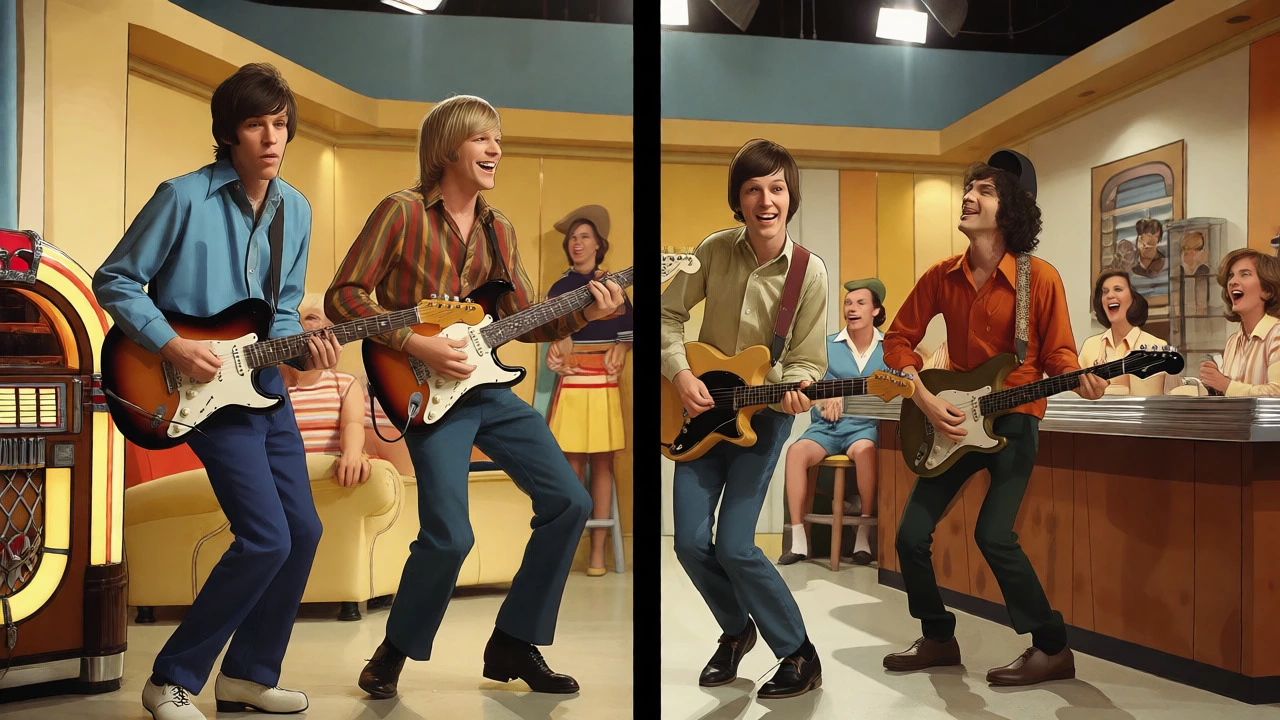
You can't talk about Weezer's impact without talking about how they looked. In an era defined by leather jackets and ripped jeans, Weezer chose preppy. Thick glasses? Check. Cardigans? Check. Retro sci-fi references? Double check. This visual strategy culminated in the music video for "Buddy Holly," directed by Spike Jonze. Released in late 1994, the video used innovative compositing to drop the band directly into footage from the 1970s sitcom Happy Days.
| Feature | Grunge Norms (e.g., Nirvana) | Weezer's Blueprint |
|---|---|---|
| Lyrical Theme | Alienation, apathy, systemic critique | Unrequited love, social anxiety, nerd culture |
| Aesthetic | Flannel, thrift store chaos, dark tones | Cardigans, glasses, bright colors, retro TV |
| Musical Structure | Noisy dynamics, dissonance, slow tempos | Tight hooks, major keys, concise structures |
| Stage Persona | Angsty, detached, aggressive | Awkward, enthusiastic, approachable |
The video won four MTV Video Music Awards, including Best Alternative Video. Why does this matter? Because it broadcast the idea that being a nerd was visually compatible with being a rock star. Before this, nerds were side characters in movies. After "Buddy Holly," they were the leads. The video’s success proved that mainstream audiences weren't just tolerant of geek culture; they were hungry for it. It shifted the center of gravity in pop culture, making intellectualism and pop-culture literacy part of the rock star package.
Pinkerton: The Dark Side of the Blueprint
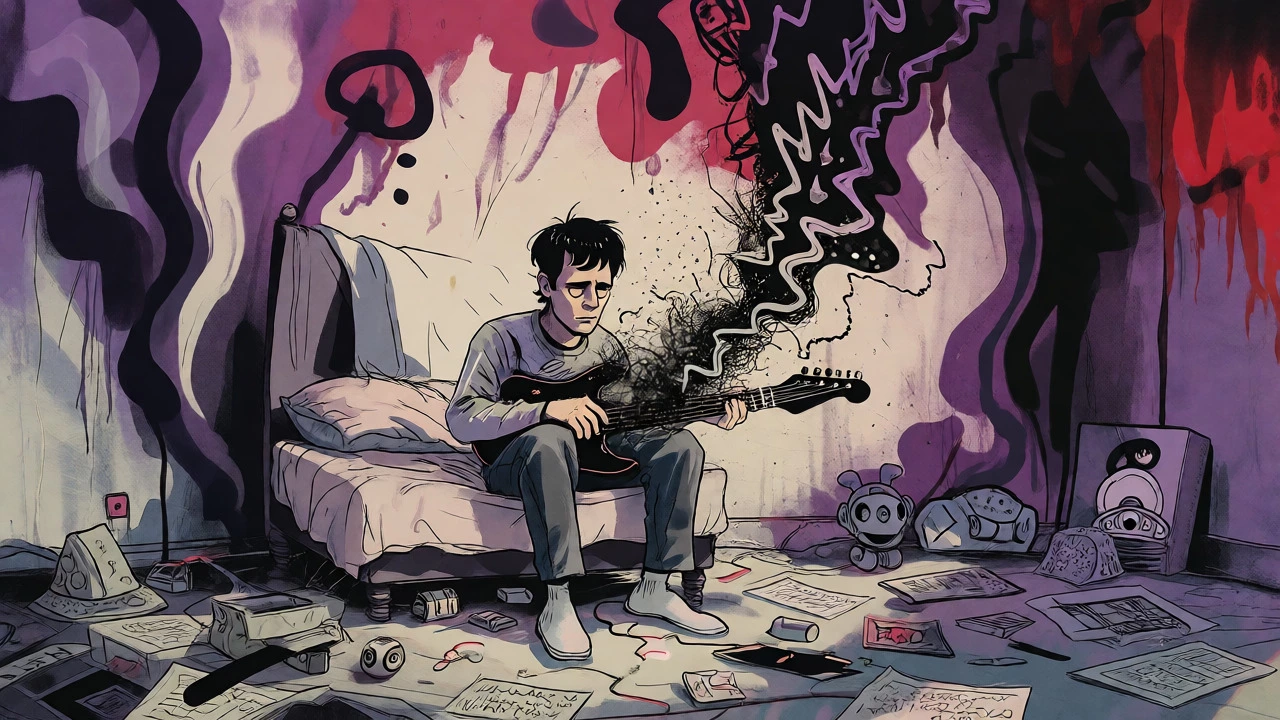
If the Blue Album was the polished introduction, Pinkerton was the messy breakup letter. Released in September 1996, it was expected to be another multi-platinum hit. Instead, frontman Rivers Cuomo went off-script. He traded the polished sheen for abrasive noise and replaced general romantic longing with specific, sometimes uncomfortable confessions about desire, isolation, and failure.
Commercially, it flopped initially. It sold only 47,000 copies in its first week and peaked at No. 19 on the Billboard 200. Critics hated it. Rolling Stone named it the second-worst album of 1996. Fans were confused; they wanted more "Buddy Holly," not songs about sexual frustration and failed relationships in Japan. But here’s the twist: history vindicated Pinkerton. Over time, it became certified platinum and is now widely regarded as a masterpiece of emo and indie rock.
Why did it fail then and succeed later? Because it pushed the "geek aesthetic" beyond fashion into raw emotion. The album wasn't just looking like a nerd; it was feeling like one. The oversharing-sometimes described by skeptics as "creepy"-became a virtue for a new generation of listeners who valued authenticity over polish. Bands like Jimmy Eat World, Dashboard Confessional, and Panic! at the Disco would later mine Pinkerton for its blend of noisy guitars and exposed nerves. It taught the industry that vulnerability doesn't need to be pretty to be powerful.
The Lasting Legacy on Modern Rock
Weezer’s 1990s output didn't just sell records; it changed the DNA of alternative rock. You can hear the blueprint in almost every successful indie or pop-punk band from the last twenty years. The formula is simple but hard to execute: pair heavy, distorted guitars with undeniable pop melodies, and deliver lyrics that admit you're struggling rather than pretending you're above it all.
- Melodic Aggression: The balance between crunch and catchiness remains the gold standard for bands like Paramore or The Killers.
- Nerd Credibility: Today, referencing anime, comic books, or obscure sci-fi in lyrics is common. Weezer made it safe.
- Confessional Songwriting: The shift from abstract poetry to specific, personal narrative paved the way for the emo explosion of the early 2000s.
Critics still debate the ethics of Cuomo’s early writing, with some arguing that the intense focus on female objects of desire crosses lines. Yet, even these criticisms prove the blueprint's potency. It forced a conversation about how men express vulnerability in public spaces. Whether you view Pinkerton as a masterpiece or a mess, you cannot deny that it created a lane for artists who refuse to choose between being smart and being loud.
Frequently Asked Questions
Why is the Blue Album considered a power pop record?
The Blue Album uses classic power pop structures-tight verses, big choruses, and strong melodic hooks-but plays them with the distorted, heavier guitar tones typical of 1990s alternative rock. It bridges the gap between the jangly sounds of the 1970s and the grunge era.
Did Weezer invent geek rock?
While bands like Devo had explored similar themes earlier, Weezer popularized the term and the aesthetic for the mainstream. Their visual style and lyrical focus on nerd culture during the peak of MTV made "geek rock" a commercially viable genre.
Why did Pinkerton fail commercially in 1996?
Fans and critics expected another polished pop album like the Blue Album. Pinkerton was noisier, more abrasive, and lyrically much darker and more specific. The abrupt shift in tone alienated casual listeners, though it later gained a cult following.
How did the "Buddy Holly" video influence pop culture?
By inserting the band into 1970s sitcom footage, the video normalized the presence of nerdy figures in mainstream media. It demonstrated that alternative rock could be fun and visually playful, breaking the mold of serious, brooding rock videos.
Which bands cite Weezer as a major influence?
Numerous bands from the emo and pop-punk waves cite Weezer, including Jimmy Eat World, Dashboard Confessional, Saves the Day, and Panic! at the Disco. Many modern indie rock bands also credit Weezer for blending humor with emotional depth.