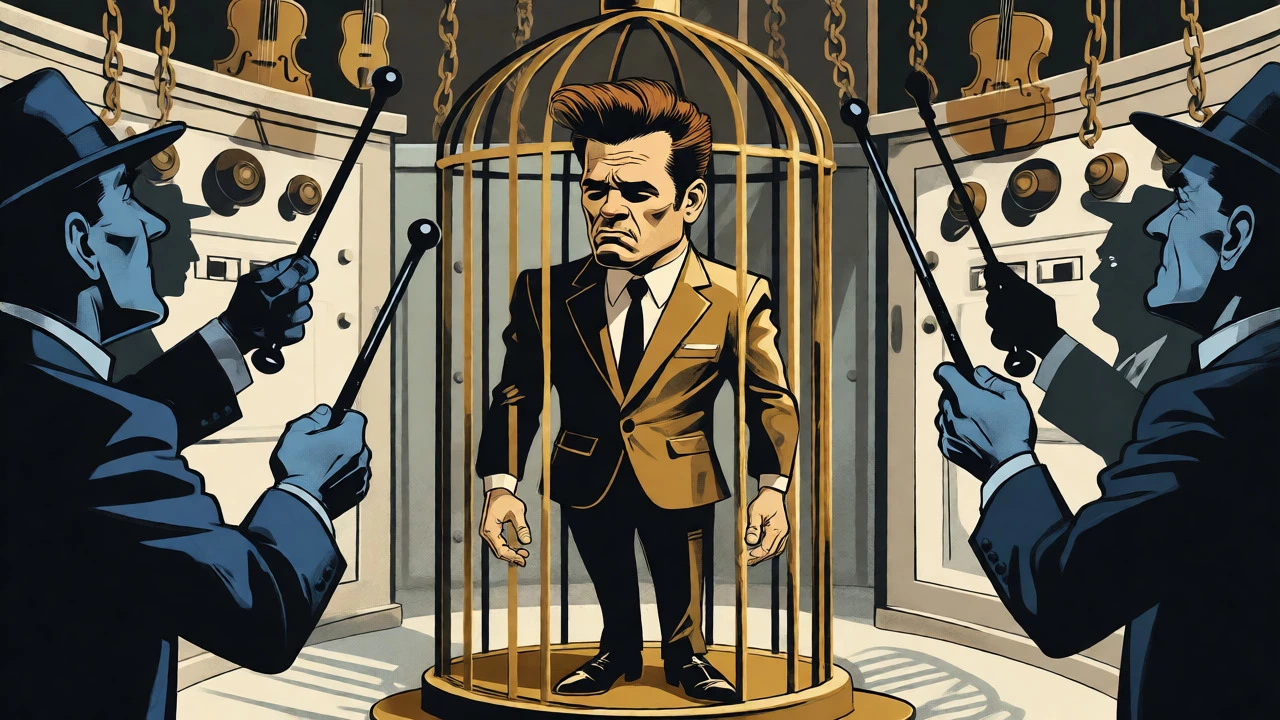

Imagine being told you can’t play your own songs, with your own band, in your own style. That was the reality for Waylon Jennings when he arrived in Nashville in 1965. He wasn’t just a singer; he was a rebel trapped in a system that treated musicians like interchangeable parts. Today, we look at how Jennings and his allies didn’t just change the sound of country music-they rewrote the business contract.
| Aspect | The Establishment (Nashville Sound) | The Outlaws (Jennings & Co.) |
|---|---|---|
| Control | Producers chose songs, studios, and musicians. | Artists controlled repertoire, personnel, and production. |
| Sound | Polished, orchestral, pop-influenced arrangements. | Rough-edged, bass-heavy, road-band instrumentation. |
| Image | Clean-cut suits, studio-perfected vocals. | Long hair, denim, beards, authentic stage presence. |
| Business Model | Label-driven mass production. | Artist-led independence proving commercial viability. |
The Gilded Cage of the Nashville Sound
To understand why Waylon Jennings was so angry, you have to look at what he was up against. In the 1950s and 60s, Chet Atkins, a producer at RCA Records, developed the "Nashville Sound." This style smoothed out the rough edges of traditional honky-tonk. It added violins, backing choirs, and professional session players to make country music palatable for radio stations that usually only played pop hits. It worked commercially, but it felt fake to guys like Jennings.
Jennings had cut his teeth playing bass for Buddy Holly. He knew what it meant to be part of a tight-knit group. When he signed with RCA, he expected creative freedom. Instead, he found himself forced to use hired studio musicians who didn’t know his rhythms or his heart. He was discouraged from recording the material he loved. The label wanted polish; Jennings wanted grit. This wasn’t just an artistic disagreement; it was a battle for ownership of his own voice.
The Contract That Changed Everything
The turning point wasn’t a song-it was a signature. By 1972, Jennings’s contract with RCA was expiring. He was hospitalized with hepatitis, feeling vulnerable but determined. His manager, Neil Reshen, used a clever piece of leverage: Willie Nelson had recently left Nashville because of similar frustrations. Reshen threatened that Jennings would follow suit if RCA didn’t give him more control.
The result was a precedent-setting agreement. While exact financial figures vary by source, the core outcome is clear: Jennings gained the right to choose his songs, his studio, and his musicians. For the first time, a major label allowed a star artist to bypass the standard factory line. This deal proved that an artist could be profitable without being a puppet. It opened the door for every independent-minded musician who followed.
Honky Tonk Heroes and the Raw Truth
With his new freedom, Jennings made his move. In July 1973, he released Honky Tonk Heroes. This album was a middle finger to the polished Nashville aesthetic. Almost every track was written by Billy Joe Shaver, a songwriter then largely unknown outside Texas. Jennings recorded it with his touring band, the Waylors, not the slick studio pros.
The sound was stripped down, bass-heavy, and raw. It wasn’t trying to impress critics; it was trying to connect with real people. Songs like "You Asked Me To" climbed the charts, proving that audiences were hungry for authenticity. The album reached No. 14 on Billboard’s Top Country Albums chart, a modest number by today’s standards but a massive victory for artistic integrity at the time. It showed that you didn’t need an orchestra to make money; you just needed truth.
Defining the "Outlaw" Brand
You might think "outlaw" was a genre they invented, but it was mostly a marketing term applied later. The word gained traction after Jennings’s 1972 album Ladies Love Outlaws. Journalists and critics started using the label to describe a loose coalition of artists who rejected Nashville’s norms. These included Willie Nelson, Kris Kristofferson, Johnny Cash, and Jessi Colter.
Willie Nelson took a different route than Jennings. While Waylon stayed in Nashville to fight the system from within, Willie moved to Austin, Texas. There, he played to long-haired college kids and working-class fans in a scene that blended folk, rock, and country. Their partnership linked two strategies: relocation and internal rebellion. Together, they made long hair, denim, and informal stage wear commercially viable. They weren’t just making music; they were selling a lifestyle.
Wanted! The Outlaws: Selling Rebellion
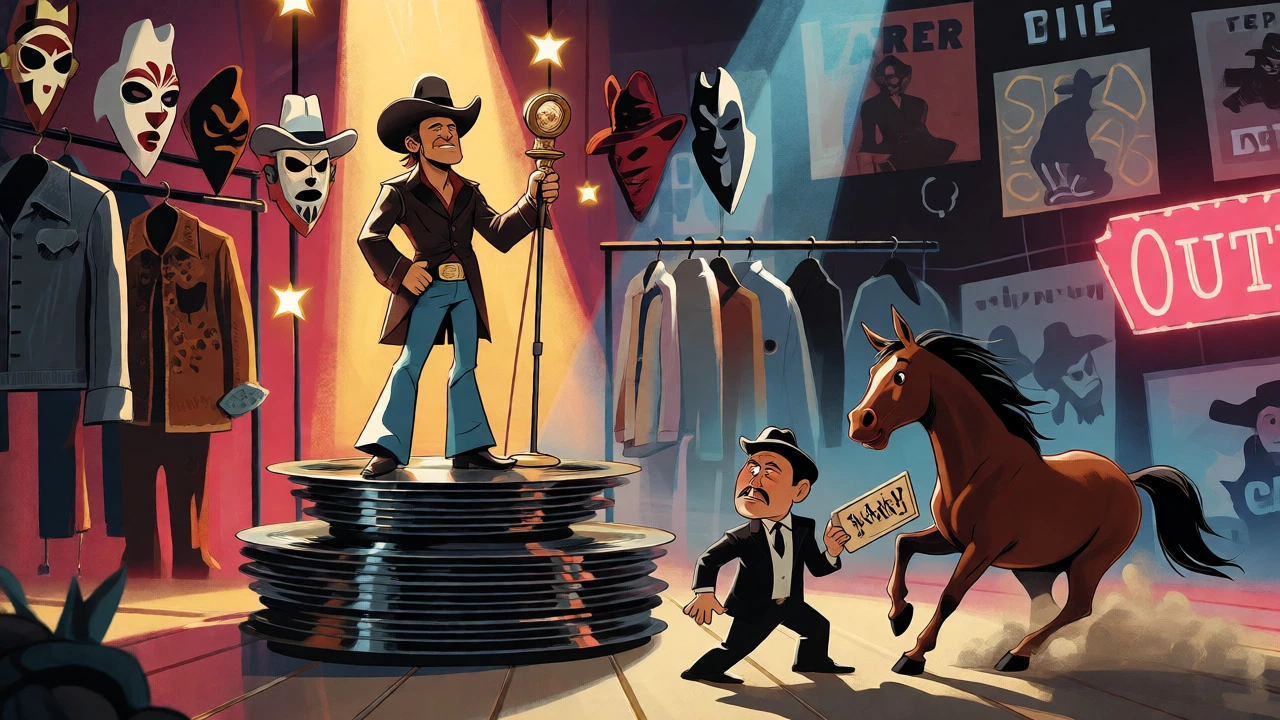
The movement hit its commercial peak in January 1976 with Wanted! The Outlaws. This compilation featured tracks by Jennings, Nelson, Jessi Colter, and Tompall Glaser. It became the first country album ever certified platinum by the RIAA, selling over a million copies. But here’s the irony: this anti-establishment anthem was packaged and sold by the very establishment it criticized-RCA Records.
Executive Jerry Bradley conceived the compilation, realizing there was money in rebellion. Suddenly, "outlaw" wasn’t just a description; it was a brand. Labels everywhere started hunting for their own "outlaw" artists. The image of the rugged, independent loner became a costume. Jennings himself grew disillusioned with this commodification. His 1978 hit "Don’t You Think This Outlaw Bit’s Done Got Out of Hand?" questioned whether the rebellion had become just another product on the shelf.
Legacy of Independence
Did Waylon Jennings destroy Nashville’s establishment? Not exactly. He forced it to negotiate. Before him, labels held all the cards. After him, artists had leverage. The institutional changes were durable: performers gained bargaining power, touring bands got credit, and regional scenes like Austin became recognized centers of excellence.
The legacy isn’t just about one man’s success. It’s about the principle that artistic control leads to better art-and often, better sales. Modern country stars, Americana artists, and even rock musicians owe a debt to the space Jennings carved out. He proved that you don’t have to compromise your soul to pay the bills. Sometimes, the most profitable thing you can do is stay true to yourself.
What exactly was the "Nashville Sound"?
The Nashville Sound was a subgenre of country music developed in the late 1950s by producers like Chet Atkins. It softened traditional honky-tonk elements by adding smooth vocal choruses, string sections, and pop-style arrangements to appeal to a broader, crossover audience.
Why did Waylon Jennings leave RCA Records initially?
He didn't leave immediately; he fought for a better contract. However, he was frustrated by RCA's control over his song selection, studio musicians, and production style, which conflicted with his desire for artistic autonomy and his preference for his own touring band, the Waylors.
Who else was considered part of the outlaw country movement?
Key figures included Willie Nelson, Kris Kristofferson, Johnny Cash, Bobby Bare, David Allan Coe, Johnny Paycheck, Jerry Jeff Walker, Tompall Glaser, Jessi Colter, and Billy Joe Shaver. They shared a rejection of Nashville's polished production style, though their musical sounds varied significantly.
Was "outlaw country" a formal genre?
No, it was primarily a marketing label and a cultural identity rather than a strict musical genre. Artists grouped under this banner did not share a single sound or manifesto but were united by their desire for creative control and their rejection of the mainstream Nashville establishment.
How did the 1972 RCA contract impact the music industry?
It set a precedent for artist autonomy. By granting Waylon Jennings the right to choose his songs, musicians, and producers, RCA demonstrated that major labels could profit from artist-led projects. This shifted the power dynamic between record companies and musicians.