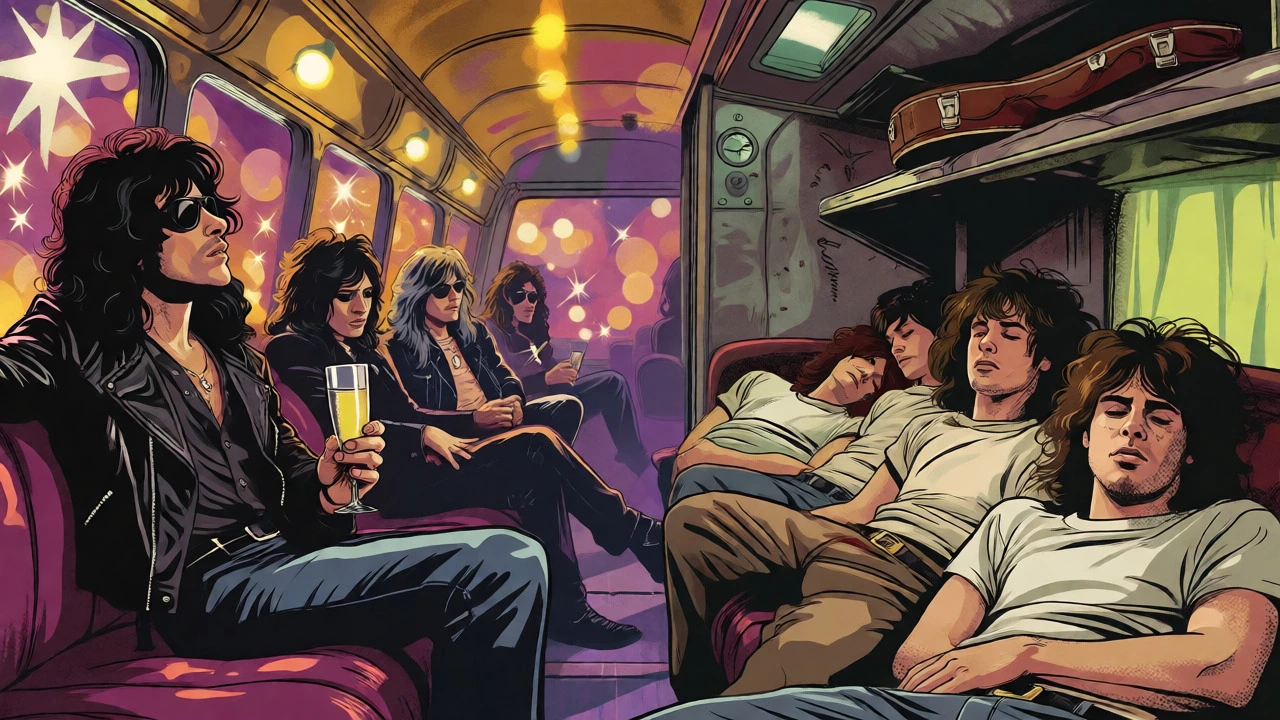

You picture it like a scene from This Is Spinal Tap: leather seats, endless champagne, and rock stars cruising down the interstate in style while the world sleeps. But if you ask anyone who actually lived it-from Tom Petty to the members of The Pogues-the reality of 1980s tour bus life was less about glamour and more about survival. It was a grind of cramped bunks, sleepless nights, and highway fatigue that broke bands just as often as it made them.
The idea that the tour bus was a party palace is one of the most persistent myths in music history. In truth, for most acts in the 1980s, the coach was a mobile dormitory with zero privacy. It was a necessary evil, a logistical tool that allowed bands to play five shows in six days without burning through their entire advance on airfare and hotels. Let’s separate the fantasy from the asphalt reality of what it actually took to keep a band moving across America during the golden age of arena rock.
The Myth of Jet-Set Luxury
Ask a modern fan how a major act moved between cities in 1985, and they’ll likely say "private jet." Wrong. While superstar acts like Led Zeppelin or later Bon Jovi might have had occasional charter flights, the vast majority of touring musicians-even big names-relied on buses. Why? Because flying at 4 AM after a show ending at 1 AM is a recipe for disaster.
Tom Petty famously explained this logic in 1981. He noted that his band tried flying early on, but the logistics were terrible. If you land at 6 AM, you’re awake before you’ve even slept, facing a full day of press and soundchecks on two hours of rest. On a bus, you roll out right after load-out, usually around midnight or 1 AM. You sleep for seven hours straight, wake up in the next city, and go to work. It wasn’t luxury; it was efficiency. The bus converted travel time into sleep time. For mid-tier acts like KIX, playing six nights a week in clubs, a bus was the only financial option. Flying would have bankrupted them within a month.
| Factor | Tour Bus | Commercial/Private Air |
|---|---|---|
| Sleep Quality | Continuous 5-7 hour block during transit | Fragmented; disrupted by airport noise/timing |
| Cost Efficiency | High fixed cost, low per-mile marginal cost | High variable cost per person/per leg |
| Gear Transport | Instruments/stage gear stay onboard | Risk of loss/damage; requires separate cargo truck |
| Privacy | Minimal (shared bunks) | Moderate (hotel rooms upon arrival) |
The Reality: Cramped Quarters and Zero Privacy
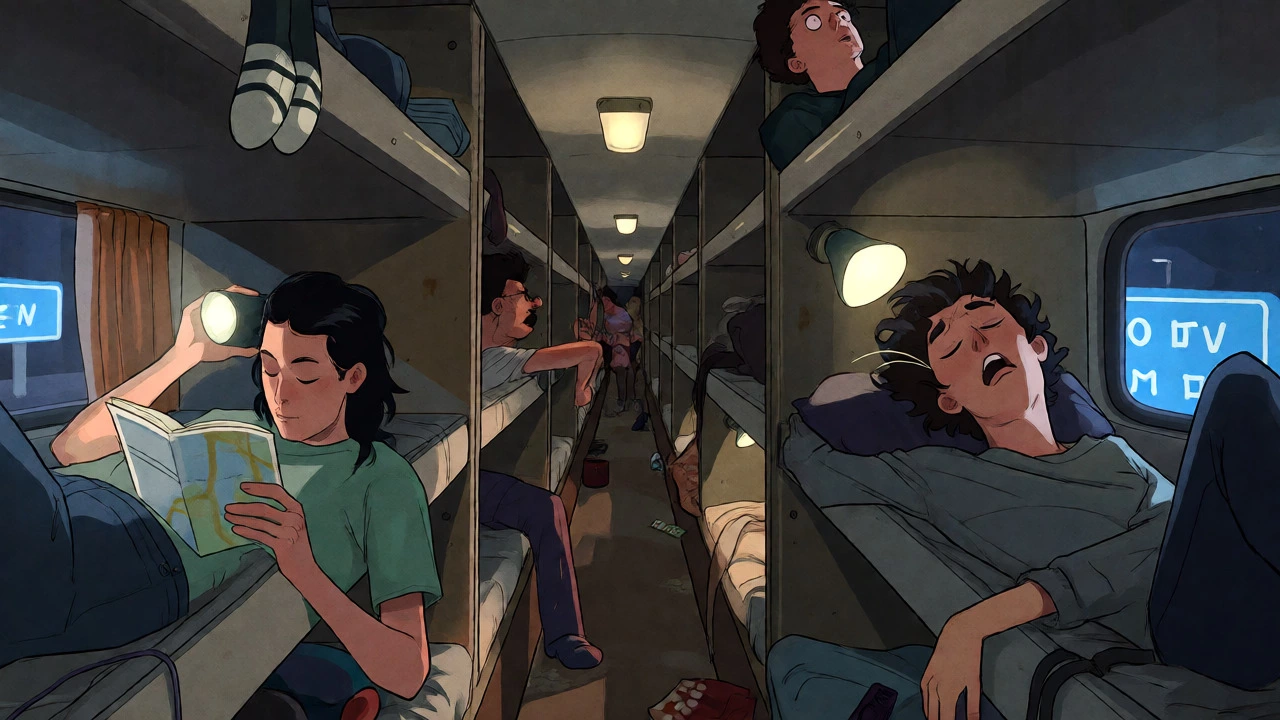
If you think your open-plan office is tight, imagine sharing a 40-foot tube with eleven other people for three months. Standard entertainer coaches in the 1980s, built by companies like Hemphill Brothers Coach Company, typically featured bunks stacked three high. That’s eighteen sleeping spots in a space barely wider than a hallway. There was no door to close. No lock. Just a curtain, if you were lucky.
Shane MacGowan of The Pogues described this life not as hedonistic, but as "filth and sorrow." When you live in a box with people you haven’t chosen, tensions flare. A dropped guitar pick or a loud snore can start a war. The "camaraderie" often seen in photos was real, but so was the claustrophobia. Hygiene became a negotiation. Showers happened when the venue provided them, which wasn’t always guaranteed. Many bands relied on gym memberships in host cities or just endured the funk until the next hotel stop.
The Party Myth: Exhaustion Over Excess
Hollywood loves the image of the band drinking all night. In reality, alcohol and drugs were coping mechanisms for exhaustion, not just recreational choices. The schedule left little room for sustained partying. A typical day looked like this:
- 10:00 AM - 12:00 PM: Wake up, breakfast at catering (if available), press interviews.
- 2:00 PM - 4:00 PM: Soundcheck. This is non-negotiable and boringly technical.
- 7:00 PM - 11:00 PM: Load-in, setup, performance.
- 11:30 PM - 1:00 AM: Load-out. Hauling amps, drums, and cables off the stage.
- 1:00 AM: Board the bus. Departure.
By the time you’re back on the bus, you’re physically drained. Most crew members and bandmates crash immediately. The "party" scenes did happen, particularly for acts with massive advances or those using multiple buses (where one could be designated for socializing). But for the average working musician, the bus was a place to collapse, not celebrate. Drivers, who operated on inverted schedules, often noted that the bands slept more than they partied. The driver’s job was to navigate the interstate while the passengers recovered from the adrenaline crash.
The Business Behind the Bunk
Behind every shiny exterior was a brutal economic engine. Companies like Hemphill Brothers didn’t just rent buses; they managed assets. In the early 1980s, Joey and Trent Hemphill started with two buses. By the early 1990s, they were a premier provider. Their business model reveals the harsh reality: contracts often included clauses where the band paid two-thirds of the weekly lease rate even during scheduled breaks. This protected the company’s fixed costs for insurance, maintenance, and parking.
This asset-heavy model meant that breaking even required consistent touring. If a band canceled dates due to illness or poor ticket sales, the bus fees didn’t disappear. This pressure forced many acts to push through sickness and injury, contributing to the burnout rates seen in the industry. The bus wasn’t just transport; it was a ticking clock on overhead costs.
Interpersonal Dynamics: Family or Prison?
The proximity of bus life created intense bonds and bitter feuds. It’s why so many breakup songs mention the road. You see everything: someone’s bad breath, their crying fits, their petty theft of snacks. KIX guitarist Ronnie Younkins recounted how the bus became part of his recovery process from addiction. Bandmates demanded urine tests; he attended AA meetings in hotel mornings before boarding. The bus community acted as both enabler and support group.
For some, like Freddie Mercury of Queen, the bus offered moments of quiet domesticity-playing Scrabble in the lounge while the landscape blurred past. For others, it was a pressure cooker. The lack of escape routes meant conflicts had to be resolved quickly or festering resentment would ruin the tour. There was no "going home" to cool off. You had to make nice with the drummer you argued with, because you’d be sitting next to him at breakfast tomorrow.
Legacy: Why the Myth Persists
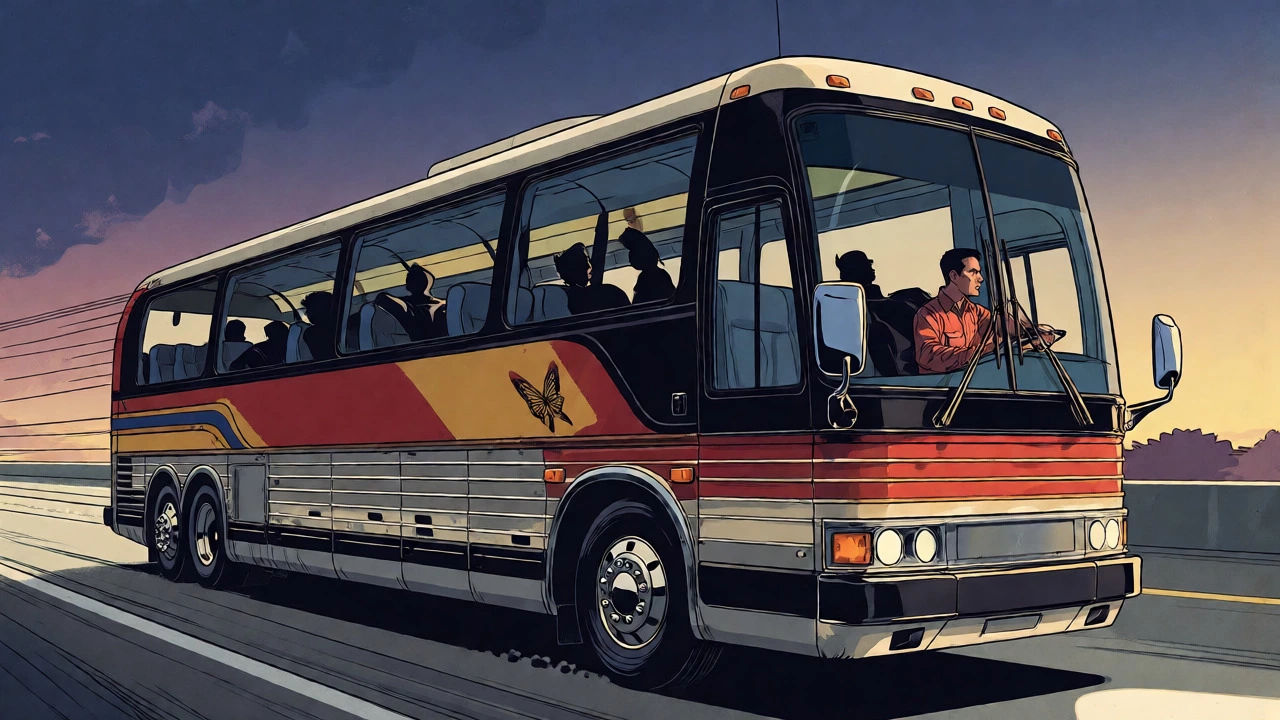
So why do we still romanticize the 1980s tour bus? Because the aesthetic is strong. Custom paint jobs, like Dolly Parton’s butterfly motif, turned vehicles into rolling billboards. Photos of relaxed stars in plush lounges curated an image of effortless success. Fans wanted to believe that fame meant comfort, not cramped bunks and stale coffee.
Today, the core function remains unchanged. Even with Wi-Fi and USB ports, the fundamental trade-off is the same: mobility versus comfort. Modern acts still prefer buses for regional runs because the sleep efficiency hasn’t been beaten by any other mode of transport. The myth persists because it sells tickets, but the reality-the grind, the fatigue, the shared humanity-is what actually builds a career.
Did famous bands really use tour buses in the 1980s?
Yes, absolutely. Contrary to the belief that only small acts used buses, major artists like Tom Petty, Queen, and The Rolling Stones relied heavily on custom entertainer coaches. The primary reason was logistical efficiency: sleeping on the bus during overnight drives allowed performers to get 5-7 hours of continuous rest, which was superior to the fragmented sleep experienced when flying late at night or early in the morning.
What was the living situation like inside a 1980s tour bus?
It was extremely cramped. Standard configurations featured bunks stacked three high along narrow aisles, with little to no privacy. A typical bus held 12-15 people, including band members and crew. Personal space was minimal, often limited to a few square feet per person. Hygiene facilities were basic, with showers usually taken at venues or hotels rather than on the bus.
Was life on a tour bus mostly partying?
No, this is largely a myth. While parties happened, the daily routine was grueling and repetitive. Bands faced long hours of travel, soundchecks, performances, and load-outs. Most band members and crew spent the majority of their bus time sleeping or resting to recover from physical exhaustion. Sustained partying was difficult given the need to perform nightly.
Why didn't bands just fly private jets instead?
Flying was expensive and logistically disruptive for multi-city tours. Arriving at airports at odd hours (often 4 AM) disrupted sleep cycles significantly. Additionally, transporting instruments and stage gear via air freight added complexity and risk. Buses allowed gear to stay with the band and enabled sleep during transit, making them more cost-effective and practical for frequent, short-distance hops.
How much did it cost to rent a tour bus in the 1980s?
Costs varied widely based on customization and fleet size, but it was a significant fixed expense. Companies like Hemphill Brothers charged weekly lease rates. Contracts often stipulated that bands paid a substantial portion (e.g., two-thirds) of the weekly rate even during scheduled days off, reflecting the high fixed costs of insurance, maintenance, and driver salaries regardless of whether the bus was moving.
