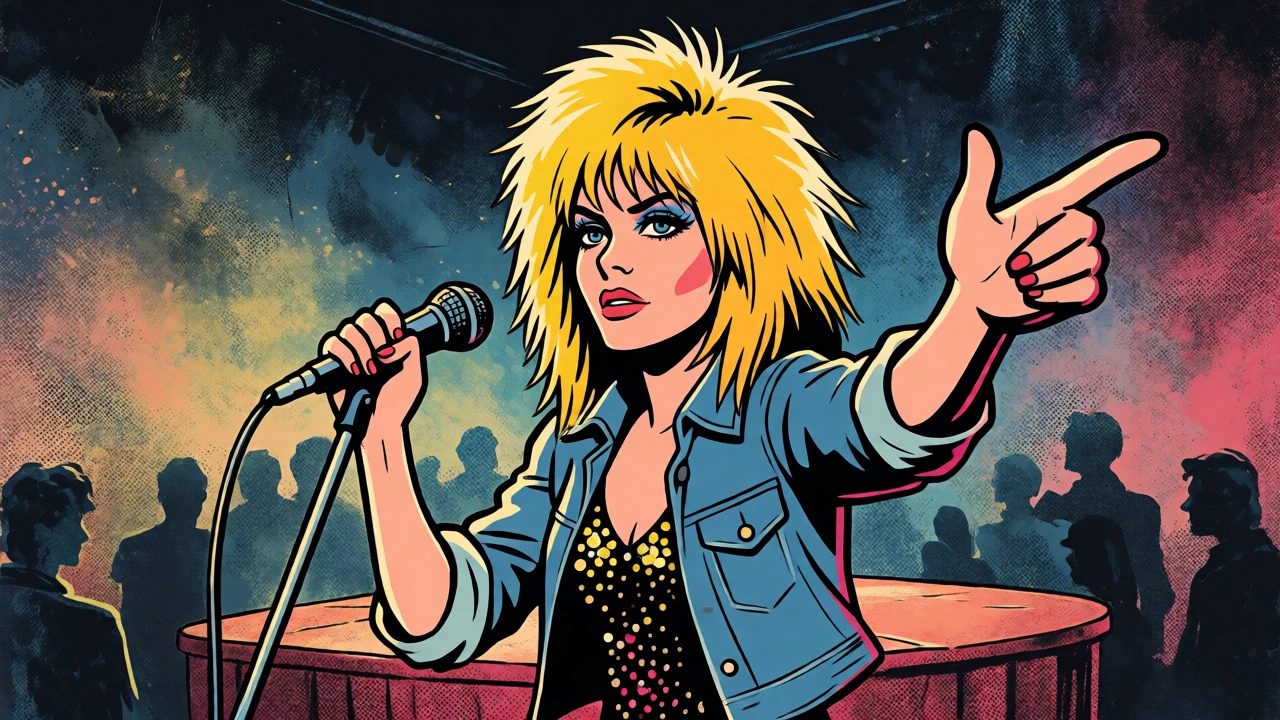

Imagine standing in a stadium packed with 180,000 people. The air is thick with heat and anticipation. Then, a woman in a sequined minidress and high heels storms the stage, legs flying, voice roaring like a jet engine. This wasn't just a concert; it was a statement. In the 1980s, Tina Turner didn't just return to music-she rebuilt her entire identity from the ashes of a difficult past, turning age and survival into global superstardom.
If you think comebacks are just about releasing a new album, you haven't looked closely at what Tina did between 1985 and 1988. She didn't rely on nostalgia alone. She fused blues grit with synth-pop polish, creating a live experience that dominated arenas worldwide. Her tours weren't merely performances; they were masterclasses in branding, fashion, and sheer physical endurance. Let's look at how she pulled off one of the greatest reinventions in show business history.
The Comeback That Changed Everything
By the early 1980s, Tina Turner was largely written off by the industry. After leaving Ike Turner, she spent years playing small clubs and doing TV guest spots. Most artists over 40 don't get a second act, let alone a third. But Tina had something most pop stars lacked: decades of raw, unfiltered stage experience. When she signed with Capitol Records in 1983, she didn't try to mimic the young pop idols of the day. Instead, she leaned into her age and her history.
The release of Private Dancer in 1984 was the catalyst. It wasn't just an album; it was a declaration. Hits like "What's Love Got to Do with It" proved she could compete on the radio, but the real magic happened when she took those songs on the road. The Library of Congress notes that this era challenged assumptions about women, age, and sexuality in rock. She wasn't apologizing for being 45. She was owning it.
The Private Dancer Tour: Converting Hits into Spectacle
The Private Dancer Tour kicked off in February 1985 and ran through December of that year. It covered Europe, North America, and Australasia, drawing roughly 2.5 million attendees across nearly 180 dates. This tour established the template for her future success. She wasn't just singing; she was commanding space. Early critics sometimes found the production excessive, citing the flashy costumes and heavy choreography. But Tina’s charisma quickly silenced them. She made massive stadiums feel intimate, connecting eye-to-eye with fans in the upper decks.
Her setlist was a strategic blend. She mixed new hits with classics like "Proud Mary" and "River Deep - Mountain High." This gave longtime fans a sense of continuity while introducing new audiences to her power. She moved constantly, dancing with a stamina that younger performers struggled to match. It wasn't just about looking good; it was about proving that energy and skill don't fade with time.
Fashion as Armor: The Bob Mackie Effect
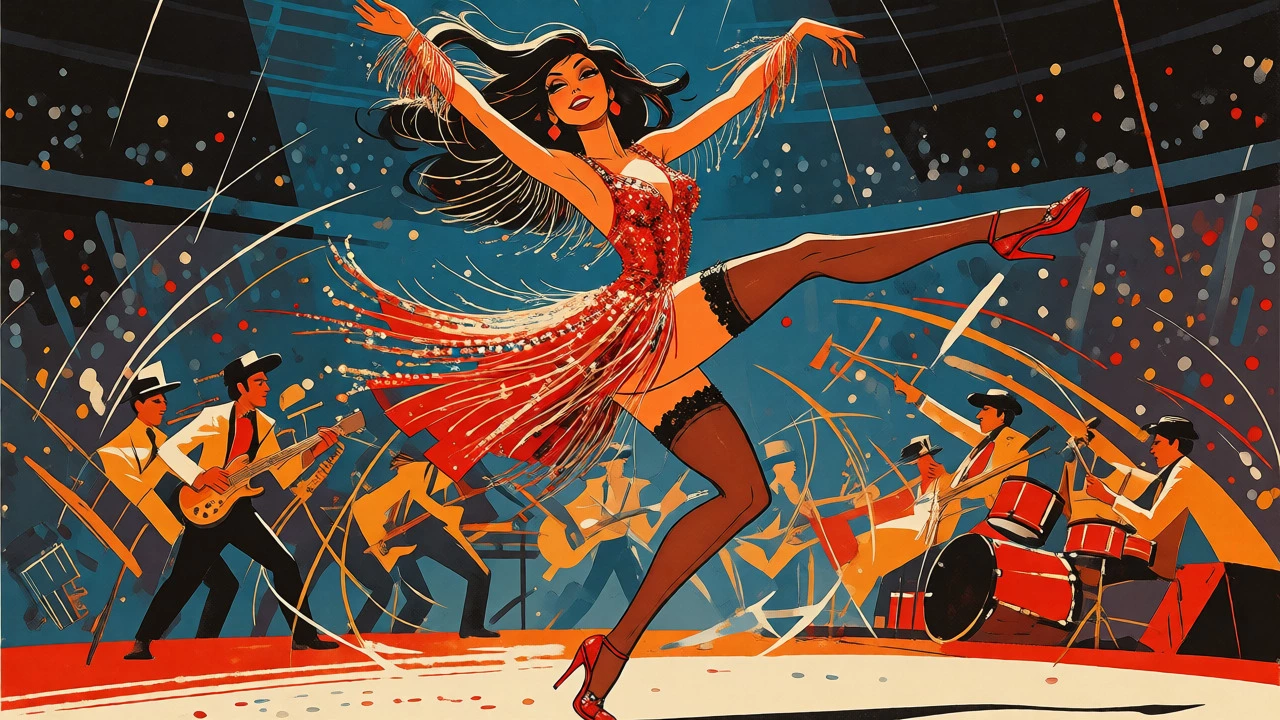
You can't talk about Tina's 1980s without talking about the clothes. Fashion wasn't an afterthought; it was a core part of her brand. Designer Bob Mackie played a huge role here. He recalled Tina bringing him cheap jersey dresses from Europe, asking him to cut them shorter and higher. The result? Iconic looks featuring short leather or sequined dresses, fringe, mesh fabrics, and black stockings.
| Element | Description | Purpose |
|---|---|---|
| Hair | Spiky, layered blond/light brown | Created a distinct silhouette visible from afar |
| Clothing | Short minidresses, leather, sequins, denim | Highlighted movement and leg strength |
| Footwear | High heels (often stilettos) | Demonstrated balance and athletic ability |
| Makeup | Bold, dramatic eyes and lips | Enhanced facial expressions under stage lights |
This look communicated agency. At 45, Tina displayed her body proudly, refusing to hide her physique or her sexuality. In a rock scene often dominated by younger men, her confidence was radical. The denim jacket and jeans combo associated with "What's Love Got to Do with It" became a uniform of independence. It said, "I survived, I'm free, and I'm still hot."

Break Every Rule: Breaking Records Worldwide
If the Private Dancer Tour was the introduction, the Break Every Rule World Tour (1987-1988) was the coronation. Running from March 1987 to March 1988, this tour grossed approximately $60 million and drew over 4 million spectators. It broke box-office records in 13 countries. But one night stands out above all others.
On January 16, 1988, Tina performed at the Estádio do Maracanã in Rio de Janeiro. Guinness World Records cites 180,000 paying spectators, making it the largest ticketed audience for a female artist at the time. She surpassed Frank Sinatra's record from 1980. Imagine the logistics: getting 180,000 people into a football stadium, keeping them engaged, and delivering a vocal performance that didn't crack under the pressure. Tina did it effortlessly.
The tour showcased her evolution further. The production values were higher, the band tighter, and the repertoire deeper. She incorporated more rock elements, proving she wasn't just a pop singer wearing a costume. She was a rocker who happened to wear sequins. The tour ended in Osaka, Japan, marking a true global dominance that few artists have ever achieved.
Why Her Reinvention Still Matters
Tina Turner's 1980s tours differed from those of contemporaries like Madonna or Whitney Houston. While they relied heavily on image and youth culture, Tina's authority came from her voice and her story. She represented resilience. Her fans ranged from teenagers discovering rock to older adults who remembered her earlier work. This cross-generational appeal was rare.
She also redefined what was possible for Black women in rock. By blending R&B roots with arena rock presentation, she opened doors for artists like Beyoncé and Alicia Keys. She showed that you could be sexy, powerful, and technically proficient all at once. Her refusal to slow down inspired countless performers to maintain their physical presence well into middle age.
Today, we see echoes of her strategy everywhere. Artists use visual storytelling and physical stamina to keep audiences engaged. But few match the sheer force of personality Tina brought to the stage. Her 1980s tours weren't just concerts; they were cultural events that proved it's never too late to start over-and win big.
How many people attended Tina Turner's Maracanã concert?
Guinness World Records documents approximately 180,000 paying spectators at the January 16, 1988 concert in Rio de Janeiro. Some later estimates range up to 188,000, but 180,000 is the widely accepted verified figure for this record-breaking event.
Who designed Tina Turner's iconic 1980s outfits?
Legendary costume designer Bob Mackie was a key collaborator during her 1980s comeback. He helped craft the signature look of short minidresses, fringe, and high heels that highlighted her movement and stage presence.
Did Tina Turner only sing new songs during her 1980s tours?
No. Her setlists strategically blended new hits from albums like Private Dancer and Break Every Rule with classic staples such as "Proud Mary," "Nutbush City Limits," and "River Deep - Mountain High." This approach satisfied both new fans and long-time supporters.
How long did the Private Dancer Tour last?
The Private Dancer Tour began on February 19, 1985, and concluded on December 28, 1985. It consisted of five legs covering Europe, North America, and Australasia, totaling approximately 180 to 185 shows depending on the source.
Why is Tina Turner considered a pioneer for older artists?
At age 45, Tina Turner launched a massive global career that defied industry norms which typically favored younger performers. She proved that age could enhance rather than hinder a rock star's appeal, paving the way for future mid-life career resurgences.
