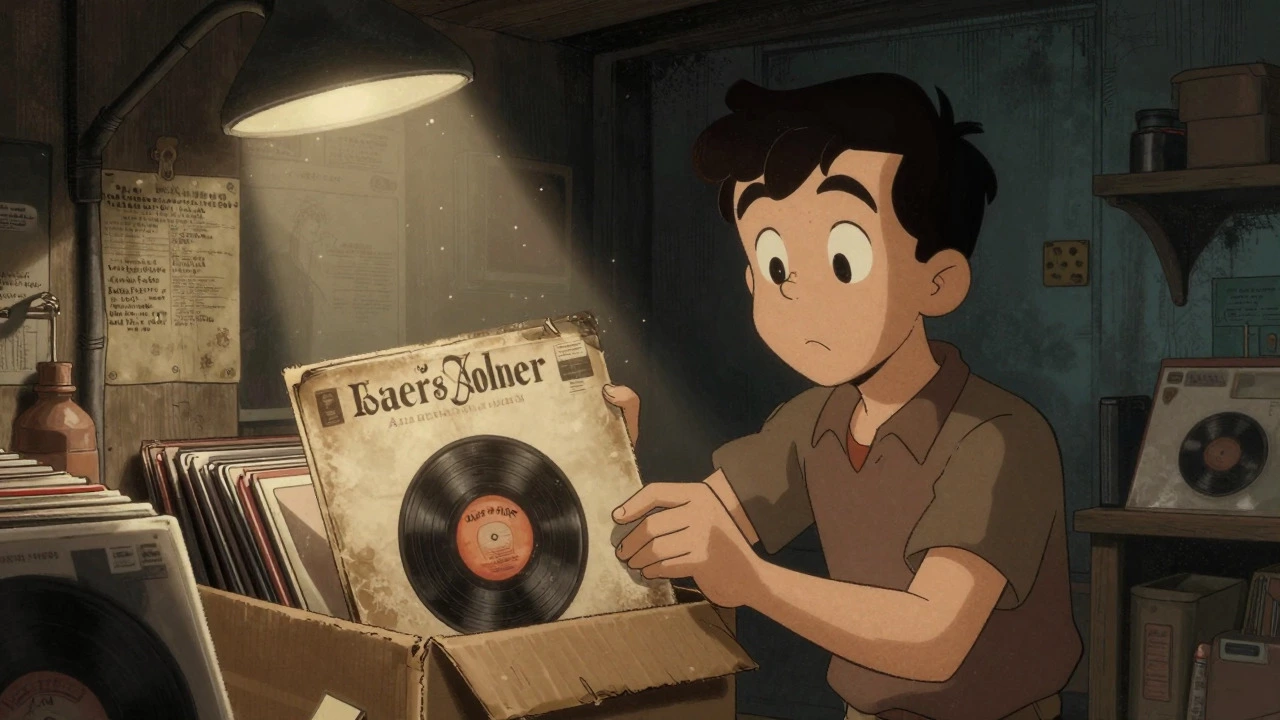

There is a specific kind of thrill that comes from pulling a dusty, unmarked sleeve out of a cardboard box in the back corner of a thrift store. You flip it over, squint at the label, and realize you might just be holding a piece of musical history worth hundreds-or even thousands-of dollars. This isn’t just shopping; it’s crate digging, the foundational practice behind the global culture of collecting rare funk vinyl.
Funk vinyl collecting is more than hoarding plastic discs. It is an active hunt for obscure rhythms, limited-run pressings, and cultural artifacts from the late 1960s through the early 1980s. Whether you are a DJ looking for the perfect breakbeat or a collector chasing the aesthetic of original sleeves, understanding this market requires knowing what makes a record valuable, where to find it, and how to preserve your finds.
What Makes a Funk Record "Rare"?
Not every funk album from the 70s is a treasure. The value in this niche lies in scarcity and provenance. Most mainstream funk releases by artists like Earth, Wind & Fire or Parliament were pressed in large quantities. These are easy to find and often sell for under $5 in bargain bins.
The real money-and the real excitement-is in the regional indie labels. Think small imprints in Texas, the Midwest, or the American South that pressed only a few hundred copies of a single. A prime example is the Eternal Flames’ "Hi Off Life" or Smithstonian’s "Just Sitting." These titles had runs of around 200 copies. Today, surviving copies number in the single digits. When a copy surfaces on the open market, it can fetch significant sums because there is simply no other source for that specific groove.
Why are regional funk labels so valuable?
Regional labels operated with tiny budgets and local distribution networks. They often pressed very few copies (sometimes fewer than 500) before going out of business. Because they lacked national promotion, these records were easily forgotten, making surviving originals extremely scarce today.
The Economics of the Funk Market
The price of a funk record depends heavily on its format, condition, and rarity. The market is tiered, and understanding these tiers helps you decide whether to buy, hold, or pass.
| Tier | Description | Price Range (USD) | Example |
|---|---|---|---|
| Budget / Common | Mainstream artists, common LPs, poor condition | $2 - $15 | Zapp, Commodores, generic 45s | Mid-Tier / Collectible | Rare grooves, good condition (VG+), desirable labels | $40 - $150 | Desco Records promo singles, obscure 70s soul |
| High-End / Ultra-Rare | Small regional pressings, mint condition, famous breaks | $300 - $2,500+ | Eternal Flames, Spitting Image "JB's Latin" |
In the mid-2000s, experts noted that rare funk 45s were selling for between $350 and $694 on eBay. By 2026, the top end of the market has expanded further. Verified sales of vintage 45s on small labels regularly hit the $1,000 to $4,000 range. For instance, The Family Sound Band’s "Gotta Git Down" was listed for nearly $2,500 by specialist dealers. Meanwhile, common near-mint copies of less rare titles still trade for $4 to $20, keeping the entry barrier low for new collectors.
Crate Digging: The Art of the Hunt
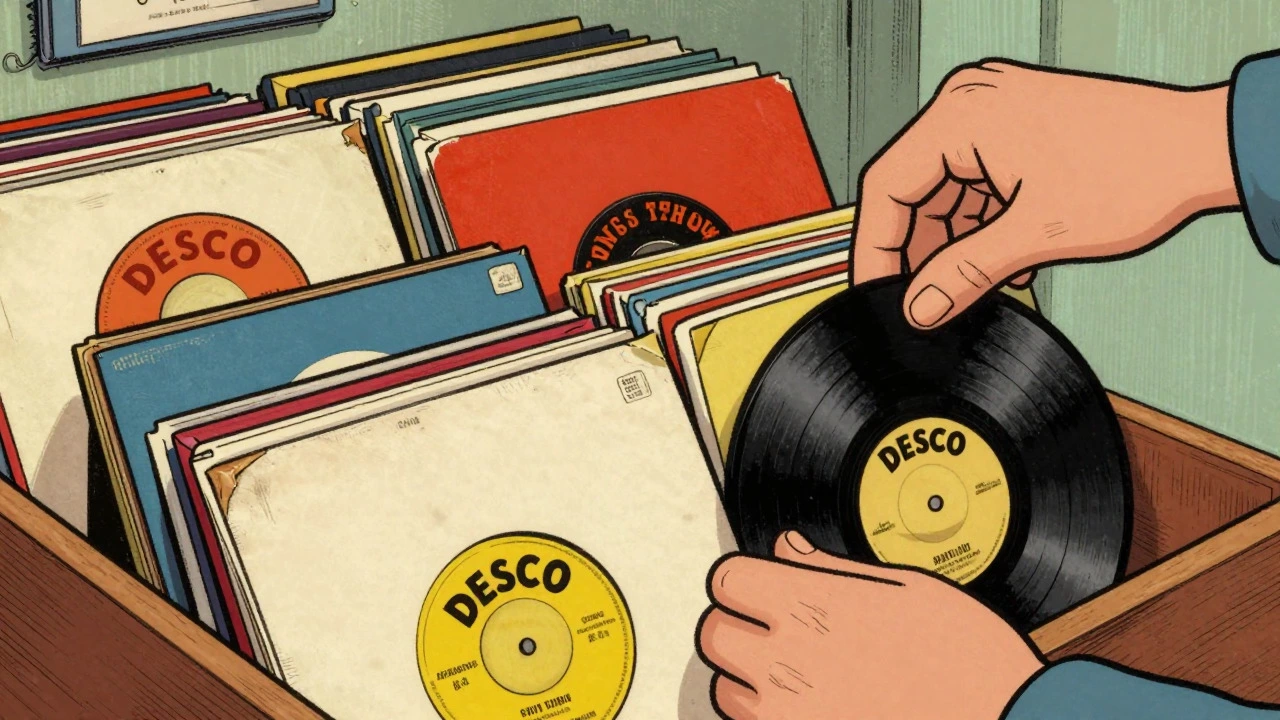
Crate digging is the practice of searching through boxes of used vinyl to find rare or undervalued records. Originating in hip-hop circles in the 1970s and 80s, it was pioneered by DJs like Kool Herc and Grandmaster Flash who needed unique breakbeats for their sets. Today, it remains the primary method for discovering genuine rarities.
Digital streaming has made listening easy, but it hasn't killed the hunt. In fact, the tactile nature of flipping through sleeves adds a layer of engagement that algorithms can't replicate. As UK DJ Keb Darge noted, the goal is to skip big, recognizable labels and focus on unrecognizable independents. That is where the "mountains" of hidden gems lie.
Here is how successful diggers approach the process:
- Target the Right Locations: Avoid trendy "hipster" shops where prices are already inflated. Instead, look for stores catering to older demographics, particularly those with strong jazz, R&B, and gospel sections. Thrift stores, estate sales, and flea markets in areas with historic Black communities often yield the best results.
- Learn Label Logos: You don't need to know every song, but you should recognize key labels. Imprints like Desco, Stones Throw, Jazzman, and smaller regional tags (like Fordom or Masai) are red flags for potential value.
- Check the Matrix Runout: The etched code in the dead wax (the space between the last track and the label) can reveal pressing plants and dates. Original pressings often have hand-stamped numbers, while later reissues have molded stamps.
- Use Your Phone Wisely: If a record looks promising, take a photo of the barcode or catalog number and check Discogs or eBay instantly. But beware: online prices reflect what people *want* to pay, not always what they *have* paid. Use multiple sources to verify true market value.
Preservation and Playback
Finding the record is only half the battle. Funk vinyl is old, and many copies have been played to death by DJs. Condition is everything. A scratched groove ruins the bassline, which is the heart of funk.
When handling records, touch only the edges and the center label. Oils from your skin can degrade the vinyl over time. Store them vertically in inner sleeves-preferably anti-static rice paper ones-to prevent warping and ring wear. If you are serious about playback, invest in a decent turntable with a clean cartridge. Cheap needles act like sandpaper on rare grooves, permanently damaging the audio quality.
The Role of Reissues and Compilations
You don't always need to hunt for the original. Labels like Numero Group, Ace Records, and Jazzman have spent decades archiving rare funk. Their compilations, such as "Super Funk Is Back" or Quantic’s "World’s Rarest Funk 45s," serve two purposes:
- Discovery: They introduce obscure tracks to a wider audience.
- Validation: When a compilation highlights a specific track, the value of the original pressing often spikes. Collectors rush to find the "real" thing, driving up prices on the secondary market.
For beginners, buying these high-quality reissues is a great way to build a collection without spending thousands. However, purists argue that the warmth and texture of an original analog pressing cannot be fully replicated digitally.
Is Crate Digging Still Worth It in 2026?
Some veteran diggers argue that the golden age of cheap finds is over. With global internet access, information asymmetry-the gap between what a seller knows and what a buyer knows-has narrowed. It is harder to find a $1 record that sells for $500 when everyone has a smartphone.
However, the culture persists. Events like Manila’s Kagatan record fair draw international collectors, proving that the physical hunt still holds allure. Moreover, new stock constantly enters the market through estate liquidations and forgotten attics. While the easiest picks are gone, dedicated diggers who travel to remote locations or build relationships with local sellers still score incredible deals.
The future of funk vinyl collecting lies in balancing digital research with physical exploration. Use the internet to learn, but use your feet to find. The next rare gem might be sitting in a dollar bin, waiting for someone who knows what to look for.
Where should I start if I want to collect funk vinyl?
Start with mainstream funk LPs by artists like Sly & The Family Stone or The Time. These are affordable (often under $5) and help you train your ear for the genre. Simultaneously, study label logos and catalog numbers of rare indie imprints to prepare for finding higher-value items.
What is the difference between a 45 rpm and an LP?
A 45 rpm is a 7-inch single designed for faster rotation, typically containing one or two songs. An LP (Long Play) is a 12-inch album that plays at 33 1/3 rpm. In funk collecting, 45s are often rarer and more valuable due to lower initial pressings and higher wear from DJ use.
How do I grade the condition of a vinyl record?
Common grades include Mint (M/NM), Near Mint (NM), Very Good Plus (VG+), Very Good (VG), and Good (G). VG means noticeable wear that may affect sound slightly; NM means virtually flawless. Always listen to the record if possible, as visual inspection doesn't reveal all surface noise issues.
Are reissue records worth collecting?
Yes, especially for budget-conscious collectors. High-quality reissues from labels like Numero Group offer excellent sound and packaging. However, they rarely appreciate in value like original pressings, which are finite resources.
What tools do I need for crate digging?
Essential tools include a smartphone with apps like Discogs for price checking, a portable record player or headphones with adapters for testing plays (if allowed), and protective sleeves for transporting finds. Knowledge of key funk producers and labels is your most important tool.


