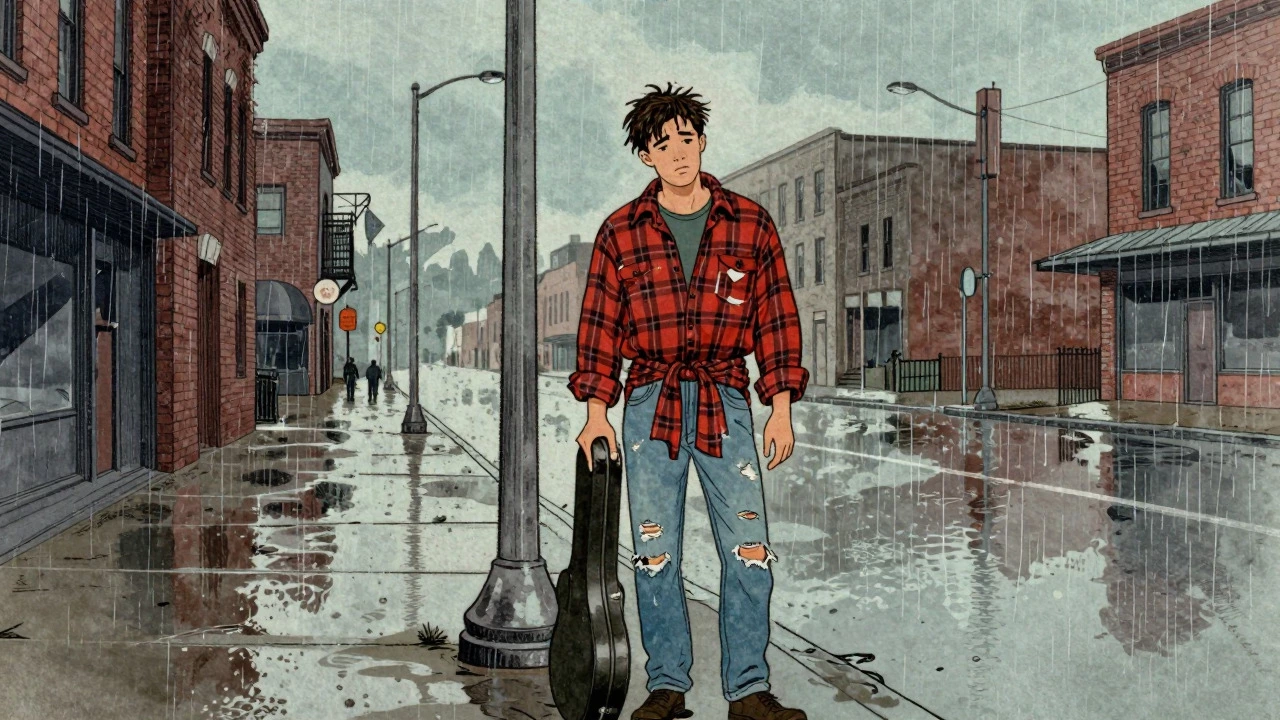

Think about the last time you bought a pair of ripped jeans or an oversized flannel shirt. You probably paid full price at a trendy boutique, admiring the "distressed" look as if it were a deliberate artistic choice. Now imagine buying those same items for five dollars at a thrift store because your bank account was empty and you had just finished a shift stocking shelves. That gap between the two experiences is the entire story of grunge fashion.
When we look back at the early 1990s, it’s easy to romanticize the messy hair and combat boots as a cool rebellion. But the truth is much grittier. The aesthetic didn’t start on a runway in Paris or New York. It started in damp basements in Seattle, Washington, where musicians and fans were trying to survive economically while rejecting the flashy, expensive culture of the previous decade. This wasn't just a style; it was a visual scream of frustration from a generation that felt left behind.
Born in the Pacific Northwest: The Seattle Context
To understand why this look emerged, you have to look at the environment. In the mid-1980s, Seattle was not the tech hub it is today. It was a rainy, industrial city with a struggling economy. Young people there, particularly those involved in the underground rock scene, had very little money. They couldn’t afford the leather jackets and big hair of glam metal, nor could they buy into the power suits of corporate America.
Instead, they turned to what was available. The Pacific Northwest has a strong tradition of outdoor workwear. Thick cotton flannel shirts were designed to keep loggers and construction workers warm in cold weather. Hiking boots were meant for rough terrain. These items were durable, cheap, and functional. Bands like Mudhoney, Soundgarden, and early Nirvana wore these clothes because they made sense for their lives. They practiced in garages, played in small clubs, and lived paycheck to paycheck. Their wardrobe reflected their reality: practical, worn-out, and unpretentious.
| Feature | Glam Metal (1980s) | Grunge (Early 1990s) |
|---|---|---|
| Primary Goal | Spectacle and Status | Comfort and Authenticity |
| Key Materials | Leather, Spandex, Silk | Cotton Flannel, Denim, Wool Knits |
| Silhouette | Tight, Form-fitting | Oversized, Baggy, Layered |
| Source | New Designer Stores | Thrift Shops, Hand-me-downs |
| Attitude | Confident, Aggressive | Apathetic, Disillusioned |
The Core Elements of the Look
If you want to visualize the original grunge style, forget the polished magazine photos. Think of someone who rolled out of bed and grabbed whatever was clean enough to wear. The core components were simple and repetitive.
- Flannel Shirts: Usually plaid, often tied around the waist or worn open over a t-shirt. Brands like Pendleton were common, but mostly because they were sold at thrift stores.
- Ripped Jeans: Stonewashed denim that was frayed at the hem. The rips weren’t laser-cut by machines; they happened naturally from wear and tear.
- Combat Boots: Doc Martens were the standard. They were heavy, uncomfortable at first, but lasted forever. Unlaced boots added to the sloppy vibe.
- Oversized Knitwear: Striped sweaters and cardigans that swallowed the wearer whole. These were often hand-knit gifts from relatives or second-hand finds.
- Band T-Shirts: Faded graphics of local bands. Wearing a shirt for a band you actually saw play locally was a badge of honor, unlike buying generic merchandise today.
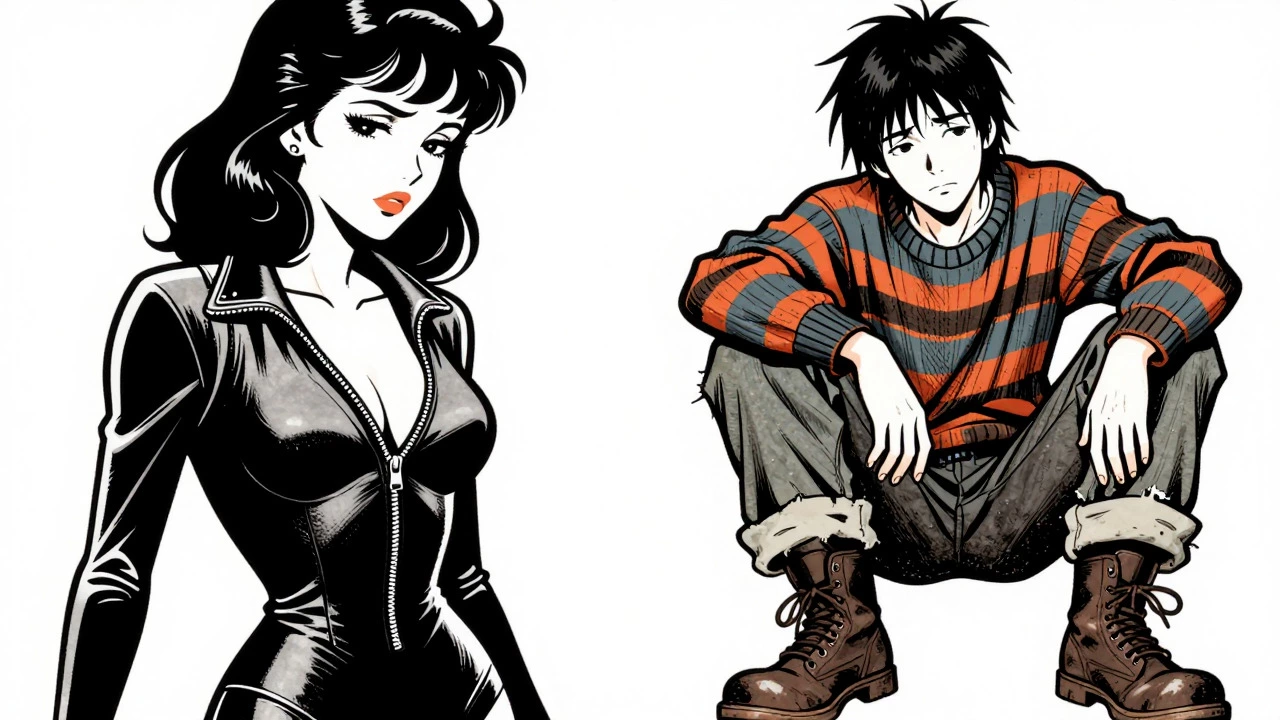
For women, the style took on additional layers of complexity. While men stuck to the workwear uniform, women mixed these elements with feminine pieces. Courtney Love, the lead singer of Hole, popularized a look that combined babydoll dresses with chunky boots and heavy eyeliner. This mix of delicate fabrics with rugged footwear created a jarring contrast that challenged traditional ideas of femininity. It was sexy, but in a raw, unpolished way that rejected the perfection of supermodels.
Anti-Fashion as a Political Statement
Here is the crucial part that gets lost when fast-fashion brands sell "grunge-inspired" collections: the style was inherently political. It was an act of resistance against consumerism. In the 1980s, wealth was displayed openly. People wore logos, drove expensive cars, and cared deeply about appearances. The youth of the early 90s, often referred to as Generation X, watched their parents’ economic struggles and felt cynical about the promise of success.
By wearing clothes that looked poor, they were making a statement. They were saying, "I don’t care about your status symbols." This is known as "anti-fashion." It wasn’t about looking good; it was about looking real. The more distressed the fabric, the more authentic the person seemed. A pristine flannel shirt might even be viewed with suspicion-was it new? Did you buy it at a mall? That would make you less credible in the subculture.
This mindset extended to how the clothes were maintained. People didn’t iron their shirts. They didn’t match their socks. The disheveled appearance was intentional. It signaled that the wearer was too busy living-or perhaps too depressed to care-to engage in the performative aspects of grooming that society expected.
The Mainstream Takeover and Commodification
Nothing lasts forever, especially when it catches the attention of the fashion industry. By 1991, Nirvana’s album Nevermind had exploded onto the global stage. Suddenly, millions of teenagers wanted to look like Kurt Cobain. The problem was that most of them didn’t live in Seattle, and they didn’t have access to the same thrift stores. They went to department stores instead.
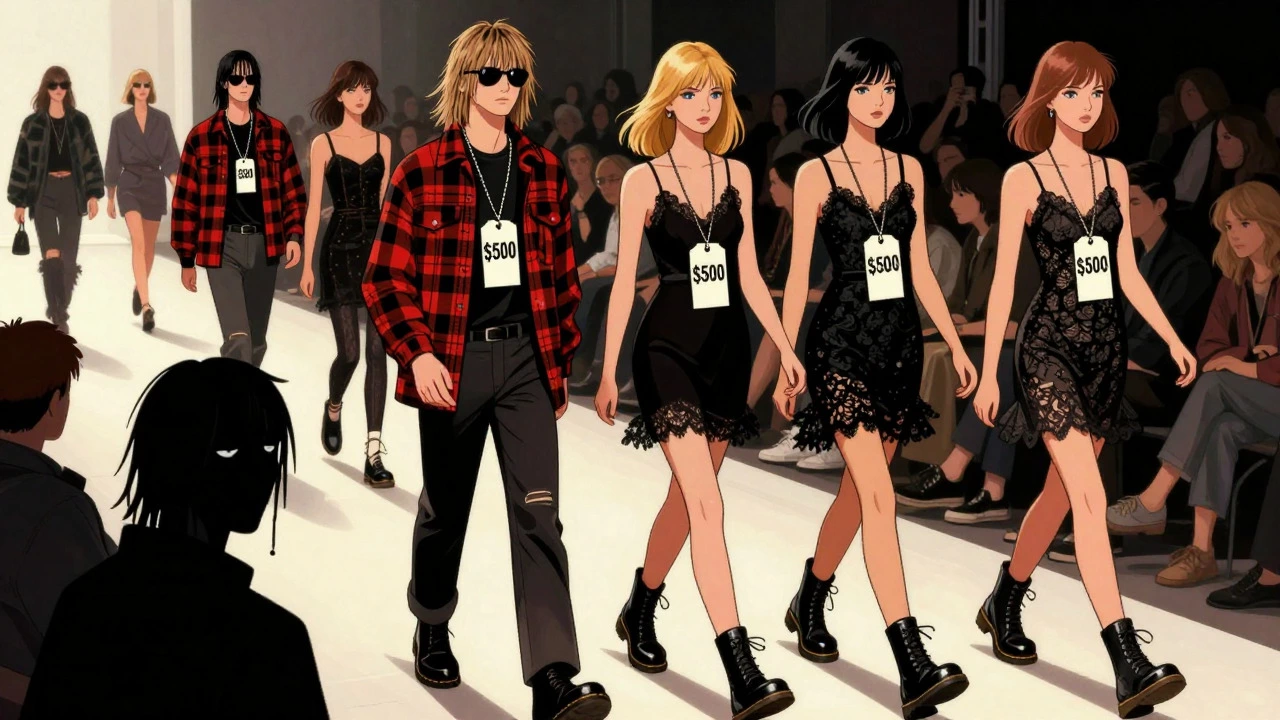
Fashion designers saw an opportunity. In 1992, Calvin Klein introduced slip dresses and minimalist layering that echoed the grunge silhouette. Then, in Spring/Summer 1993, designer Marc Jacobs presented a collection for Perry Ellis that was explicitly grunge. He used tartan flannel, lace slips, and slouchy proportions. The media called it "grunge," and the public loved it. But here’s the irony: Jacobs charged hundreds of dollars for items that originally cost pennies.
This marked the death of grunge as a genuine subcultural movement. Once the style became expensive, it lost its meaning. If you had to spend $500 on a flannel shirt to fit in, you weren’t rebelling against consumerism-you were participating in it. The working-class roots were stripped away, leaving only the aesthetic shell. Major retailers began selling pre-ripped jeans and factory-distressed flannels. The "authenticity" was manufactured, not earned.
Why Grunge Still Matters Today
So, why do we still talk about grunge twenty-five years later? Because the tension it represented is still relevant. We live in an age of curated social media profiles, where everyone looks perfect and wealthy. Grunge reminds us of the value of imperfection. It champions comfort over conformity and individuality over brand loyalty.
Modern revivals of the style often miss the point by focusing solely on the visuals. True grunge isn’t just about wearing plaid; it’s about the attitude behind it. It’s about choosing quality, durable items that tell a story rather than chasing fleeting trends. It’s about acknowledging that life is messy and that there’s beauty in that messiness.
When you see someone wearing vintage Doc Martens or a faded band tee today, ask yourself: are they wearing it because it’s trendy, or because it feels right? The answer determines whether they’re carrying on the legacy of the Seattle underground or just following another costume party. The real story of grunge isn’t about the clothes themselves-it’s about the people who wore them to survive, to protest, and to be heard.
What is the difference between grunge and hip-hop fashion in the 90s?
While both styles rejected mainstream norms, they did so differently. Hip-hop fashion often embraced bold logos, sportswear, and visible displays of success (like gold chains), celebrating achievement and community pride. Grunge fashion, conversely, avoided logos, favored muted colors, and emphasized a lack of effort. Hip-hop was loud and confident; grunge was quiet and apathetic.
Who is considered the father of grunge fashion?
There is no single "father" because the style evolved organically. However, Kurt Cobain is the most recognizable figure associated with the look. His personal style-flannel, ripped jeans, and Converse sneakers-became the blueprint for the mainstream interpretation of grunge after Nirvana's success.
Was grunge fashion exclusive to men?
No. Women played a huge role in shaping the aesthetic. Figures like Courtney Love and Kathleen Hanna (of Bikini Kill) blended masculine workwear with feminine garments like slip dresses and skirts. This gender-bending approach was a key part of the movement's challenge to traditional norms.
Why did Marc Jacobs get fired after his grunge collection?
Marc Jacobs was fired from Perry Ellis shortly after his 1993 grunge collection. The executive team felt the style was too unconventional and feared it would alienate their core customer base. Ironically, the collection is now celebrated as one of the most influential moments in fashion history, proving that executives often misunderstand cultural shifts.
How can I achieve an authentic grunge look today?
Focus on thrift stores and vintage shops. Look for natural distressing rather than artificial rips. Prioritize comfort and layering. Avoid brand-new, high-priced "designer" grunge items. The goal is to look like you’ve lived in your clothes, not like you bought them for a costume.


