
The Power of Heavy Rotation
Success in the 90s came down to one phrase: "heavy rotation." This meant your video was played multiple times a day, ensuring that every teenager with a cable subscription saw your face and heard your song. Because MTV dominated the attention of affluent youth, especially in smaller American towns where other entertainment was scarce, airplay acted as a massive amplifier. It could take a regional act and turn them into a household name overnight.
This system created a strange paradox. While the network had a mass audience, the decision-making power was concentrated in the hands of a few music programmers. Their criteria weren't public, but their impact was absolute. For artists, getting into the rotation was like winning a lottery ticket. It didn't just increase record sales; it provided a level of cultural legitimacy that no amount of traditional advertising could buy. If you were on MTV, you were officially "relevant."
When Image Became the Product
Before the 90s, music was primarily an auditory experience. MTV changed that by elevating an artist's image to the same level of importance as their sound. To succeed, you didn't just need a hit single; you needed a visual identity that popped on screen. This shift turned the music video into a critical marketing asset. Madonna and Michael Jackson mastered this art, creating cinematic experiences that forced viewers to tune in. The 14-minute "Thriller" video proved that a song could be a global phenomenon if the visual storytelling was strong enough.
This focus on visuals meant that artists who lacked a "look" or the budget for high-end production were at a severe disadvantage. The cost of these videos became a barrier to entry, though it was still often more affordable than the expensive independent radio promotion campaigns used by major labels to rig the Billboard charts. Essentially, the music industry stopped selling just songs and started selling personas.
The 1991 Pivot: From Pop to Grunge
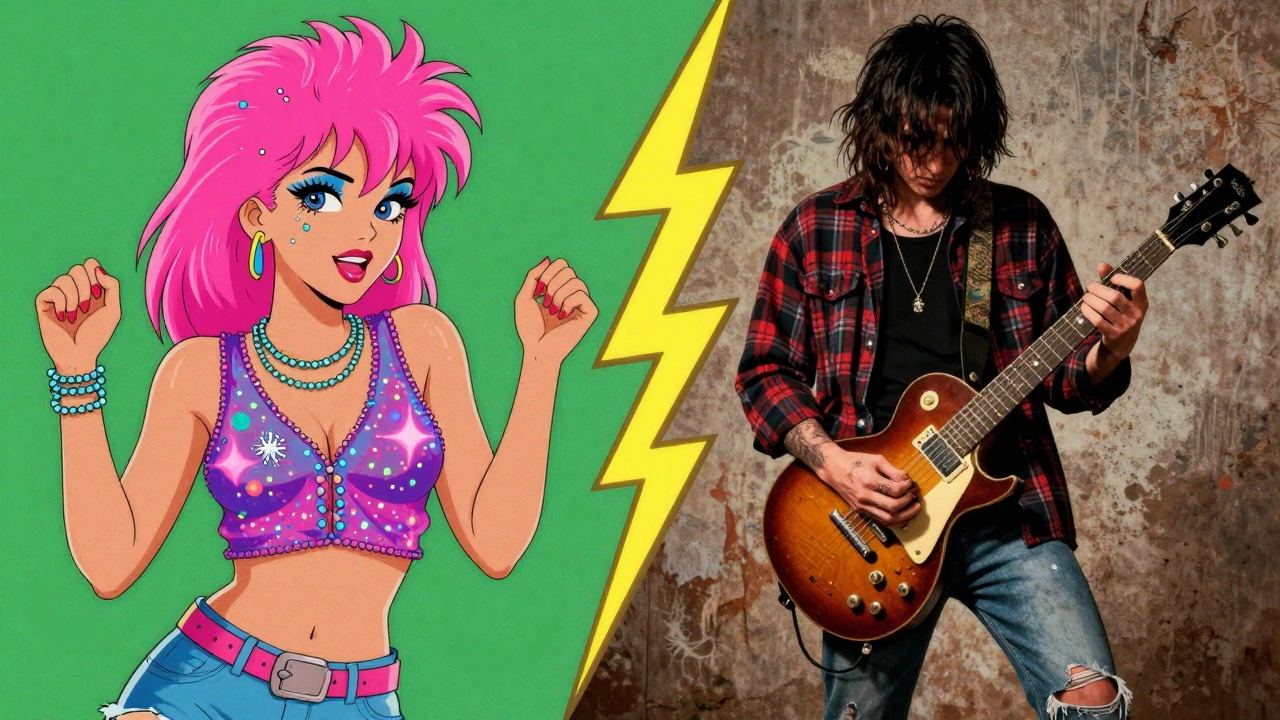
Nothing illustrates MTV's power better than the sudden arrival of grunge. In 1991, the network began playing the video for "Smells Like Teen Spirit" by Nirvana. Almost instantly, the musical landscape of America shifted. The polished, synth-heavy pop of the 80s was replaced by distorted guitars and flannel shirts. This wasn't a slow evolution; it was a rewiring of youth taste triggered by a programming decision.
Because MTV had such a grip on the youth demographic, they could effectively "kill" a genre by simply stopping its rotation. As alternative rock took over the airwaves, artists in previously dominant genres saw their commercial viability collapse. The network's ability to pivot meant that an entire subculture could be mainstreamed in a matter of weeks, proving that the programmers held the keys to the kingdom.
| Era | Dominant Sound | Visual Strategy | Key Impact |
|---|---|---|---|
| Early 80s | New Wave / Synth-Pop | Stylized, Experimental | Brought UK bands to US shores |
| Mid-Late 80s | Pop Superstars / Early Hip-Hop | Cinematic / High Budget | Broke racial barriers in playlists |
| Early 90s | Grunge / Alt-Rock | Raw, Authentic, Low-fi | Shifted entire industry to Alternative |
Breaking the Racial Barrier
It wasn't always a meritocracy. In its early years, MTV faced heavy criticism for ignoring Black artists. The network was essentially a white-only club until pressure from CBS forced them to air Michael Jackson's "Thriller." This was a turning point. Once the door was open, Prince surged through, with "Little Red Corvette" blowing the minds of teenagers across the country. By the late 80s and early 90s, the network began integrating Hip-Hop into its core programming.
This shift did more than just help individual artists; it educated a massive, diverse audience. People who had never heard rap music were suddenly exposed to it because it was on their screens. This democratized the discovery of Black music in a way that traditional radio, which was often segregated by format, had failed to do. However, the gatekeeping remained: if the MTV programmers decided a specific style of Hip-Hop wasn't "visual" enough, that artist remained in the underground.
The Global Reach and the European Pipeline
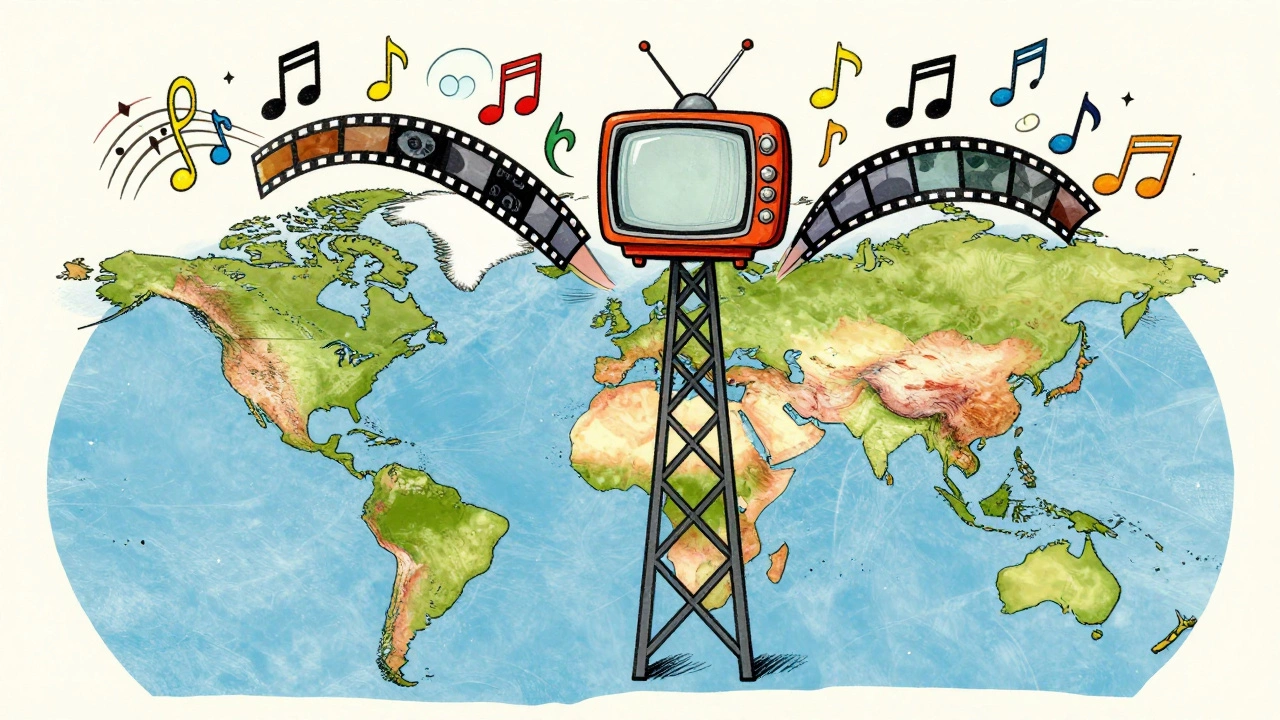
The influence didn't stop at the US border. MTV Europe, launched in 1987, became a crucial bridge for experimental artists. For American teens, this was the only way to discover left-field pop and electronic acts. Artists like Bjork, Aphex Twin, and The Prodigy gained a foothold in the US specifically because their videos crossed the ocean via the MTV network. Without this pipeline, these artists likely would have remained niche European curiosities.
This global reach turned the US and British record industries into a combined powerhouse of international dominance. Record labels realized that a single high-quality video could be exported globally, creating a scalable model for stardom. If you could conquer the MTV rotation, you could conquer the world.
The End of the Monolith
By the late 90s, the grip of the "single network" began to slip. The rise of internet distribution and the early days of digital file sharing started to shift power away from the programmers and back toward the listeners. The gatekeeping mechanism wasn't destroyed overnight, but it was fractured. Artists no longer needed a handful of executives in New York to approve their video to find an audience.
Still, the legacy of that era remains. The 90s proved that music is not just something we hear, but something we see. The concept of the "music video" as a standalone piece of art was born from the necessity of fighting for airtime on a 24-hour cable loop. Those who survived the MTV era did so by understanding that in the eyes of the youth, the image is the message.
Why was MTV so powerful in the 90s compared to today?
In the 90s, there were very few ways for youth to discover new music. There were no streaming services or social media algorithms. MTV was the primary central hub where millions of teenagers gathered, giving the network's programmers immense power to decide who became a star by controlling which videos got "heavy rotation." Today, discovery is decentralized across platforms like TikTok, YouTube, and Spotify.
Did MTV actually make artists more successful or just more famous?
It did both. Fame on MTV translated directly into commercial success through massive spikes in album and single sales. For example, Michael Jackson's "Thriller" generated over $60 million in revenue within a year, fueled largely by the video's impact. MTV created a feedback loop where visual fame drove record sales, which in turn gave artists more budget to make even bigger videos.
How did MTV impact the Grunge movement specifically?
MTV acted as a catalyst for Grunge by giving Nirvana's "Smells Like Teen Spirit" heavy rotation in 1991. This exposed a massive youth audience to the alternative rock sound almost overnight. By promoting the raw, unpolished aesthetic of Grunge, MTV effectively ended the dominance of 80s hair metal and synth-pop, shifting the entire music industry's direction toward alternative music.
Was MTV fair to all genres of music?
No. In its early years, MTV was criticized for racial gatekeeping, largely ignoring Black artists. It took a boycott threat from CBS to force the network to air Michael Jackson. While they eventually embraced Hip-Hop in the late 80s and 90s, the network's preference for "visually compelling" acts meant that many talented artists without a strong image or high-budget videos were ignored.
What happened to artists who didn't get MTV airplay?
Artists without MTV support often struggled to break into the mainstream. They might have had recording contracts and critical acclaim, but without that visual amplifier, they were often relegated to regional or underground status. In the pre-internet era, lacking MTV rotation was a significant commercial handicap that could effectively "break" a career before it even started.


