
There is a specific crackle that happens when the needle drops on a vintage live album from the 1970s. It’s not just static; it’s the sound of a room breathing. You hear the shuffle of feet, the clink of glass, and the collective gasp before a solo kicks in. Today, we have high-definition audio and lossless streaming, yet many of us still crave that raw, imperfect energy captured on tape decades ago. Why do these concert records still matter? Because they document a moment when music was an event, not just a product.
The 1970s were the golden age of the double-LP live release. Bands didn’t just play songs; they built worlds on stage. The studio album was for perfection, but the live record was for truth. This era changed how we listen to music forever, shifting the focus from the isolated artist to the communal experience of the crowd. Let’s look at why these records hold such power today.
The Birth of the Double LP Standard
In the late 60s and early 70s, record labels realized something crucial: fans wanted more than three minutes of polished pop. They wanted the jam sessions, the extended solos, and the banter between songs. This demand led to the rise of the double album format. It was a risky move financially-pressing two discs cost more-but it paid off by creating a sense of occasion around listening.
Consider The Allman Brothers Band's At Fillmore East. Released in 1971, this album wasn't just a recording; it was a statement. The band had been touring relentlessly, and their chemistry was electric. When you listen to "Whipping Post" on this record, you aren't hearing a rehearsed studio track. You are hearing a twenty-minute endurance test where every musician is pushing each other to the edge. The tension is palpable. This set the standard for what a live record could be: a document of musical athleticism and emotional risk-taking.
This trend allowed bands to showcase skills that studio time couldn't capture. In the studio, mistakes are edited out. On stage, a wrong note might lead to a new melody. The 1970s live album embraced this unpredictability. It told the listener, "This happened once, and you are lucky to hear it." That scarcity created value that modern streaming playlists often lack.
Technical Improvisation and the Art of the Jam
One of the defining characteristics of 1970s live albums is the extended improvisation. Bands like Grateful Dead turned concerts into laboratories. They would take a song structure and dismantle it, rebuilding it with different rhythms, keys, and moods depending on the night's vibe. A live album from this era captures one specific iteration of that process.
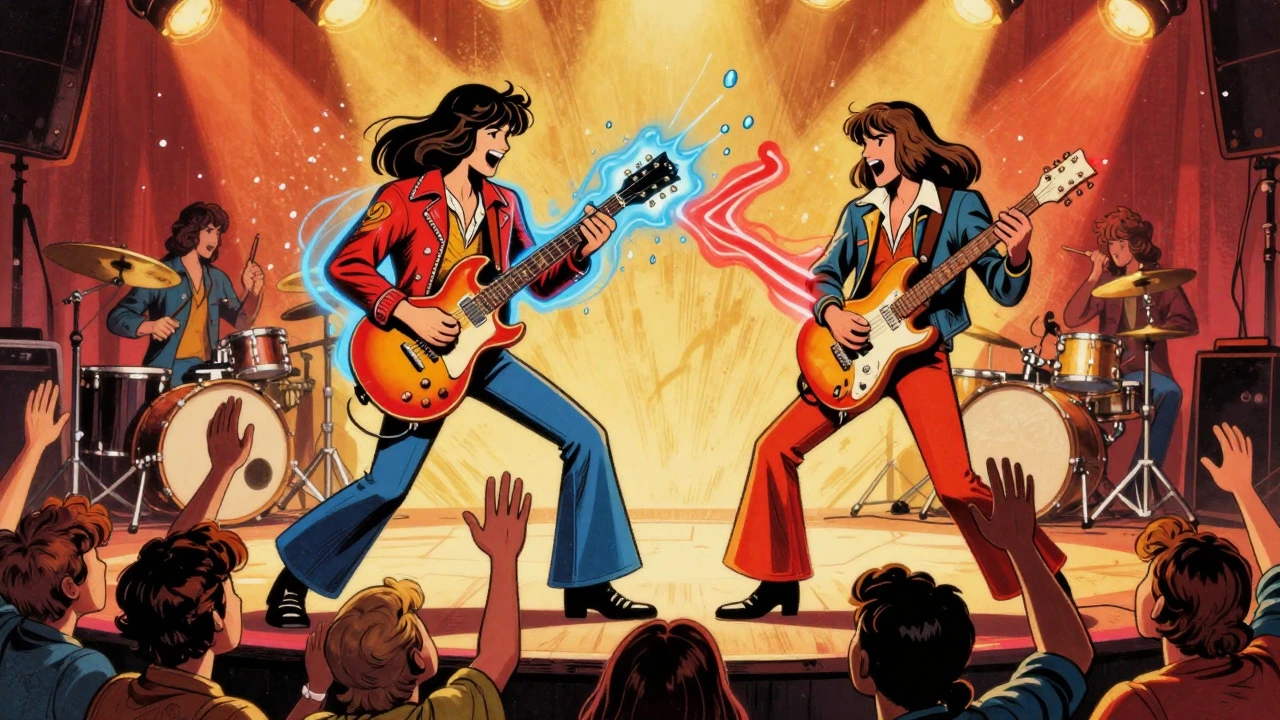
Take Thin Lizzy's Live and Dangerous, released in 1978. This album is famous for its sheer volume and energy. The dual-guitar attack of Gary Moore and Scott Gorham isn't just loud; it's intricate. The live setting allowed them to trade licks in real-time, reacting to each other's movements. In a studio, this kind of interaction can feel staged. On the live record, it feels dangerous. You can hear the sweat. This authenticity resonates with listeners who want to feel connected to the musicians' physical effort.
Furthermore, these albums highlighted the role of the rhythm section. In many 70s rock bands, the bassist and drummer were not just keeping time; they were driving the narrative. On live records, you hear the interplay between the kick drum and the bass guitar much more clearly because the mix engineers prioritized the low end to replicate the feeling of standing near the speakers. This sonic depth gives the listener a visceral experience that flat, compressed digital files often miss.
Capturing the Crowd as an Instrument
A crucial element often overlooked in modern production is the audience. In the 1970s, the crowd was treated as part of the ensemble. Record producers like Bob Ezrin or Eddie Kramer knew that silencing the crowd would kill the magic. They used microphones placed throughout the venue to capture the roar, the applause, and the singing along.
When you listen to Queen's Live Killers (1979), the audience is essential to the dynamic. During "Bohemian Rhapsody," the crowd sings the operatic sections back to the band. This creates a feedback loop of energy. The band plays harder because the crowd is engaged, and the crowd gets more excited because the band is feeding off them. This symbiotic relationship is impossible to fake in a studio. It reminds us that music is a social activity, not just a solitary consumption habit.
This approach also democratized the listening experience. By including the crowd noise, the album invited the home listener to imagine themselves in that arena. It bridged the gap between the star on stage and the fan in the cheap seats. For those who couldn't attend the tour, the live album was the next best thing-a way to participate in the cultural moment without buying a ticket.
Commercial Strategy and Fan Loyalty
From a business perspective, live albums in the 70s served a strategic purpose. They were often priced similarly to single-LP studio releases, offering consumers double the content for the same price. This made them attractive as entry points for new fans or as collector's items for die-hards. Labels marketed them as "greatest hits" packages, even though they contained unique versions of songs.
For artists, these records helped solidify fan loyalty. If a studio album flopped, a successful live record could rescue a career. It proved that the band had a dedicated following and a powerful stage presence. AC/DC's If You Want Blood You've Got It is a prime example. Despite some controversy over whether it was truly recorded live (reports suggest significant overdubbing), it captured the essence of their hard-rock image. It showed the world that AC/DC was a force to be reckoned with, paving the way for their global dominance.
This commercial strategy also encouraged bands to refine their live sets. Knowing that performances might be recorded for posterity, musicians worked harder to tighten their arrangements. They learned which songs worked best in long formats and which needed punchy edits. This professionalization of the live show elevated the entire industry, raising the bar for what audiences expected from concerts.
The Enduring Appeal in the Digital Age
So, why do these records still matter in 2026? In an era of algorithmic playlists and instant gratification, the 1970s live album offers resistance. It demands attention. You can't skip through a fifteen-minute jam session easily. You have to sit with it. This slowness is valuable. It encourages deep listening rather than background noise.
Moreover, these albums serve as historical archives. They preserve the cultural context of the 70s-the fashion, the slang, the political climate reflected in the banter. They are time capsules. For younger generations discovering these records, they provide a window into a time when music felt larger than life. The imperfections-the feedback squeals, the missed notes-humanize the legends. They remind us that these icons were people making art in real-time, under pressure.
Finally, the tactile nature of vinyl keeps these albums alive. Many collectors seek out original pressings of these live records not just for the sound, but for the artwork and the ritual of playing them. The large format of double albums allows for stunning gatefold covers that become art objects in their own right. This physical connection enhances the emotional impact of the music, creating a holistic experience that digital streams struggle to match.
| Artist | Album Title | Year | Significance |
|---|---|---|---|
| Allman Brothers Band | At Fillmore East | 1971 | Set the standard for jazz-rock fusion and extended improvisation. |
| Thin Lizzy | Live and Dangerous | 1978 | Showcased dual-guitar harmony and high-energy hard rock performance. |
| AC/DC | If You Want Blood You've Got It | 1978 | Defined the aggressive, no-frills aesthetic of Australian hard rock. |
| Queen | Live Killers | 1979 | Demonstrated the importance of audience interaction and theatricality. |
| Rush | All the World's a Stage | 1976 | Highlighted technical proficiency and progressive rock complexity. |
Conclusion: More Than Just Noise
The legacy of 1970s live albums is not just about nostalgia. It is about the preservation of spontaneity. In a world increasingly curated and controlled, these records stand as monuments to chaos and creativity. They remind us that the best moments in music often happen when things go slightly wrong, or when musicians decide to take a risk. Whether you are a vinyl collector, a casual listener, or a musician looking for inspiration, these concert records offer a masterclass in engagement, skill, and human connection. They matter because they prove that music is alive, literally and figuratively.
Why were double LP live albums so popular in the 1970s?
Double LPs offered fans twice the content for the price of a single album, providing extended tracks and bonus material. They capitalized on the desire for longer, more immersive listening experiences that studio singles couldn't provide, especially in genres like progressive rock and blues.
Did all 1970s live albums feature genuine unedited performances?
Not always. Some bands, like AC/DC, reportedly overdubbed vocals or instruments in the studio to improve sound quality. However, the core energy and arrangement remained rooted in the live performance, preserving the authenticity of the moment even if the audio was polished.
How did live albums affect a band's career trajectory?
Live albums could revive stagnant careers by showcasing a band's true strengths on stage. They built fan loyalty by offering exclusive content and proved to record labels that the act had a strong live draw, often leading to bigger tours and higher advances.
What makes the Allman Brothers' 'At Fillmore East' significant?
It is widely considered one of the greatest live albums ever made. It demonstrated the band's ability to blend blues, rock, and jazz into cohesive, lengthy improvisations. The recording captured peak musical synergy, setting a benchmark for future jam bands.
Do modern live albums compare to those from the 1970s?
While modern technology offers better clarity, 70s live albums often possess a raw, organic energy that is harder to replicate today. Modern productions can sometimes feel too clean, losing the accidental beauty and crowd interaction that defined the classic era.