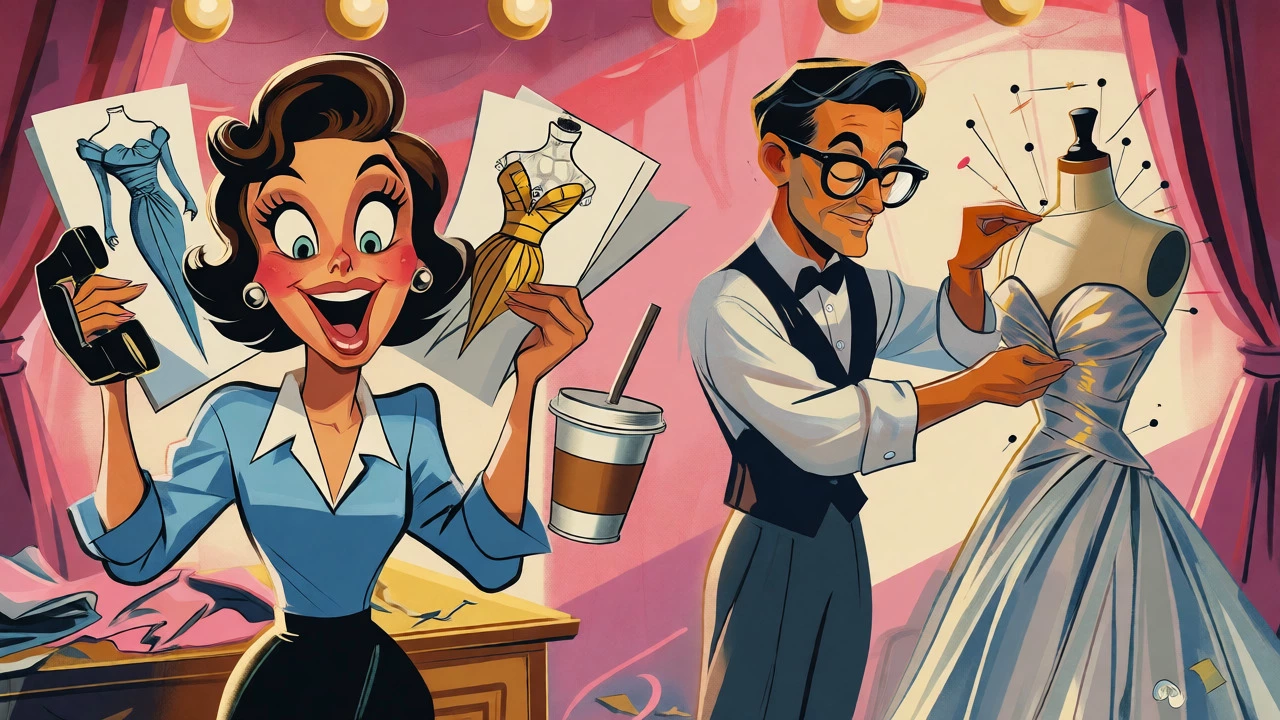

You see the photo. The lighting is perfect, the pose is iconic, and the dress looks like it was poured onto the body rather than sewn. But who actually made that happen? It wasn’t just a magic wand or a lucky find at a boutique. Behind every viral red carpet moment stands a hidden army of professionals. We’re talking about strategic stylists, obsessive tailors, and increasingly, savvy DIY creators who are reshaping what "glam" means in 2026.
Most people think getting dressed for a big event is simple: you pick something nice, maybe hire a hairdresser, and hope for the best. That’s a fairytale version of reality. In the real world of high-stakes fashion, an outfit is a logistical project managed by specialists. This ecosystem has evolved dramatically since the late 1990s, when celebrity coverage shifted from occasional magazine spreads to constant social media scrutiny. Today, the gap between a good look and a legendary one isn’t luck-it’s labor. Let’s break down the three distinct roles that build the modern glam image: the visionary stylist, the precision tailor, and the resourceful DIY creator.
The Stylist as Strategic Architect
A fashion stylist is not just someone with good taste who shops for celebrities. Think of them more like brand strategists whose medium is the human body. Their job is to curate a visual narrative that spans months or even years, not just a single night. According to industry insights from 2026, top-tier stylists operate like creative directors. They don’t just pick clothes; they manage risk, reputation, and cultural relevance.
The workflow starts way before the event. For major awards shows like the Oscars or Cannes, the process begins one to three months in advance. Stylists research the client’s public image, recent controversies, and career trajectory. Are they trying to appear approachable? Mysterious? Powerful? Then comes the outreach. Stylists contact luxury houses and PR teams to request samples. This isn’t shopping; it’s borrowing. A typical pull might involve 10 to 30 sample garments that must be tracked, insured, and returned within days.
Why does this matter? Because a stylist’s goal is often defensive as much as offensive. They want to avoid the "worst-dressed" lists while aiming for the "best-dressed" headlines. One standout look can spike search interest for a designer and sell out a collection. Conversely, a bad fit or a mismatched vibe can derail a brand’s momentum. Stylists coordinate with hair and makeup artists to ensure the whole package aligns. It’s a symphony of details, where a misplaced earring or a clashing color palette can disrupt the entire composition.
The Tailor: Precision Under Pressure
If the stylist chooses the story, the fashion tailor ensures it doesn’t fall apart. Literally. In the age of 4K cameras and high-resolution smartphone photography, flaws are unforgiving. A seam that looks fine in person might scream under flash photography. This is where specialist tailors earn their keep. They aren’t just hemming pants; they are engineering fit.
Consider Beyoncé’s Renaissance tour in London. Reports indicate her team included up to 12 tailors on standby to handle rapid costume changes and maintain perfect silhouettes during vigorous performance. These aren’t your local dry-cleaner alterations. These are bespoke artisans who work in millimeters. They adjust drape, balance weight, and reinforce stress points so a garment moves with the body without losing its shape.
Names like Martin Greenfield Clothiers in Brooklyn or Tony the Tailor (now based in Shanghai) have built reputations over decades by serving clients like Joaquin Phoenix and Sylvester Stallone. Their value proposition is simple: off-the-rack rarely fits perfectly, especially under extreme scrutiny. Personal tailors have become status symbols themselves, traveling with stars to film festivals and press tours. If a star arrives at a premiere with their own tailor in tow, it signals that perfection is non-negotiable. For athletes or performers with unique proportions, standard sizing is useless. Tailors create custom structures that accommodate muscle mass or specific movement needs, turning fabric into functional armor.
The DIY Revolution: Upcycling as High Fashion
While stylists and tailors dominate the elite sphere, a third force has emerged from the grassroots: DIY upcycling. What started as a budget hack has morphed into a respected design discipline. Since the lockdowns of 2020, platforms like TikTok and Instagram exploded with content showing how to transform thrifted finds into couture-level pieces.
This isn’t just about saving money. It’s about authenticity and sustainability. Creators like @thethriftguru or BlueprintDIY teach followers how to deconstruct vintage military jackets or reweave scrap ribbons into new textures. These projects often require dozens of hours of hand-sewing and pattern manipulation, rivaling the labor intensity of professional ateliers. The difference? The result is unique. You won’t see anyone else wearing your upcycled denim patchwork skirt.
| Role | Primary Focus | Time Investment | Cost Structure | Best Use Case |
|---|---|---|---|---|
| Stylist | Image strategy, trend alignment, brand relations | Months of planning, days of execution | Retainers + event fees | Award shows, press tours, editorial covers |
| Tailor | Precision fit, structural integrity, durability | Weeks for bespoke, hours for alterations | High hourly rate or per-garment fee | Stage costumes, red carpets, formal wear |
| DIY Creator | Creativity, sustainability, uniqueness | Hours to weeks per project | Low material cost, high time investment | Streetwear, niche events, personal branding |
How These Worlds Collide
Here’s the interesting part: these roles aren’t isolated anymore. They overlap. A stylist might source a vintage piece from a thrift store specifically because it has potential for alteration. They then hand it to a tailor to reshape the silhouette. Meanwhile, a DIY creator might post a tutorial on how to achieve a similar look at home, democratizing the technique.
Take the example of a mid-2020s red carpet trend involving structured blazers worn as dresses. A stylist identifies the trend and borrows a prototype from a designer. A tailor adjusts the length and adds internal boning for support. Simultaneously, thousands of DIY enthusiasts watch tutorials on how to replicate the structure using interfacing and lining techniques learned from YouTube channels like Cora Shircel. The glamour flows downhill, but the innovation often flows both ways. Designers now scout Instagram hashtags to spot emerging aesthetics born from upcycling communities.
However, each role has weaknesses. Stylists can be criticized for playing it safe, sticking to established luxury brands to avoid controversy. Tailors face tight deadlines and limited budgets, sometimes forced to "fix" poorly constructed garments rather than building from scratch. DIY creators struggle with durability; home equipment can’t always match industrial stitching, leading to garments that look great in photos but fail after a few wears.
Practical Tips for Building Your Own Glam Squad
You don’t need to be a celebrity to benefit from this triad of expertise. Whether you’re preparing for a wedding, a job interview, or just want to refresh your wardrobe, understanding these roles helps you allocate resources wisely.
- Hire a Stylist for Strategy: If you have a major life event coming up, consult a stylist early. Even a one-time consultation can help you define a color palette and silhouette that suits your lifestyle. They can also teach you how to shop more efficiently, preventing impulse buys that end up unworn.
- Invest in a Tailor for Fit: Never underestimate the power of a good tailor. Buying a cheaper suit or dress and having it tailored often looks better than buying an expensive item off the rack. Find a tailor who understands your body type, not just general measurements. Ask for references or check their portfolio for complex alterations.
- Try DIY for Uniqueness: Start small. Learn basic sewing skills-straight stitches and hemming. Try no-sew hacks first, like cropping t-shirts or adding patches. As your confidence grows, move to more complex projects like resizing jeans or restructuring blazers. Follow creators who show their mistakes, not just the polished final result.
The future of glam is collaborative. It’s less about passive consumption of luxury goods and more about active participation in style creation. Whether you’re paying for a bespoke service or spending your weekend upcycling an old coat, the goal remains the same: expressing identity through clothing. The tools change, but the desire to look and feel powerful stays constant.
Do I really need a stylist if I’m not a celebrity?
Not necessarily, but a stylist can save you time and money in the long run. They help you avoid costly fashion mistakes and curate a cohesive wardrobe that reflects your personal brand. Many stylists offer affordable consultation packages for non-celebrities focused on capsule wardrobes or special events.
How much does a celebrity tailor cost compared to a local alteration shop?
Celebrity tailors charge significantly more due to their expertise, speed, and ability to handle complex fabrics and constructions. While a local shop might charge $20-$50 for a hem, a specialist working with delicate silk or structured bodices might charge hundreds per garment. However, for critical events, the investment often pays off in reduced stress and guaranteed fit.
Is DIY upcycling durable enough for everyday wear?
It depends on the technique and materials used. Simple no-sew hacks may not last long, but projects reinforced with proper stitching, interfacing, and quality thread can be very durable. Learning basic construction techniques improves longevity significantly. Always test seams and stress points before relying on a DIY piece for daily use.
What skills should I learn first if I want to start DIY fashion?
Start with hand-sewing basics: running stitch, backstitch, and whip stitch. Then move to operating a sewing machine, focusing on straight lines and curves. Understanding how to finish seams (using zigzag or serging) prevents fraying. Practice on cheap thrifted fabrics before attempting valuable garments.
How do stylists get access to designer clothes?
Stylists build relationships with PR agencies and fashion houses. They borrow samples for short periods, usually 3-7 days, under strict agreements. The clothes must be returned clean and undamaged. Successful stylists develop trust with brands, gaining earlier access to collections and exclusive pieces that haven’t hit stores yet.