

Think about the last time you bought a music magazine. Maybe it was a glossy monthly featuring a deep dive into a legendary rock band or a niche indie zine from a local shop. You might think the price on the cover is where the money comes from, but for most publishers, that's just the tip of the iceberg. In reality, the magazine business model is a delicate balancing act between three moving parts: who reads it (circulation), who pays for it (subscriptions), and who wants to reach those readers (advertising). If one of these slips, the whole thing can collapse.
The Three Pillars of Magazine Revenue
Running a publication isn't just about finding a great writer or a talented photographer; it's about managing three distinct income streams that all feed into each other. If you're starting a music journal or managing an existing one, you need to understand how these interact.
Subscription Sales is a recurring revenue model where readers pay upfront for a set period of delivery. This is the gold standard for stability. Why? Because it's easier to keep a subscriber than to convince someone to buy a single issue every month. Once someone signs up, the burden is on them to unsubscribe, not on the publisher to sell a new copy. Plus, a steady list of subscribers is a powerful tool when pitching to brands-it proves you have a loyal, predictable audience.
Newsstand Sales refer to copies sold in places like airports, bookstores, or convenience stores. While these rarely make a magazine profitable on their own, they serve as a critical "discovery" phase. A casual reader picks up an issue at the airport, loves the coverage of a new album, and then converts into a long-term subscriber. It's essentially a customer acquisition strategy.
Then there is Advertising Revenue, which is the sale of space within a publication to third-party brands. For most magazines, this is where the actual profit lives. The money from subscriptions often just covers the cost of printing and mailing; the ad checks are what allow the staff to get paid and the business to grow.
The Tug-of-War Between Ads and Circulation
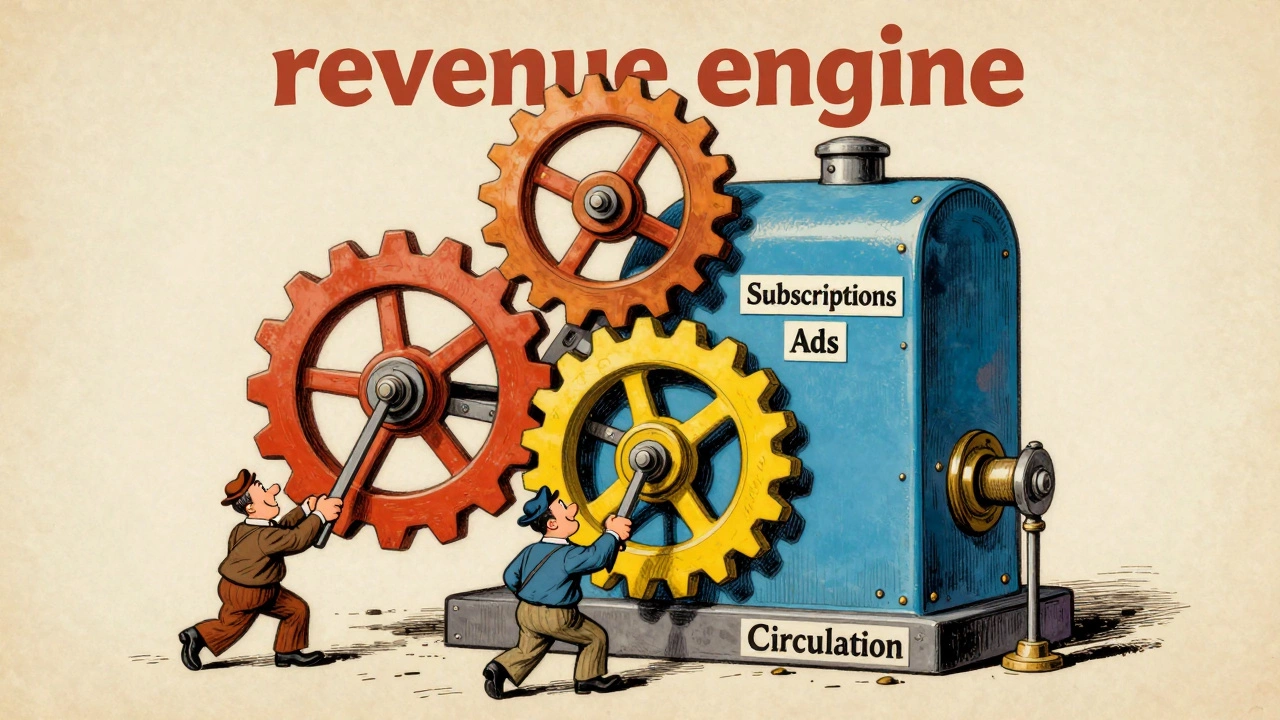
Here is the secret: your advertising strategy and your circulation strategy are not two separate departments-they are the same engine. You can't have one without the other. Advertisers don't just buy "space"; they buy access to a specific group of people. If you can prove your readers are obsessed with vinyl records and high-end audio gear, a luxury turntable brand will pay a premium to be in your pages.
This creates a feedback loop. To get higher ad rates, you need more readers (circulation). To get more readers, you often need to spend money on marketing or offer discounted subscriptions. To pay for those discounts, you need more ad revenue. If your circulation drops, your ad value plummets, and suddenly the business becomes unsustainable.
| Revenue Source | Primary Benefit | Main Risk | Strategic Role |
|---|---|---|---|
| Subscriptions | Predictable cash flow | High churn rate | Audience stability |
| Newsstands | Brand visibility | Low profit margins | New reader acquisition |
| Advertising | High profit potential | Market volatility | Primary profit driver |
The Role of Editorial Strategy
You might think the business side and the creative side are at odds, but the editorial content is actually the product being sold. If the writing is mediocre, people won't subscribe. If the topics are too broad, advertisers won't find the audience "curated" enough. This is what we call the acid test of editorial value: is the content good enough that a reader is willing to pay for it out of their own pocket?
For a music magazine, this means deciding between being a generalist (covering everything from Pop to Metal) or a specialist (focusing only on Jazz). Specialists can often charge more for ads because their audience is highly targeted, even if the total number of readers is smaller. This is where Advertorials come in. These are paid advertisements designed to look and feel like editorial articles. They work because they provide value to the reader while still serving the advertiser's goal.
Is Print Actually Dead?
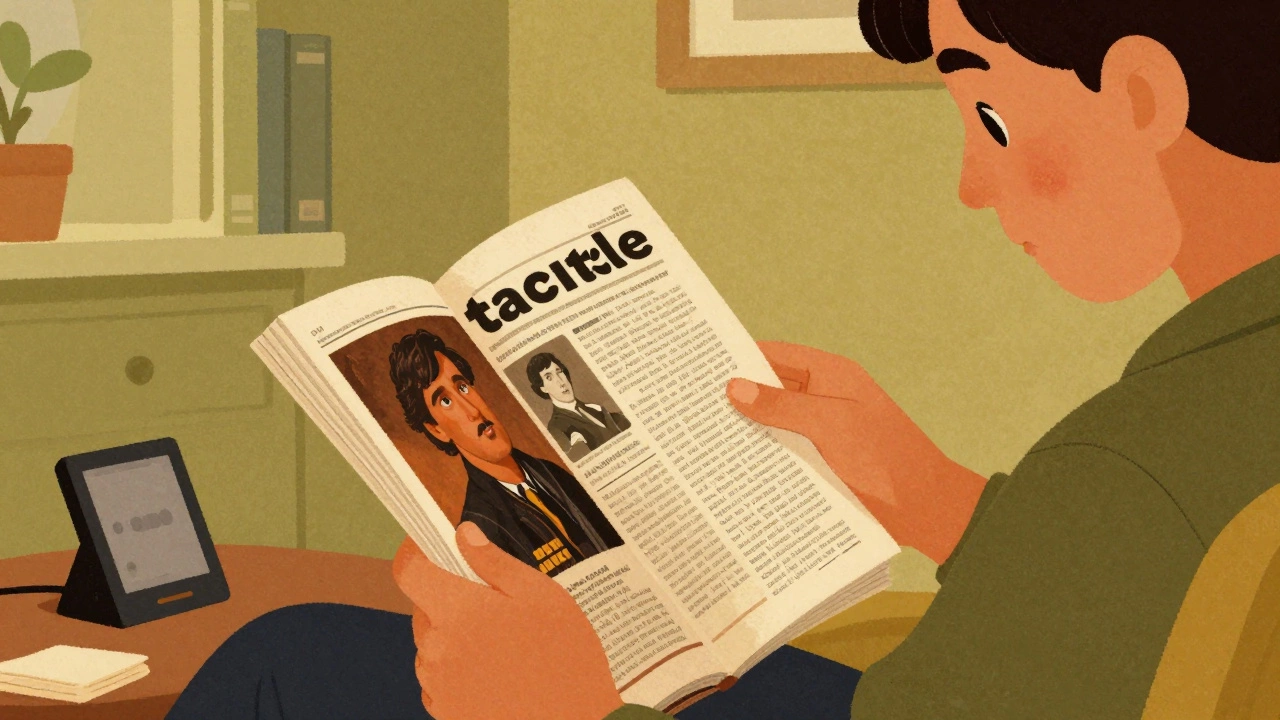
There is a common myth that the internet killed the magazine. The data tells a different story. In the U.S., readership has remained surprisingly resilient, with over 220 million people engaging with magazines. In fact, many consumers still prefer the tactile experience of a print magazine over a digital scroll. There's something about a physical object that makes a music feature feel more permanent and prestigious.
However, the advertising side is struggling. The global magazine ad market is shrinking, with projections suggesting a decline toward 2030. Why? Because brands are shifting their budgets to social media and search engines where they can track a click in real-time. This means publishers have to be smarter. They can't just rely on "reach"; they have to offer a deep, emotional connection with the reader that a Facebook ad simply can't replicate.
Avoiding the Profit Pitfalls
Many publications fail because they chase "empty numbers." They offer subscriptions for $1 a year just to tell advertisers they have 100,000 readers. But if those readers didn't pay for the magazine, they aren't truly invested. When the ad market dips, the publisher realizes they've spent a fortune acquiring a list of people who don't actually value the product.
A healthier approach is focusing on high-value circulation. It is better to have 10,000 subscribers who pay full price and deeply trust your recommendations than 100,000 who got the magazine for free. High-value readers attract high-value advertisers who are willing to pay for the trust you've built.
Why are subscriptions better than newsstand sales?
Subscriptions provide a consistent, predictable stream of income and reduce the effort needed to acquire a customer for every single issue. They also create a verified database of readers that is highly attractive to advertisers.
What is the difference between a standard ad and an advertorial?
A standard ad is a visual break in the content, like a full-page photo of a guitar. An advertorial is written as an article, providing information or a story about a product, making it feel more natural to the reader while still being paid content.
Does print still have a place in a digital world?
Yes. Many readers still prefer print for its tactile nature and lack of digital distractions. While ad revenue has shifted online, print remains a powerful medium for prestige and deep-dive storytelling.
How do circulation numbers affect ad rates?
Ad rates are typically based on the number of eyes seeing the ad (reach) and the quality of the audience (demographics). A larger, more targeted circulation allows a publisher to justify charging a premium for ad space.
What is the "acid test" of a magazine's value?
The acid test is whether the editorial content is compelling enough to convince a reader to pay for a subscription. If people won't pay for the content, the publication lacks a strong value proposition.
Next Steps for New Publishers
If you're launching a new music publication, don't start with the ads-start with the audience. Build a community around a specific niche of music. Once you have a dedicated group of people who trust your voice, the subscriptions will follow. Once the subscriptions are stable, the advertisers will be the ones knocking on your door.
If you're seeing a drop in circulation, avoid the temptation to slash subscription prices to zero. Instead, look at your editorial strategy. Are you covering things people can find in five seconds on Twitter? If so, you aren't providing value. Give your readers something they can't get anywhere else-deep interviews, rare archives, or expert analysis-and the business side will stabilize.