
The Money Behind the Melodies
Forget the bubblegum aesthetic for a second. If you look past the glitter and the choreographed dance routines of the 1990s, you'll find a ruthless, high-stakes business machine. For the women leading the pop charts, the music was often the hook, but the real wealth was built through celebrity endorsements is a marketing strategy where a famous person uses their fame to promote a product or service in exchange for compensation and entrepreneurial side-hustles. It wasn't just about selling records; it was about owning the brand.
During this decade, the industry shifted. A pop star wasn't just a singer anymore-she was a corporate entity. We saw a transition from artists simply being "the face" of a brand to artists demanding equity, creative control, and their own product lines. This era laid the groundwork for the modern "mogul" mentality we see in today's music industry. But how did they actually do it, and who played the game best?
The Blueprint of the 90s Endorsement
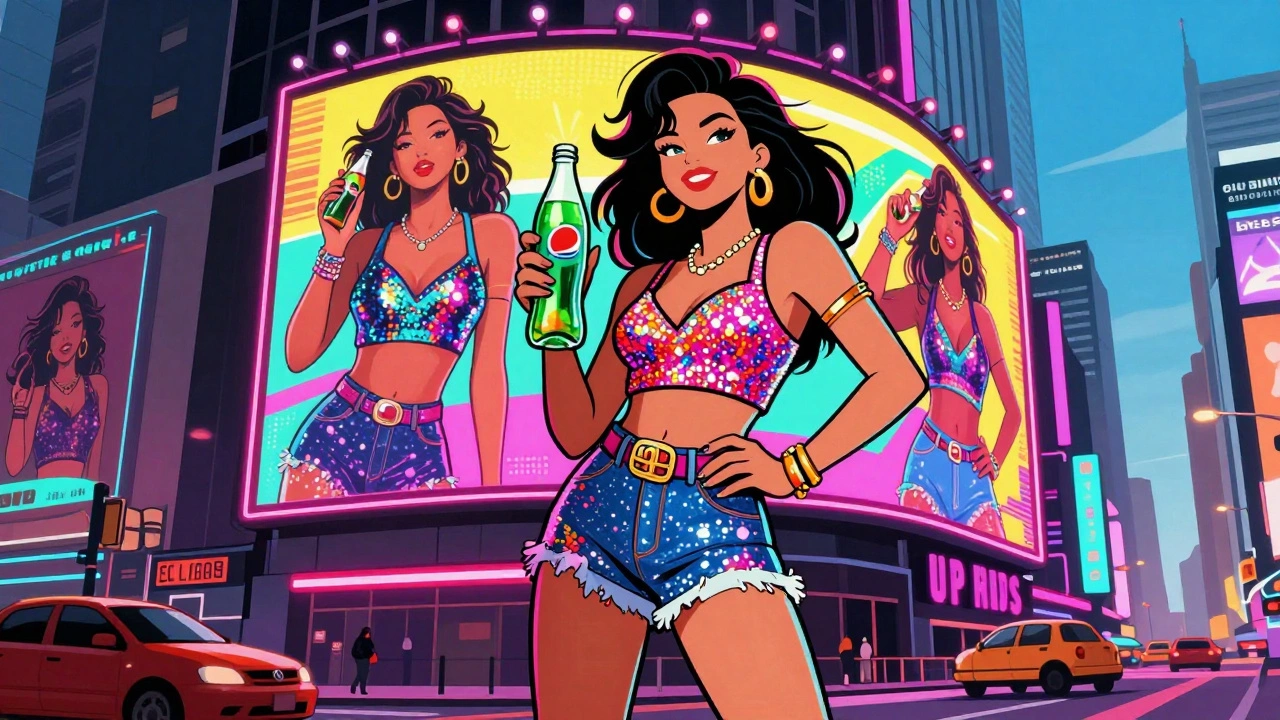
In the 90s, the goal was ubiquity. If you were a top-tier female pop star, you didn't just want to be on the radio; you wanted to be on the cereal box, the perfume bottle, and the billboard in Times Square. This was the era of the "mega-deal." Pepsi and Coca-Cola were the gold standards, spending millions to align their sugary drinks with the youth energy of pop icons. These deals weren't just checks; they were strategic partnerships that expanded an artist's reach into markets where music alone couldn't penetrate.
Take a look at the structure of these deals. Most artists started with flat-fee sponsorships. A star would get paid a specific sum to appear in a commercial. However, the smarter players began negotiating for performance-based bonuses or a percentage of sales. They realized that their influence over teenagers-who were the primary consumers of both pop music and fast fashion-was a currency more valuable than a one-time payment.
| Deal Type | Primary Goal | Typical Compensation | Risk Level |
|---|---|---|---|
| Traditional Endorsement | Brand Awareness | Fixed Fee per Campaign | Low |
| Product Licensing | Market Penetration | Royalties / % of Sales | Medium |
| Entrepreneurial Venture | Brand Ownership | Equity / Ownership | High |
From Faces to Founders: The Entrepreneurial Pivot
The real shift happened when artists stopped asking for a paycheck and started asking for a company. The mid-to-late 90s saw the rise of the celebrity brand. Fragrance lines were the first major leap. Perfume is a high-margin business with relatively low overhead if the marketing is already handled by the artist's fame. By launching a scent, a pop star could move from being an employee of a label to a business owner with an asset that appreciated over time.
Then came the fashion collaborations. Instead of just wearing a designer's dress for an award show, artists began designing their own clothing lines or partnering with mass-market retailers. This democratized the "pop star look," allowing fans to buy into the lifestyle. This wasn't just about clothes; it was about building a lifestyle ecosystem. If you liked the music, you bought the perfume, wore the clothes, and used the makeup.
This pivot required a new set of skills. These women had to navigate Venture Capital, supply chain logistics, and intellectual property law. Many of them hired aggressive business managers who treated their careers like Fortune 500 companies. They weren't just managing tours; they were managing portfolios. The risk was immense-a failed product line could damage a brand's prestige-but the reward was financial independence from the record labels.
The Power Dynamics with Record Labels
For years, record labels held all the cards. They controlled the distribution, the promotion, and often a huge chunk of the artist's earnings. However, the diversification of income through endorsements changed the leverage. When a pop star has a multi-million dollar deal with a global beauty brand, she is no longer solely dependent on the label's advance to fund her lifestyle.
This financial autonomy allowed artists to push back on creative constraints. If an artist knows she can make her living through Merchandising and corporate partnerships, she is more likely to fight for a sound or a look that the label might find "too risky." The business of endorsements essentially funded the creative rebellion of the late 90s.
However, this wasn't without friction. Some labels tried to claim a percentage of these external deals, arguing that the artist's fame (and thus their endorsement value) was a direct result of the label's investment. This led to a wave of contract renegotiations and a more sophisticated approach to "360 deals," where labels began seeking a piece of every revenue stream from the start.
The Cultural Impact of Commercialization
Did this corporate focus kill the art? Some critics at the time argued that pop music was becoming a mere commercial for products. When a music video looks like a three-minute advertisement for a specific brand of sneakers or a soda, the line between creativity and commerce blurs. But for the female artists of the 90s, this was a form of empowerment. They were reclaiming the narrative of the "pop puppet" and turning themselves into CEOs.
The 90s also saw the rise of the "Girl Power" movement, which had a distinct economic angle. It wasn't just about social liberation; it was about economic liberation. By promoting independence and strength, pop stars were effectively marketing a brand of self-reliance that translated perfectly into entrepreneurship. They weren't just selling songs; they were selling the idea that a woman could run the show-both on stage and in the boardroom.
Pitfalls and the Cost of Over-Extension
It wasn't all success stories. The rush to monetize every aspect of a celebrity's life led to some spectacular failures. Some artists signed deals with brands that didn't align with their image, leading to a perceived loss of authenticity. When a star endorses too many products, they risk becoming a "shill," and the magic of the celebrity aura begins to fade. The market can only handle so much of a person before the saturation point is reached.
There were also the logistical nightmares. Many artists entered into partnerships where they had very little control over the actual product quality. Launching a clothing line that looked great in a sketch but fell apart after one wash did more damage to their brand than any failed single ever could. The lesson learned was simple: ownership is better than an endorsement, but only if you actually control the quality of the output.
Why were 1990s pop stars so focused on endorsements?
Endorsements provided a massive, immediate cash flow that was separate from record sales. Because the 90s saw the peak of cable TV and global music video rotation, artists had a level of visibility that made them incredibly attractive to global brands looking to reach a youth demographic.
What was the most common type of business venture for female pop stars back then?
Fragrance and beauty lines were the most common because they offered high margins and leveraged the artist's image and "scent" as a luxury product. Clothing lines and accessory brands were also popular as they allowed fans to emulate the artist's style.
Did these deals help artists get more creative control?
Yes. By diversifying their income, artists became less dependent on their record labels for financial survival. This gave them the leverage to negotiate better terms and take more risks with their musical direction.
How did the 90s approach differ from today's influencer marketing?
In the 90s, endorsements were about massive, centralized campaigns with huge budgets and global reach through TV and print. Today's influencer marketing is more fragmented, data-driven, and often focuses on "micro-interactions" through social media rather than one giant global deal.
What happened to the artists who failed in entrepreneurship?
Those who launched poor-quality products often faced a backlash that labeled them as "cash-grabs." However, many used these failures as learning experiences, eventually shifting toward more sustainable, equity-based ownership models.
Next Steps for Understanding Music Business History
If you're looking to dig deeper into how music and money intersect, start by researching the evolution of 360 deals. Understanding how labels moved from just selling records to taking a cut of everything will give you a clearer picture of why the 90s entrepreneurial surge was such a disruptive force. You might also want to look into the legal battles over royalty rights from that era, which often coincided with the launch of these major business ventures.


