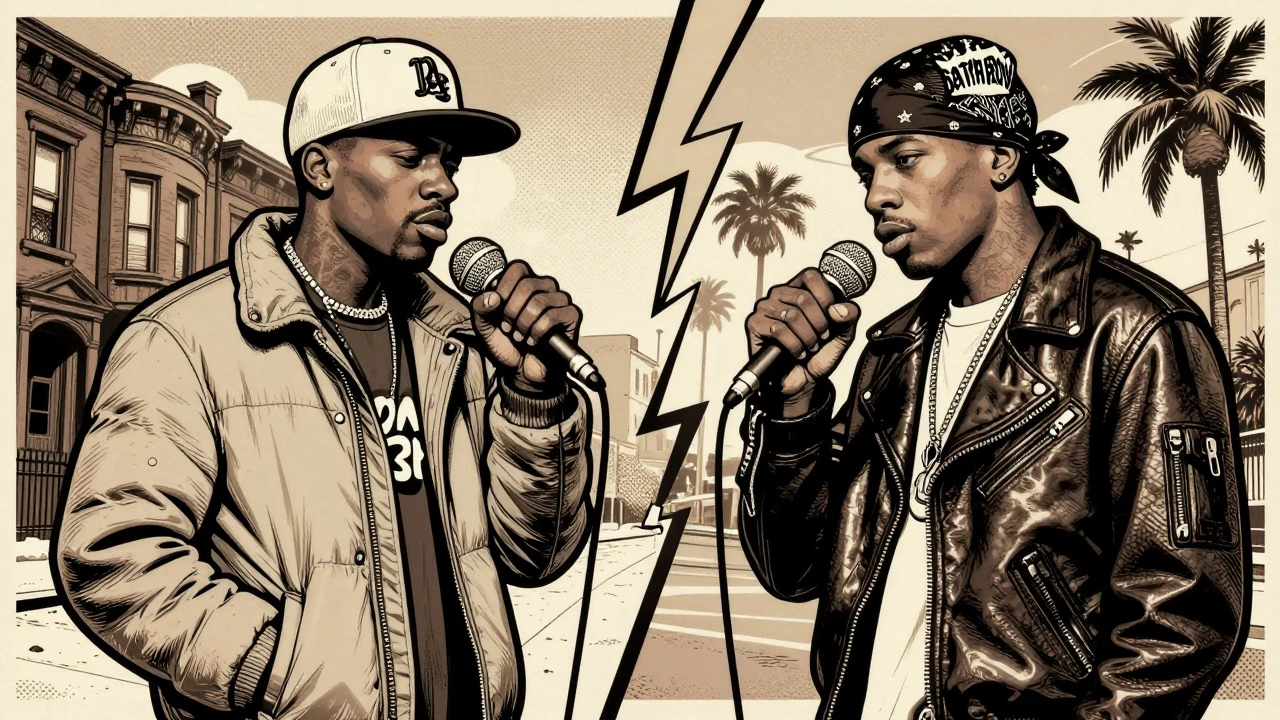

When you look back at the mid-1990s hip-hop scene, it’s easy to get lost in the drama. You hear about the diss tracks, the radio interviews, and the tragic deaths that shook the culture. But if you strip away the emotion and look at the spreadsheets, a different story emerges. The East Coast-West Coast rivalry was not just a cultural feud; it was a highly effective, albeit brutal, marketing engine.
Labels like Death Row Records and Bad Boy Records didn’t just stumble into this conflict. They leveraged it. They turned personal animosity between Tupac Shakur and The Notorious B.I.G. into a national narrative that drove multi-million-unit album sales. By 1996, rap had generated over $1 billion in annual revenue, and the "beef" was the primary catalyst for those numbers. This isn’t just history; it’s a case study in how controversy drives commerce.
The Mechanics of Commercial Rivalry
To understand why the sales spiked, you have to understand the structure of the industry at the time. Before the mid-90s, hip-hop was growing, but it wasn’t dominating the mainstream pop charts in the same way. Then came the regional split. New York represented one side, Los Angeles the other. This wasn’t accidental. It was engineered.
Suge Knight, head of Death Row, and Sean Combs (Puff Daddy), head of Bad Boy, created distinct brand identities. Death Row sold a gritty, gangsta-rap aesthetic with high-budget videos. Bad Boy sold a polished, luxury-meets-street vibe. The rivalry gave fans a team to pick. When you buy an album, you aren’t just buying music; you’re casting a vote for your coast.
Media outlets played a huge role here. Magazines like Vibe and The Source ran cover stories that amplified every slight and insult. They pressured artists to stay angry because anger sells magazines. This created a feedback loop. An artist drops a diss track, the media covers it, fans buy the album to see the response, and the chart position goes up. It was serialized content before streaming existed.
Key Flashpoints That Drove Revenue
Not every argument led to sales. Only the ones that felt real did. Here are the moments that directly impacted the bottom line:
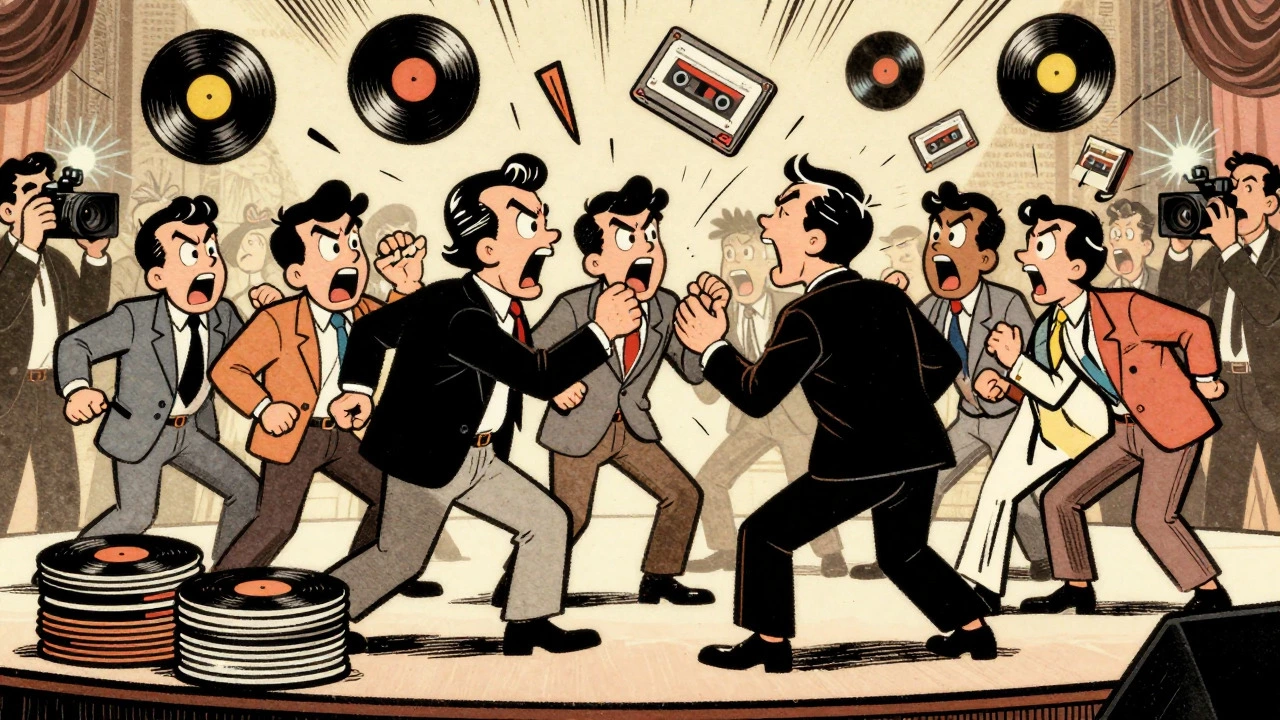
- The 1995 Source Awards: This is where the war went public. Suge Knight and his entourage confronted Bad Boy on stage. Millions watched. It transformed a backstage rumor into a national event. From that night on, every new release from either label was framed as a weapon in this war.
- Tupac’s “Hit ‘Em Up”: Released in 1996, this track is widely considered one of the most aggressive diss tracks in history. It didn’t just insult Biggie; it attacked his crew, his family, and his business partners. The shock value drove massive airplay and cassette/CD sales.
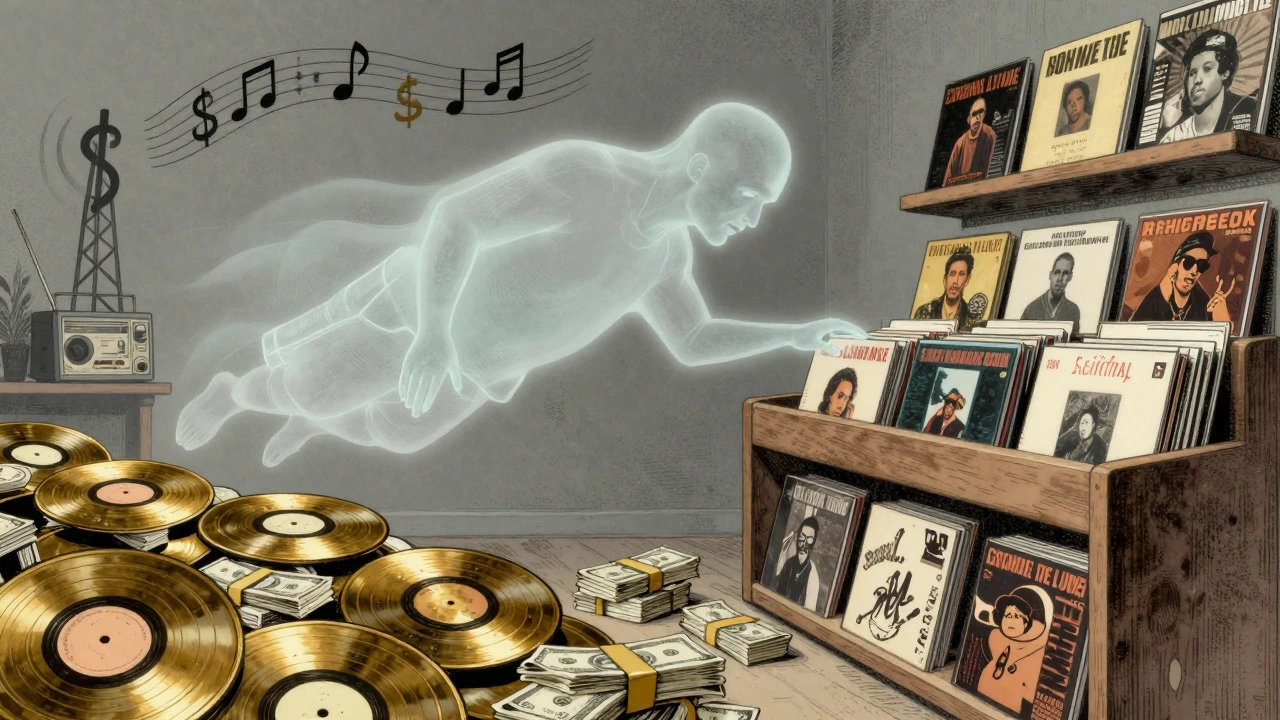
- The Murders: The deaths of Tupac in September 1996 and Biggie in March 1997 were tragedies, but commercially, they were seismic events. Posthumous albums saw immediate sales spikes. Labels capitalized on the grief and curiosity of the public.
Sales Data: Who Won the Numbers Game?
If you want to know who won the business battle, you have to look at the units moved. The data shows a tight race, with the outcome depending on whether you count total catalog or flagship albums.
| Artist | Album | U.S. Sales | Global Sales | Label |
|---|---|---|---|---|
| Tupac Shakur | All Eyez on Me | 10,000,000+ | 20,000,000+ | Death Row / Interscope |
| The Notorious B.I.G. | Ready to Die | 6,000,000 | 8,000,000 | Bad Boy / Arista |
| The Notorious B.I.G. | Life After Death | 689,000 (First Week) | N/A | Bad Boy / Arista |
Notice the difference. All Eyez on Me was a double album, which allowed Death Row to charge more and offer more content. It became one of the best-selling rap albums of all time. However, when you look at the decade as a whole, some analysts argue that Biggie’s overall catalog performance, boosted heavily by the posthumous surge of Life After Death, gave the East Coast the edge in total volume by 1999. One analysis suggests East Coast acts outsold West Coast acts by approximately 61 million records by the end of the decade.
The Role of Media Amplification
You can’t talk about the business of beef without talking about the press. In the 1990s, there was no social media. If you wanted to spread a message, you needed MTV, BET, and print magazines. These platforms had a vested interest in keeping the fight alive.
Outlets like Newsweek reported on the financial implications, noting the grim pattern where tragedy led to profit. A 1997 article highlighted how labels reaped tens of millions from posthumous releases. This wasn’t subtle. It was open secret in the industry. The media coverage provided free advertising worth millions of dollars. Every interview where an artist hinted at violence or loyalty was a promotional tool.
This narrative engineering split fans into two camps. Radio stations in New York played Bad Boy exclusively. Stations in Los Angeles pushed Death Row. This geographic segmentation meant that both sides could dominate their local markets simultaneously, creating a false sense of parity while both labels raked in national revenue.
Long-Term Impact on Hip-Hop Economics
The 1990s beef changed how the music industry views conflict. Before this era, rivalries were often ignored by corporate executives. Afterward, they were managed. Labels realized that friction generates heat, and heat generates clicks, streams, and sales.
Today, we see similar patterns. Artists use Twitter (now X) and Instagram to spark debates. Diss tracks are released strategically to coincide with award seasons or album drops. The core mechanic remains the same: create a binary choice for the consumer, make them feel invested in the outcome, and sell them the product that validates their choice.
However, the 1990s example serves as a cautionary tale. The human cost was immense. Two of the genre’s greatest talents died young. While the balance sheets looked good for Arista and Interscope in the short term, the long-term loss of creative leadership was significant. The business model worked, but it was unsustainable in its most extreme form.
Did the East Coast or West Coast win the sales war?
It depends on the metric. Tupac's All Eyez on Me outsold Biggie's Ready to Die significantly in terms of single-album units. However, by the end of the 1990s, cumulative data suggested that East Coast artists collectively outsold their West Coast counterparts by roughly 61 million records, largely due to the diversity of the NY roster and the posthumous success of Biggie's catalog.
How much money did rap generate during the peak of the beef?
According to Newsweek reports from 1996 and 1997, the rap industry generated over $1 billion in annual revenue during the height of the East Coast-West Coast rivalry. This marked a shift from hip-hop being a niche genre to a commercial powerhouse.
What was the impact of the 1995 Source Awards?
The 1995 Source Awards are widely cited as the moment the rivalry became a national media spectacle. The confrontation between Suge Knight and Bad Boy representatives on stage transformed private tensions into a public narrative, driving increased interest in subsequent releases from both camps.
Did posthumous albums really spike sales?
Yes. Following the deaths of Tupac and Biggie, their respective labels released posthumous material that saw immediate commercial success. For example, Biggie's Life After Death sold nearly 700,000 copies in its first week, demonstrating the direct link between tragedy, media attention, and unit sales.
How did media outlets contribute to the business of beef?
Magazines like The Source and Vibe, along with TV networks, amplified the conflict through cover stories and exclusive interviews. This "narrative engineering" kept the rivalry in the public eye, effectively providing free marketing for albums and singles, thereby boosting circulation and record sales.


