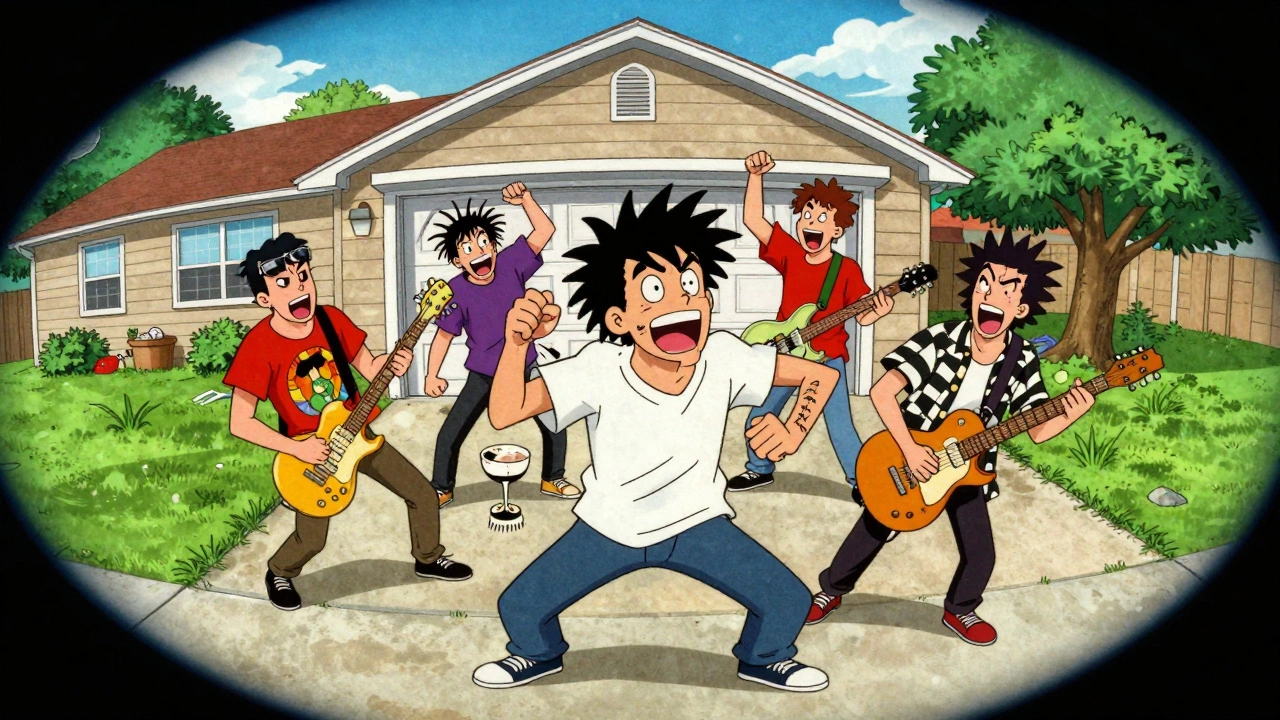

Ever wonder why 1990s music videos felt like a fever dream of shopping malls, overgrown skate parks, and absolute chaos? Before the polished era of digital editing, punk videos were the ultimate visual manifesto for kids who felt out of place. They didn't just play loud music; they used a specific kind of irreverent, often absurd humor to poke fun at authority, adulthood, and the suffocating boredom of suburbia. It wasn't just about the noise-it was about laughing in the face of everything that felt too serious.
The Visual Language of Defiance
To understand the vibe, you have to look at how these videos were shot. They relied heavily on the fish-eye lens, a wide-angle perspective that distorted reality and made everything feel manic. This wasn't a random choice. The fish-eye lens, often associated with Skateboarding, was a way to bring the street level into the living room. By distorting the image, directors captured the raw, clumsy energy of youth. It felt less like a professional production and more like a home movie on steroids.
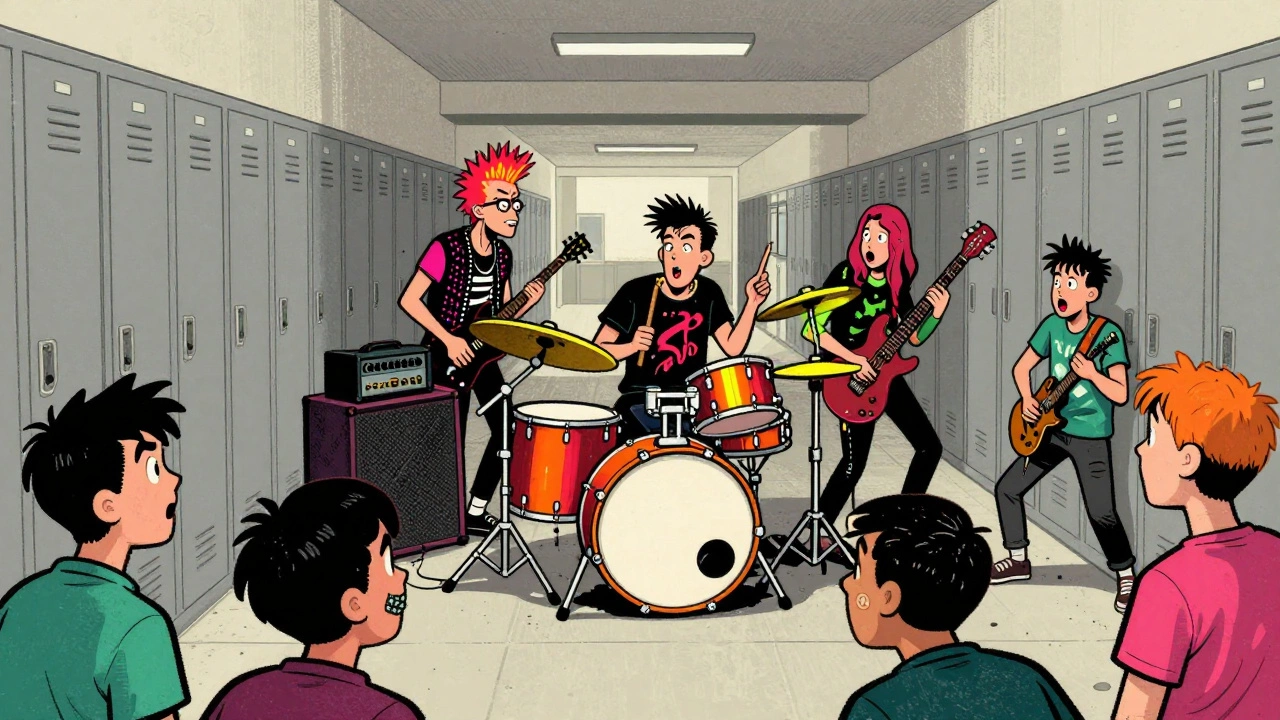
The settings were equally intentional. You'd see bands playing in abandoned warehouses, messy garages, or the middle of a crowded high school hallway. These locations represented the "non-spaces" where teenagers actually hung out. By centering the action in these spots, the videos validated the teenage experience. They told the viewer that their boring neighborhood was actually the epicenter of a cultural revolution. The humor came from the contrast-seeing a full band with amplifiers and drums set up in a place where they clearly didn't belong.
Comedy as a Tool for Rebellion
The 1990s saw a shift from the dark, aggressive tone of 70s punk to something more melodic and satirical. Pop Punk became the primary vehicle for this. Instead of just screaming about the government, bands started making fun of the mundane. They targeted the "perfect" nuclear family, the strict principal, and the awkwardness of first dates.
Take for example the way The Offspring handled their visuals. In the video for "Why Don't You Get a Job?", the humor is front and center. By using a cartoonish, almost slapstick approach, they mocked the idea of the "slacker" lifestyle while simultaneously celebrating it. This kind of irony allowed teenagers to acknowledge their lack of direction without feeling the weight of failure. If you can laugh at the absurdity of being broke and unemployed, the societal pressure to "succeed" loses its power over you.
This era of music videos mastered the art of the "cringe" before that word was even common. They leaned into the awkwardness of adolescence-braces, bad haircuts, and social anxiety-and turned it into a badge of honor. The rebellion wasn't always a political statement; sometimes, the most rebellious thing a kid could do was refuse to be polished and professional.
The Influence of Skate Culture and Fashion
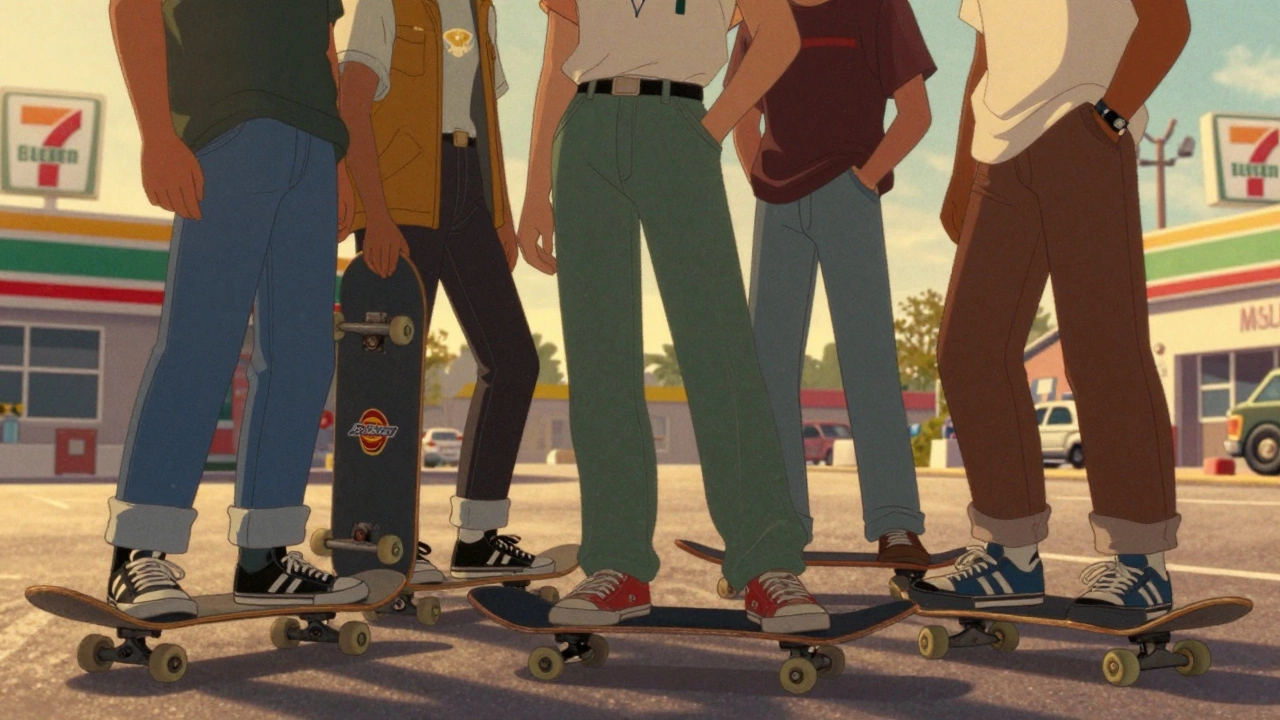
You can't talk about these videos without mentioning the gear. The visual identity of the 90s punk scene was inextricably linked to Skate Punk. This wasn't just a genre of music; it was a lifestyle. The videos acted as a catalog for this aesthetic. The prevalence of oversized t-shirts, Dickies pants, and the iconic Vans sneakers served as a visual shorthand for "outsider" status.
| Visual Element | Symbolic Meaning | Impact on Viewer |
|---|---|---|
| Fish-eye Lens | Distortion and Energy | Creates a sense of urgency and chaos |
| Suburbia Settings | Boredom and Constraint | Relatability for suburban youth |
| Slapstick Humor | Anti-Authoritarianism | Reduces fear of authority through ridicule |
| DIY Wardrobe | Authenticity | Encourages self-expression over consumerism |
These videos often featured "cameos" from actual skaters, blending the line between a music promotion and a skate video. This authenticity was key. When a band like Blink-182 appeared in a video, they didn't look like movie stars; they looked like the guys who would be hanging out at the local 7-Eleven. This accessibility made the rebellion feel attainable. You didn't need a record deal to be part of the movement; you just needed a board and a loud guitar.
Satire and the 'Anti-Music Video'
As the decade progressed, some punk videos began to parody the very medium of the music video itself. While pop stars were spending millions on glossy, choreographed spectacles, punk bands were doing the opposite. They created "anti-videos" that looked intentionally low-budget or featured plotlines that devolved into complete nonsense.
This was a tactical move. By mocking the high production values of the mainstream, punk videos highlighted the perceived phoniness of the music industry. The humor was a shield; by presenting themselves as a joke, they were immune to criticism. How do you criticize a band for being "unprofessional" when they've spent the last three minutes of their video prank-calling a pizza place or falling over their own equipment?
This approach created a strong bond with the audience. It felt like an inside joke between the band and the viewers. The MTV era was dominated by perfection, but these videos offered a refreshing dose of imperfection. They proved that being a mess was actually a valid artistic choice.
The Lasting Impact on Digital Culture
The spirit of 90s punk videos didn't disappear; it just migrated. If you look at the early days of YouTube or the current trend of "lo-fi" content on TikTok, you can see the DNA of the 90s skate-punk aesthetic. The preference for raw, unedited footage and the use of humor to handle social anxiety are direct descendants of the Punk Revival energy.
Modern creators still use the same playbook: find something boring or oppressive, make fun of it using high-energy visuals, and keep the production feeling human. The 90s taught us that the most effective way to rebel isn't always through anger-sometimes it's through a well-timed joke and a wide-angle lens.
Why was the fish-eye lens so common in 90s punk videos?
The fish-eye lens was a staple of skateboarding videos, which shared a massive overlap with the punk scene. Using it in music videos allowed directors to capture more of the environment in a single shot, creating a distorted, high-energy look that mirrored the frantic nature of the music and the chaotic energy of youth culture.
How did humor help teenage rebellion in these videos?
Humor acted as a social lubricant and a defense mechanism. By using satire and irony, punk bands could criticize authority (parents, teachers, society) without sounding like they were delivering a lecture. It made the rebellion feel fun and inclusive rather than just angry, which helped it spread faster among teenagers.
Which bands best represented this style?
Bands like The Offspring and Blink-182 were masters of this. The Offspring often blended social commentary with cartoonish humor, while Blink-182 leaned heavily into the "immature teen" persona, using their videos to celebrate the absurdities of adolescence.
Was the low production quality intentional?
In many cases, yes. While some bands had limited budgets, many chose a "DIY" (Do-It-Yourself) aesthetic to signal authenticity. A video that looked too polished would have felt corporate and fake, contradicting the punk ethos of independence and raw honesty.
What was the connection between skate punk and these visuals?
Skate punk was the intersection of a music genre and a sport. The fashion (Vans, Dickies), the locations (half-pipes, parking lots), and the filming techniques were all borrowed from skate culture, making the music videos feel like a natural extension of the kids' real-life hobbies.


