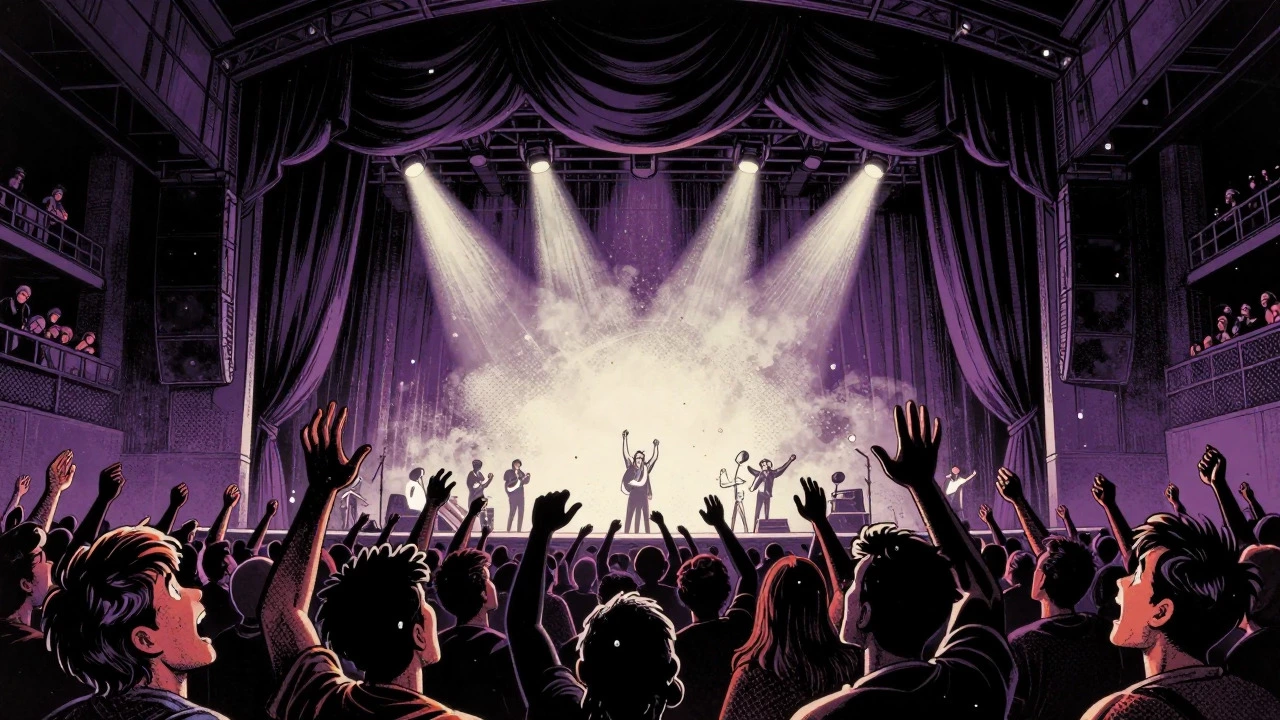

Picture this: it’s 1984. You’re standing in a sea of 20,000 people at an arena that smells like stale beer and sweat. The lights go black. The band walks off stage. For thirty seconds, there is silence. Then, a roar erupts from the crowd-"One more song! One more song!" It feels electric. It feels earned. But here is the secret nobody told you back then: they were never really leaving.
In the 1980s, the concert encore was not a spontaneous reaction to applause; it was a meticulously choreographed ritual of showmanship and fan service. Artists turned this "second act" into a predictable, high-stakes finale designed to make audiences feel recognized, rewarded, and emotionally spent. What we now see as a standard part of a gig was actually a complex psychological tool perfected by rock giants during one of the most lucrative decades in music history.
The Death of Spontaneity and the Rise of Ritual
To understand why the 1980s encore matters, you have to look at what came before. In the 18th century, opera patrons would shout "Encore!" (French for "again") to demand a repeat of a specific aria. By the 1950s and 60s, this migrated to rock and roll, where bands might play an extra tune if the crowd was particularly rowdy. Elvis Presley famously played multiple encores in 1955, but these were still largely reactive.
Then came the arena rock era of the 1970s. Bands realized that playing an encore signaled success-it proved you were popular enough to demand "one more." By the time the 1980s hit, the spontaneity had vanished. As musician Steve Harley noted in a British TV documentary, skipping an encore felt "churlish," like ignoring a thank-you note. The audience said, "We thanked you," and the artist responded, "Now I thank you."
This shifted the dynamic entirely. The encore became a codified second chapter of the show. It wasn't about hearing the same song again; it was about hearing different songs-the biggest hits, the emotional ballads, the surprise covers-that were withheld from the main set to create a climactic payoff. This structure mirrored the narrative arcs of movies and television shows, which were becoming increasingly influential on how live events were produced.
Bruce Springsteen: The Architecture of Generosity
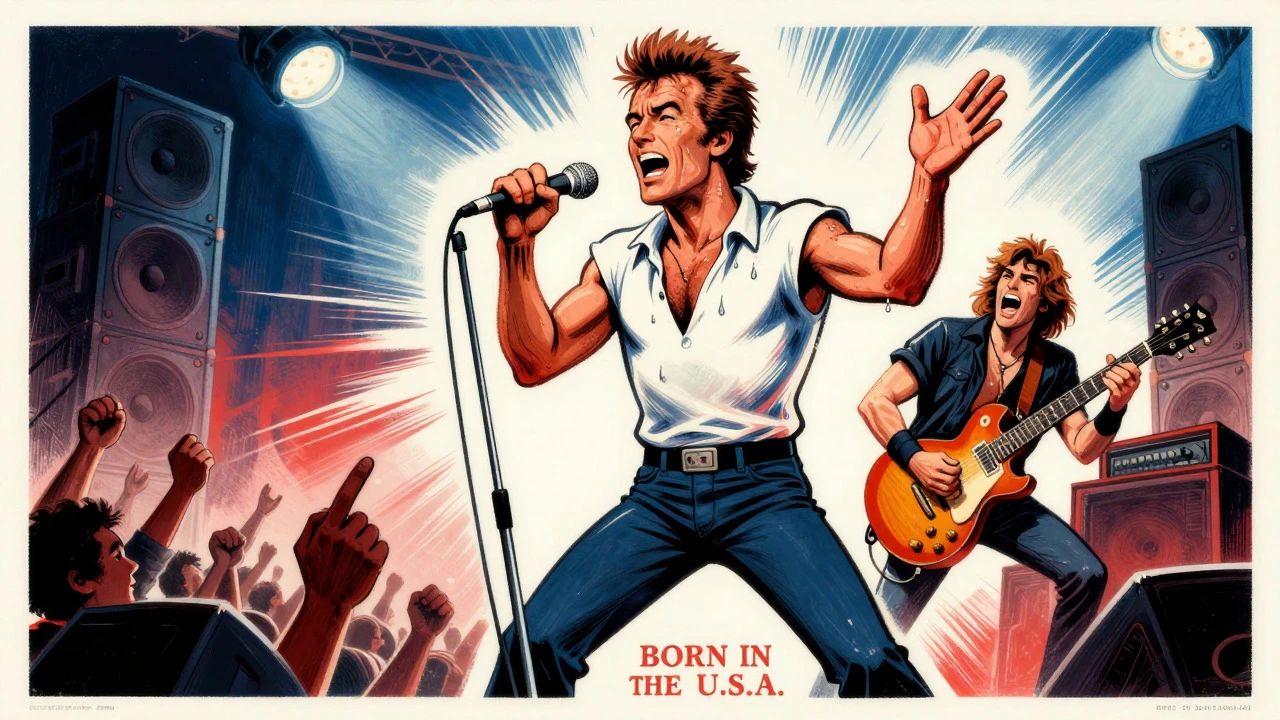
If anyone mastered the art of the 1980s encore, it was Bruce Springsteen. His Born in the U.S.A. Tour in 1984 didn't just end with a few extra songs; it ended with a marathon. According to data from Setlist.fm, Springsteen’s average set that year contained roughly 24 main-set songs followed by a single, extended encore of about 7 songs. That’s 31 songs per night. Total runtime? Well over three hours.
Take his August 1984 show at the Brendan Byrne Arena in East Rutherford, New Jersey. The encore wasn't just a bow-out; it was a spectacle. He brought out guest Little Steven Van Zandt for "Two Hearts" (a live debut). He played "Drift Away," a cover featuring the Miami Horns. He launched into a multi-song "Detroit Medley" including "Travelin’ Band" and "Twist and Shout." Finally, he closed with "Born to Run."
Why do this? It was pure fan service. By withholding his signature anthem until the very end, Springsteen ensured the crowd left on a high-energy peak. By adding deep cuts and covers, he rewarded long-time fans who knew the catalog. It created a sense of abundance-a feeling that the ticket price couldn't possibly cover the value received. This generosity built a reputation that lasted decades, proving that stamina and musical volume could be forms of love language between artist and audience.
Prince and Theatrical Climax
While Springsteen used quantity and energy, Prince used theatricality and intensity. On his Purple Rain Tour in 1985, the encore was often the most visually and emotionally charged part of the night. At a March 30, 1985 show at the Carrier Dome in Syracuse, New York, Prince concluded with a 16-minute version of "Purple Rain."
This wasn't just a song; it was a mass sing-along event. Prince brought out artists he was producing, like Sheila E., turning the arena into a communal space. The extended guitar solo and repeated choruses compressed the entire emotional arc of the evening into a single, prolonged finale. Unlike the typical 3-5 minute encore, Prince sometimes made the encore longer than the main set itself. He treated the post-exit segment as a flexible canvas, calibrating length and intensity based on the crowd's energy, yet always starting from a carefully designed template. This approach showed that the encore could be the dominant section of the show, not just an add-on.
The Cure and the Multi-Chapter Ending
Not all 1980s acts followed the stadium rock blueprint. Post-punk bands like The Cure adapted the ritual into something darker and more layered. In August 1986, at the Théâtre Antique d’Orange in France, The Cure followed a scorching main set with a nine-song encore. It included hits like "Boys Don’t Cry" and "Faith," but also deeper cuts like "10:15 Saturday Night."
The Cure often played up to five encores in a single night, creating mini-arcs within the ending. They would move from new material to classics, from dark atmospheres to upbeat singles. This structure gave dedicated fans a sense of being treated to a private show beyond the advertised program. It blurred the line between the "main event" and the "bonus," suggesting that the real reward for sticking around was access to the band's broader artistic identity, not just their radio hits. Here is the tricky part: everyone knew it was scripted, but everyone pretended it wasn't. A 2007 column in The A.V. Club called modern encores "utterly fake," comparing them to a "fake orgasm." Yet, audiences would feel cheated if a band skipped the ritual. Why? Because the encore serves a social function. It marks the temporal boundary of the event. It allows the artist to relax and improvise after completing the tight choreography of the main set. And crucially, it creates a moment of mutual recognition. When the crowd chants "More!", they are performing a role. When the band returns, they are fulfilling a contract. Even if the return was planned minutes ago, the shared experience feels authentic in the moment. Fans today still discuss and compare encores online. Sites like Setlist.fm track every song choice, turning encore construction into a reputational decision subject to scrutiny. If a band plays a boring encore, fans complain. If they play a surprise cover or a rare deep cut, fans celebrate. The encore has become a primary metric of show quality, a legacy of the 1980s innovation. Today, roughly 92% of headlining concerts include an encore lasting between 12 and 18 minutes. This norm was cemented in the 1980s. Artists learned that the encore was not just extra music; it was the final impression. It was the "third act" of the cinematic experience. For fans, the encore provided closure. For artists, it provided a chance to demonstrate control and charisma. It allowed them to separate the "main set" (the work) from the "final statement" (the gift). Whether it was Springsteen’s communal joy, Prince’s sensual intensity, or The Cure’s atmospheric depth, the 1980s encore taught us that how you leave the stage matters just as much as how you start. We may know now that the band was waiting in the wings. We may know that the blackout was a cue, not a departure. But that doesn't diminish the magic. It enhances it. Because the art of the encore isn't about surprise; it's about connection. And in the 1980s, no one connected quite like they did when the lights went down and the crowd screamed for more. Yes, for major headliners, the encore was almost always a planned part of the setlist. While it appeared spontaneous due to the blackout and crowd chanting, the band typically waited backstage and returned on cue. This practice transformed the encore from a reactive gesture into a structured component of the show. Encores in the 1980s varied widely but were often longer than modern standards. Bruce Springsteen’s 1984 encores featured around 7 songs, while Prince’s "Purple Rain" encore lasted 16 minutes. The average modern encore is 15 minutes, but 1980s acts frequently exceeded this, with some bands like The Cure playing multiple encores totaling significant additional time. Withholding signature hits like "Born to Run" or "Purple Rain" allowed artists to create a climactic peak at the end of the show. This strategy ensured that the audience left on a high-energy note, maximizing emotional impact and reinforcing the perceived value of the concert experience. No, formats varied by genre and artist personality. Stadium rock acts like Springsteen focused on length and energy, while post-punk bands like The Cure used encores for atmospheric variety and deep cuts. Some acts, like Boston, even played multiple distinct encores to extend the show further. The 1980s established the encore as a standard industry practice. Today, 92% of headline shows include an encore, and fans expect it as part of the transaction. The focus on fan service, surprise covers, and emotional closure pioneered in the 80s remains central to how modern tours are designed and evaluated.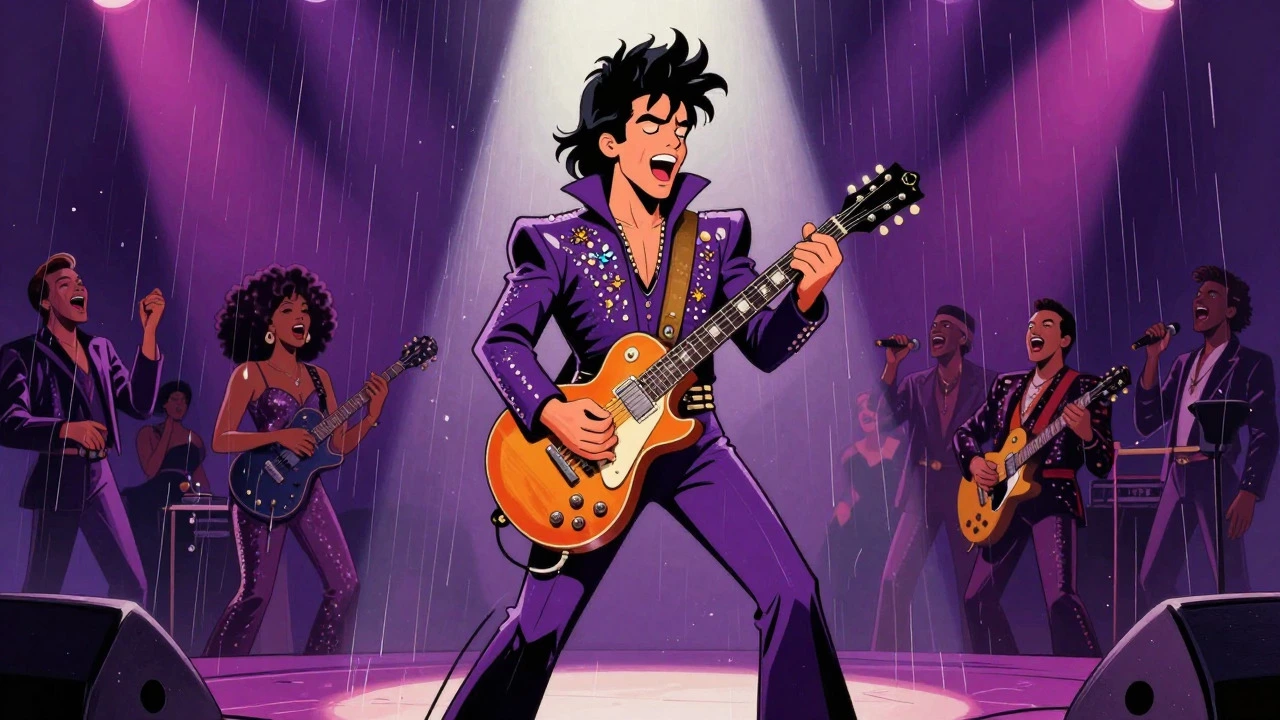
Fan Expectations and the Myth of Authenticity
Artist
Tour Era
Encore Style
Key Function
Bruce Springsteen
Born in the U.S.A. (1984)
Extended Marathon (7+ songs)
Demonstrate stamina and generosity
Prince
Purple Rain (1985)
Theatrical Climax (16+ mins)
Create emotional peak and visual spectacle
The Cure
Kiss Me, Kiss Me, Kiss Me (1987)
Multi-Chapter Arc (Up to 5 encores)
Reward fans with deep cuts and variety
Boston
Various (1980s)
Multiple Returns (4 encores)
Extend value and prolong excitement
Why the 1980s Model Still Matters
Was the 1980s encore truly scripted?
How long did typical 1980s encores last?
Why did artists withhold their biggest hits for the encore?
Did all 1980s bands follow the same encore format?
How does the 1980s encore influence modern concerts?


