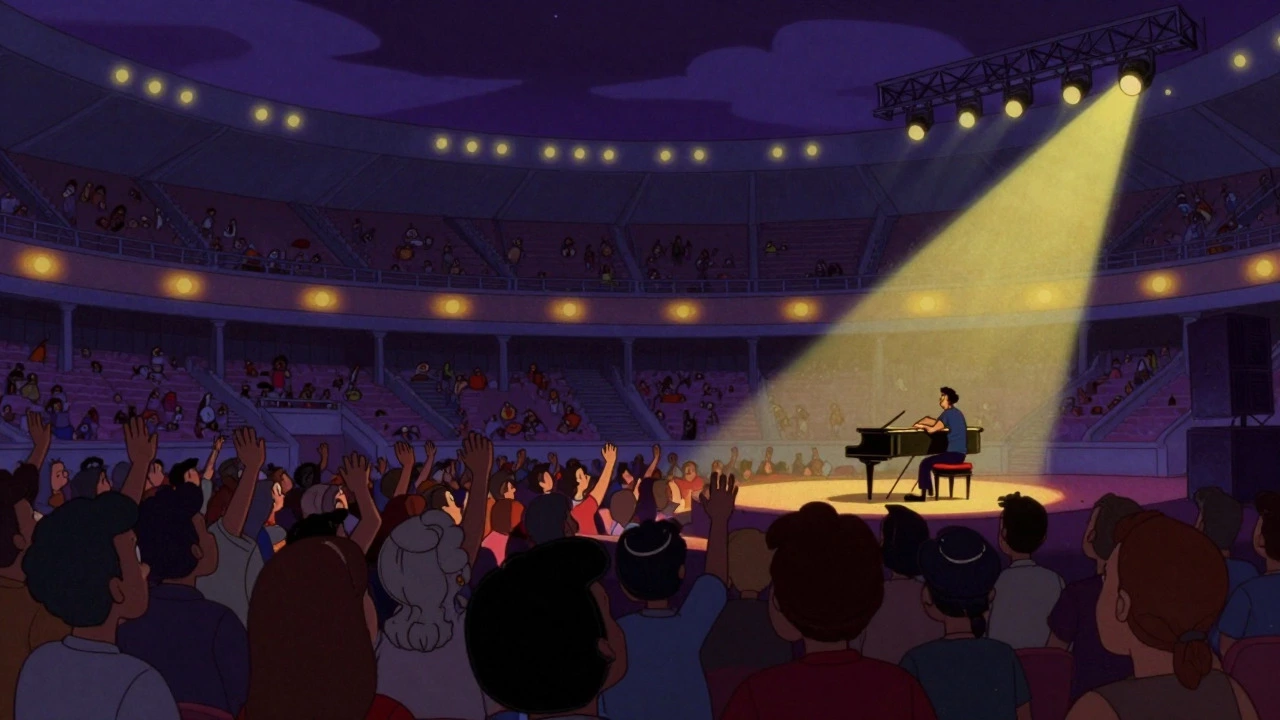

Imagine walking into a venue with fifty thousand people. The lights dim. A single piano note rings out, clean and lonely. Then, slowly, the drums kick in. The guitar swells. And suddenly, every person in that massive arena is singing the same heartbreak lyrics at the top of their lungs. This wasn't just music; it was a collective emotional release. This is the magic of the power ballad, a specific subgenre of rock music characterized by slow tempos, emotional lyrics, and dramatic dynamic shifts from quiet verses to loud, guitar-driven choruses. In the 1980s, these songs didn't just fill stadiums; they defined an era's sound, bridging the gap between aggressive hard rock and mainstream pop.
The Blueprint of a Stadium Anthem
Why did these songs work so well? It wasn't accidental. There was a strict architectural blueprint that producers and songwriters followed to ensure maximum impact. If you listen closely to tracks like REO Speedwagon’s "Keep On Loving You" or Journey’s "Faithfully," you hear the same structural DNA. It starts small. Usually, it’s a clean electric guitar or a piano intro. The vocals are intimate, almost whispering. This creates vulnerability. You feel like the singer is talking directly to you.
Then comes the shift. As the second verse ends, the drums build up. The bass line gets heavier. By the time the chorus hits, the distortion kicks in. The volume doubles. The key might even change upward. This isn't just about being loud; it's about catharsis. Sociomusicologist Simon Frith noted that this style borrowed heavily from soul ballads, taking that raw emotional directness and amplifying it with rock instrumentation. The result was a song that felt personal yet epic enough for a crowd of tens of thousands to chant along to.
- The Quiet Intro: Establishes intimacy and sets the emotional stakes.
- The Build-Up: Drums and bass increase intensity, signaling the coming storm.
- The Explosive Chorus: Full band enters with distorted guitars and soaring vocals.
- The Guitar Solo: Acts as the emotional peak, often melodic rather than technical.
- The Final Crescendo: Maximum volume and energy for the last chorus.
From Soft Rock Roots to Glam Metal Peaks
The power ballad didn't appear out of nowhere. Its roots trace back to the late 1970s soft rock scene. Bands like REO Speedwagon were among the first to perfect the formula. When "Keep On Loving You" dropped in 1980, it signaled a shift. Rock bands were leaving behind the complex prog-rock experiments of the previous decade and embracing highly melodic, emotionally overt choruses. This track is often cited as the moment the 1980s power ballad truly began.
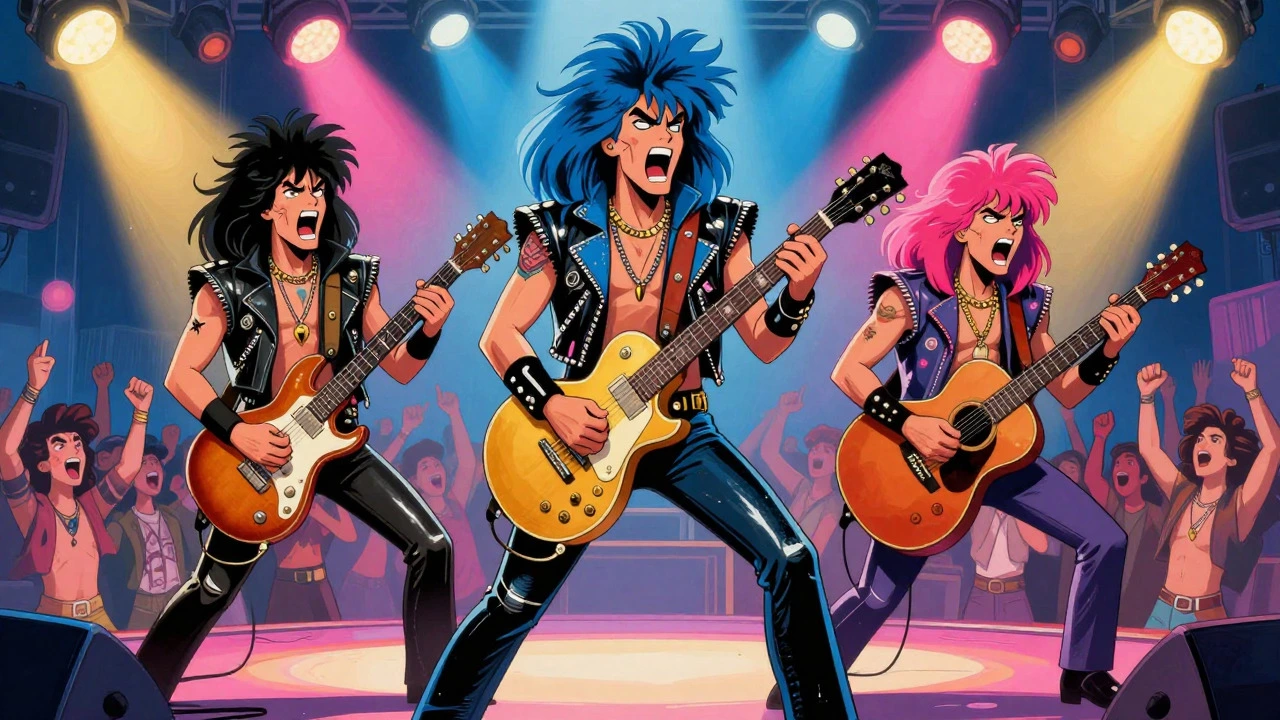
As the decade progressed, the genre evolved alongside the rise of glam metal. Bands like Poison, Mötley Crüe, and Bon Jovi adopted the template but added more theatrical flair. Think leather pants, big hair, and bigger sounds. Poison’s "Every Rose Has Its Thorn" (1988) is a prime example. Despite the band’s reputation for party anthems, this acoustic-driven ballad became one of the most successful rock singles of the decade. It proved that even the hardest-edged acts needed a moment of sincerity to connect with a wider audience.
| Song Title | Artist | Year | Significance |
|---|---|---|---|
| Keep On Loving You | REO Speedwagon | 1980 | Considered the first major 80s power ballad; set the structural template. |
| Home Sweet Home | Mötley Crüe | 1985 | Bridged the gap between hard rock aggression and sentimental lyricism. |
| Alone | Heart | 1987 | Showcased vocal prowess; Ann Wilson’s performance defined the genre's emotional height. |
| Is This Love | Whitesnake | 1987 | Reached No. 2 on Billboard Hot 100; marked the peak of the power ballad craze. |
| Every Rose Has Its Thorn | Poison | 1988 | Demonstrated the crossover appeal of glam metal ballads to mainstream audiences. |
Vocal Showcases and Emotional Authenticity
In the 1980s, the lead vocalist was the star of the power ballad. Unlike pop ballads, which often relied on production polish and narrative storytelling, rock power ballads demanded raw, unreserved emotion. Singers had to convey genuine heartbreak, longing, or devotion without holding back. This is why songs like Heart’s "Alone" remain iconic decades later. Ann Wilson’s vocals don’t just hit high notes; they reach what critics describe as "the stratosphere," delivering a performance that feels physically intense.
This emphasis on vocal authenticity created a unique bond with listeners. People weren't just hearing a song; they were witnessing a confession. Whether it was Steve Perry’s smooth crooning in Journey’s "Open Arms" or Sebastian Bach’s gritty delivery in Skid Row’s "I Remember You," the singers used simple, direct language. There were no complex metaphors here. The lyrics were straightforward because the emotion was universal. Everyone has loved, lost, or longed for something. The power ballad gave those feelings a sonic home.
The Commercial Imperative of the Slow Song
Releasing a power ballad wasn't just an artistic choice for 1980s rock bands; it was a commercial necessity. Industry insiders viewed these songs as essential tools for broadening an audience. Hard rock albums could be heavy and intimidating to casual listeners. A well-crafted power ballad acted as a bridge. It allowed radio stations to play the band on mainstream formats, not just rock channels. VH1 noted that for bands like Def Leppard and Foreigner, including a power ballad was an "absolute given."
This strategy worked incredibly well. Whitesnake’s "Is This Love" reached No. 2 on the Billboard Hot 100 in 1987, proving that rock ballads could compete with pure pop hits. These songs drove album sales, filled concert venues, and kept bands relevant during touring cycles. They provided a moment of respite in a setlist full of fast riffs, allowing the crowd to catch its breath before the next high-energy number. Economically, they were smart moves that paid off in platinum records and sold-out arenas.
Enduring Legacy and Modern Resonance
Decades later, the 1980s power ballad remains a cultural touchstone. Streaming platforms like Apple Music continue to curate playlists dedicated to these "stadium-sized soft rock epics," indicating sustained demand from both nostalgic older fans and younger listeners discovering the genre. New countdown videos and mixtapes keep the canon alive, blending classics with deeper cuts like Great White’s "Save Your Love" or Kix’s "Don’t Close Your Eyes."
What keeps these songs alive? It’s the combination of nostalgia and timeless emotional resonance. While musical trends have shifted toward grunge, alternative, and electronic sounds, the core human emotions explored in power ballads haven't changed. The dramatic structure-the journey from silence to noise-mirrors our own emotional experiences. That’s why, when you hear the opening chords of "Total Eclipse of the Heart" or "Heaven" by Bryan Adams, you still feel that surge of anticipation. The 1980s may have passed, but the power of the ballad endures.
What defines a power ballad versus a regular rock ballad?
A power ballad is distinguished by its dramatic dynamic shift. It typically begins with a quiet, subdued verse featuring minimal instrumentation like piano or clean guitar, then builds into a loud, distorted, and energetic chorus with full band participation. Regular rock ballads may maintain a consistent tempo and volume throughout, lacking the explosive crescendo characteristic of the power ballad genre.
Why were power ballads so popular in the 1980s?
Power ballads dominated the 1980s because they bridged the gap between hard rock and mainstream pop. They allowed aggressive rock bands to reach wider audiences through radio play on non-rock stations. Additionally, their emotional directness and sing-along choruses made them perfect for large stadium concerts, enhancing the communal experience of live performances.
Who wrote some of the most famous 80s power ballads?
Many legendary artists contributed to the genre. Key figures include REO Speedwagon ("Keep On Loving You"), Journey ("Faithfully," "Open Arms"), Heart ("Alone"), Poison ("Every Rose Has Its Thorn"), Whitesnake ("Is This Love"), and Bon Jovi ("Never Say Goodbye"). These bands helped define the structural and emotional templates of the power ballad.
Did power ballads influence other genres?
Yes, power ballads drew significant inspiration from soul music, particularly in their use of emotive vocals and melodic structures. Artists like Marvin Gaye influenced the emotional intensity found in rock ballads. Conversely, the power ballad format influenced later pop-rock and adult contemporary music, establishing a standard for building emotional tension and release in songwriting.
Are power ballads still relevant today?
Absolutely. While the specific 1980s aesthetic has faded, the power ballad structure remains influential. Modern rock and pop artists still use the quiet-loud-quiet dynamic to create emotional impact. Furthermore, streaming platforms show continued interest in 80s power ballads, introducing them to new generations who appreciate their dramatic storytelling and vocal performances.


